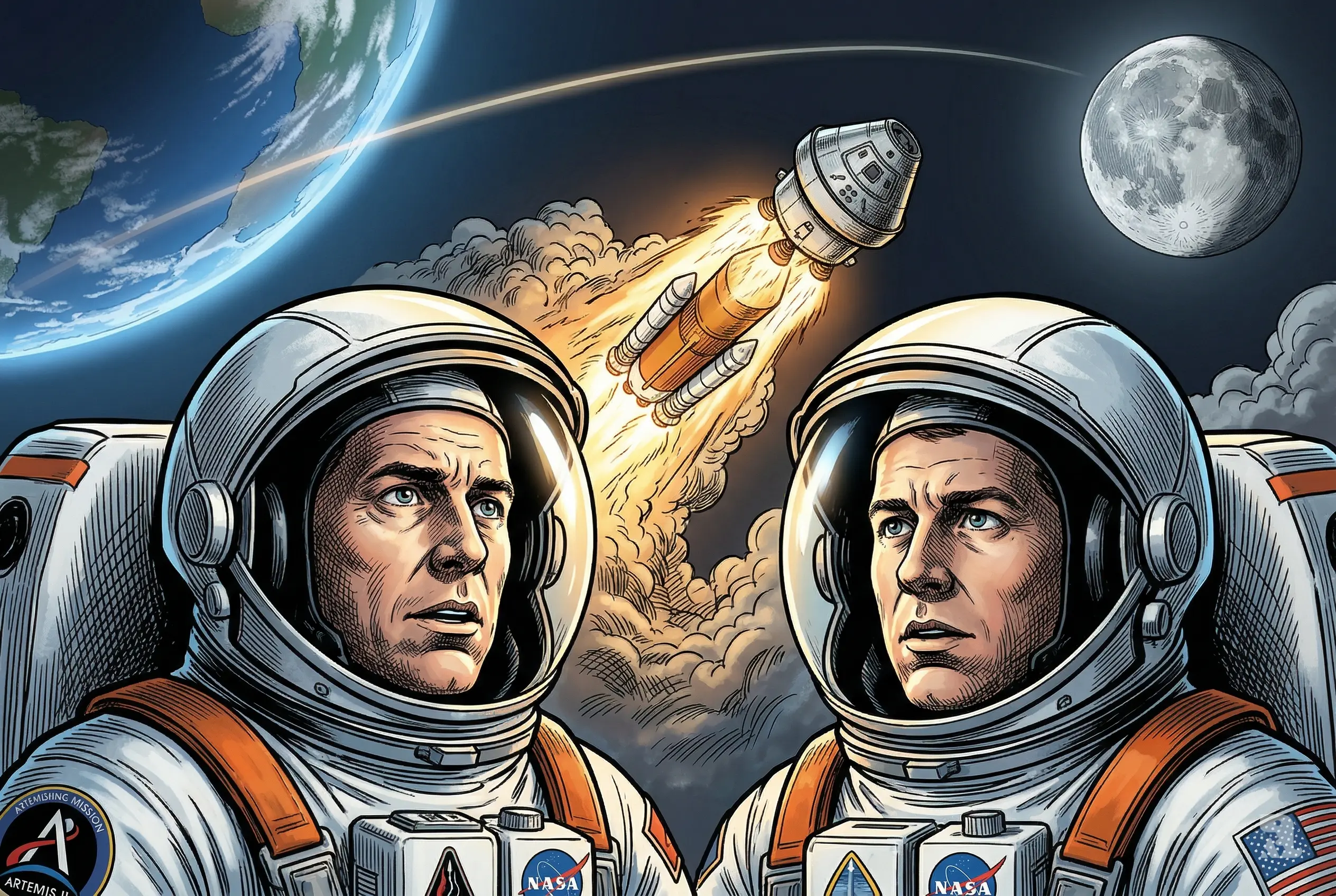
NASA Sent 4 Astronauts to Moon After 54 Years — But the Real Danger Lies Ahead
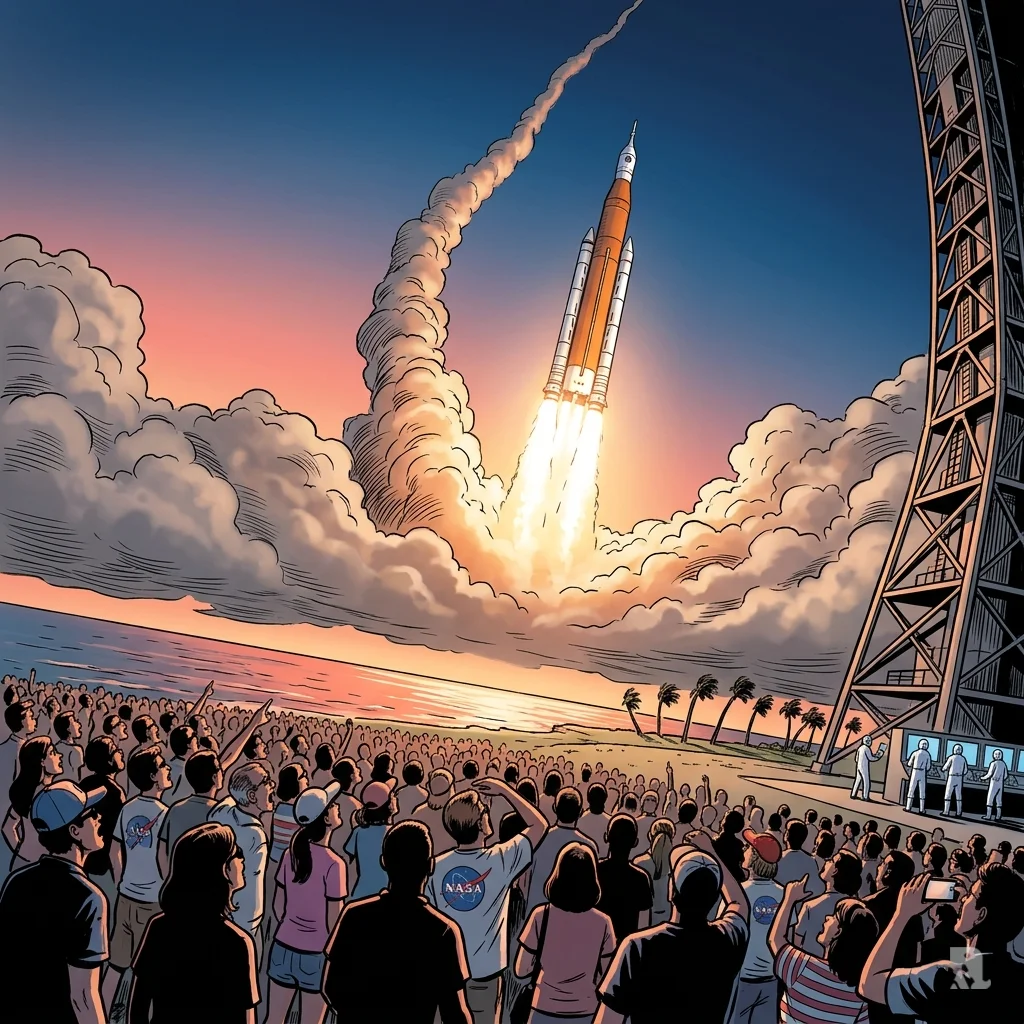
NASA’s Artemis II launched from Cape Canaveral with astronauts Reid Wiseman, Christina Koch, Victor Glover, and Jeremy Hansen — the first crewed moon mission in 54 years, watched by 250,000 cheering spectators.
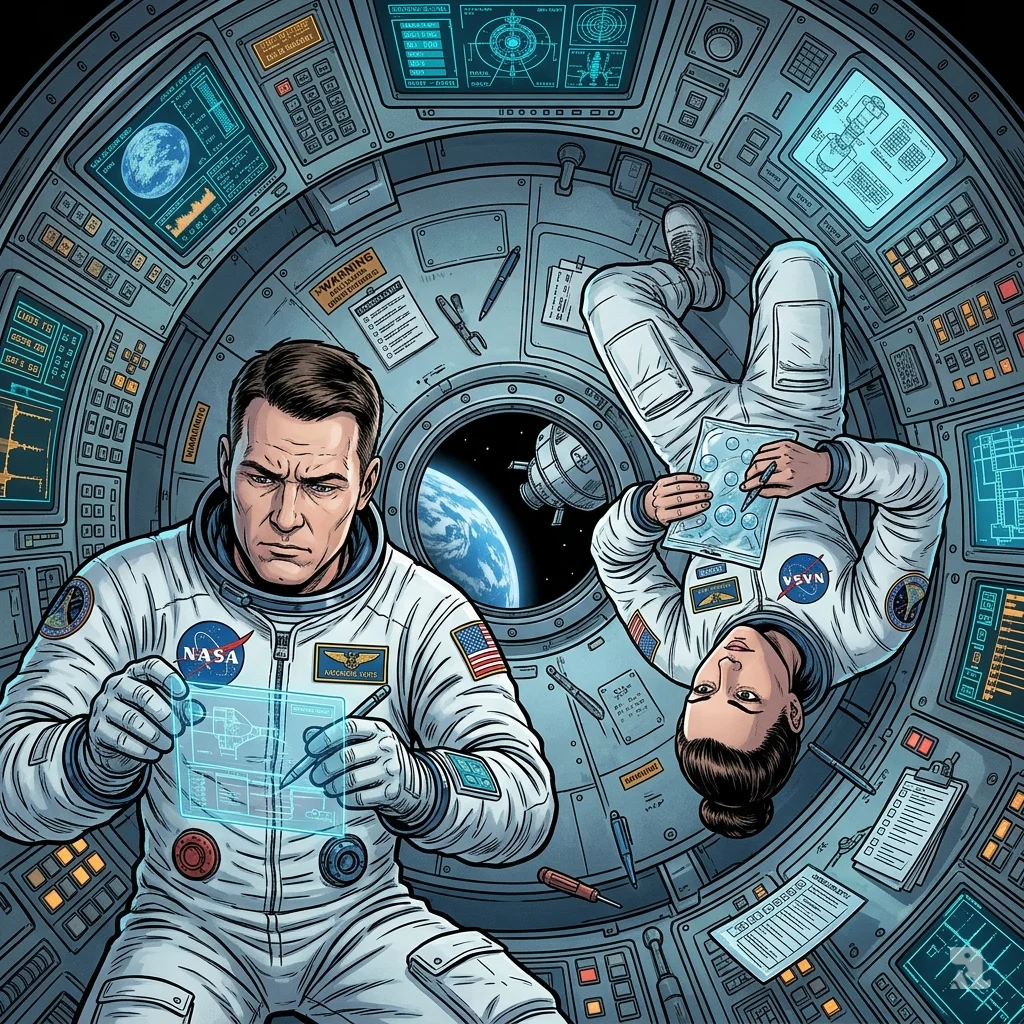
Within the first 8.5 hours in orbit, the crew tested Orion capsule’s life-support systems — water, toilet, and air quality. They also practiced a crucial docking maneuver using the SLS upper stage for future lunar missions.
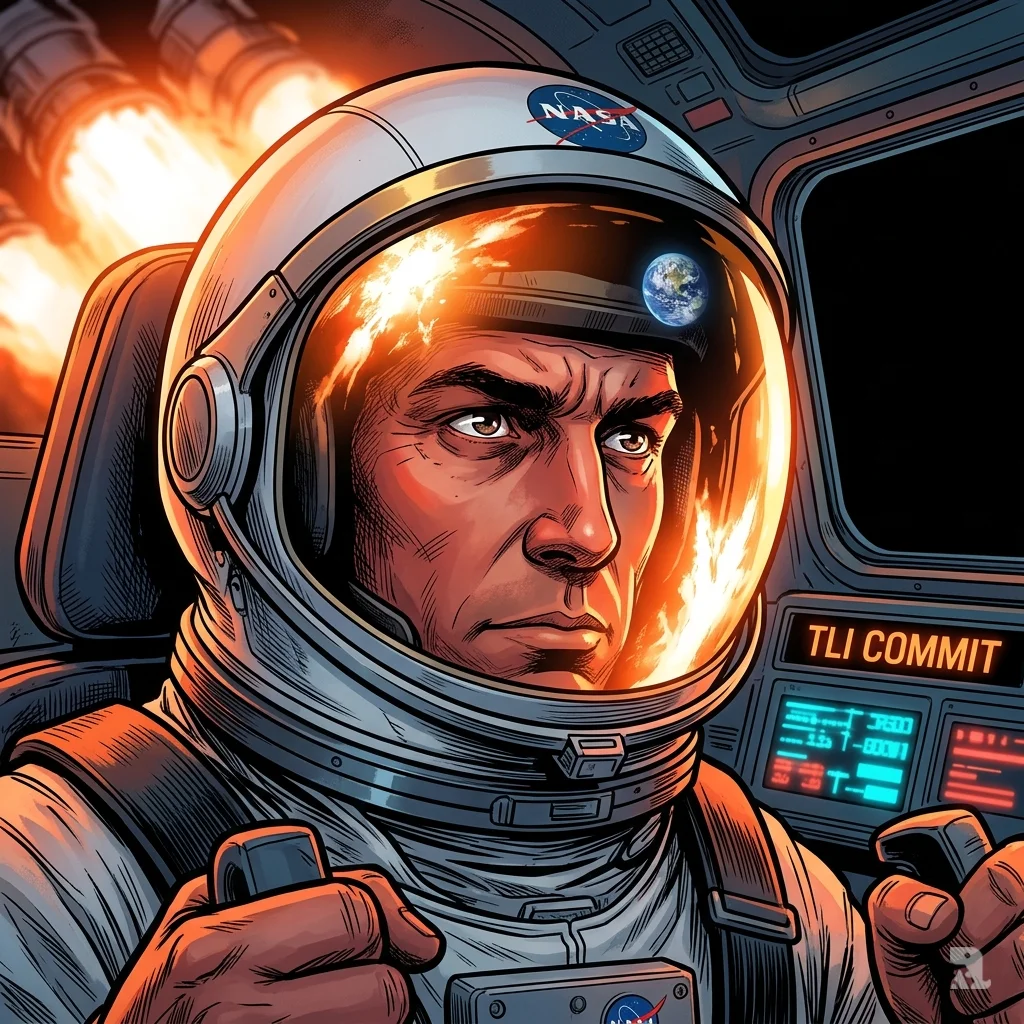
About 24 hours into the mission, NASA planned a critical engine burn — the trans-lunar injection. Once committed to TLI, astronauts would be locked on an irreversible path around the moon with no turning back.
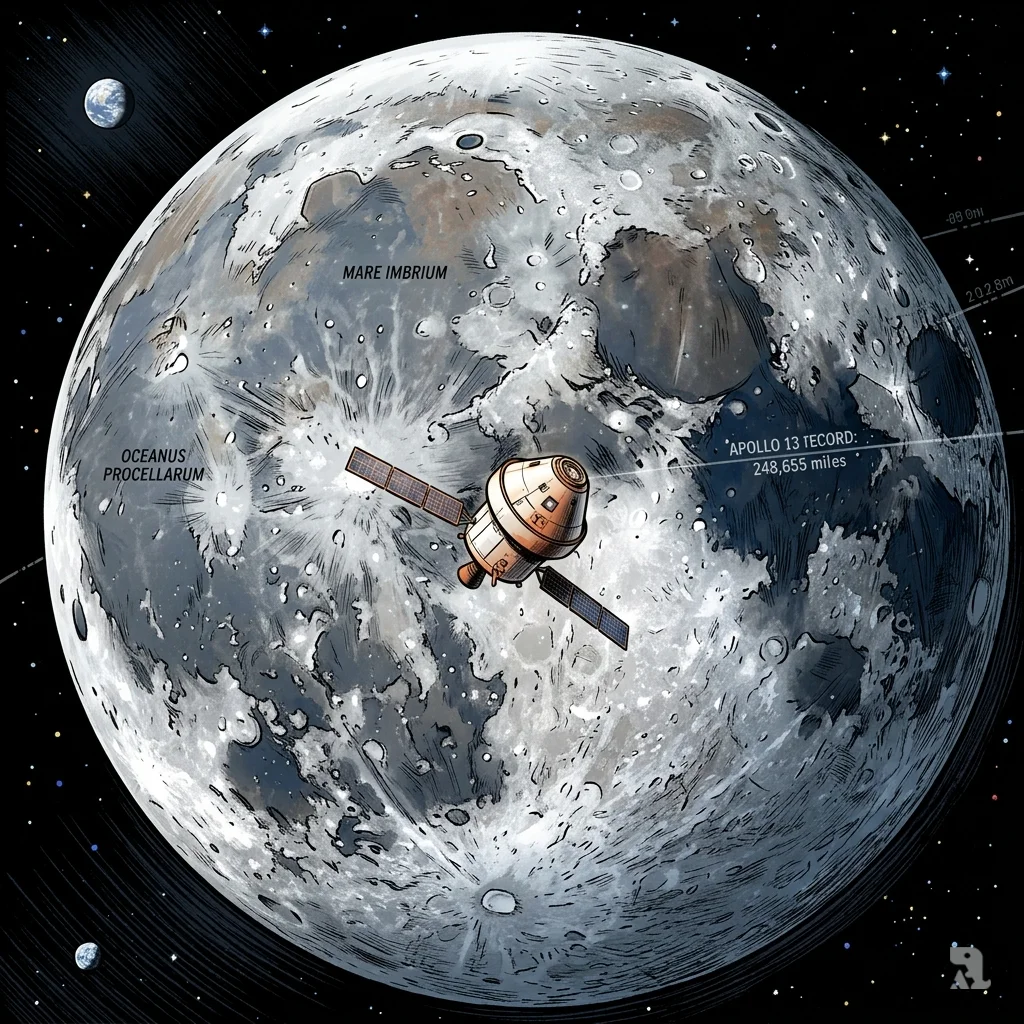
After 3 days of travel, astronauts were set to fly around the moon — potentially surpassing Apollo 13’s distance record of 248,655 miles. They’d pass within 4,000 to 6,000 miles of the lunar surface.
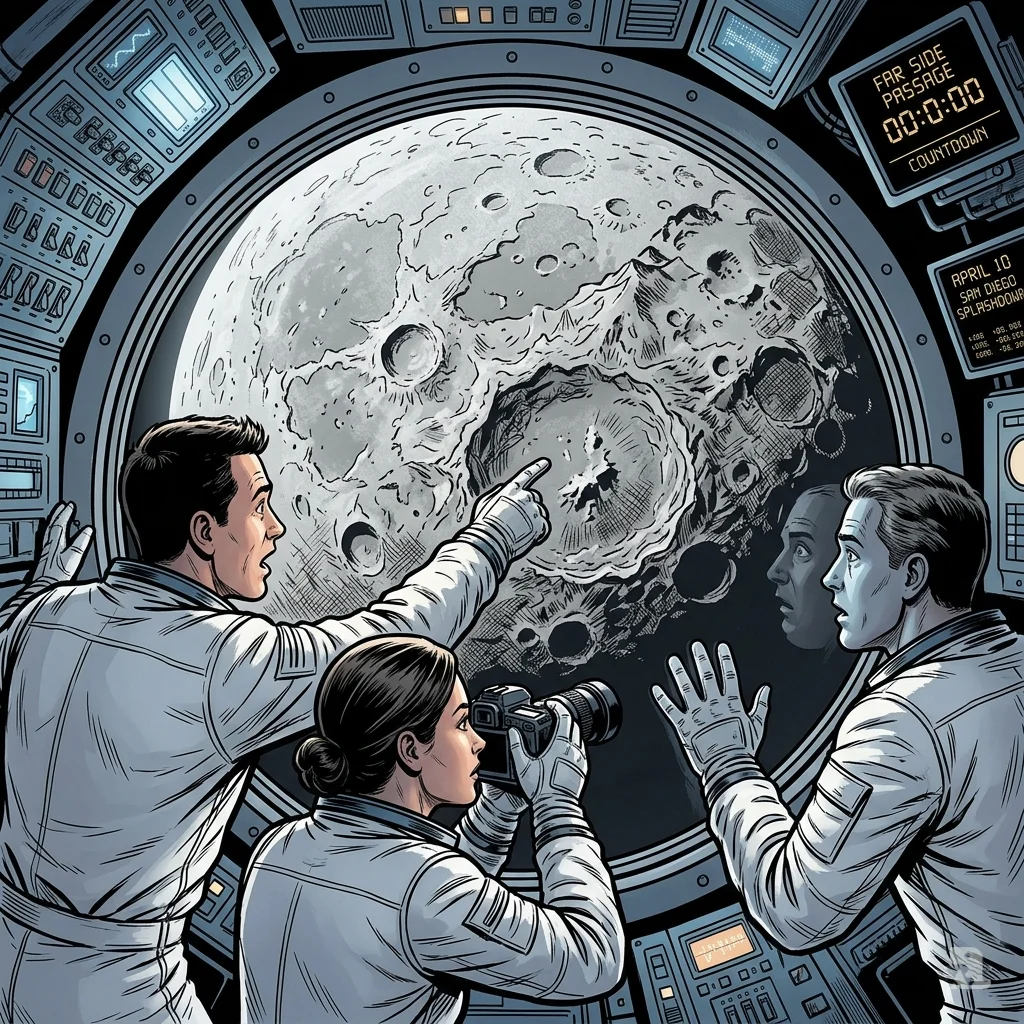
During the flyby, crew would become the first humans to see the moon’s far side with their own eyes. After that historic moment, they’d return to Earth — splashing down off San Diego on April 10.
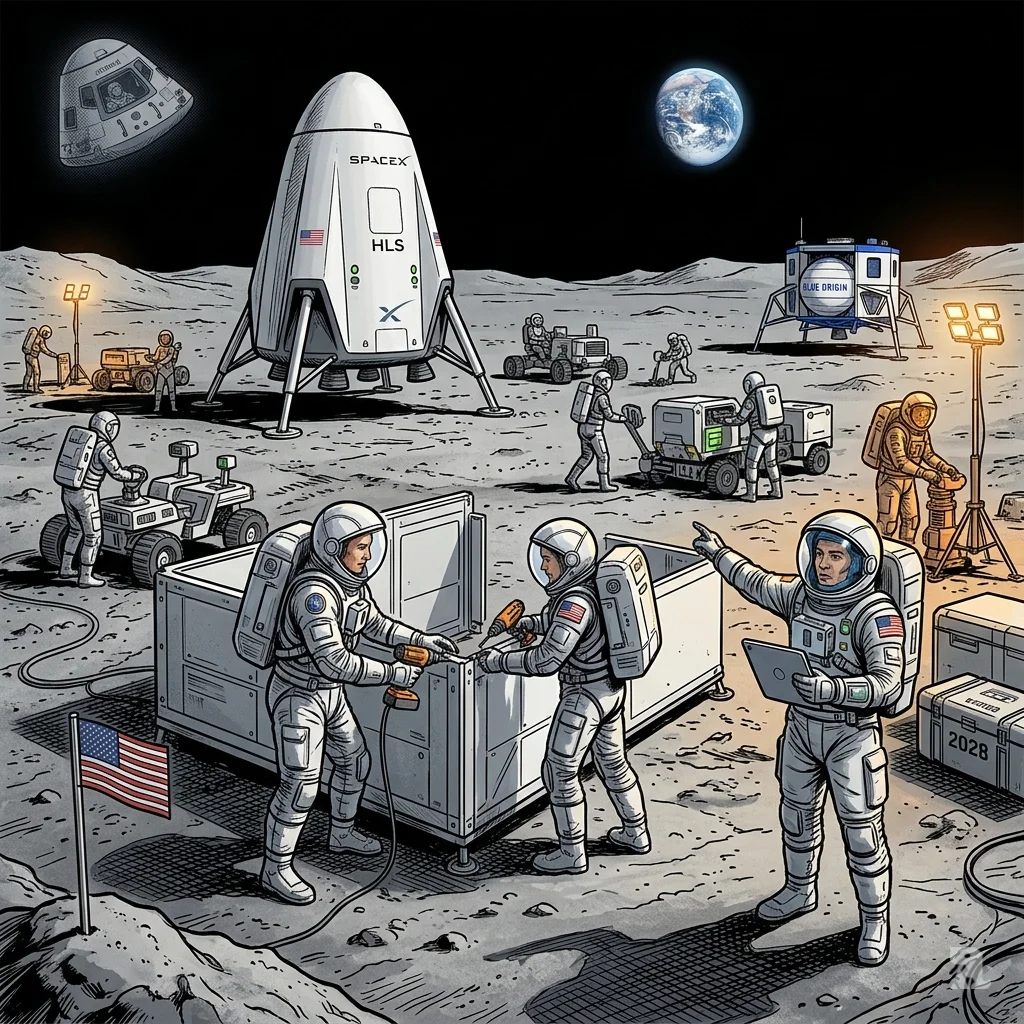
Artemis II is just the beginning. Next year, Artemis III tests moon landers by SpaceX and Blue Origin. By 2028, Artemis IV aims to land astronauts on the moon and build a permanent lunar base.