
NASA’s Artemis II Just Sent Humans Deeper Into Space Than Anyone In 50 Years
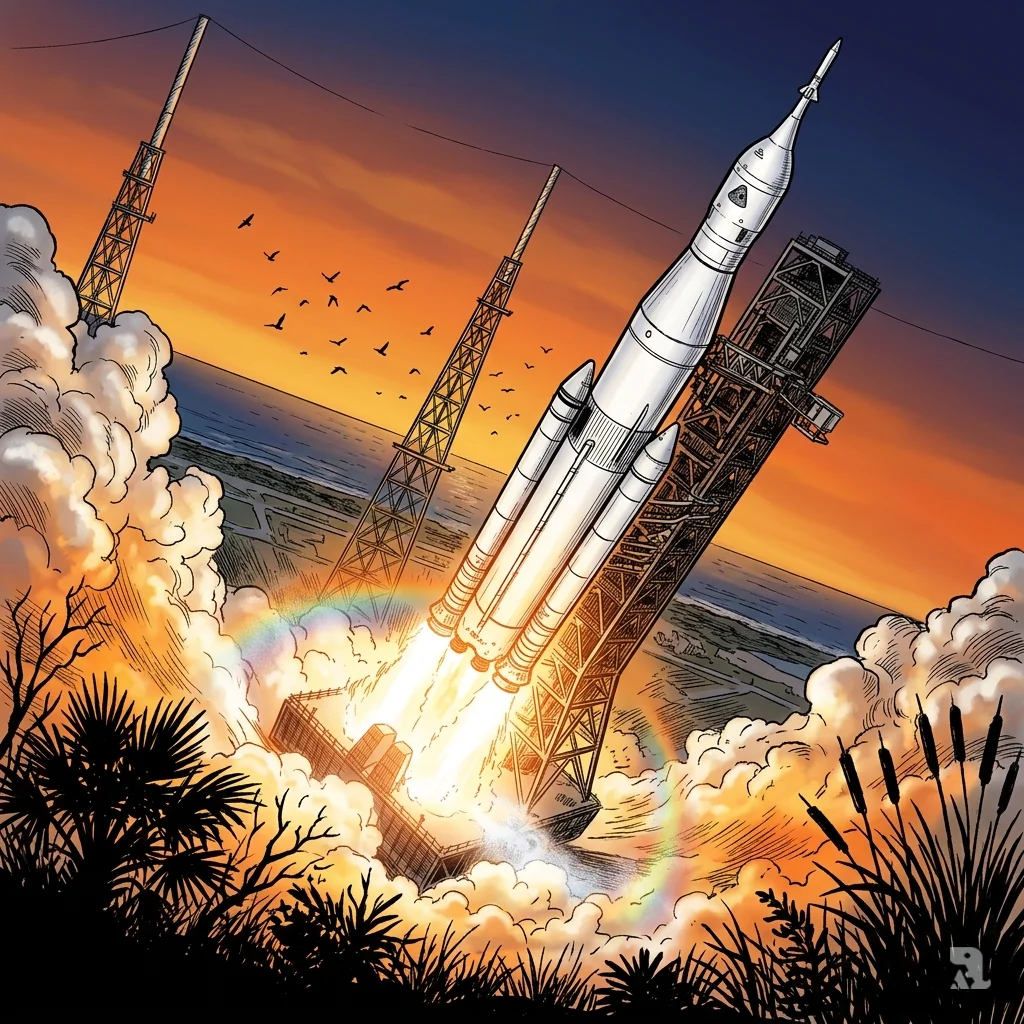
On April 1, 2026, at 6:35 PM, NASA’s Artemis II crew lifted off aboard the Space Launch System rocket from Kennedy Space Center, Florida — marking the first crewed mission beyond low Earth orbit since 1972.
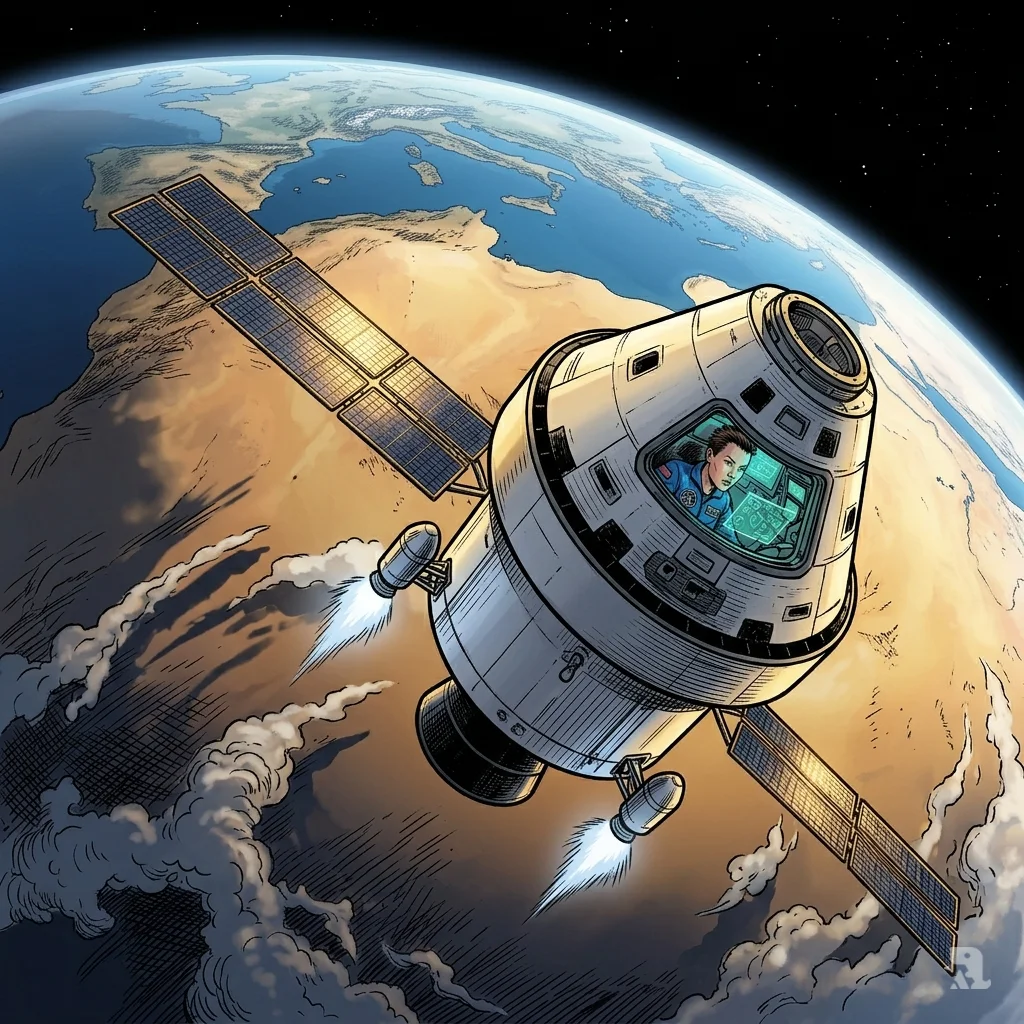
Before committing to the moon, the crew completed a perigee raise burn — a critical positioning maneuver that placed Orion in the exact orbital geometry required for the upcoming translunar injection burn.
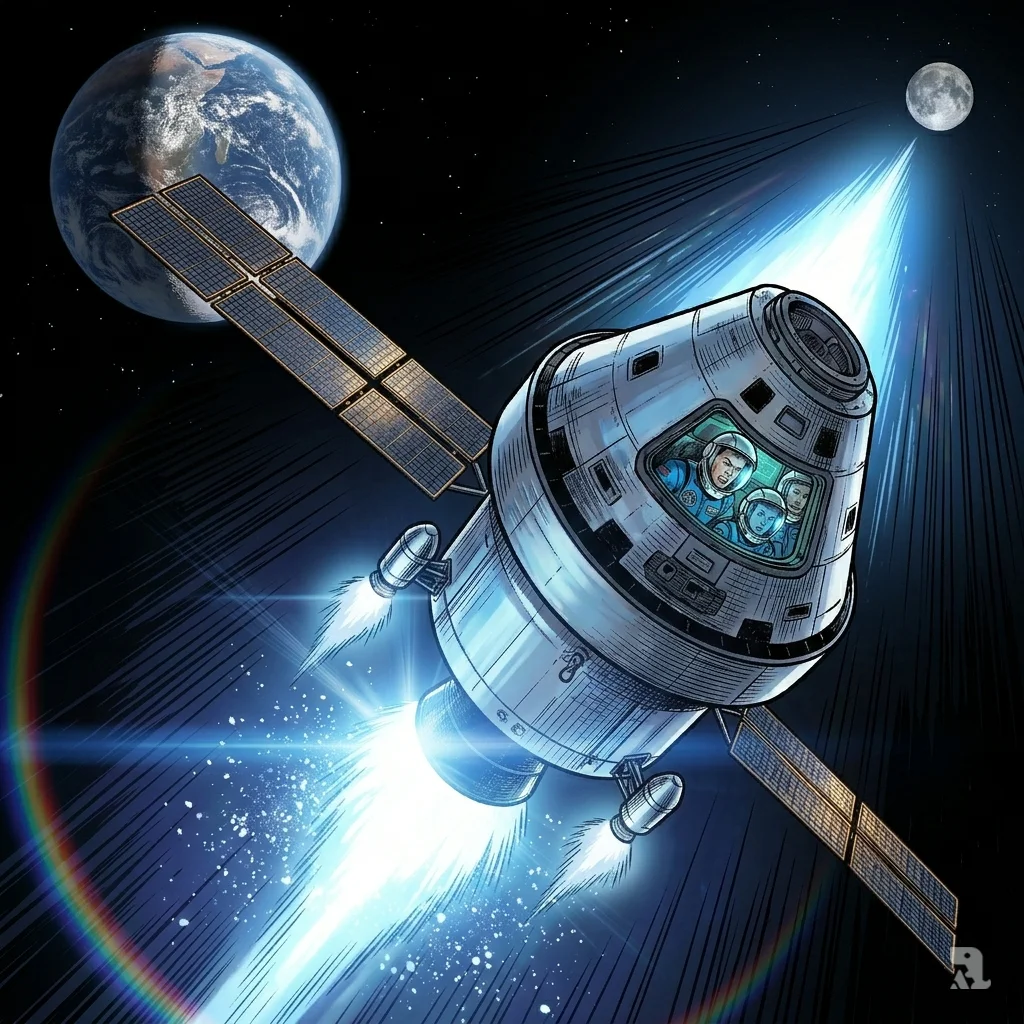
The translunar injection burn — the most critical engine firing of the entire mission — lasted several minutes, propelling Orion out of Earth’s orbit and onto a direct path toward the moon.
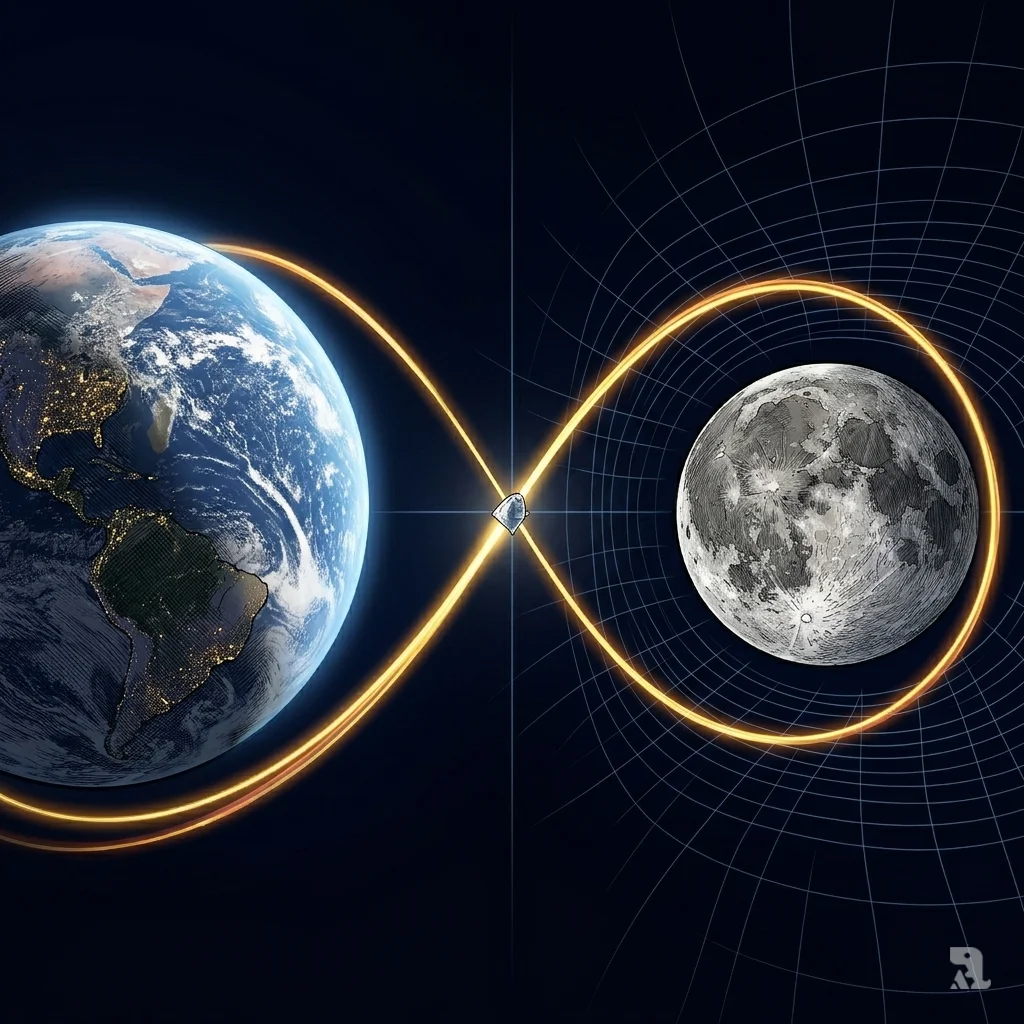
NASA confirmed the burn placed Orion on a “free-return trajectory” — a flight path that loops around the moon and naturally returns to Earth, requiring no additional major propulsion to come home.
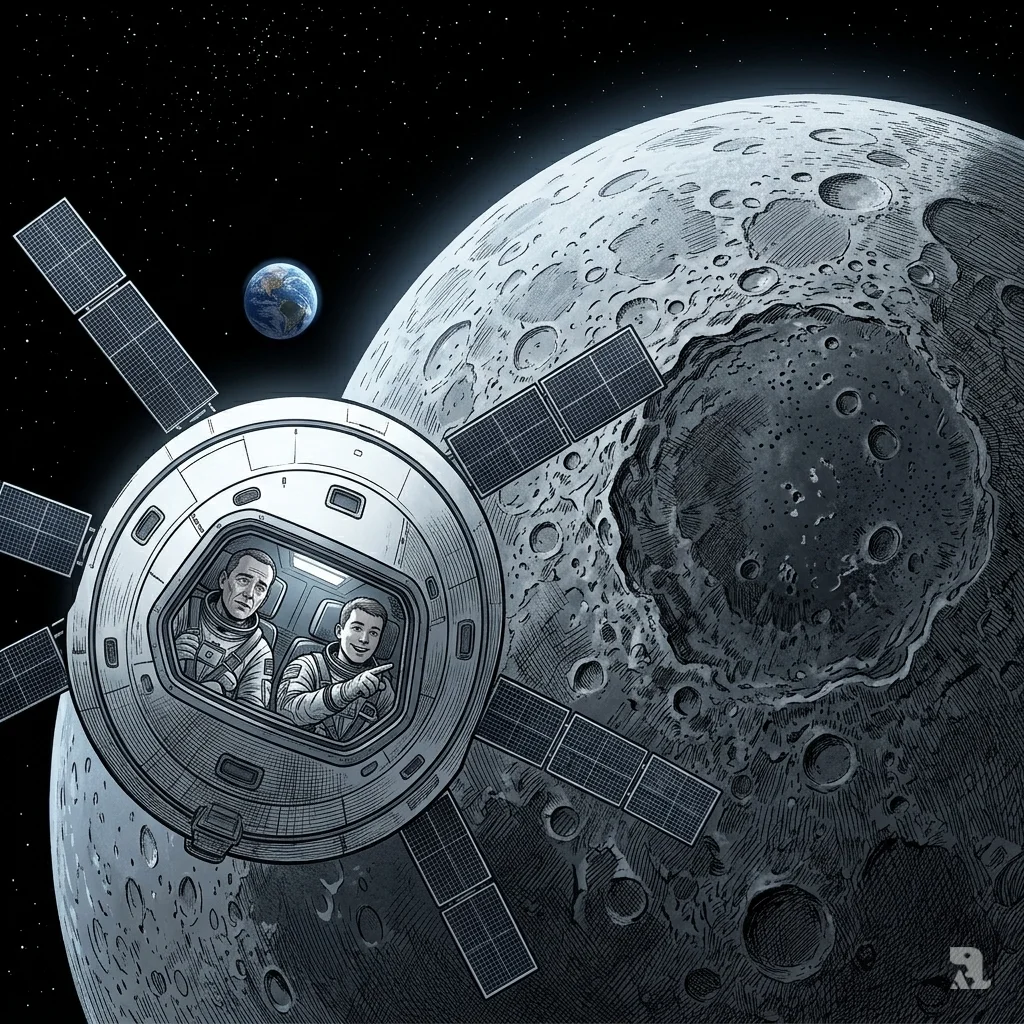
Over the next several days, Orion will travel toward the moon, with NASA planning trajectory correction maneuvers. As it approaches, the moon’s gravity will take over — pulling the spacecraft around the far side.
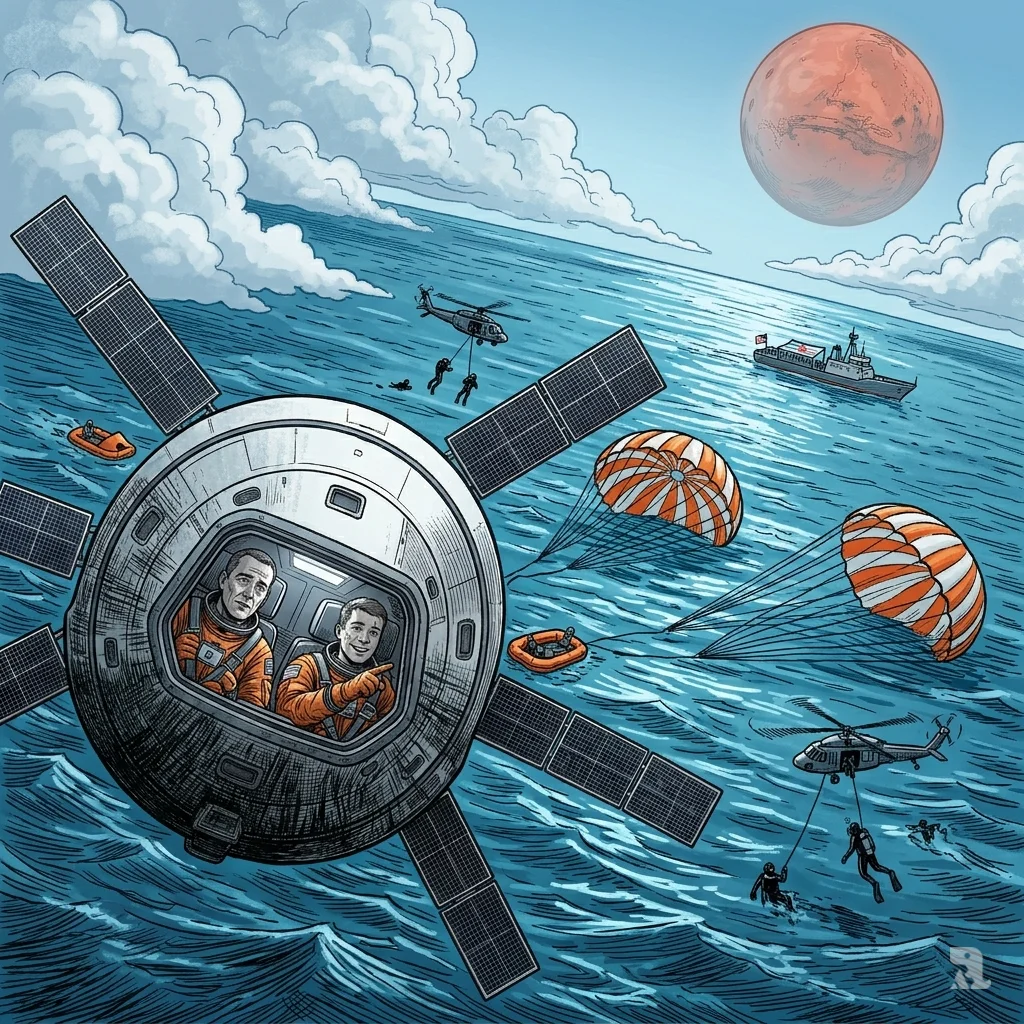
Though Artemis II won’t land on the moon, it tests critical systems for future lunar missions. The crew will swing around the moon before splashing down in the Pacific Ocean — paving the way to Mars.