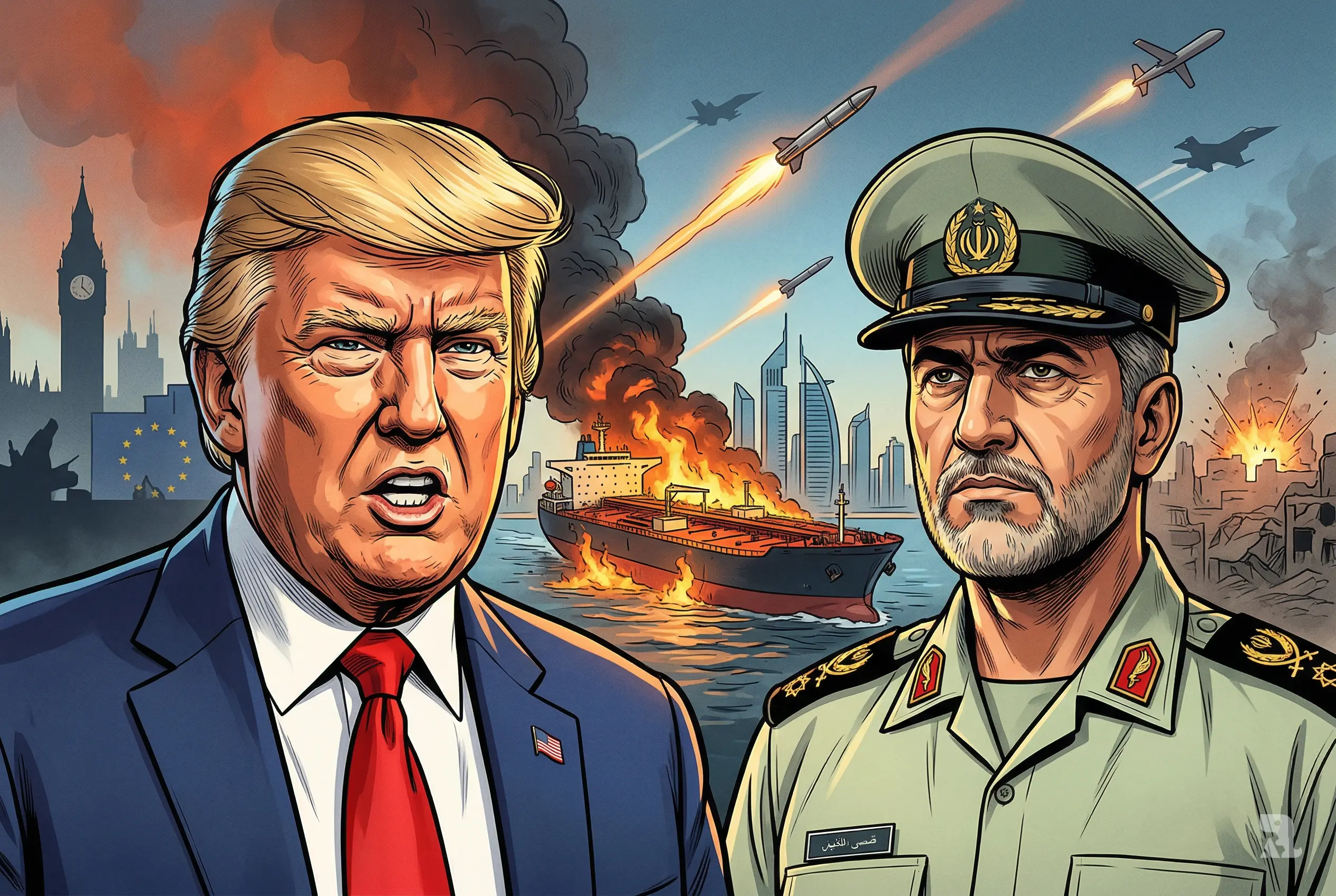
Iran’s Supreme Leader Killed — Regime Faces Collapse or Military Takeover?
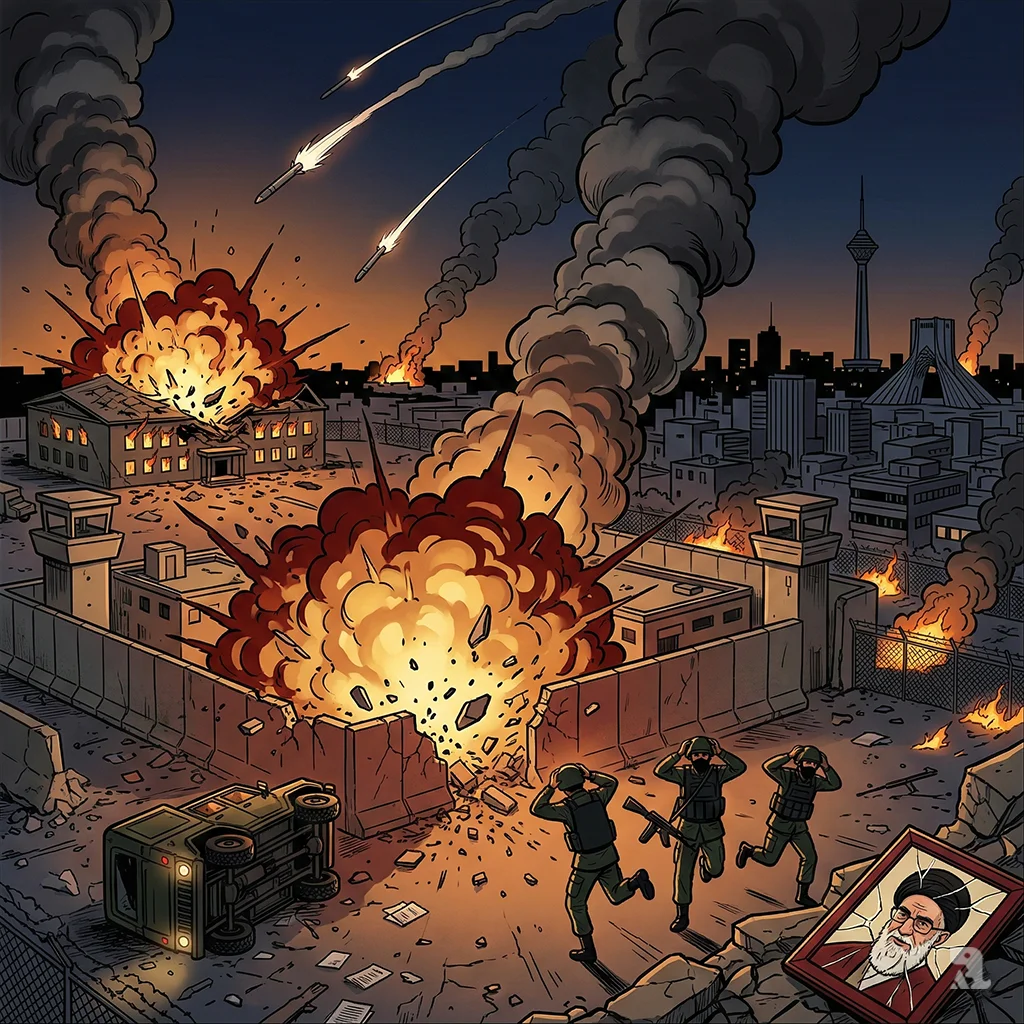
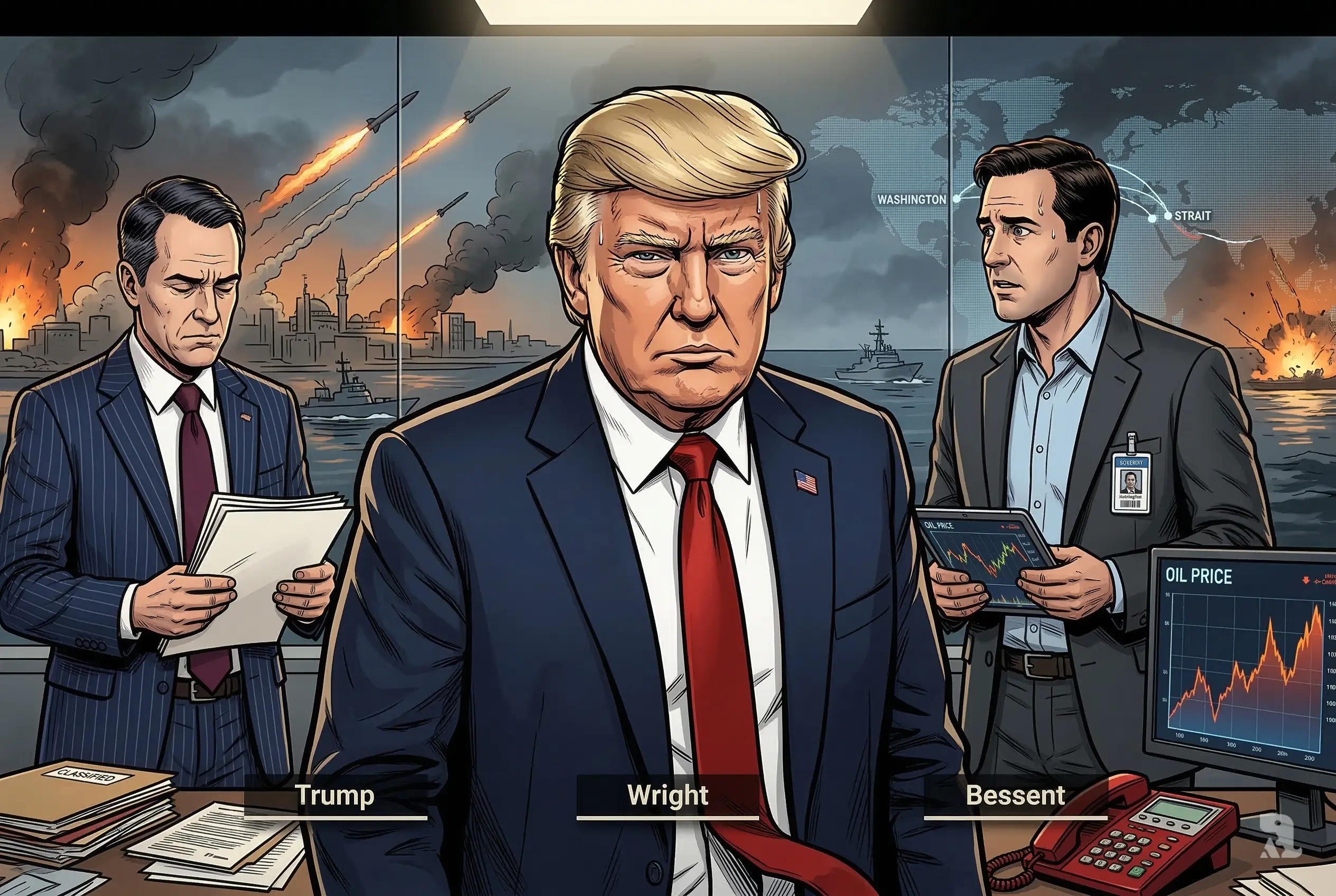
In the early hours of Saturday, joint U.S. and Israeli airstrikes hit Tehran’s key military and government sites. Ayatollah Ali Khamenei, Mohammad Pakpour, and Ali Shamkhani were killed, effectively cutting off Iran’s top leadership in one massive operation.
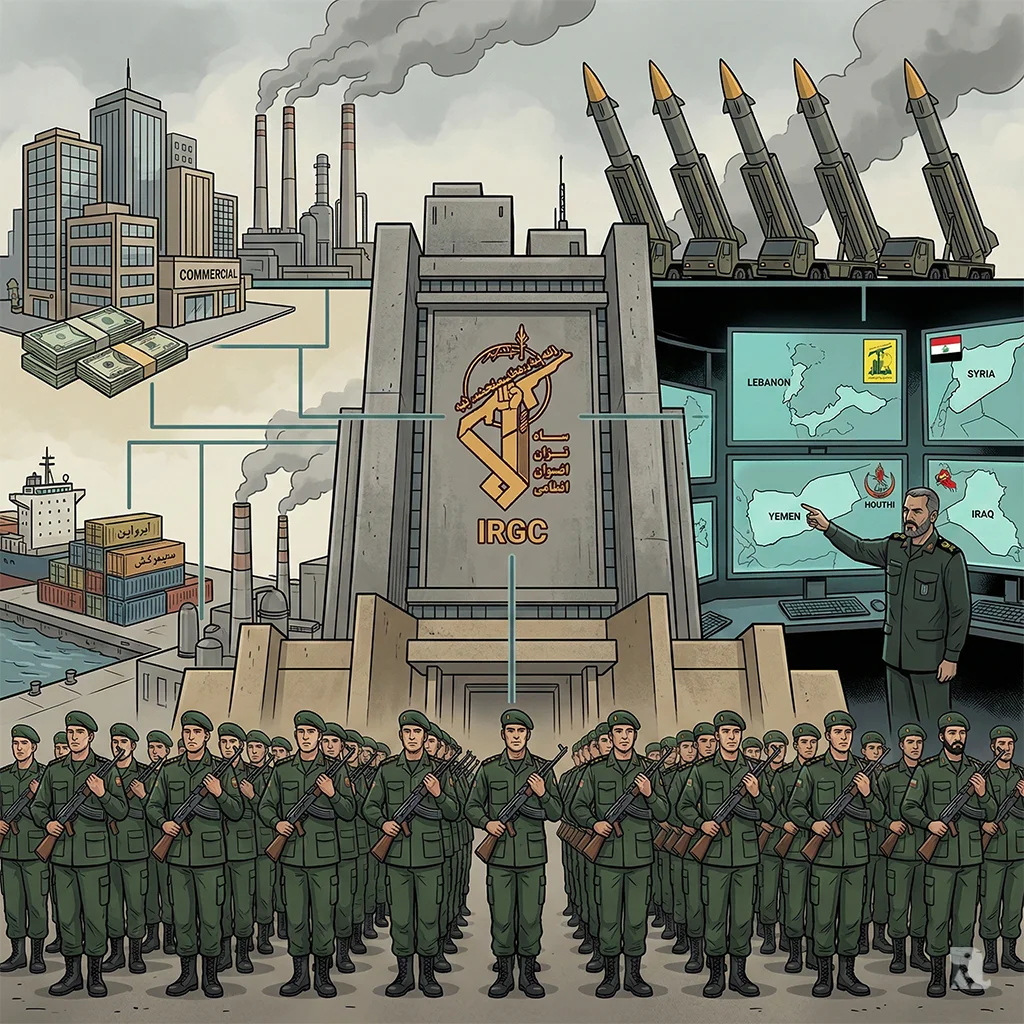
The IRGC is not just an army but a 200,000-strong force acting like a parallel government. It controls Iran’s missile program, runs economic networks, and through the Quds Force, manages proxy groups like the Houthis.
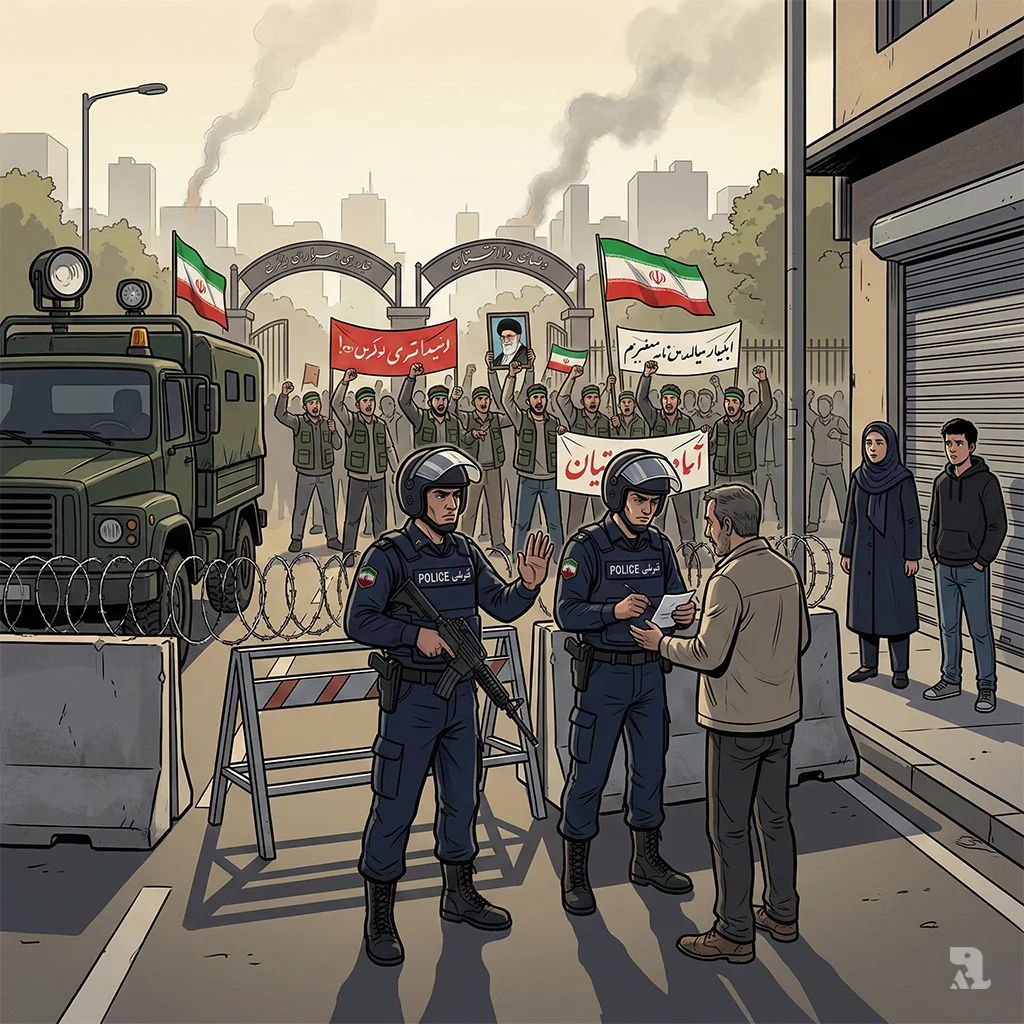
After the strikes on Saturday, Iran’s security forces moved fast. Police created checkpoints across Tehran, while the Basij held pro-regime rallies at universities, blocking anti-government protests during the crisis.
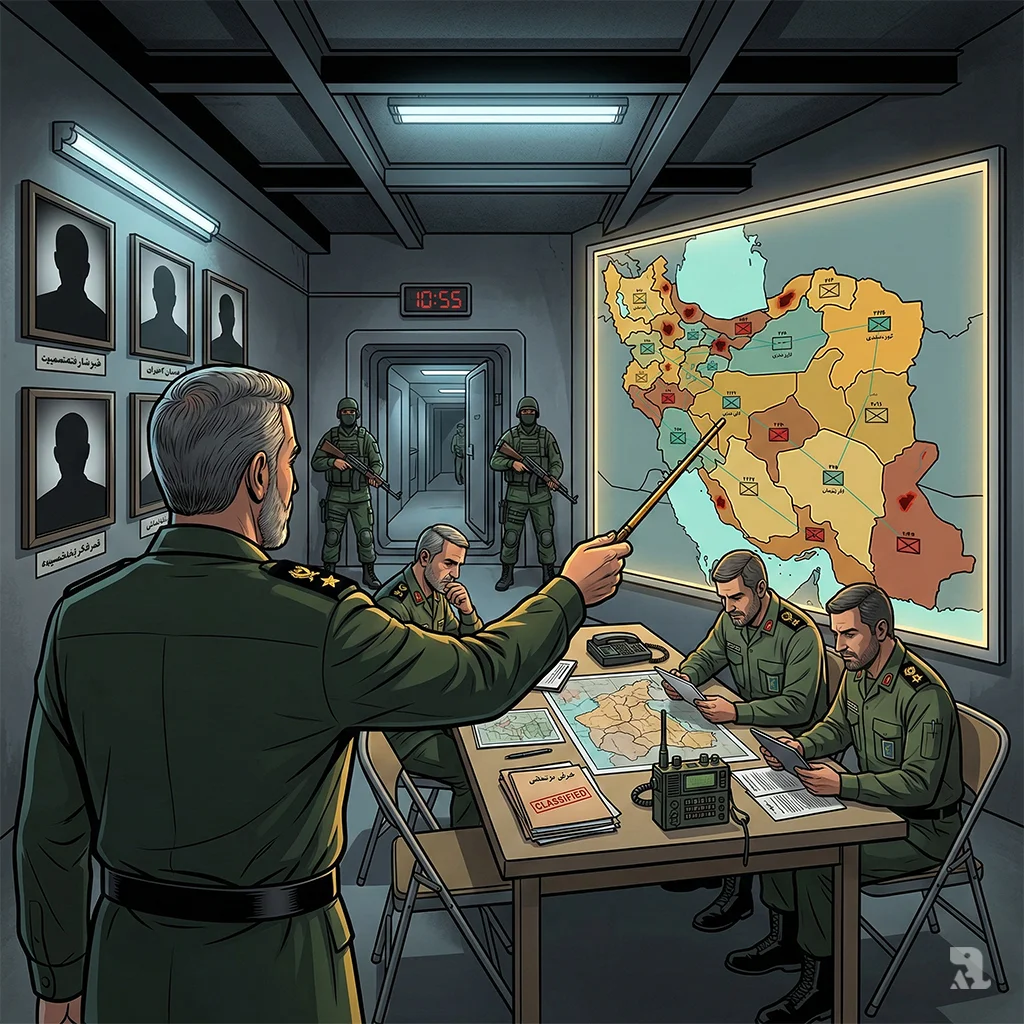
Iran’s leadership had planned for such an attack. The IRGC launched its mosaic defense strategy, letting regional commanders act independently. The regime also prepared 4 layers of leadership replacements to maintain control under attack.
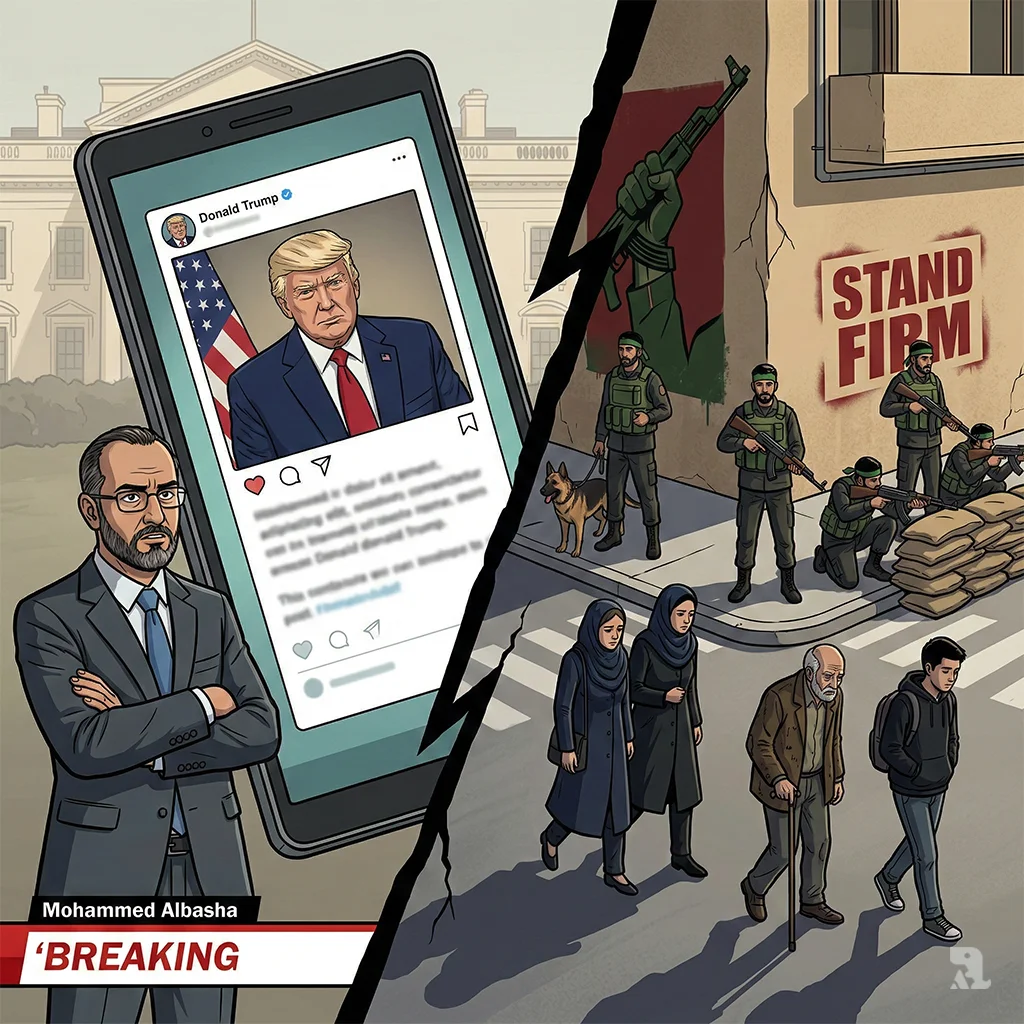
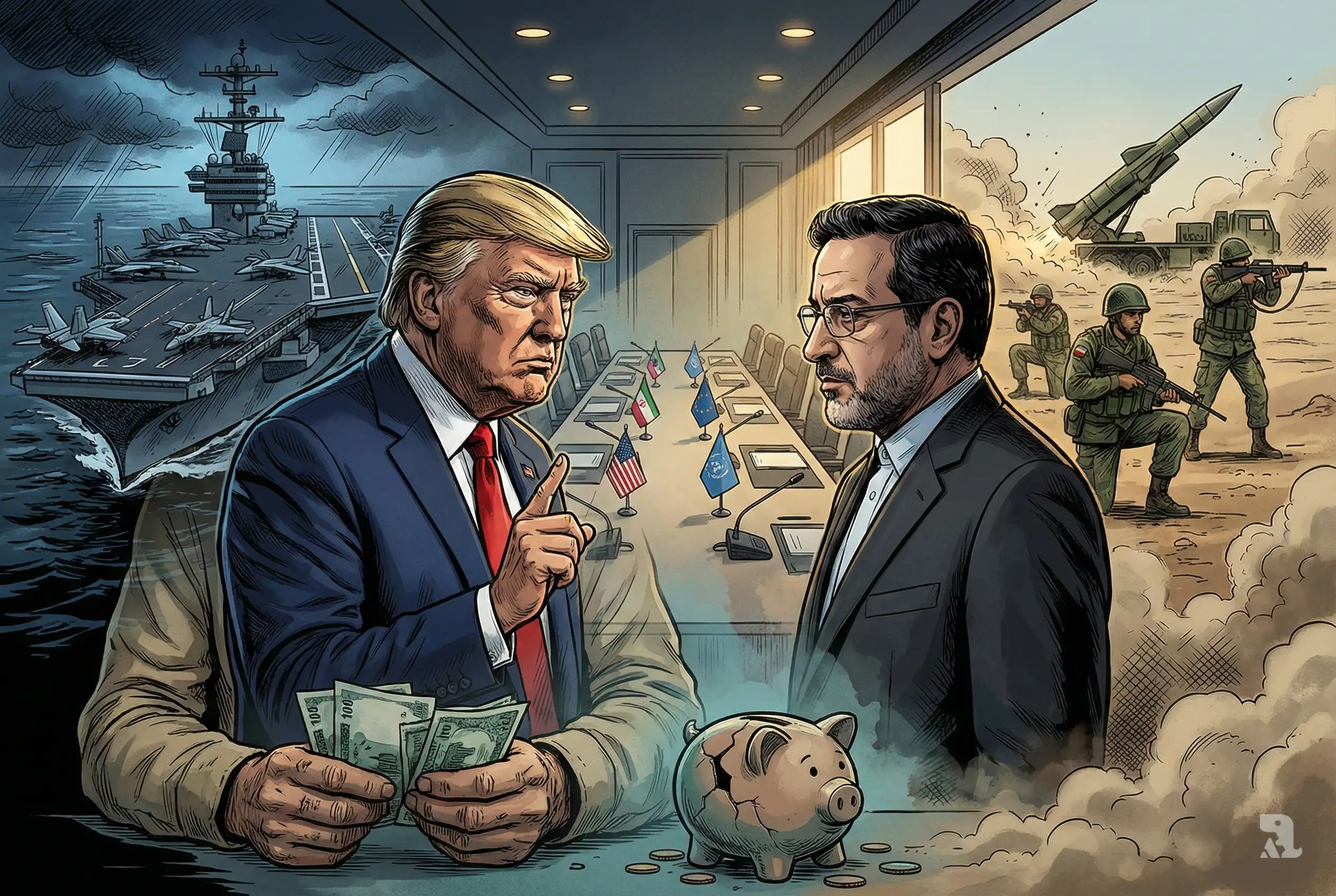
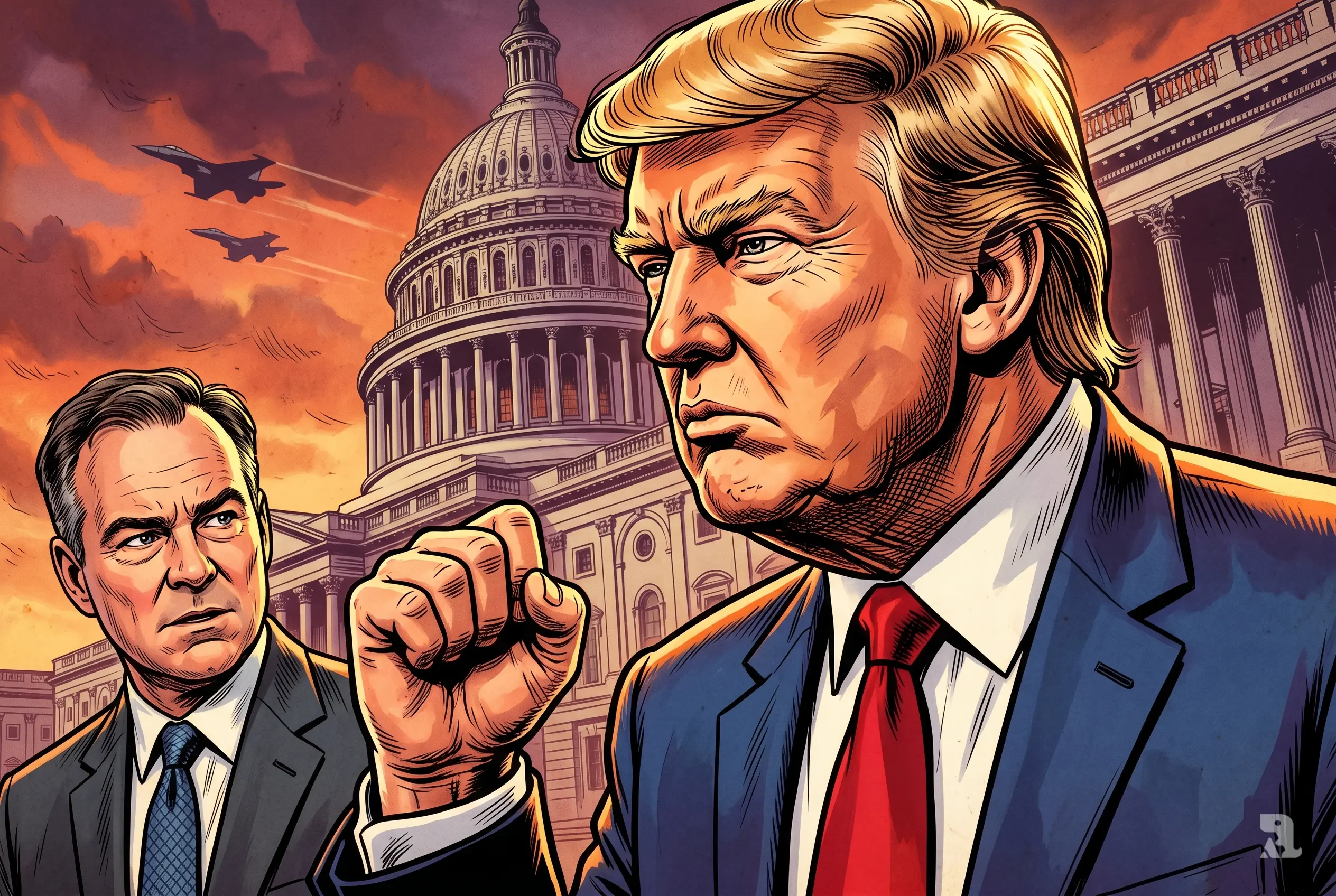
President Trump asked the IRGC and police to merge peacefully with citizens. Analysts said this was unlikely. The IRGC remains highly radicalized, and without ground troops, removing the regime would be extremely difficult.
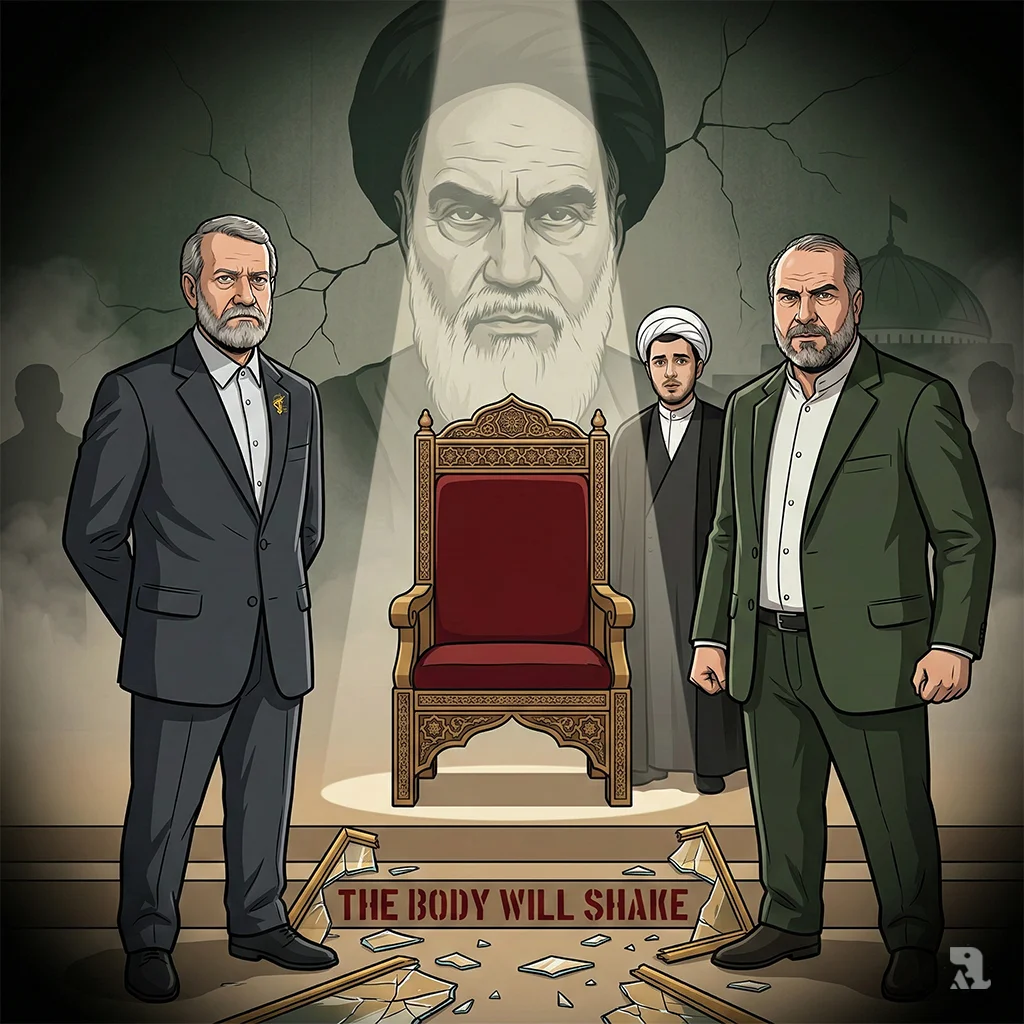
With Khamenei dead, Iran faces a dangerous power vacuum. Ali Larijani and Mohammad Bagher Ghalibaf lead the race, while Hassan Khomeini lacks influence. Experts warn more killings could shake the system, but otherwise military rule may rise.