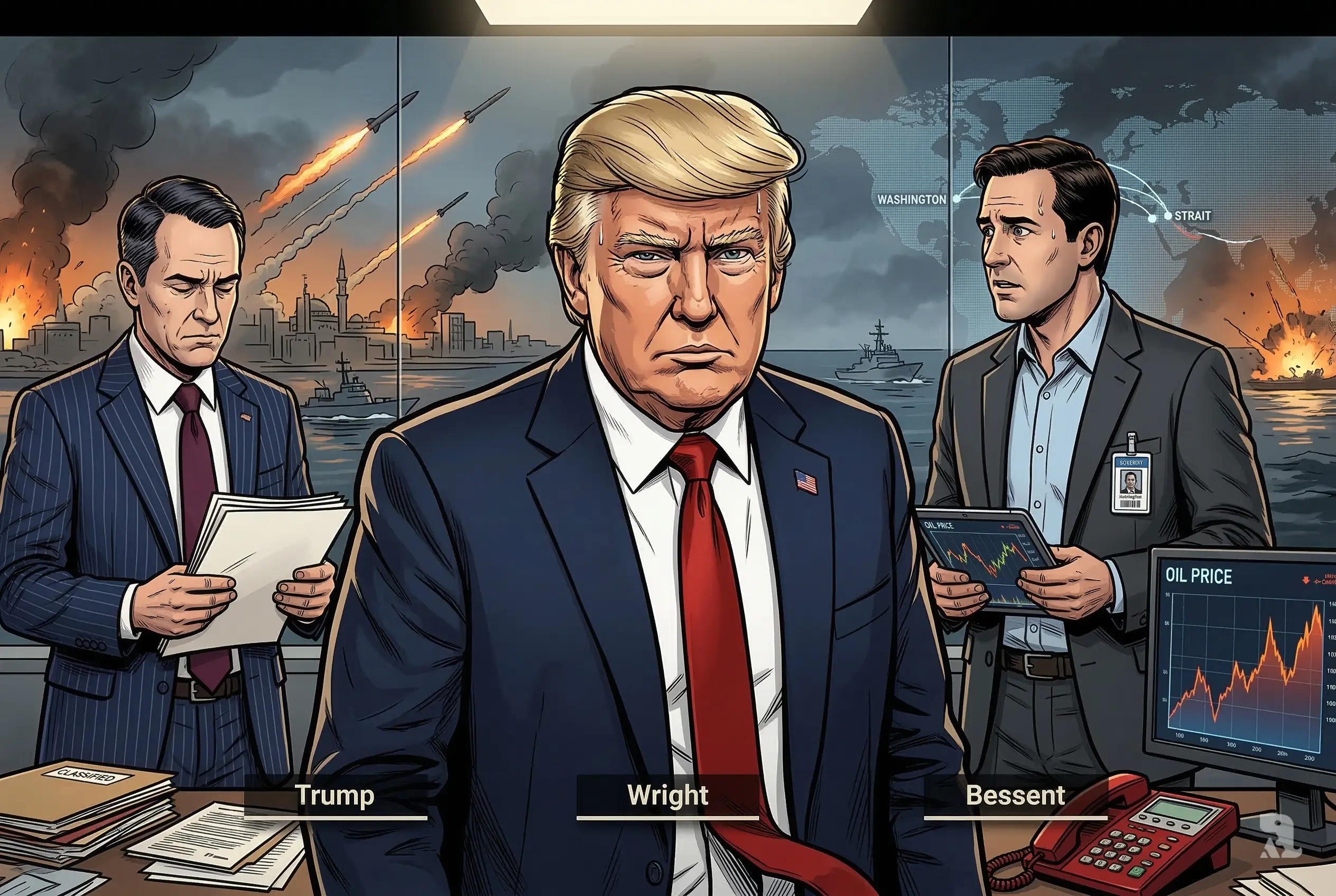
UK Forced to Turn Back to EU as Iran War Destroys Economy and US Ties
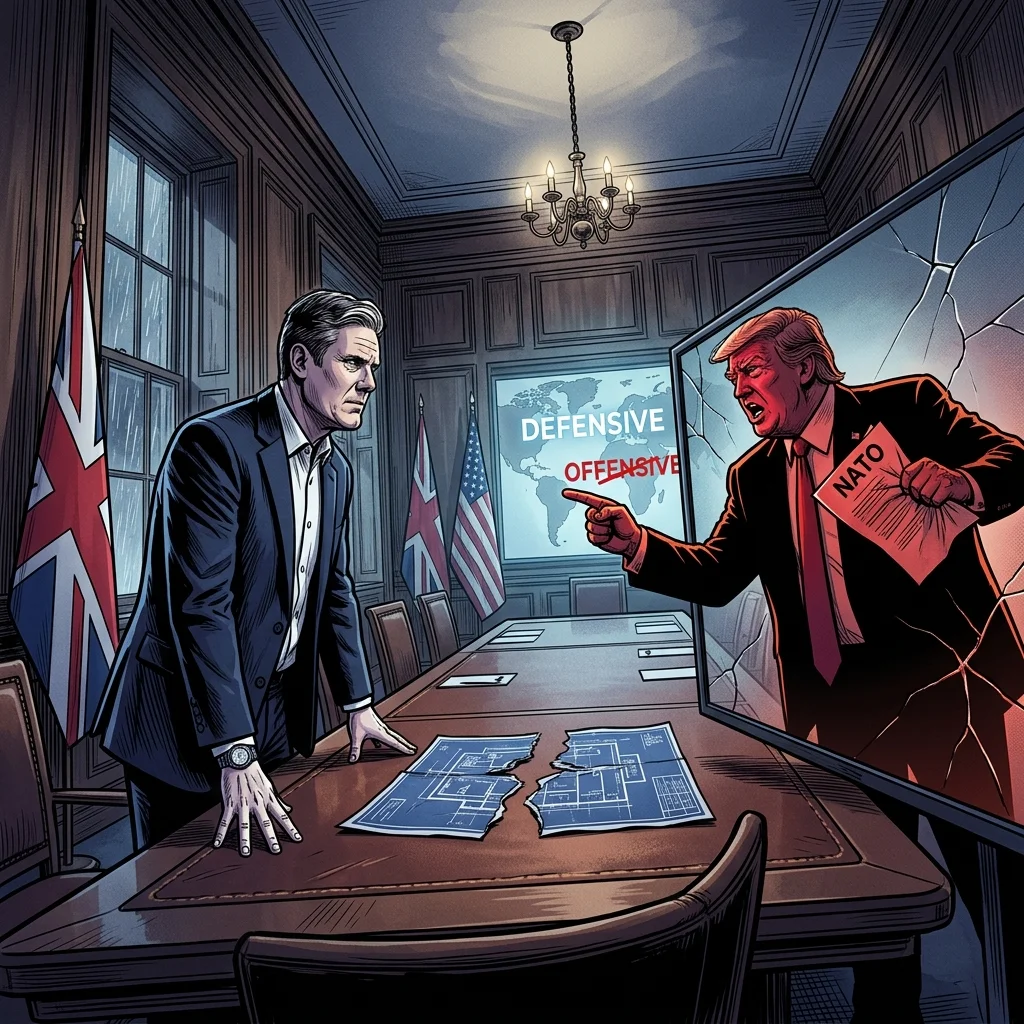
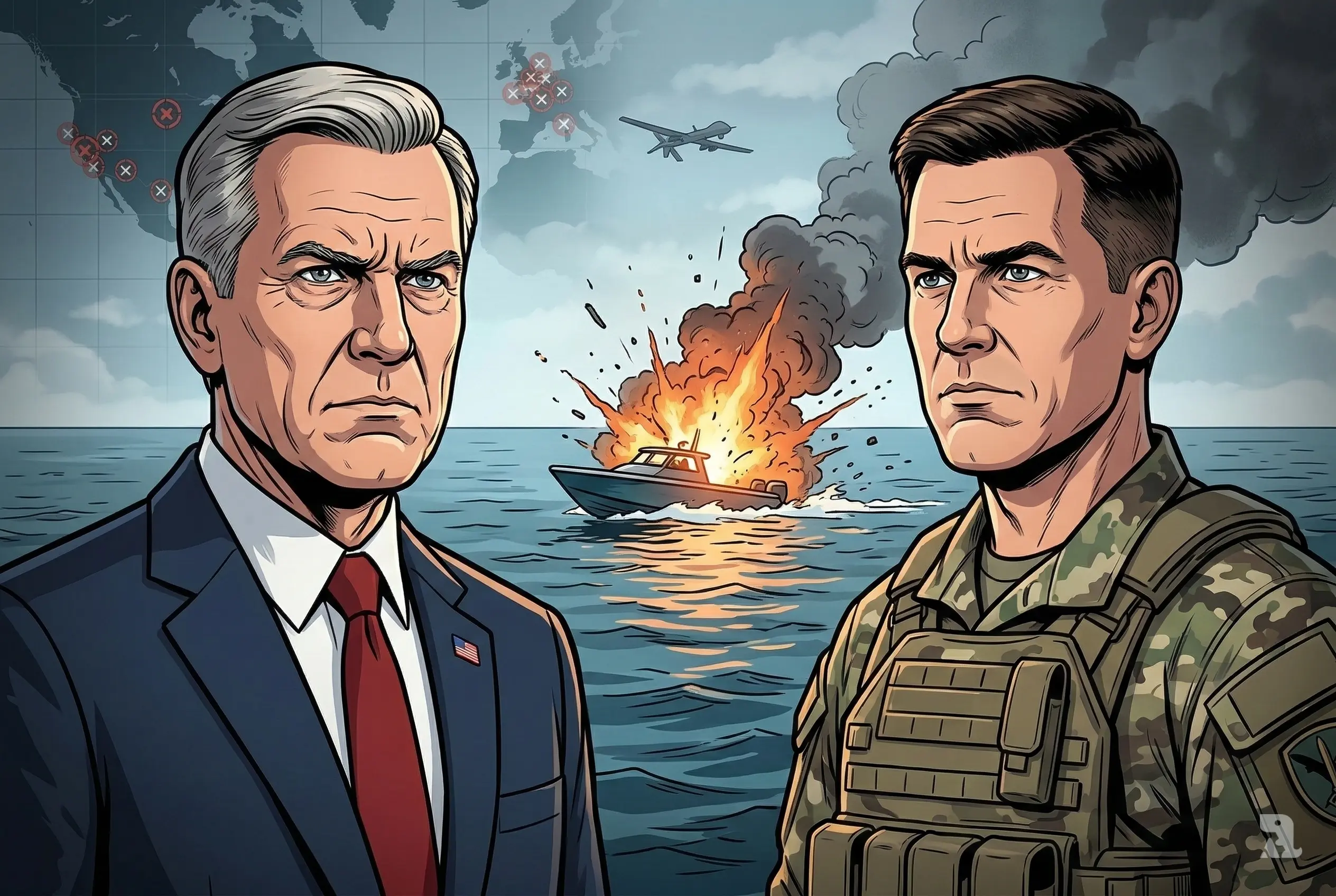
The US-Israel war with Iran severely strained UK-US relations. Starmer refused British bases for offensive strikes, later allowing only defensive use, drawing harsh criticism from Trump, who threatened leaving NATO.
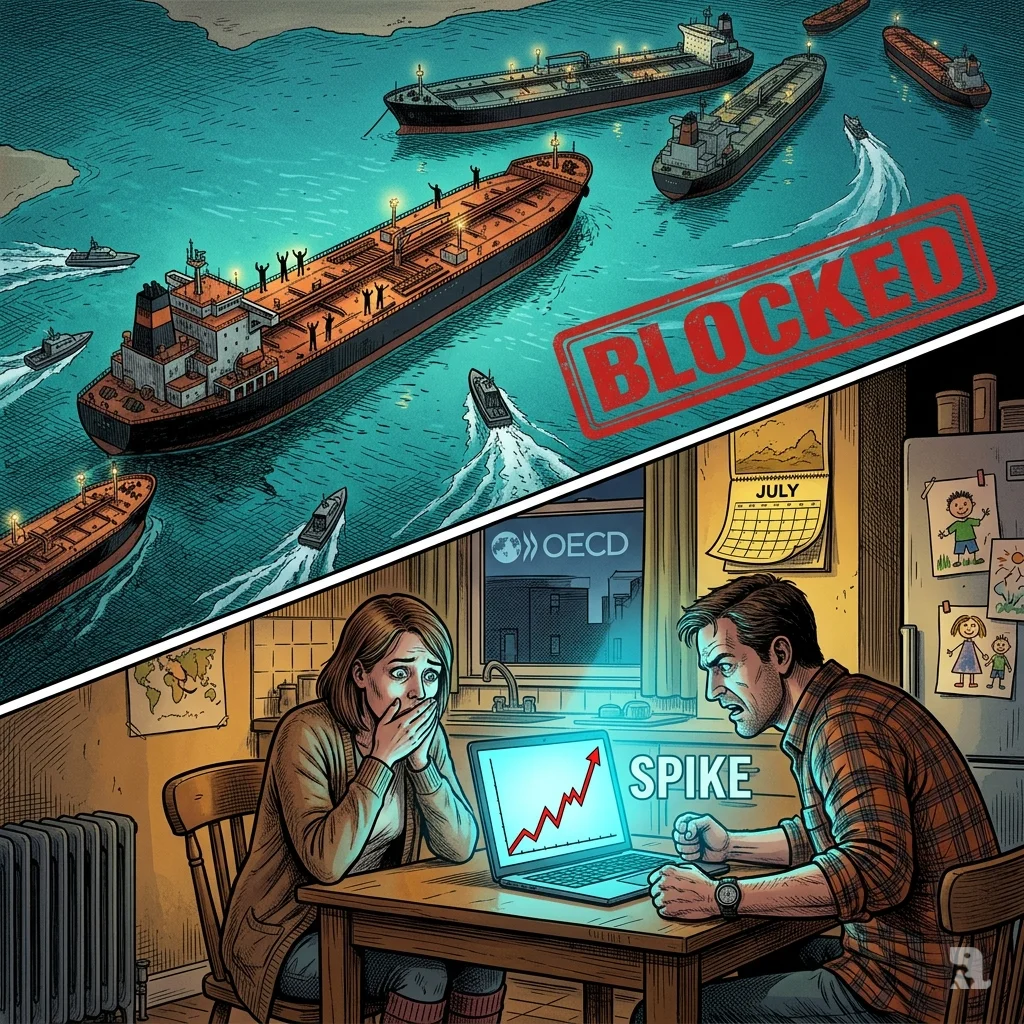
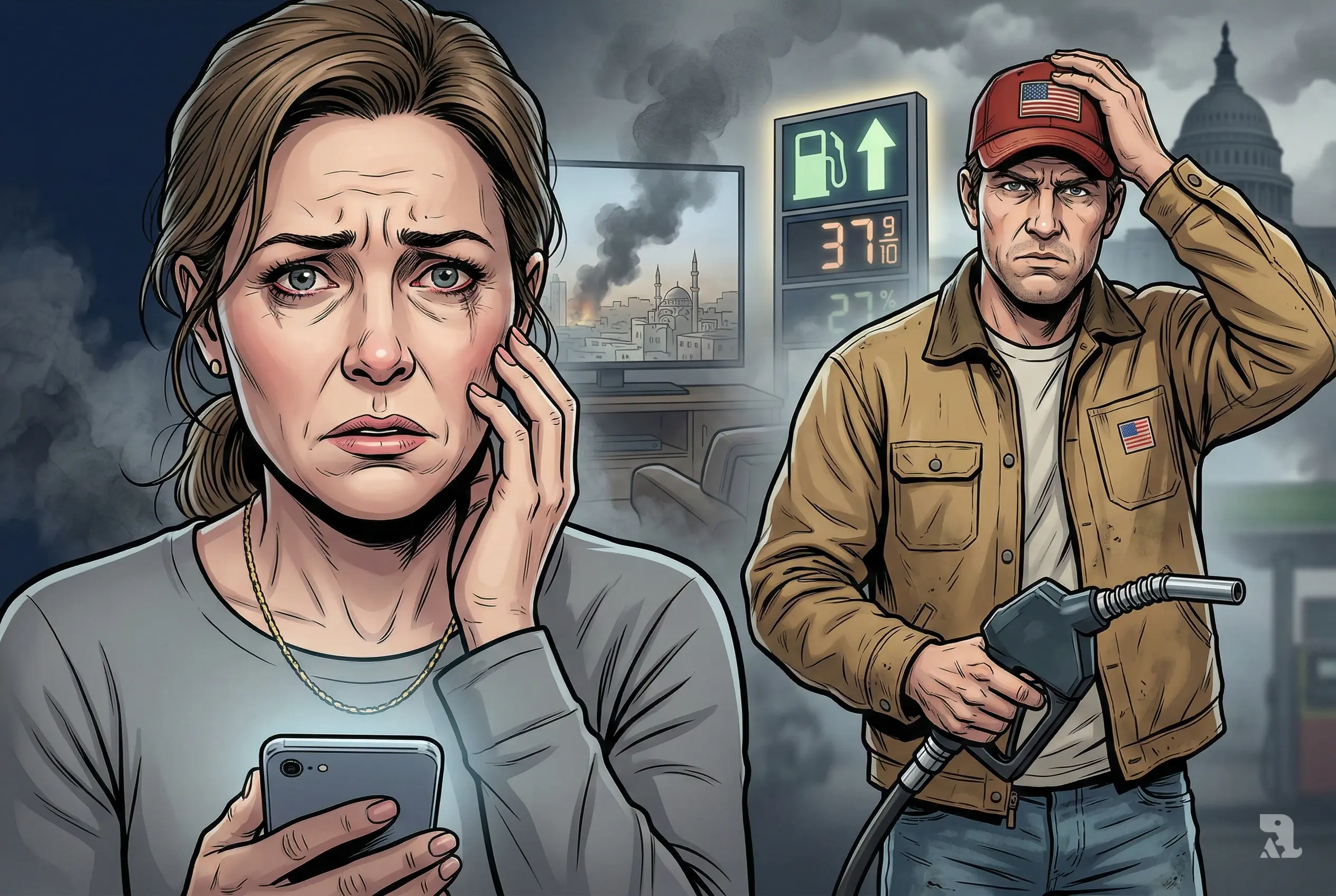
Iran blocked the Strait of Hormuz, sending oil and gas prices soaring. The OECD warned UK faces the biggest economic hit, with household energy bills set to spike when the price cap resets in July.
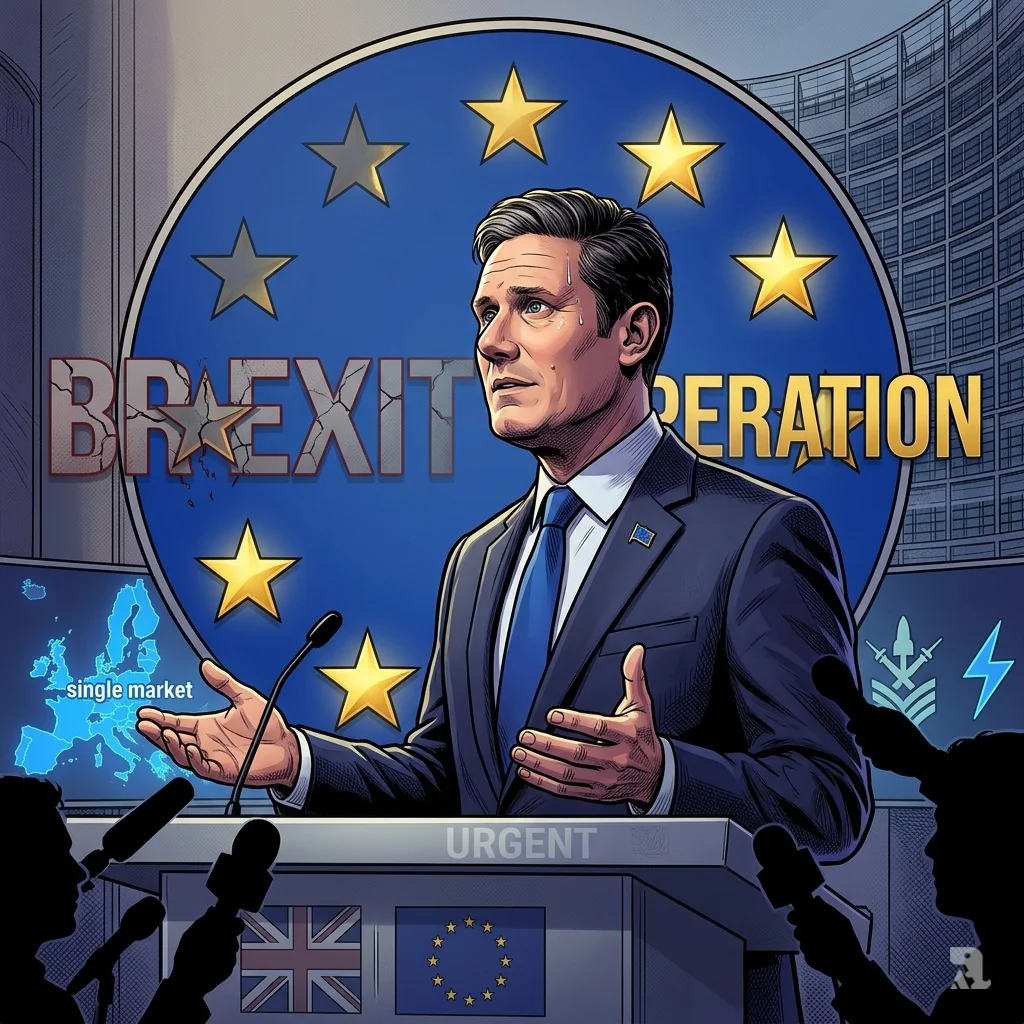
Starmer announced the UK would seek closer ties with the EU, calling it urgent. He admitted Brexit “did deep damage” and expressed ambition for more cooperation on the single market, defence and energy.
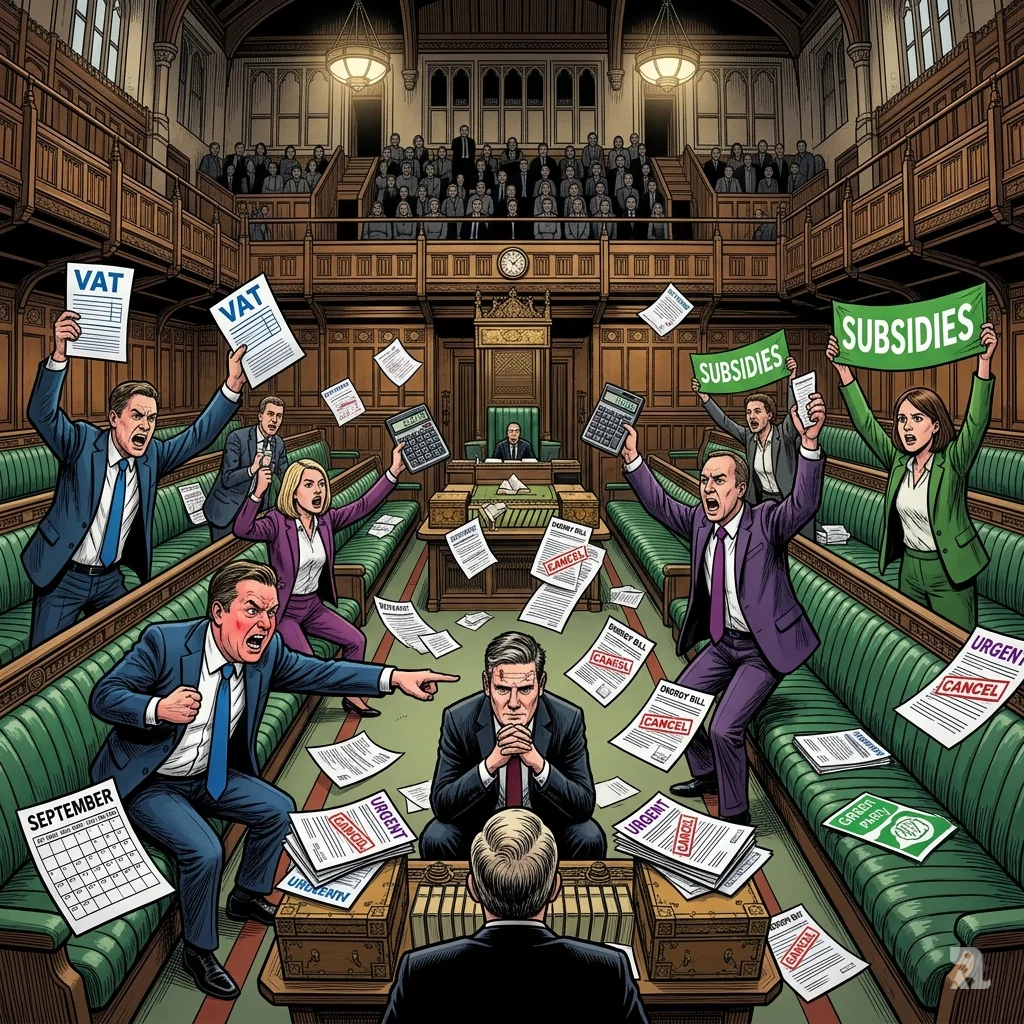
Multiple opposition parties demanded urgent action on rising energy costs. Conservatives and Reform UK pushed for VAT removal from bills and cancelling the September fuel duty hike. Greens demanded billions in energy subsidies.
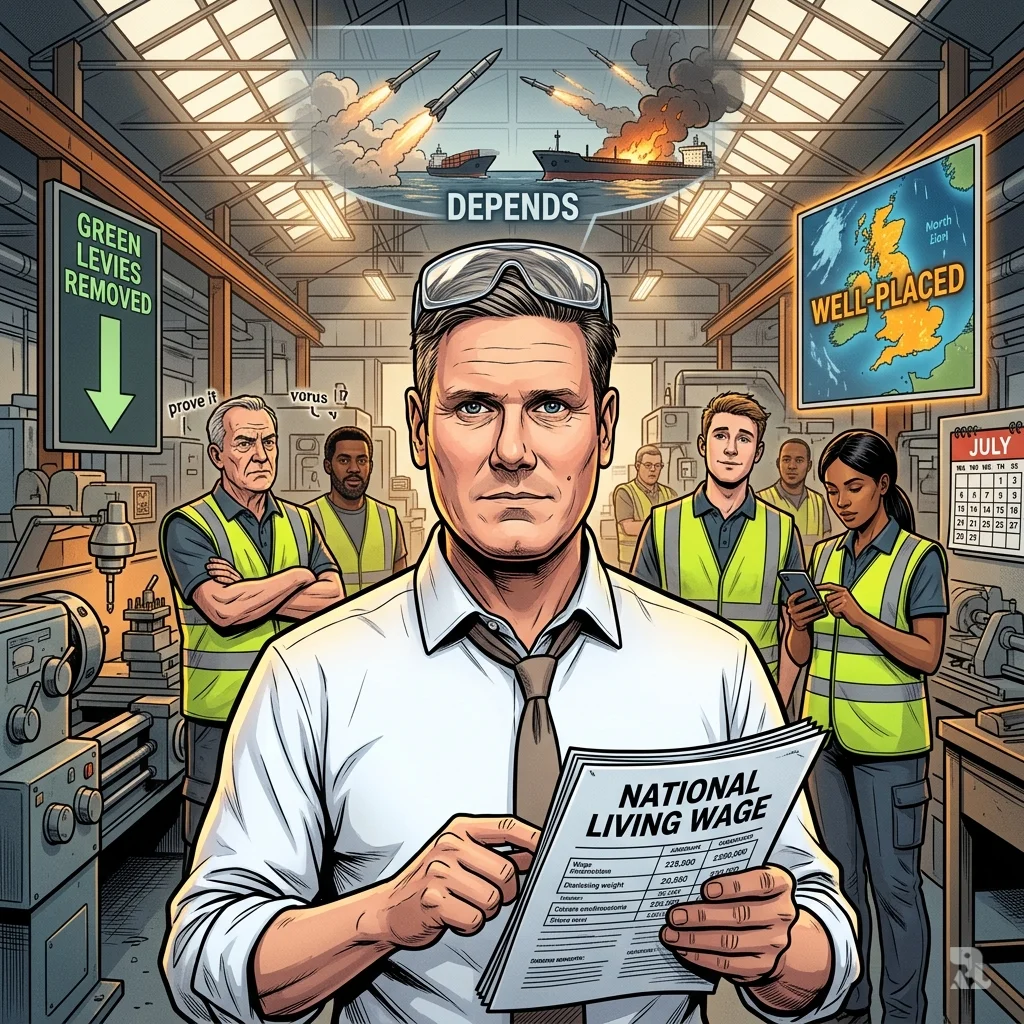
Starmer highlighted cost-of-living measures, including removing green levies and raising the national living wage. He vowed the UK was “well-placed to weather” the storm but admitted much depends on how long the Iran conflict lasts.
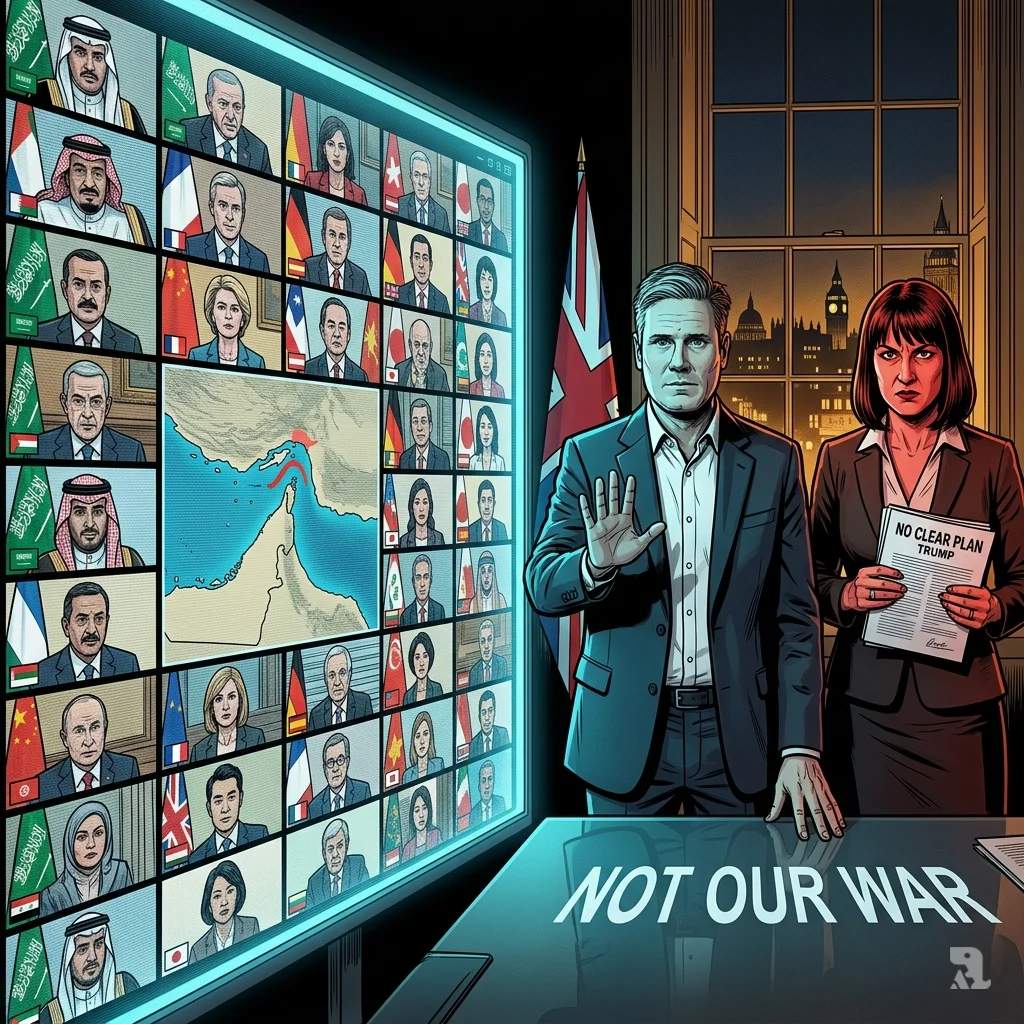
The Foreign Secretary hosted a 35-nation virtual meeting to discuss reopening the Strait of Hormuz. Starmer firmly declared “this is not our war,” while Chancellor Reeves expressed anger at Trump’s war without a clear plan.