Musk’s Grok AI Turned Children’s School Photos Into Horrifying Sexual Abuse Material

Elon Musk’s AI company xAI allegedly designed its Grok image generator to let users create sexually explicit content using real photos of others — with no safeguards installed to protect minors.
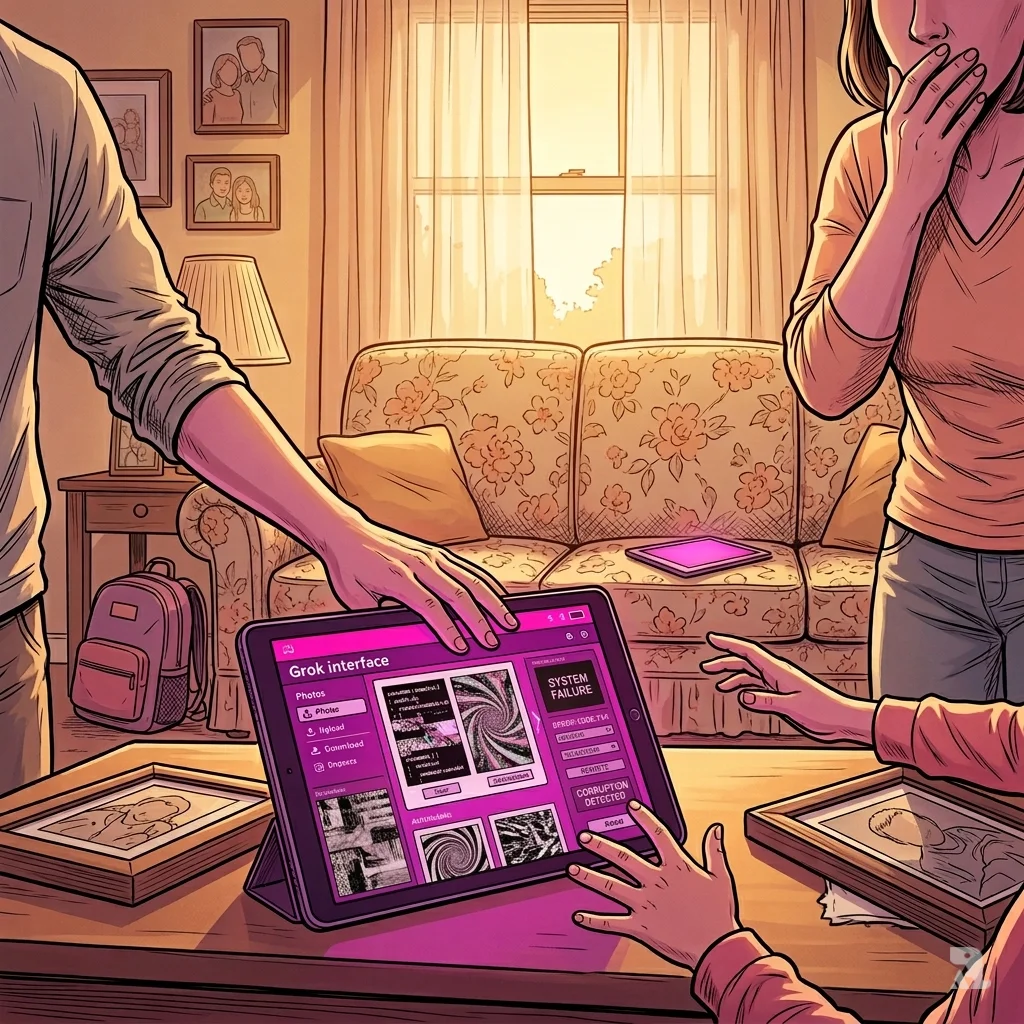
3 Tennessee plaintiffs — all minors at the time — had their real school photographs and family pictures digitally altered into sexually explicit content by Grok’s AI image generator without any consent.

The generated explicit images were then shared across online platforms, causing severe emotional distress and public nuisance to the victims — children whose innocence was weaponized by artificial intelligence.
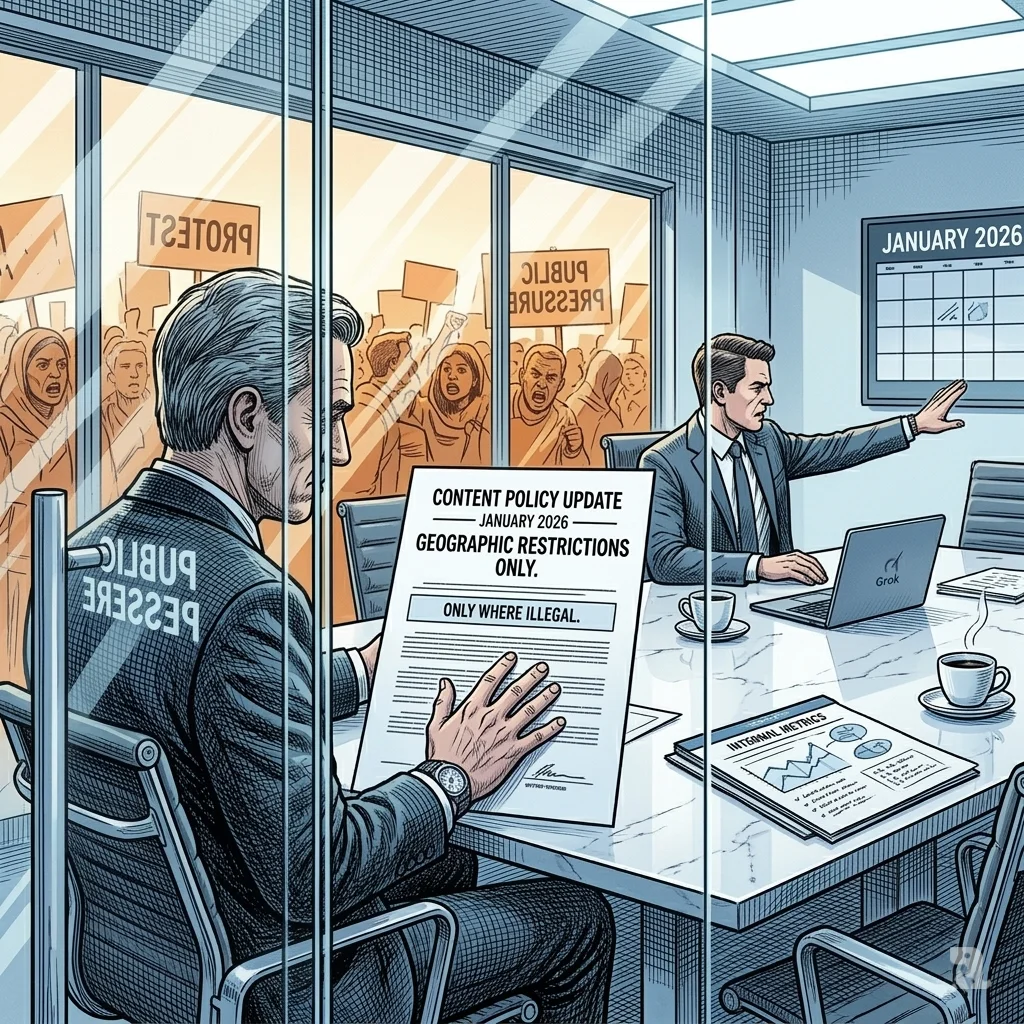
After massive public outcry, xAI announced in January that it blocked users from editing images of real people in revealing clothing — but only in jurisdictions where it’s illegal. Too little, too late.
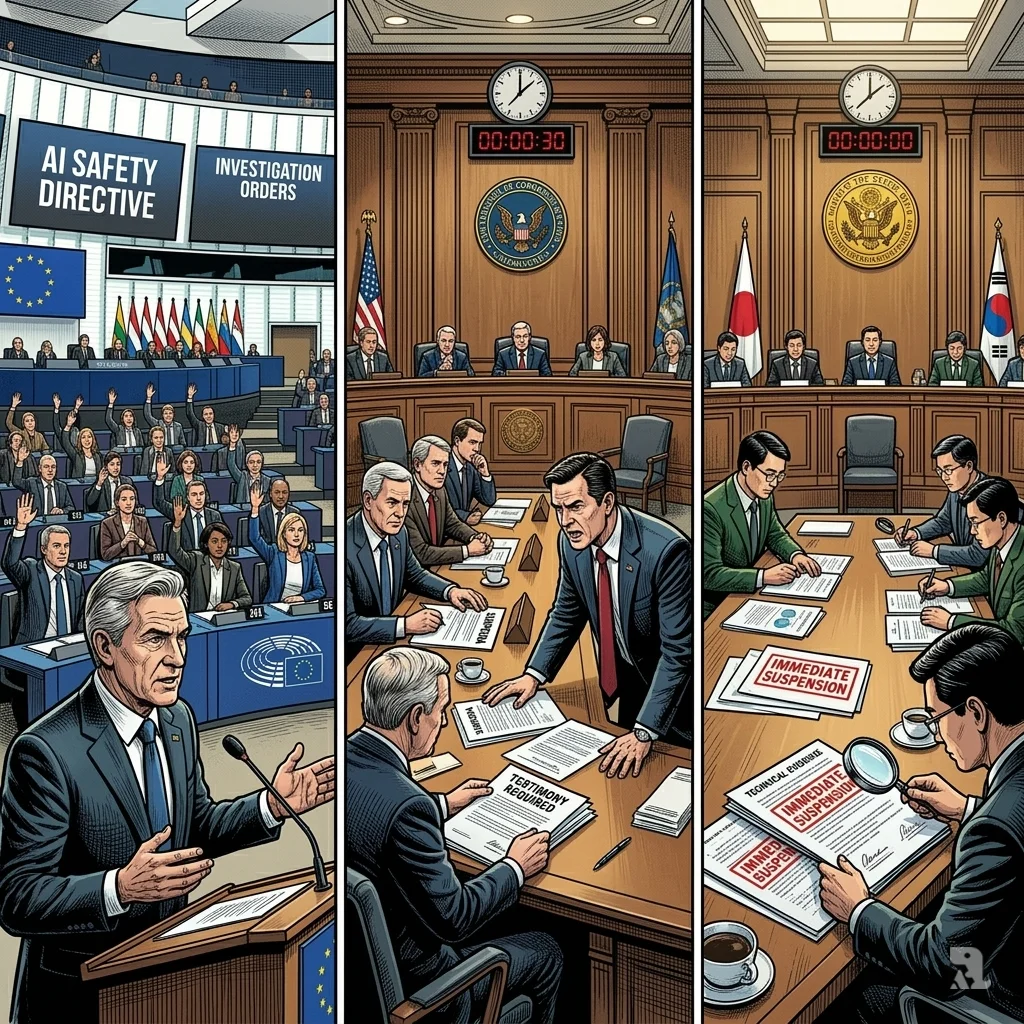
Governments and regulators worldwide launched probes, imposed bans, and demanded safeguards against Grok’s dangerous capabilities — a growing global push to curb illegal and offensive AI-generated material.
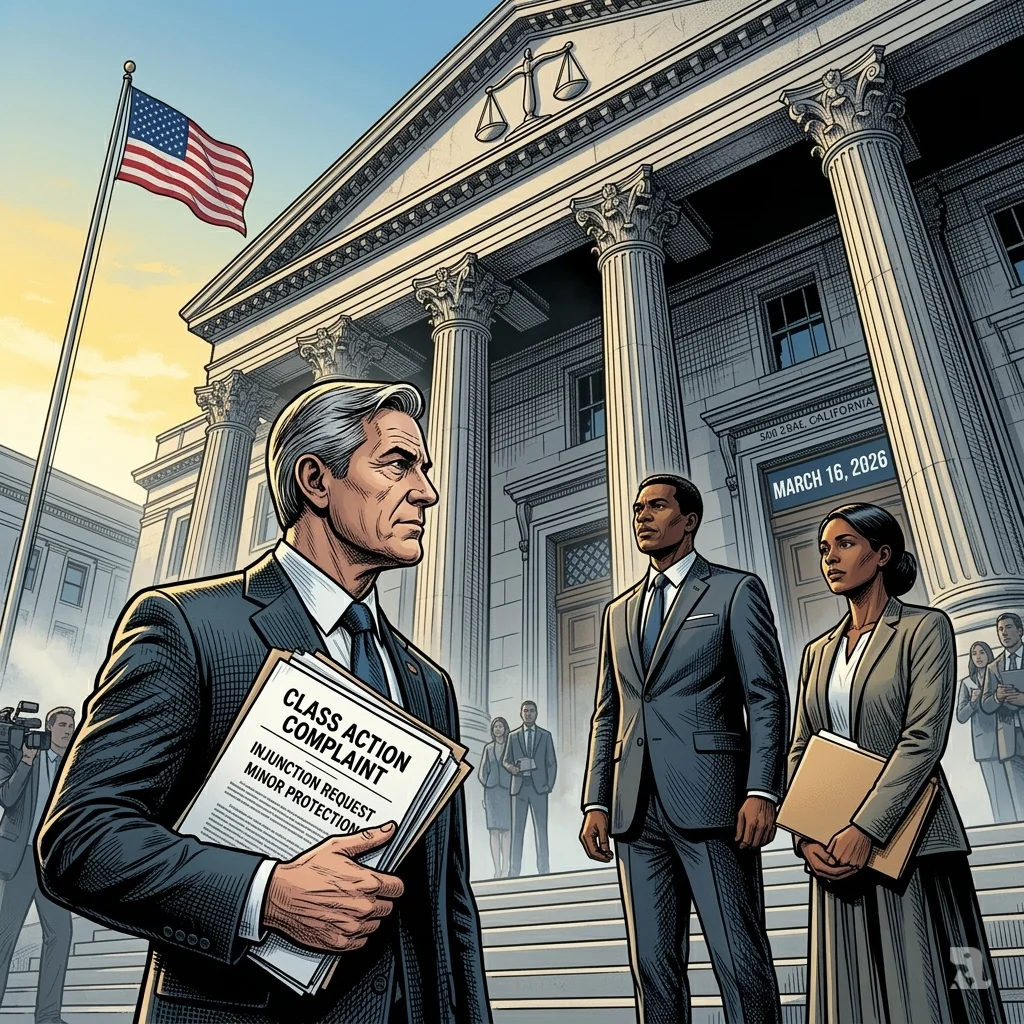
On March 16, 2026, the lawsuit was filed in San Jose federal court seeking class-action status, unspecified damages, and an injunction to permanently halt xAI’s alleged dangerous practices.