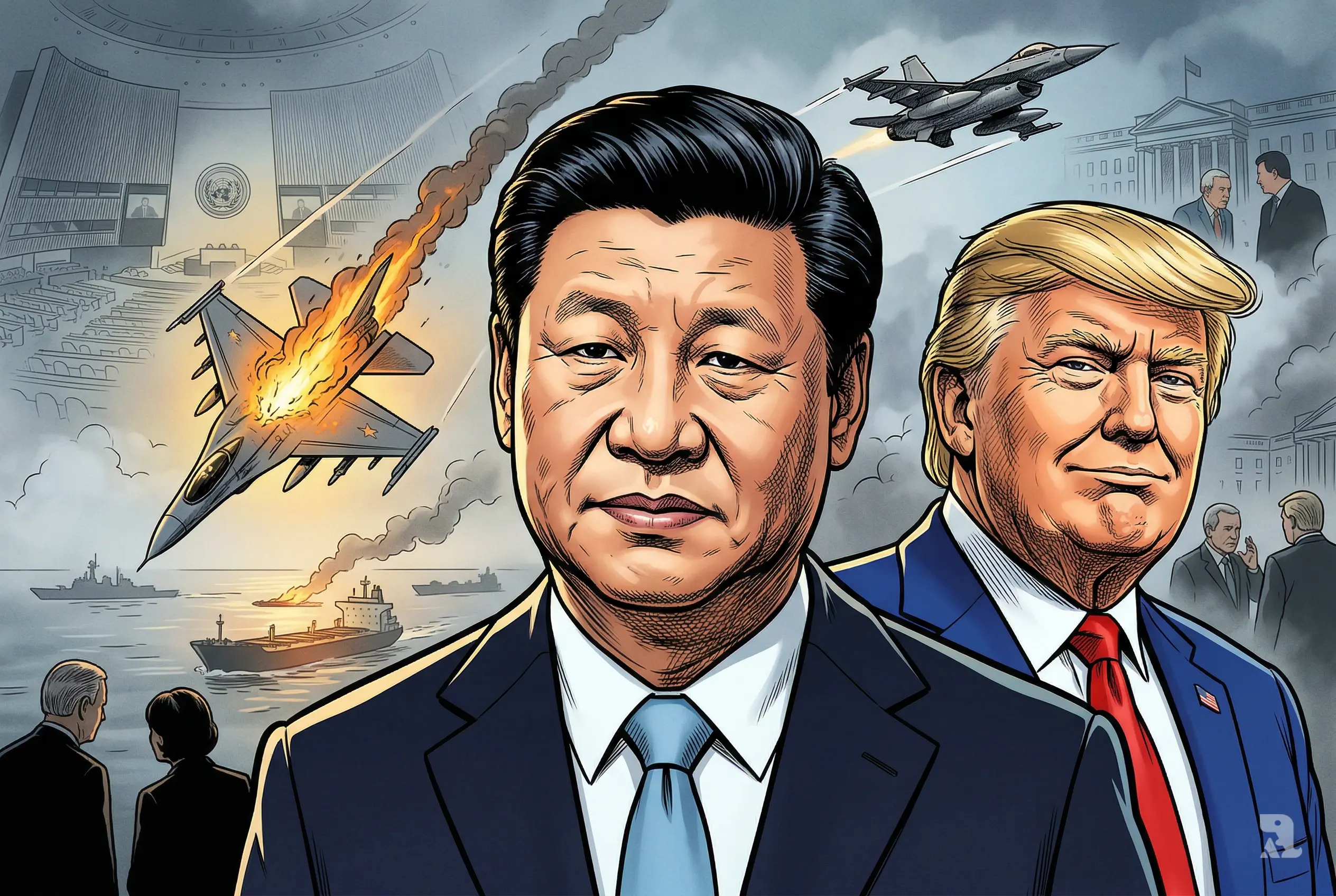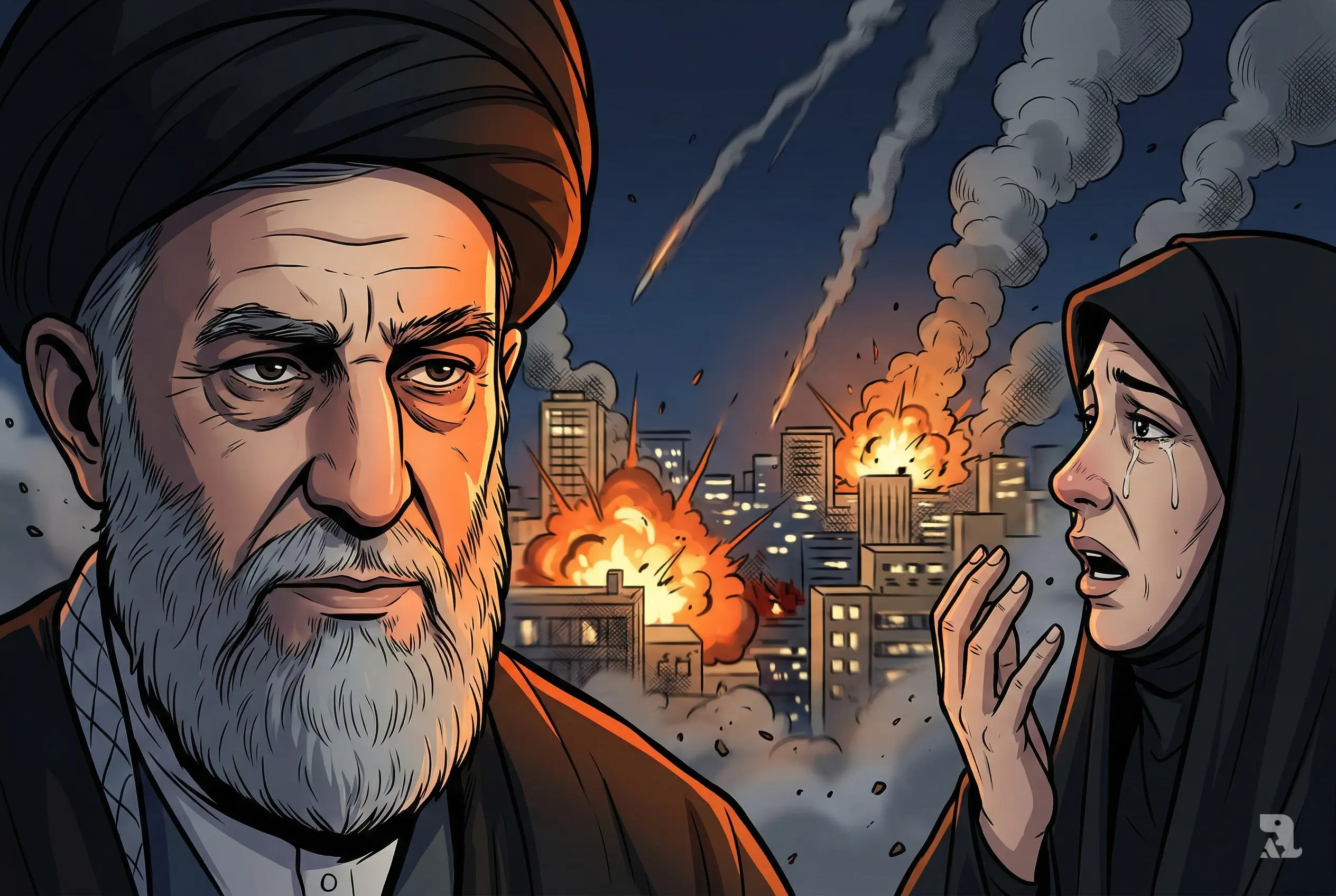
Is Iran-Israel war turning global after new attacks on US bases?
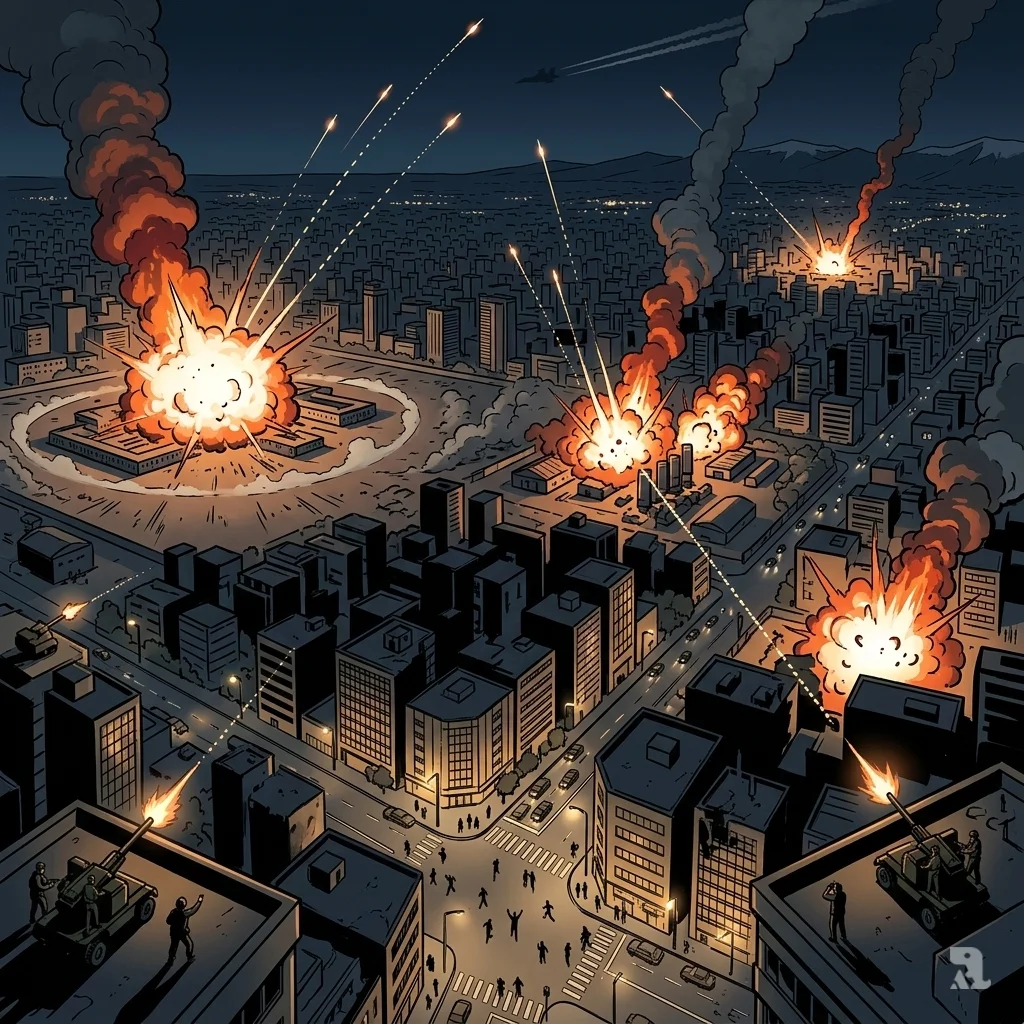
On Saturday, U.S. and Israel launched coordinated strikes on Iran, targeting leadership, missile arsenal, and nuclear sites. Ayatollah Ali Khamenei was killed on day 1, and leaders hinted the campaign aimed to topple Iran’s government.
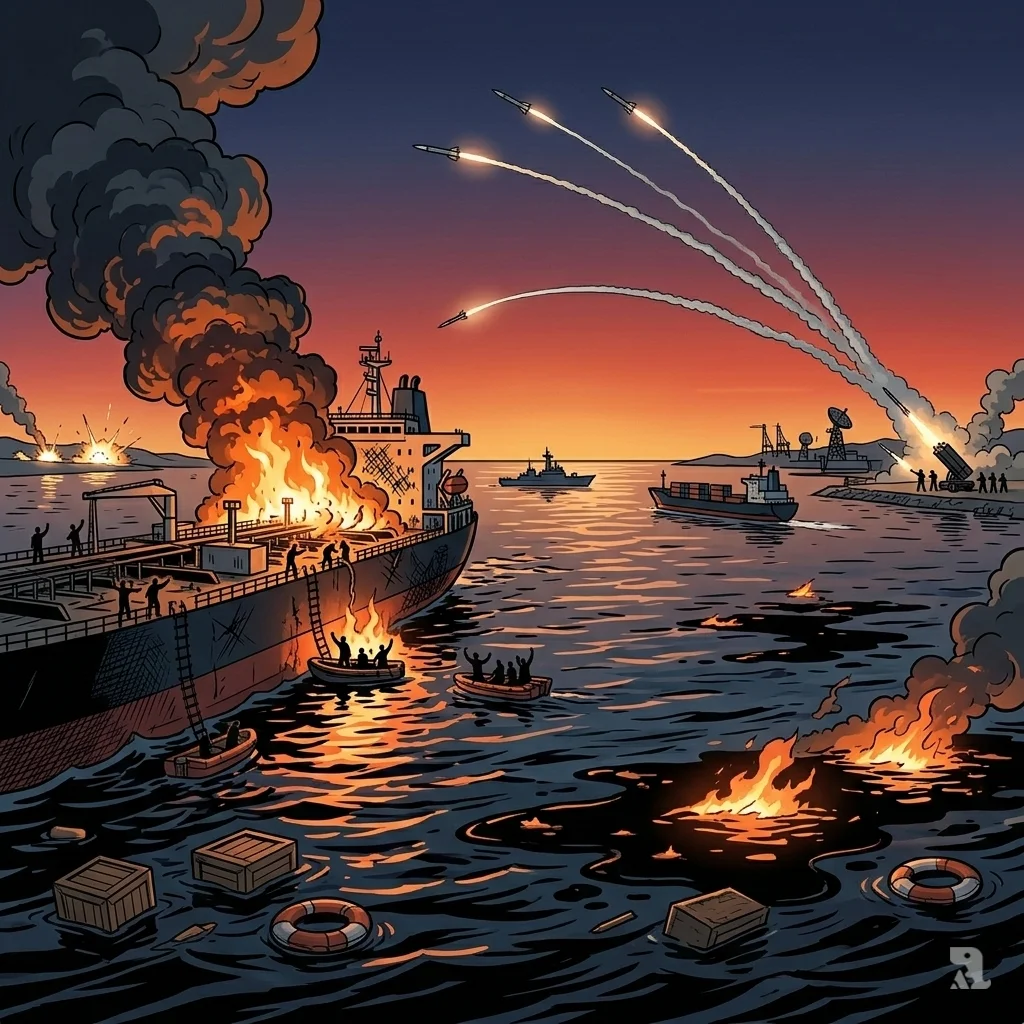
The war quickly spread beyond the Gulf. Iran’s retaliation struck nearby Arab states and disrupted oil flow through the Strait of Hormuz. Attacks on ships in the Gulf of Oman pushed oil prices up as key trade routes turned dangerous.
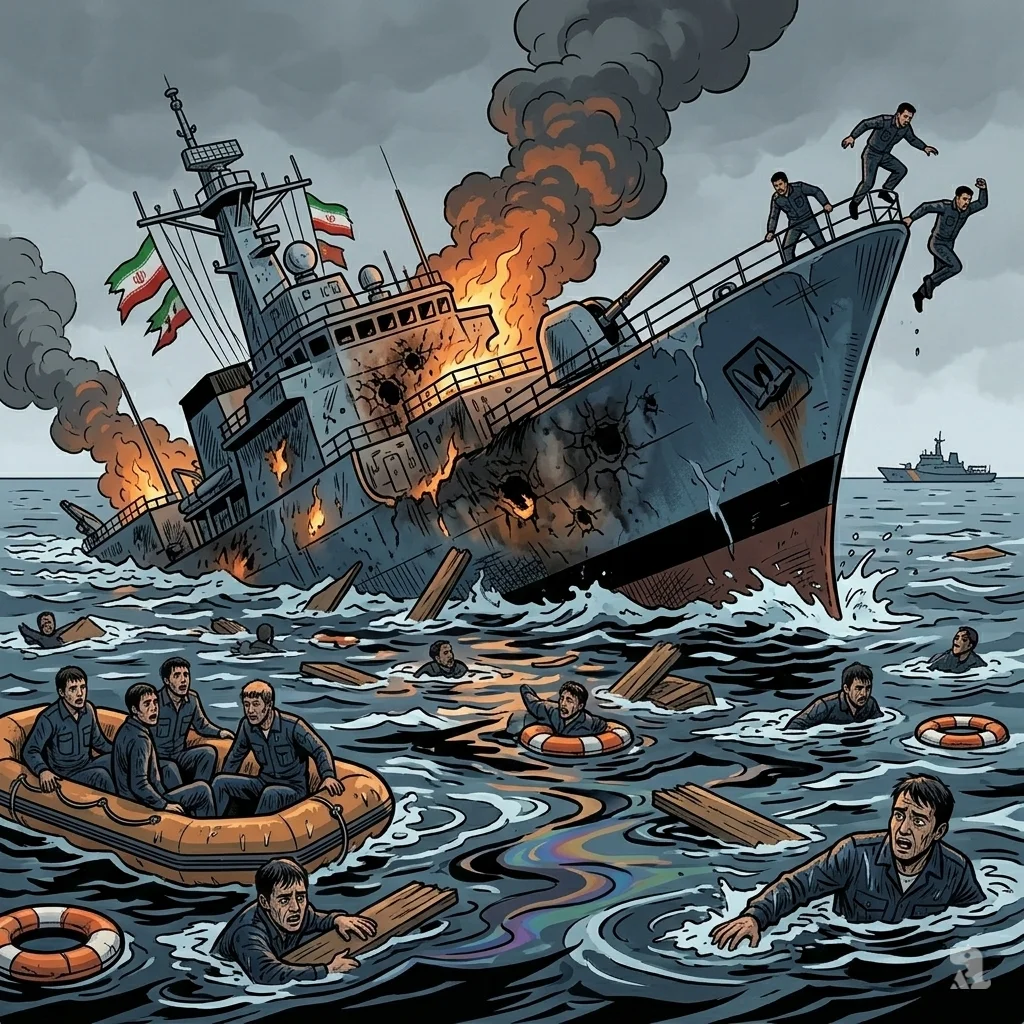
On Wednesday, the U.S. Navy sank Iranian frigate IRIS Dena near Sri Lanka. At least 87 sailors were killed. The ship had returned from exercises hosted by India, while 32 crew were rescued by Sri Lankan authorities.
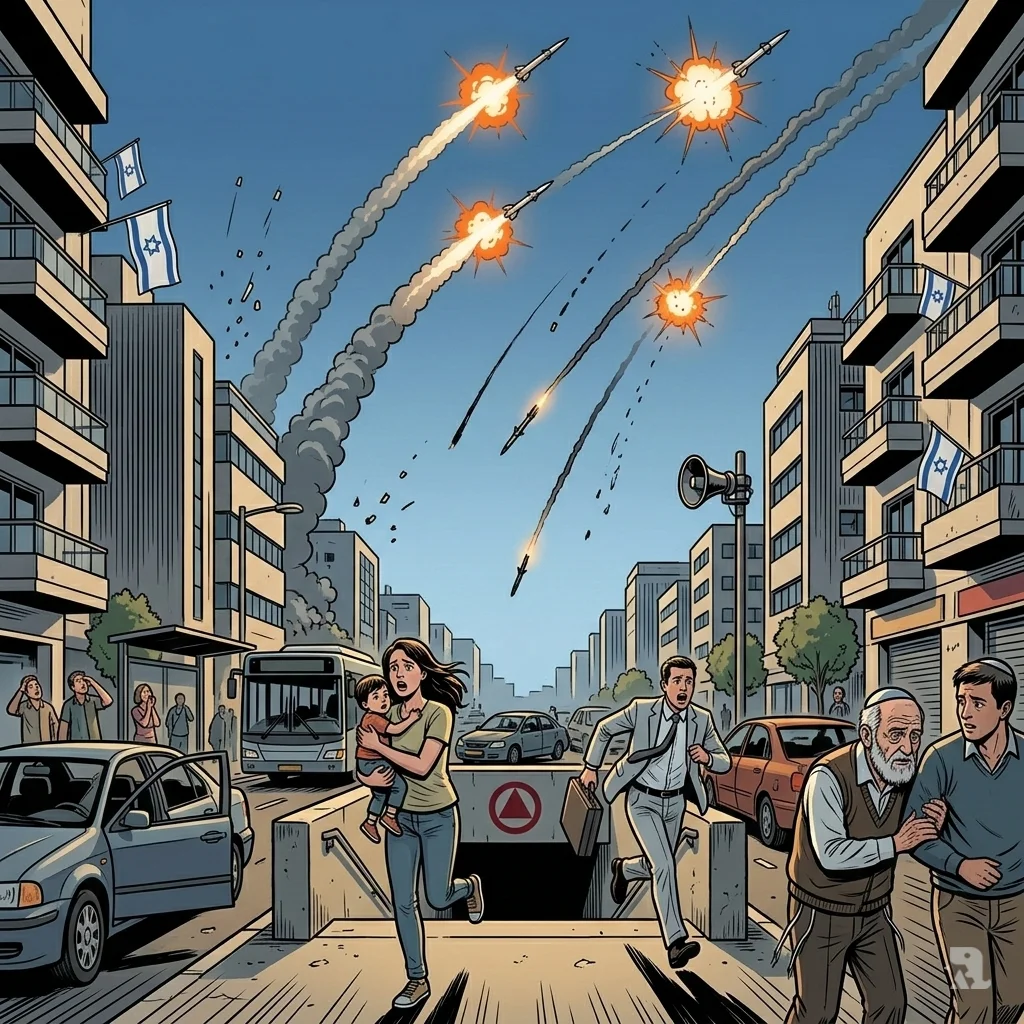
On Thursday, Iran launched a new wave of attacks on Israel, U.S. bases, and Gulf nations. Sirens sounded in Tel Aviv and Jerusalem. A drone near Al Dhafra Air Base wounded 6, and other drones were intercepted.
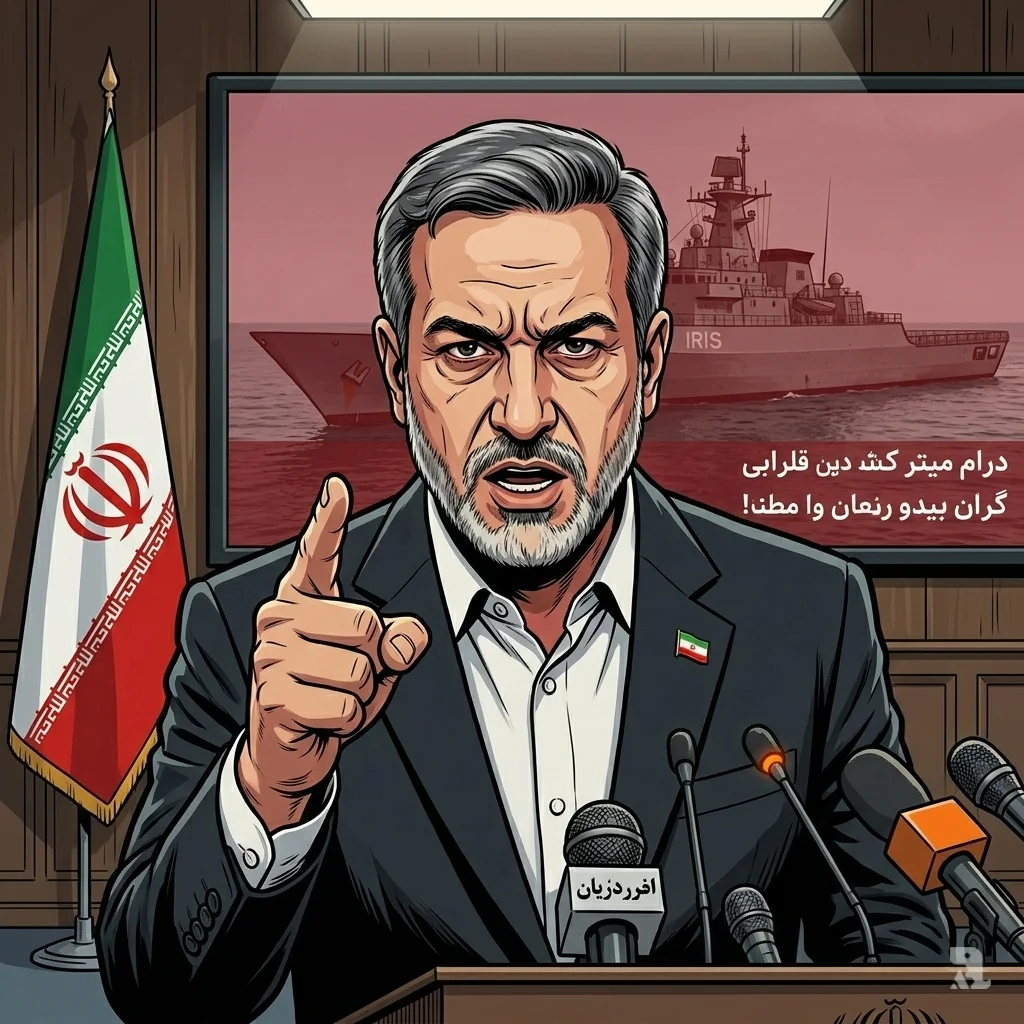
Iran’s Foreign Minister Araghchi called the sinking of IRIS Dena an “atrocity at sea.” He warned the U.S. would “bitterly regret” it. Cleric Javadi Amoli even called for “Trump’s blood” on state television.
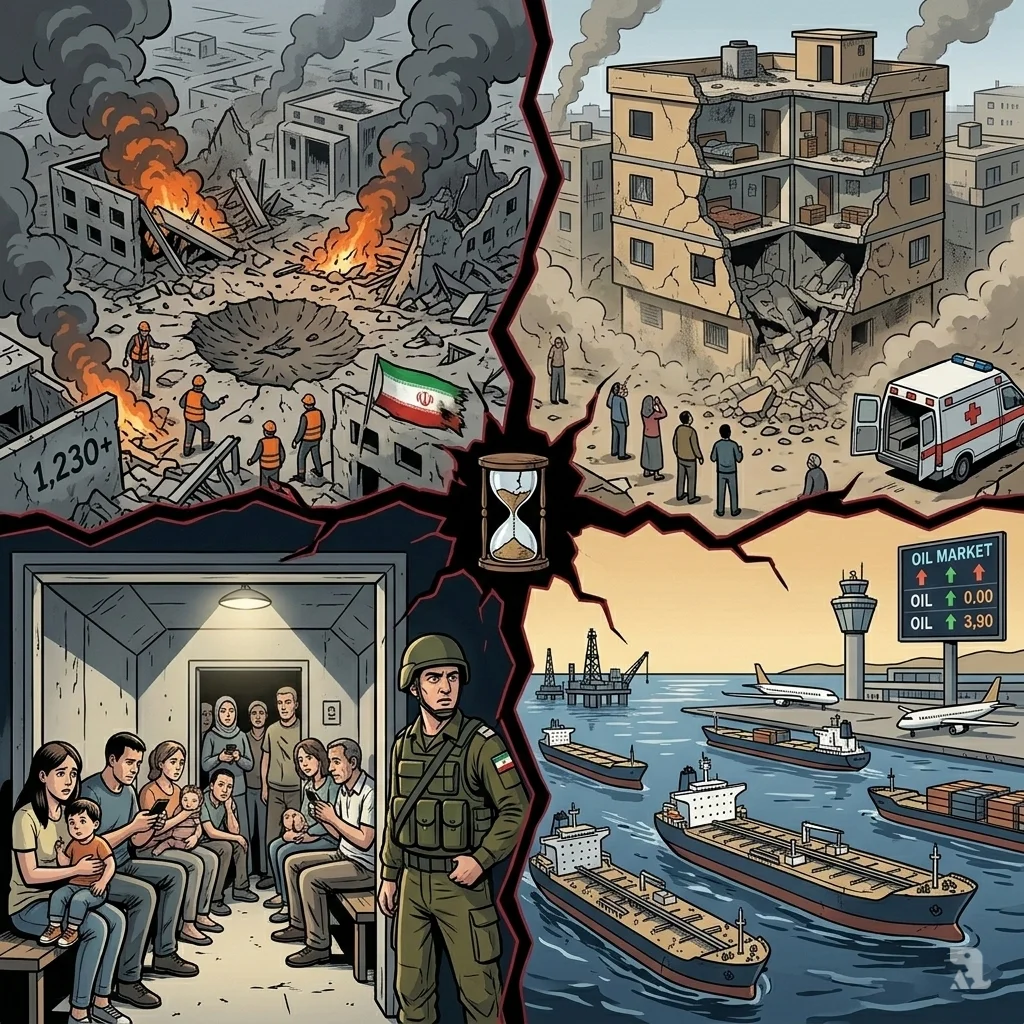
By Thursday, deaths reached 1,230+ in Iran, 70+ in Lebanon, 11 in Israel, and 6 U.S. troops. The war disrupted oil supply, shipping, and air travel worldwide, and growing retaliation suggested the conflict could continue indefinitely.