US–Iran Deal Near Collapse? War Threat, Bank Crash, Street Anger
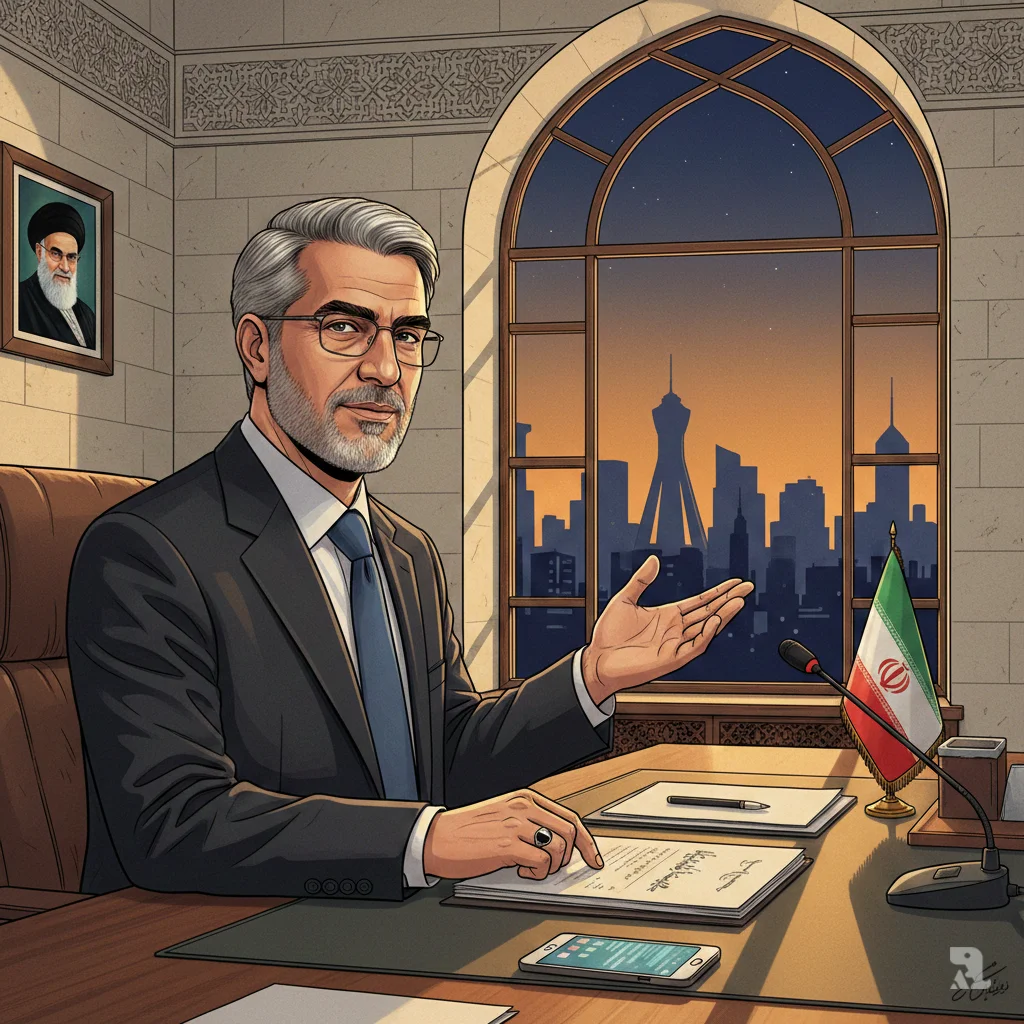
Iranian Foreign Minister Abbas Araghchi delivers a diplomatic statement from his Tehran office, with the city skyline visible through an arched window behind him. He gestures with an open palm while holding documents marked with an olive branch symbol, emphasizing Iran's stance that a nuclear deal with the US remains achievable.

On the eve of Geneva talks, Abbas Araghchi said a deal with the US was “within reach.” He urged diplomacy first and clearly stated Iran would never build nuclear weapons under any situation.
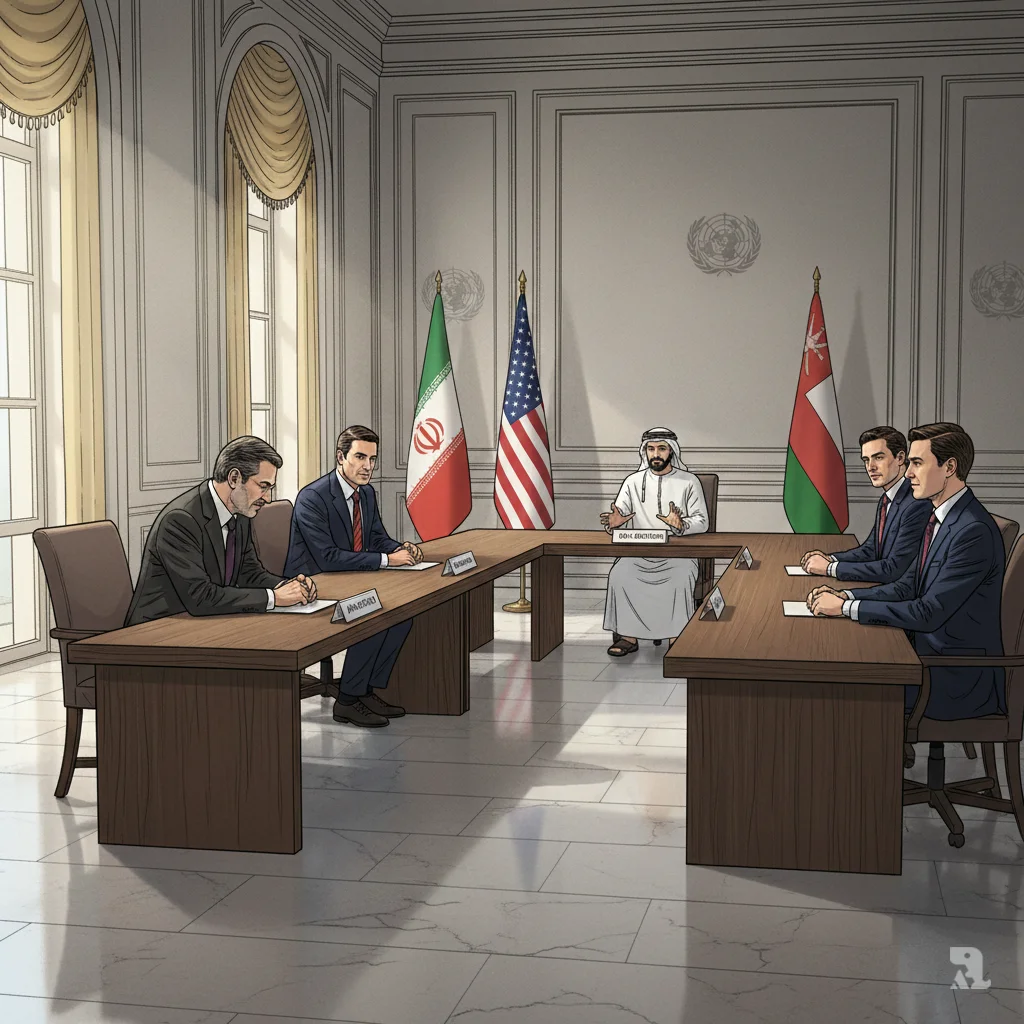
Wide view of a formal diplomatic conference hall in Geneva showing Iranian and US delegations facing each other across long tables, with Omani mediators positioned between them. Abbas Araghchi, Steve Witkoff, and Jared Kushner are seated at their respective tables with national flags and documents, representing the third round of indirect nuclear negotiations.

The Thursday meeting in Geneva was the 3rd round of indirect talks between Iran and the US, mediated by Oman. Araghchi faced Steve Witkoff and Jared Kushner, as Oman pushed both sides to finalize the deal.
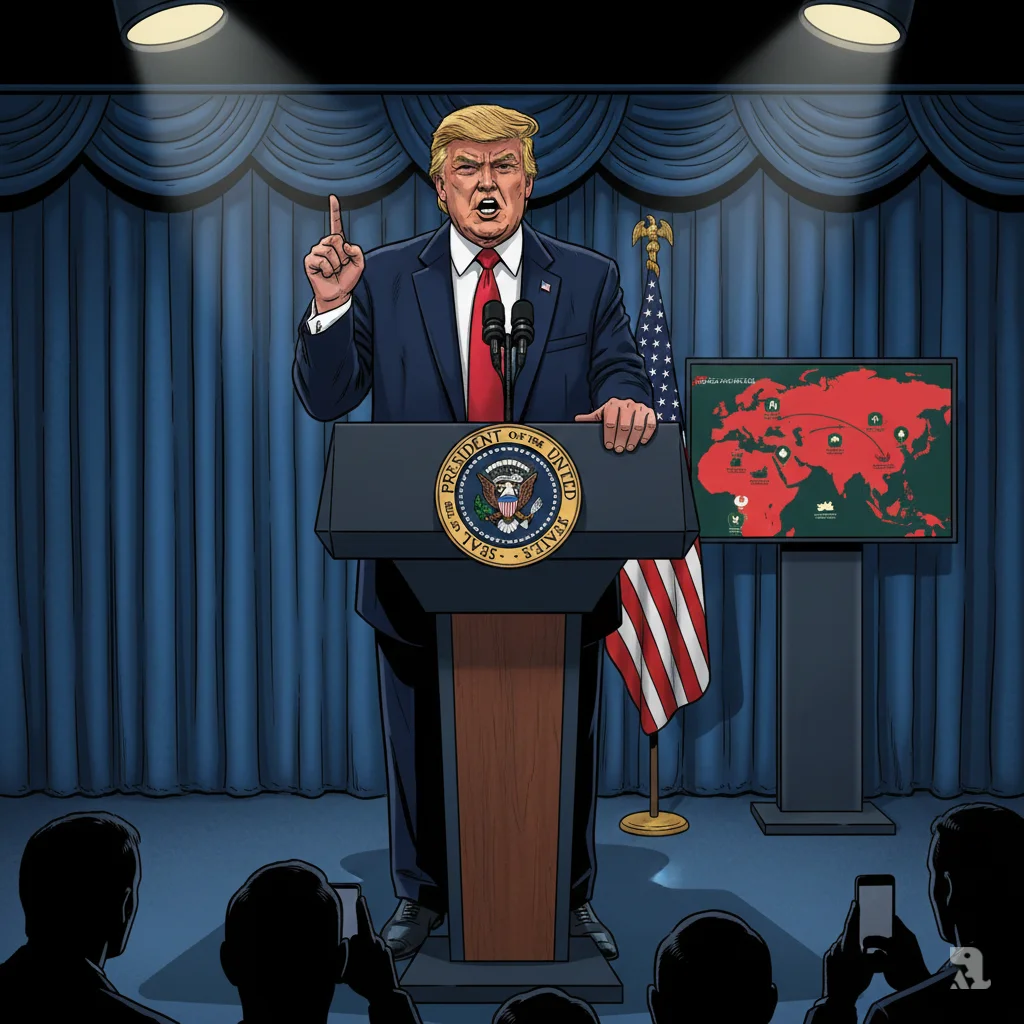
President Donald Trump delivers a stern ultimatum from the White House podium, pointing upward emphatically while a digital map behind him displays US military positions surrounding Iran. The scene captures his warning of a 10-to-15-day deadline for Tehran to reach a meaningful nuclear agreement.

After earlier talks, President Trump warned Tehran it had only 10 to 15 days to reach a “meaningful deal.” He openly threatened military action while increasing US forces near Iran.
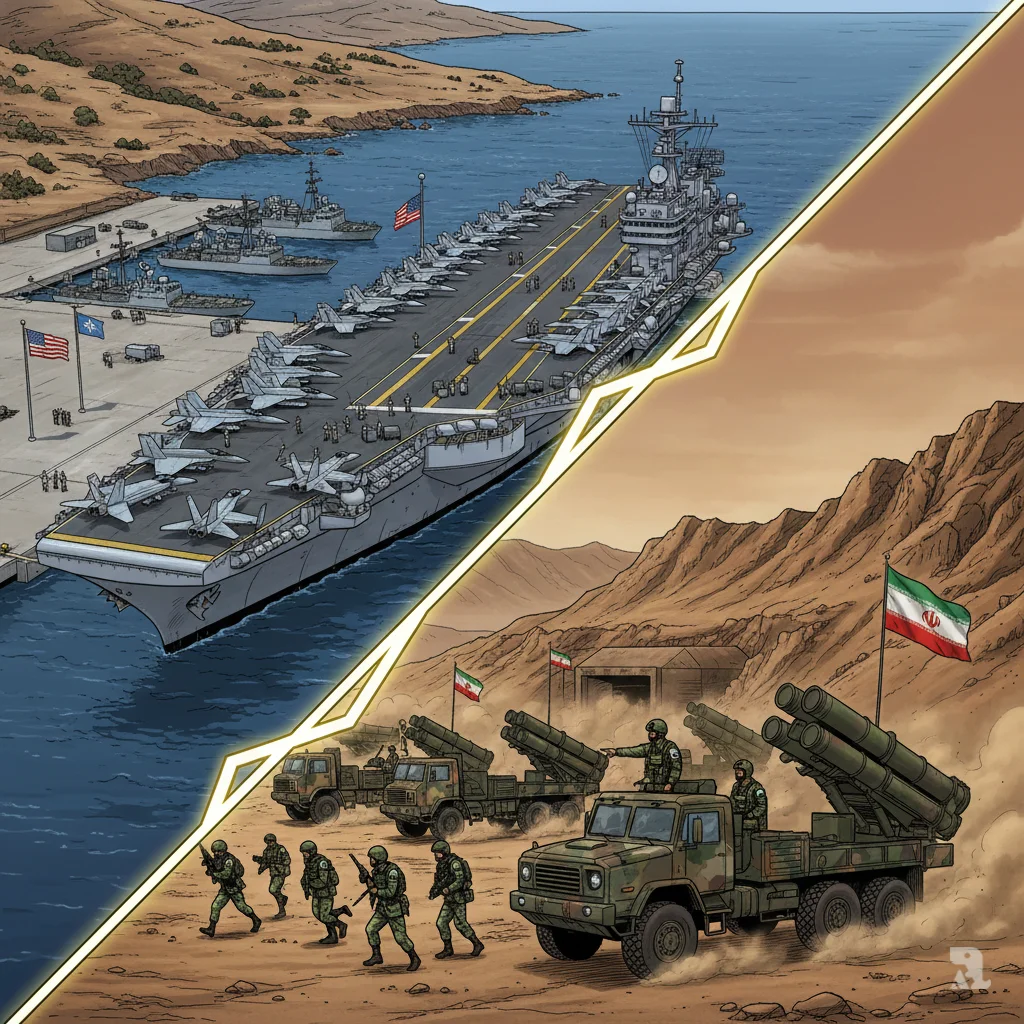
Split-screen composition showing the USS Gerald R. Ford aircraft carrier docked at NATO's Crete base above a diagonal divide, contrasted with Iran's Revolutionary Guard Corps conducting military drills and missile launcher exercises in southern Iran's desert terrain below.

The USS Gerald R. Ford, America’s largest carrier, docked in Crete on its way to the Middle East, boosting military presence. At the same time, Iran’s Revolutionary Guard held war drills, claiming they built a “strong fortress.”
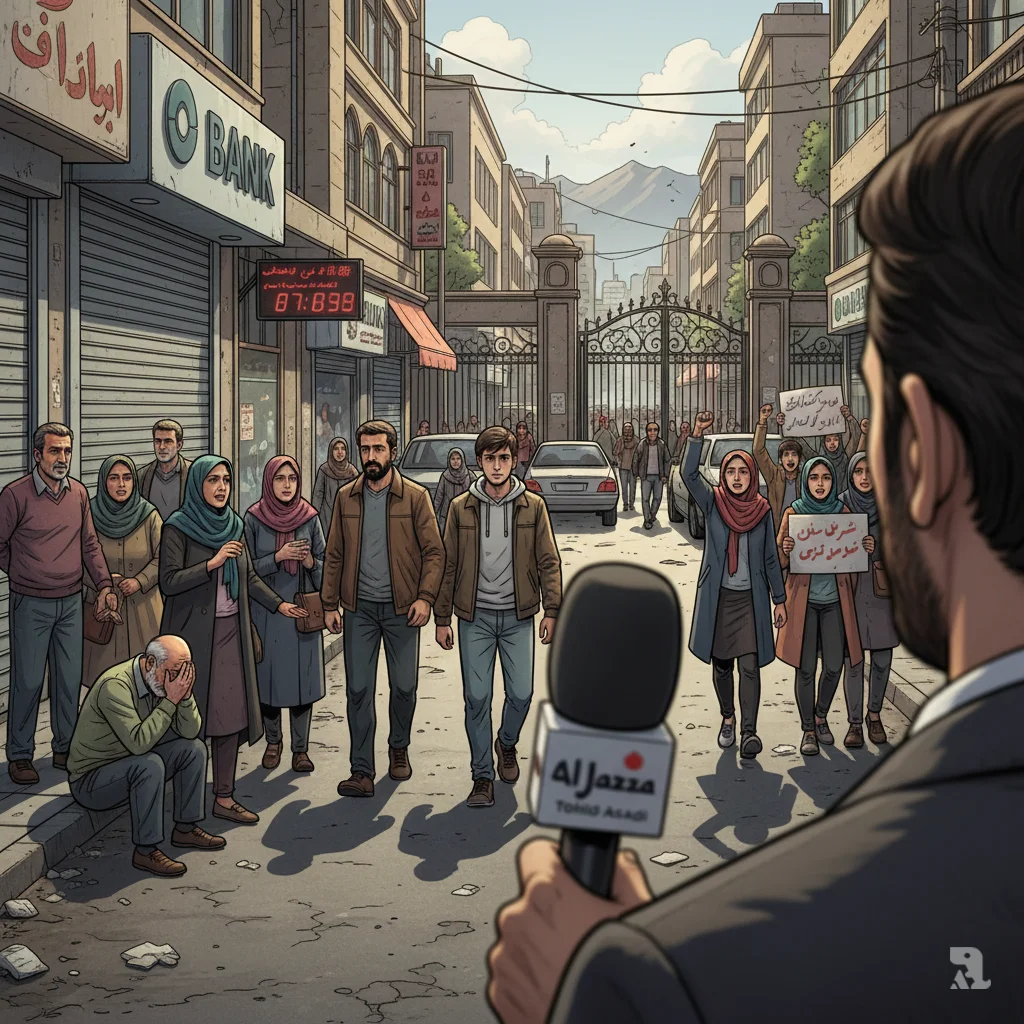
Al Jazeera reporter Tohid Asadi reports from a Tehran street where Iranian citizens display conflicting emotions—anxious crowds outside a closed bank, weary pedestrians, and defiant university students protesting near a campus entrance—capturing the public mood amid nuclear tensions and economic hardship.

From Tehran, Tohid Asadi reported people felt fear of war due to US build-up but still hoped for diplomacy. Large December protests began over economic hardship, and university unrest has continued in recent days.
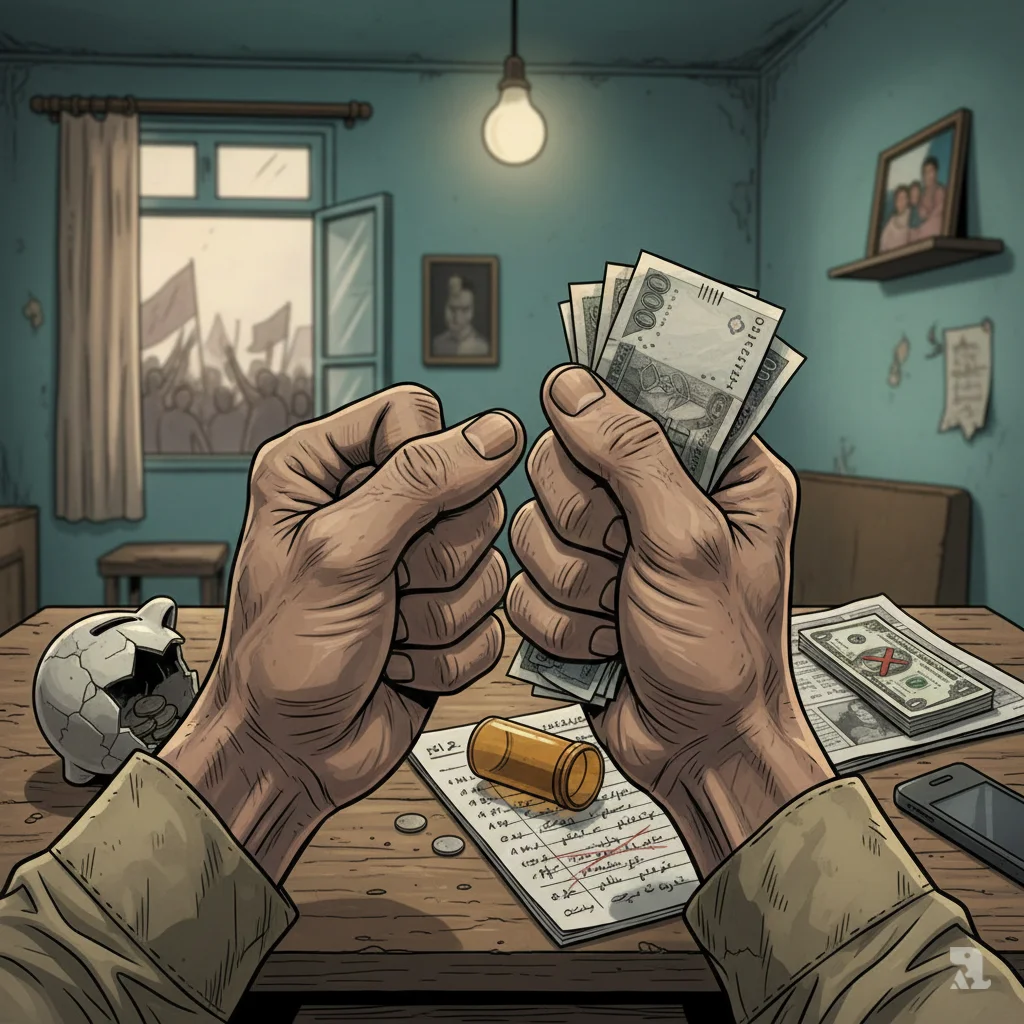
Close-up of trembling hands clutching crumpled Iranian rial banknotes on a worn table scattered with a broken piggy bank, scarce US dollar bills, an empty medicine bottle, and unpaid bills—illustrating the devastating personal impact of Iran's economic collapse and currency crisis.

The United States admitted causing a severe US dollar shortage in Iran, creating deep economic damage. One of Iran’s largest banks collapsed, fueling December protests and ongoing public anger across cities and universities.
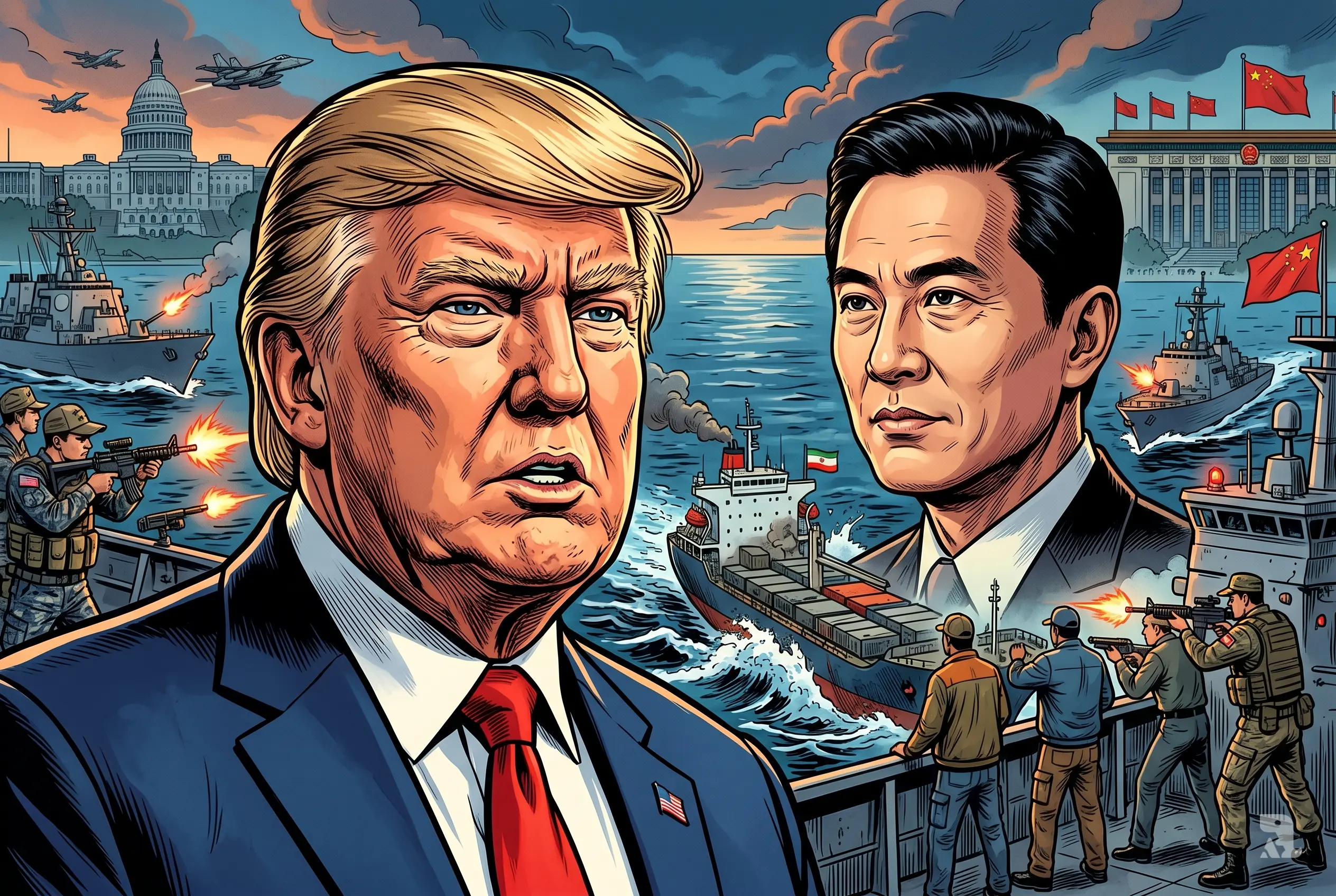
A quick visual update that saves you 10 minutes of reading – Source: Aljazeera

Similar Posts