Did Trump Advisers Misread Iran, Leading to Costly Strategic Disaster?
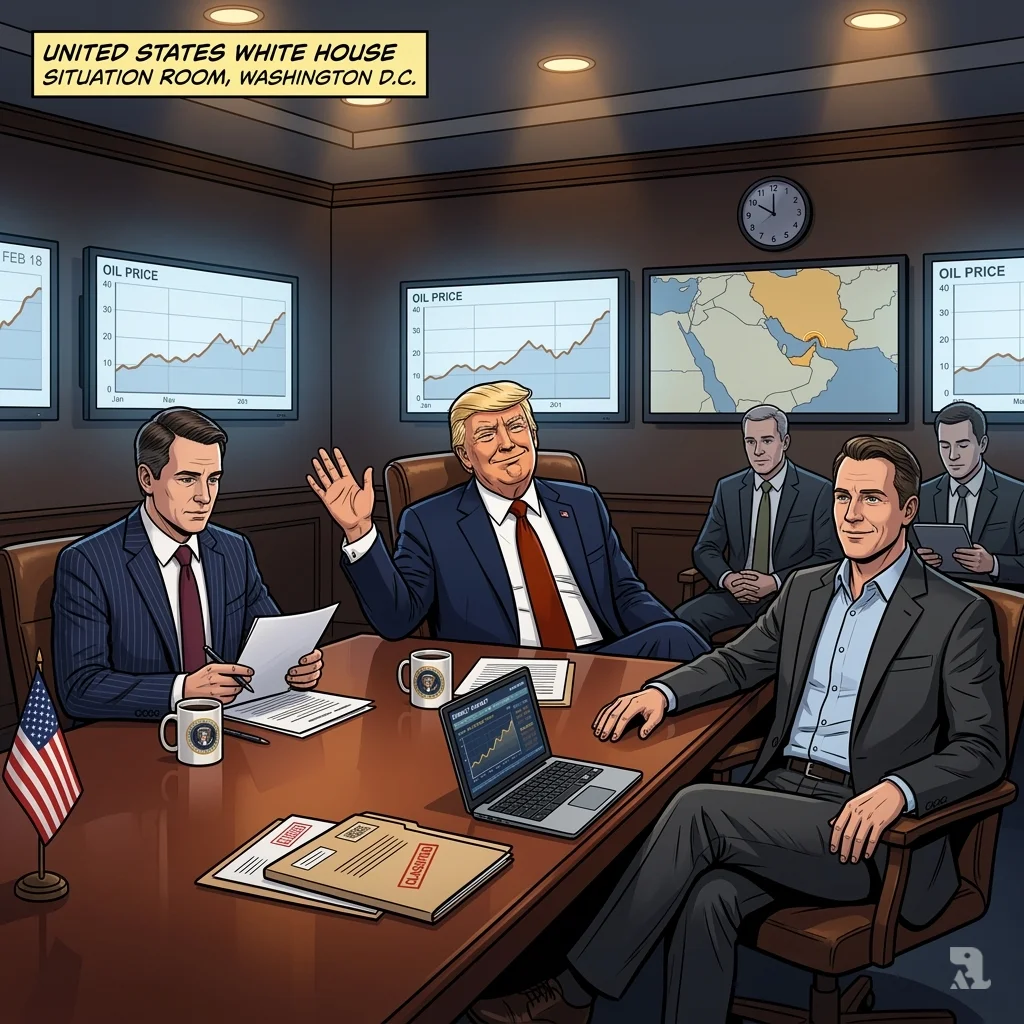
On Feb 18, Trump considered strikes on Iran. Chris Wright publicly dismissed oil disruption fears. Trump privately accepted possible price spikes but called them temporary, directing Wright and Scott Bessent to quietly prepare contingency options.
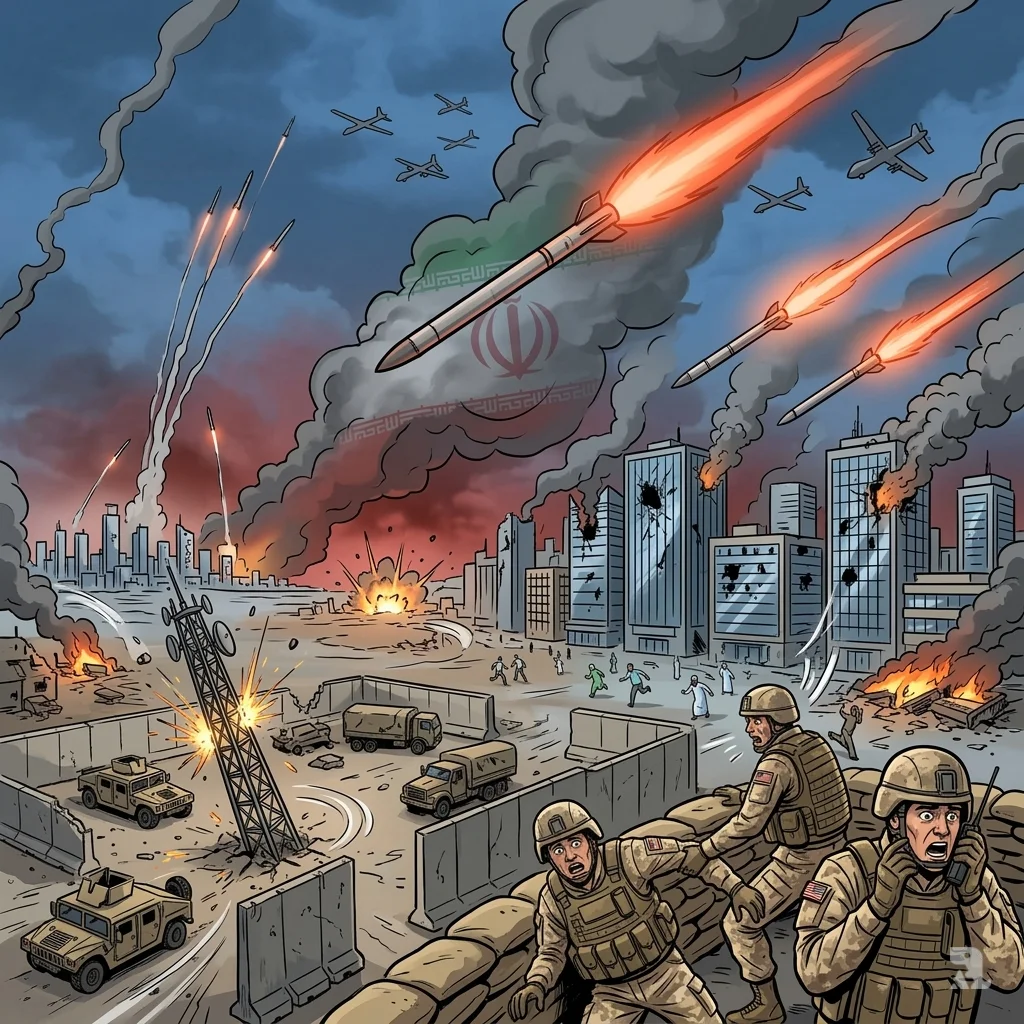
Iran launched massive missile and drone attacks on U.S. bases, Arab cities, and Israel. The Pentagon admitted the multi-front retaliation caught them off guard, far stronger than Iran’s response during last June’s 12-day war.
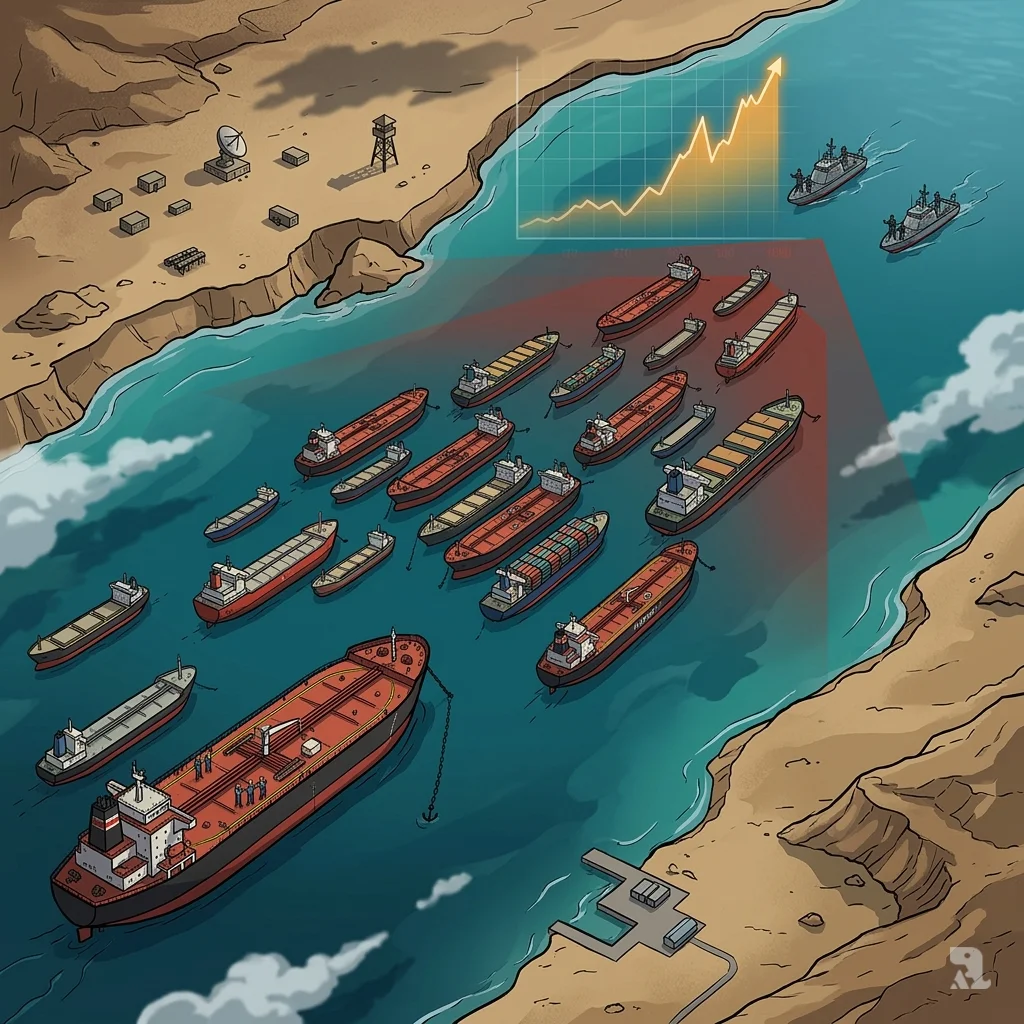
Iran threatened to strike oil tankers in the Strait of Hormuz, which carries 20% of global oil. Shipping stopped, oil prices surged, and U.S. fuel costs rose. Sen. Murphy said the administration lacked a safe reopening plan.
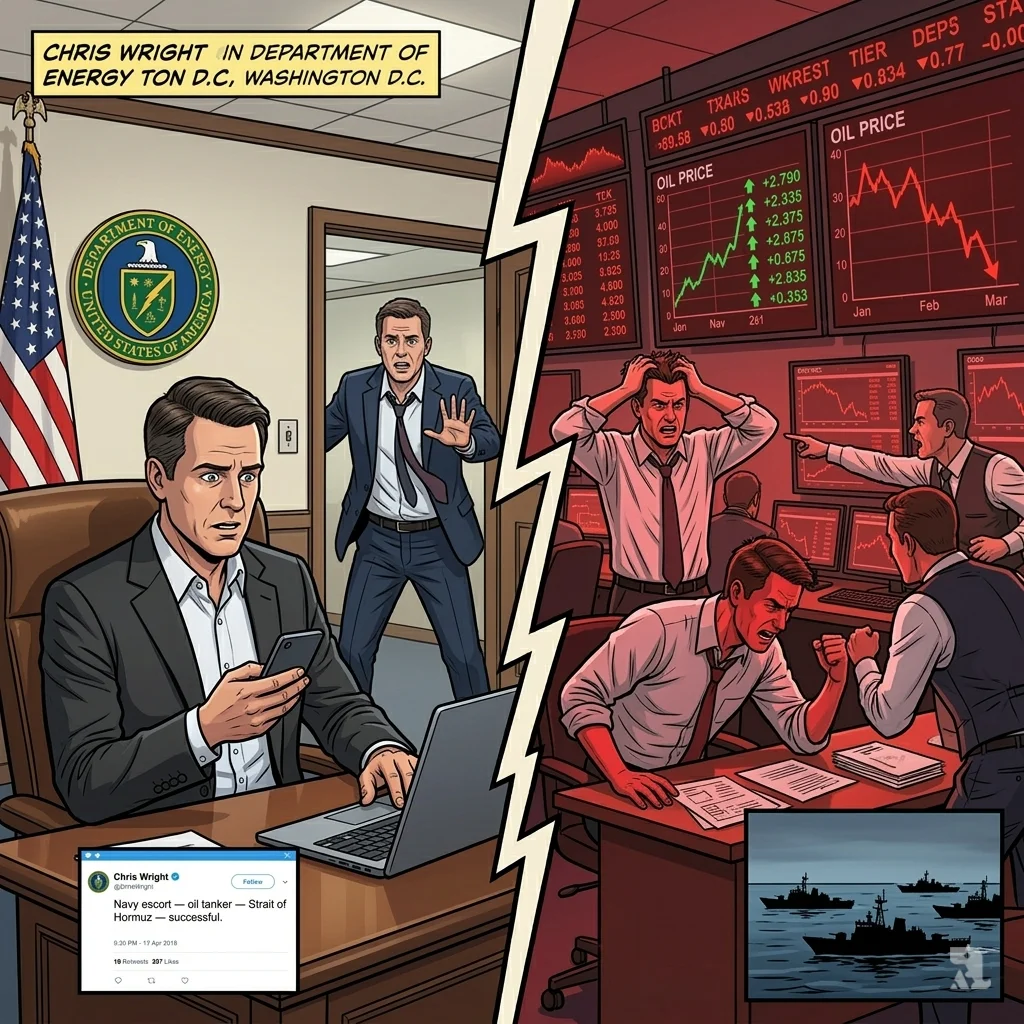
Wright falsely claimed the U.S. Navy escorted a tanker through the strait. Markets surged, then crashed after deletion. Intelligence showed Iran preparing sea mines. The U.S. military struck 16 Iranian mine-laying vessels nearby.
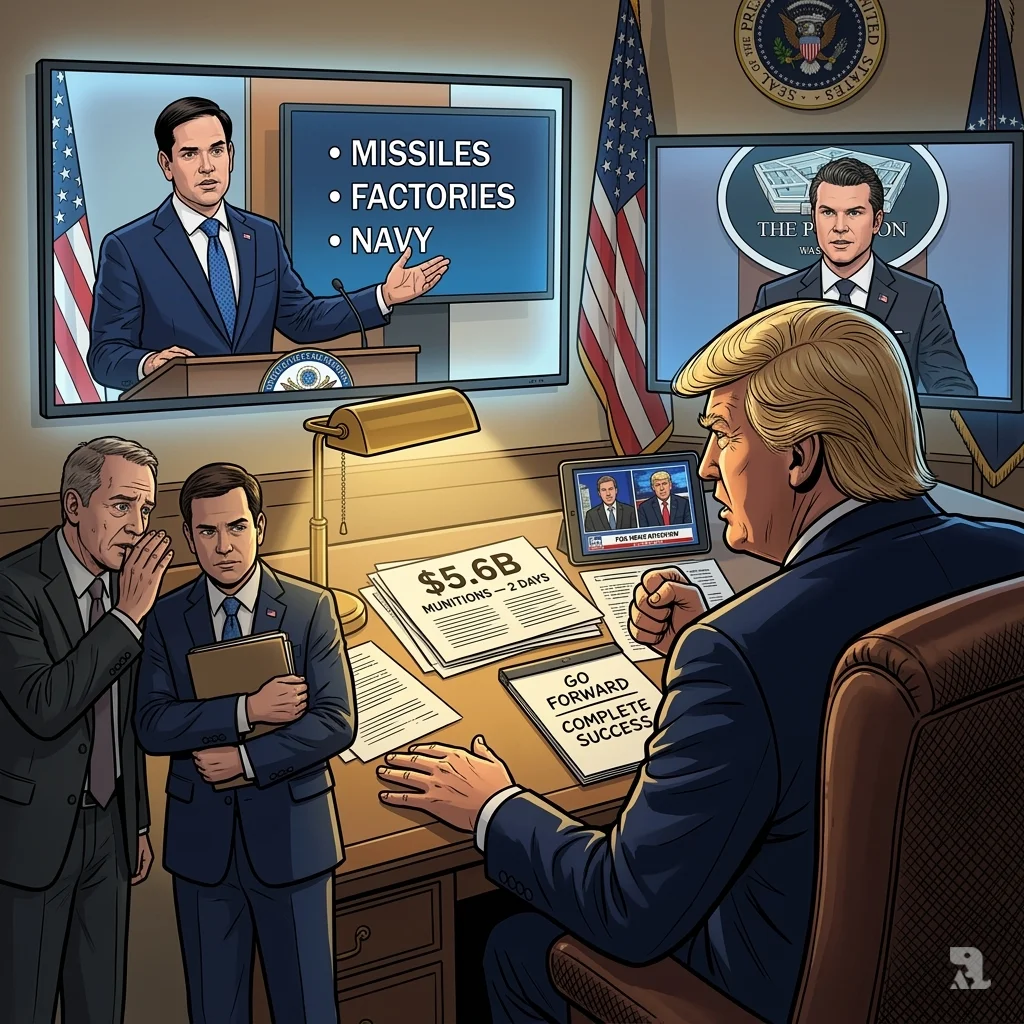
Inside the White House, divisions grew. Trump called the mission a complete success, while Rubio and Hegseth pushed limited goals—destroying missiles, factories, and navy assets. Aides stayed silent as briefings revealed $5.6B spent in 2 days.
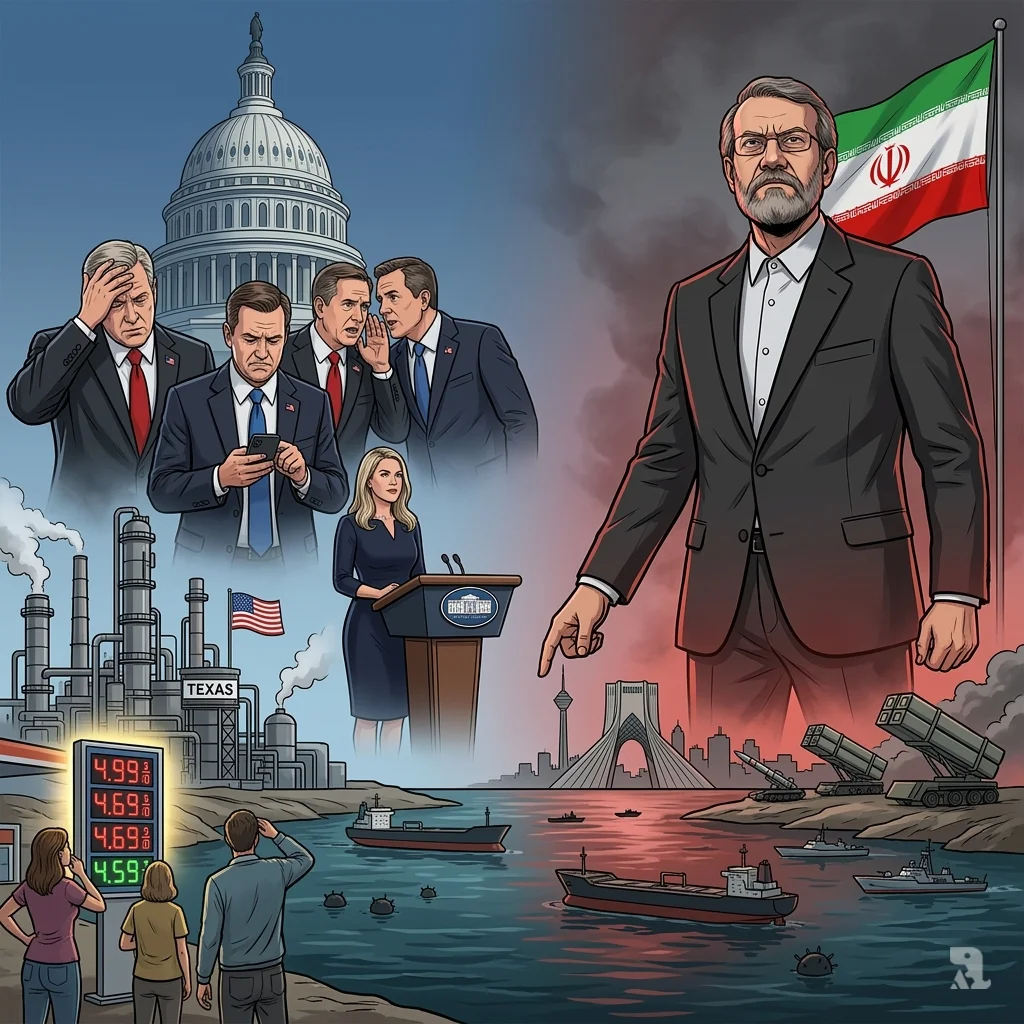
Republicans feared rising gas prices before midterms. Trump promoted Venezuelan oil and a new Texas refinery. Ali Larijani warned the Strait of Hormuz meant peace or suffering, leaving the crisis tense and unresolved.