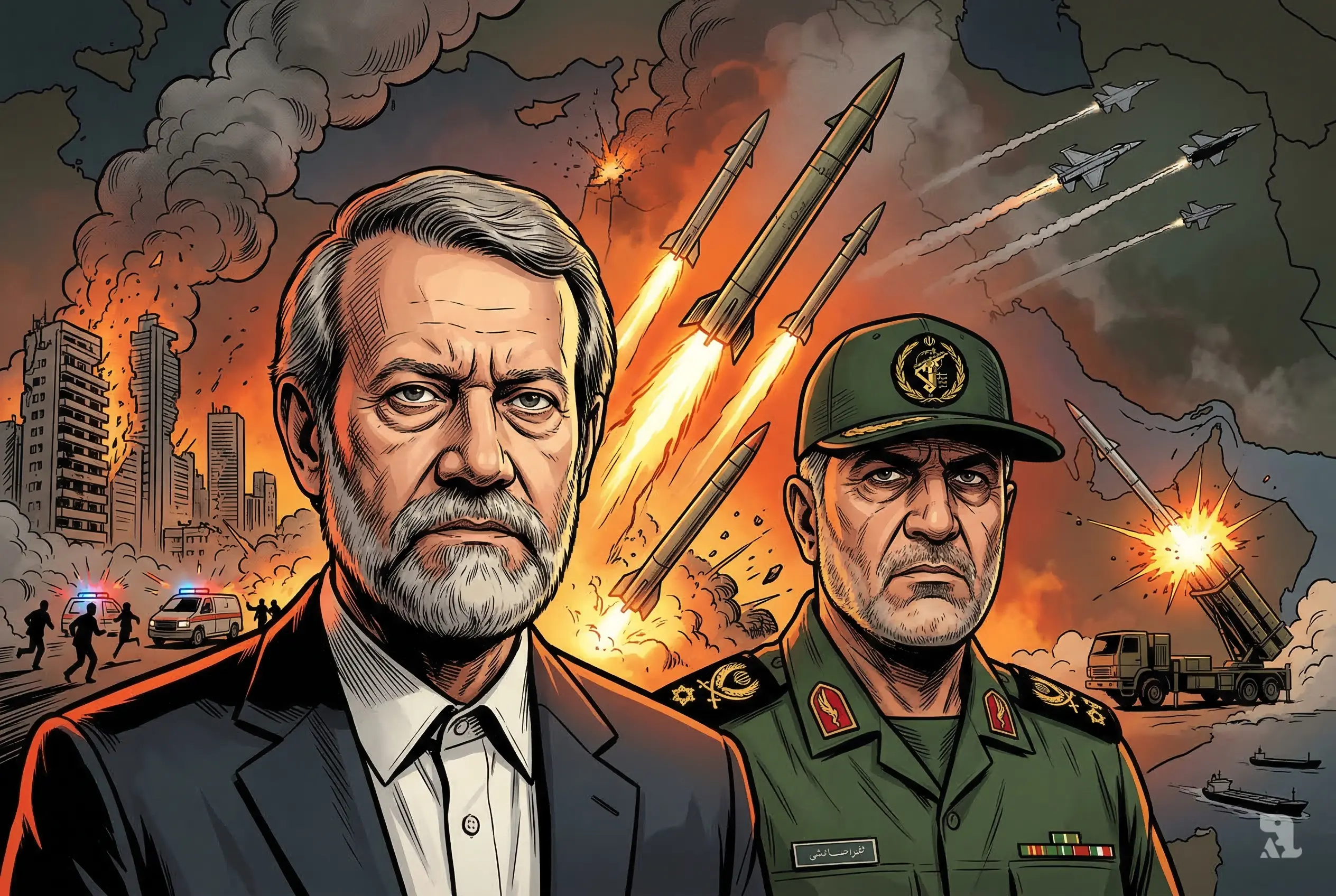
Strong Military, Weak Results: History Warns U.S. About Iran Conflict
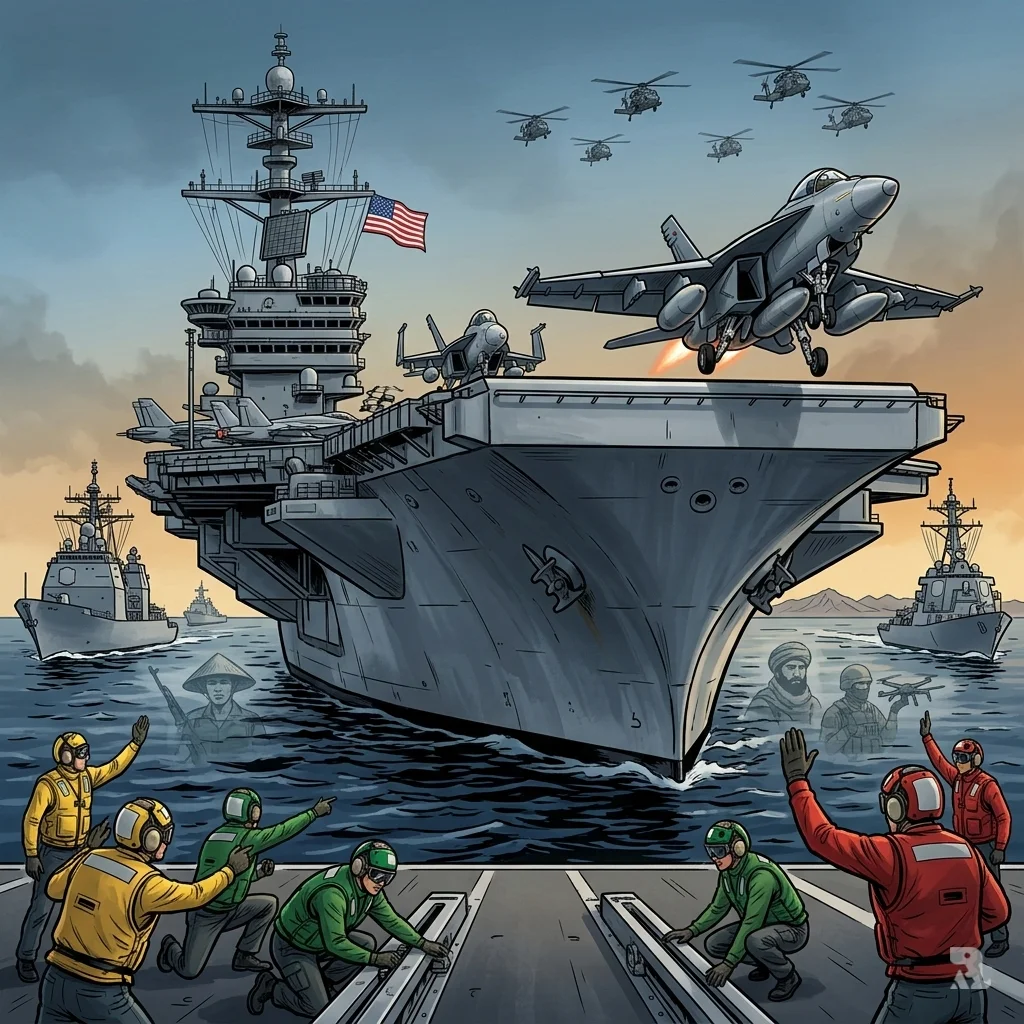
The U.S. attack on Iran comes with strong confidence. On paper, the world’s most powerful military looks unbeatable. But wars are unpredictable. History shows weaker sides use asymmetric warfare and smart tactics to defeat stronger forces.
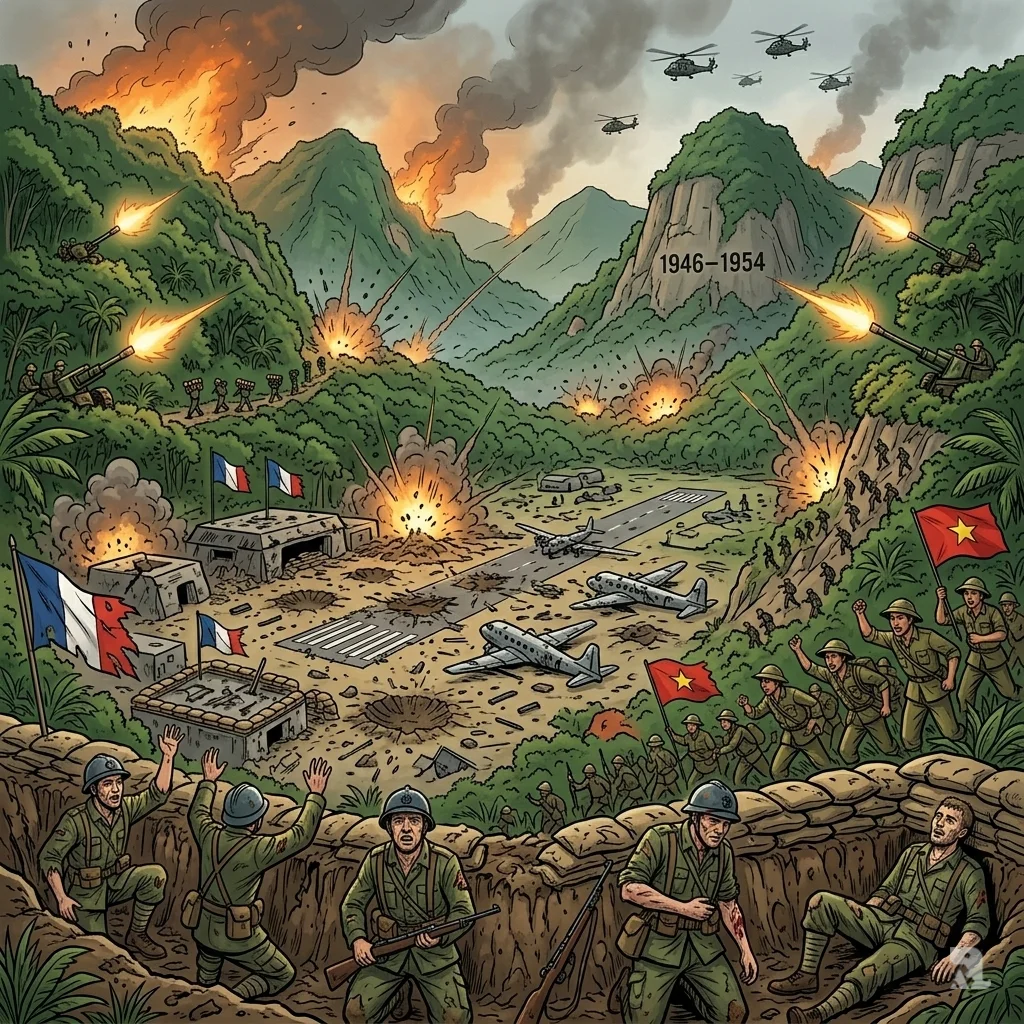
In 1946, France entered the war believing victory was certain, ignoring Vietnam’s independence movement. The Viet Minh used guerrilla tactics effectively, leading to France’s crushing defeat at Dien Bien Phu in 1954, widely blamed on overconfidence.
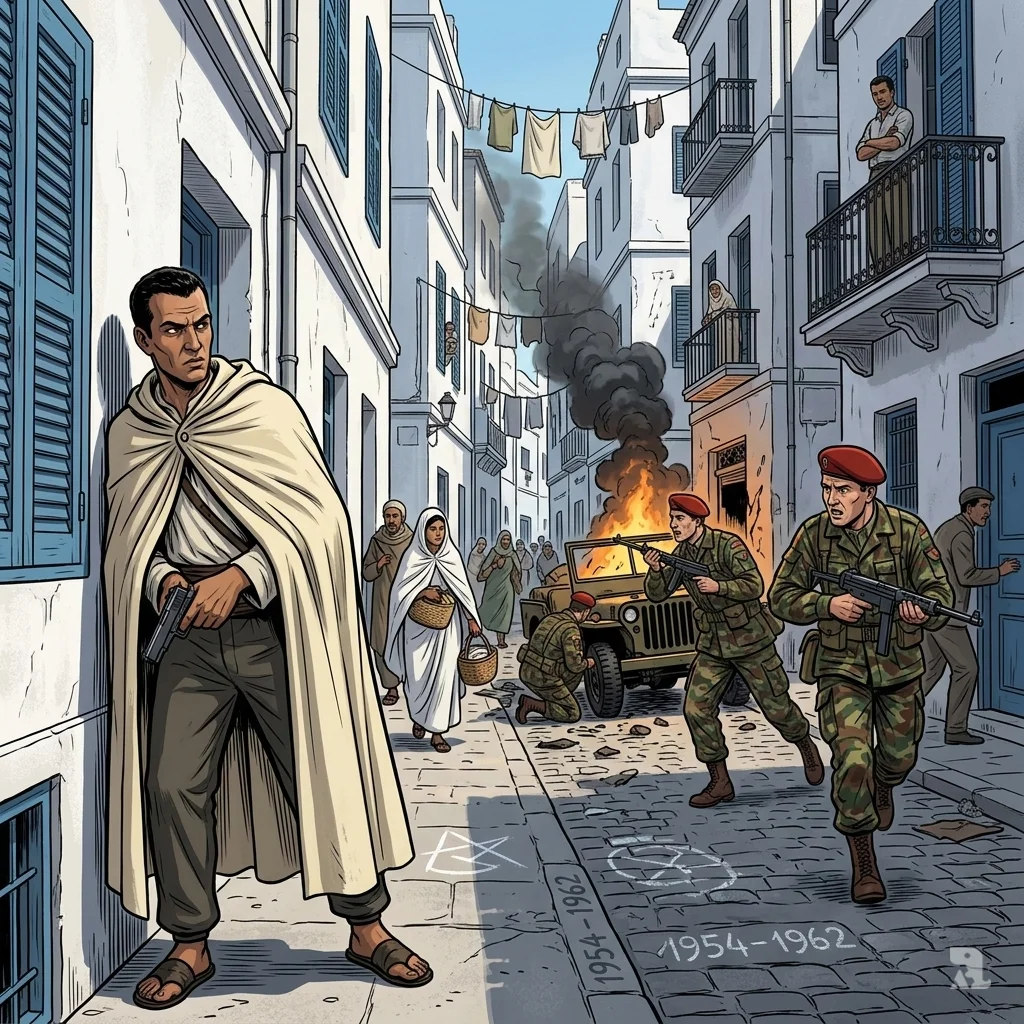
During 1954–1962, French forces again struggled against guerrilla tactics in Algeria. Fighters used dense city areas like Algiers for support, carrying out sabotage and assassinations that seriously damaged a far stronger conventional military force.
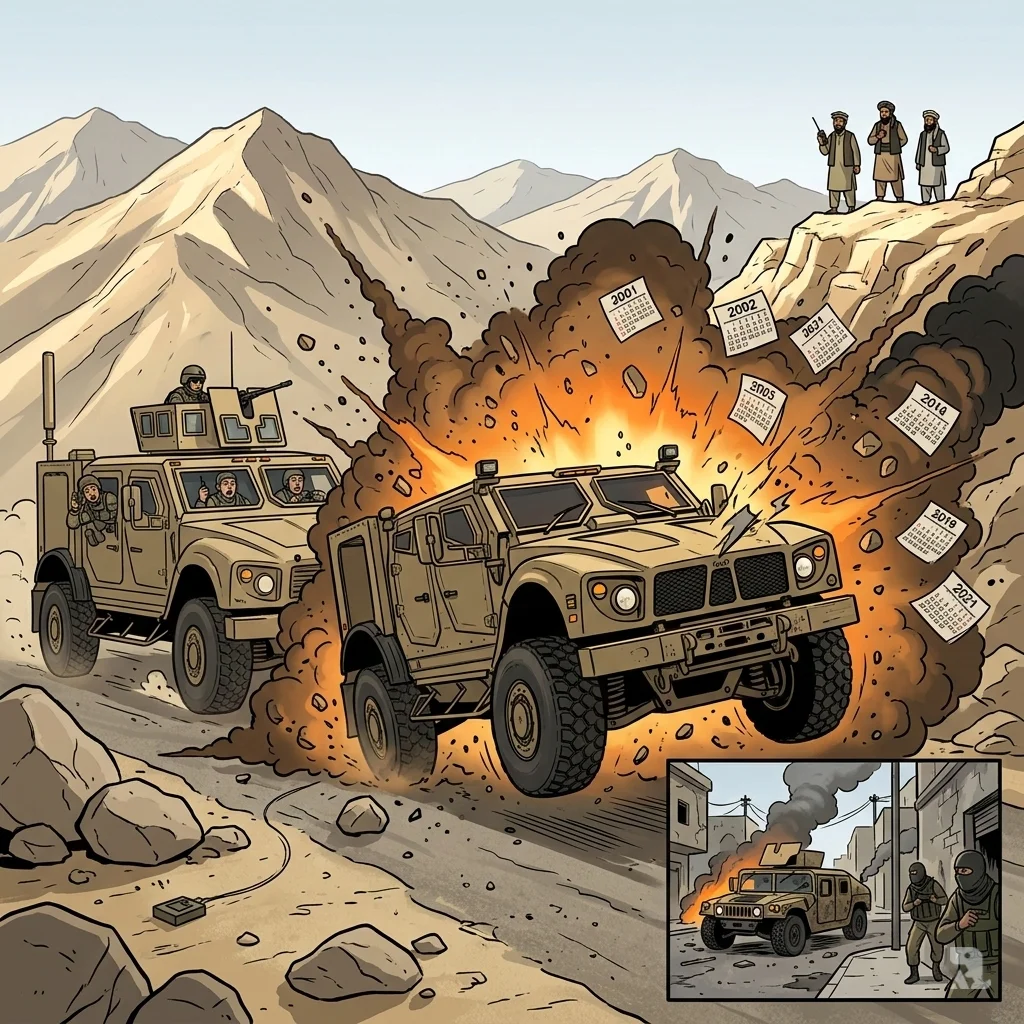
From 2001–2021, the Taliban relied on IEDs, suicide attacks, and hit-and-run tactics to outlast U.S. forces. After 2003, Iraq saw similar violence—roadside bombs, assassinations, and kidnappings—showing invasions cannot stop determined asymmetric resistance.
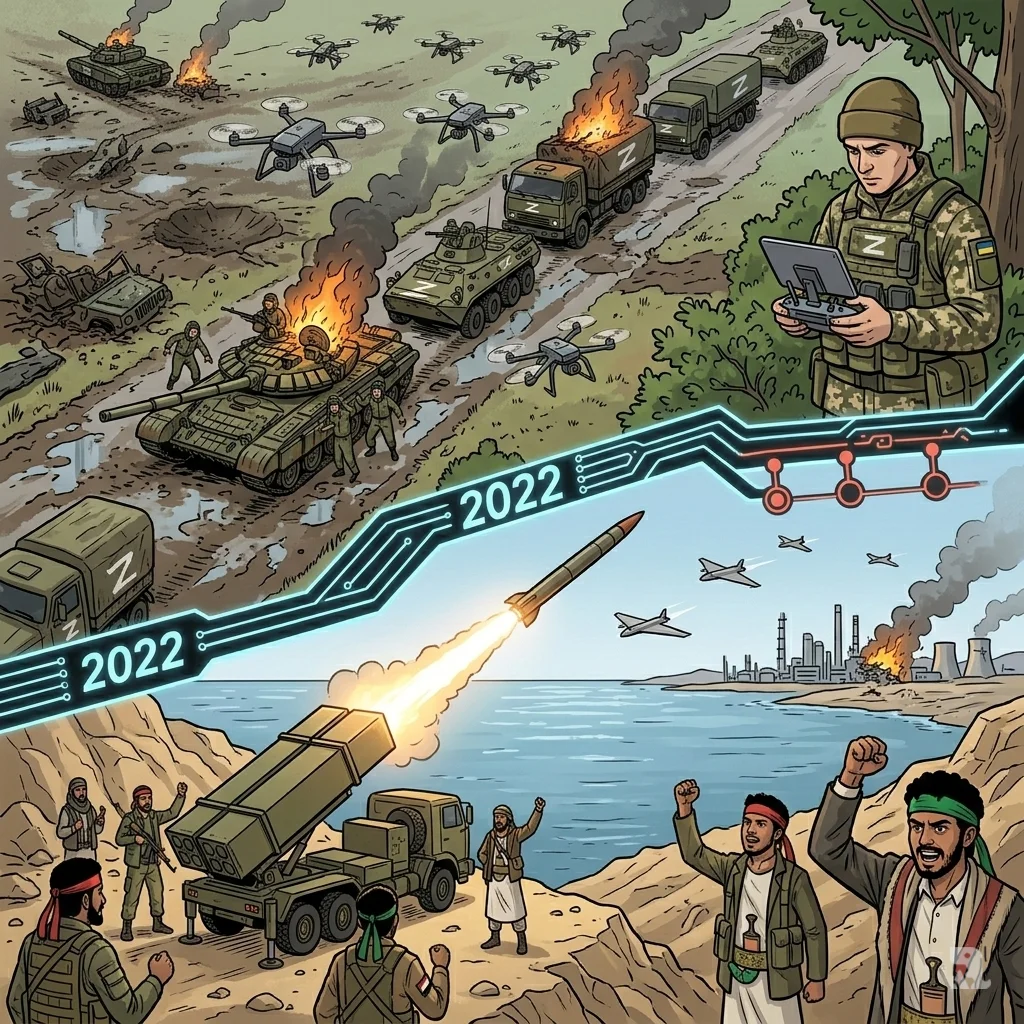
Since 2022, Ukraine has used cheap consumer drones to slow Russia’s larger invasion. In the Middle East, Iran works through proxy groups like Yemen’s Houthis, launching missiles and drones to pressure stronger U.S.-allied forces.
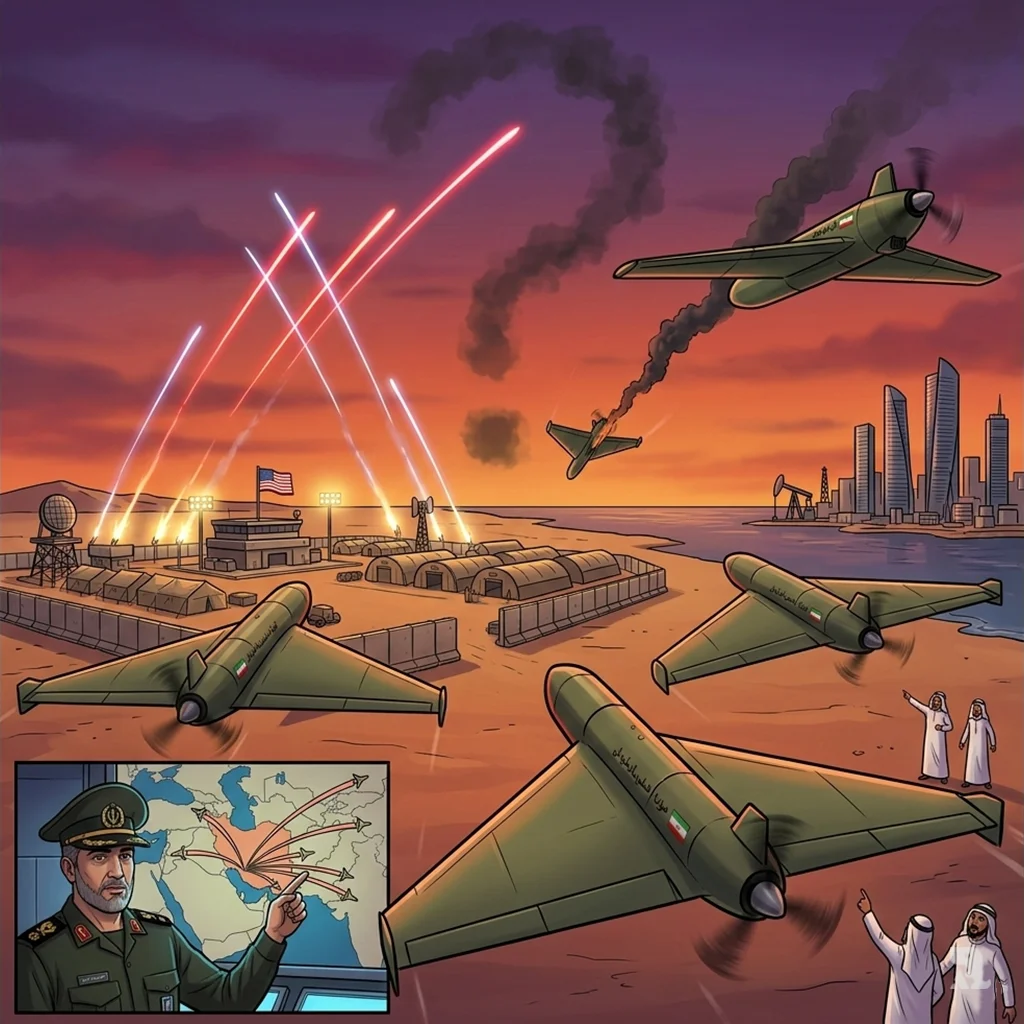
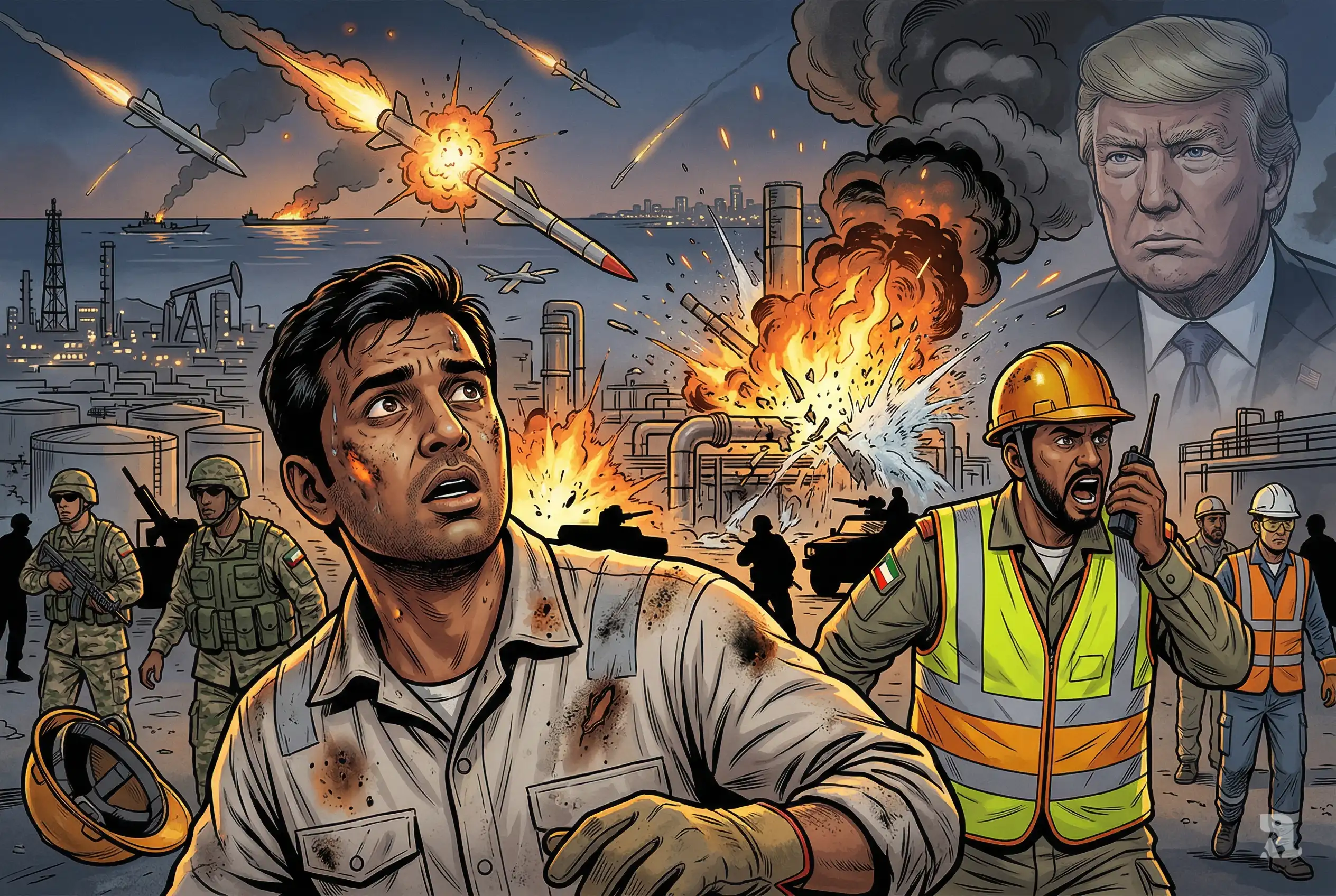
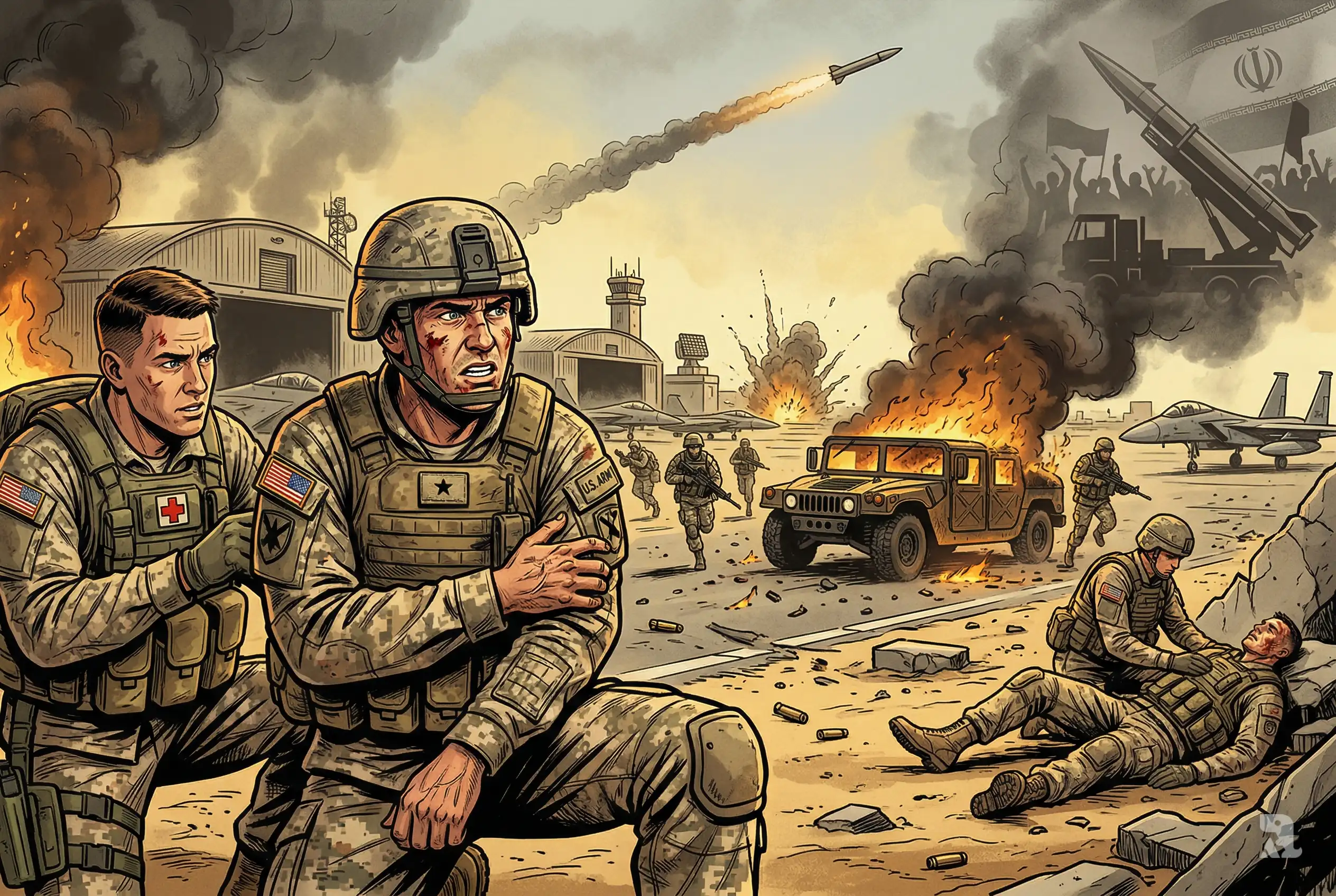
Now, with U.S. and Israeli coordination, Iran launches low-cost but effective Shahed-136 drones toward U.S. bases and regional allies. The key fear remains: a weaker side can prolong war by refusing to surrender.