
England’s Biggest Recycling Shake-Up in 20 Years and Dozens of Councils Not Ready
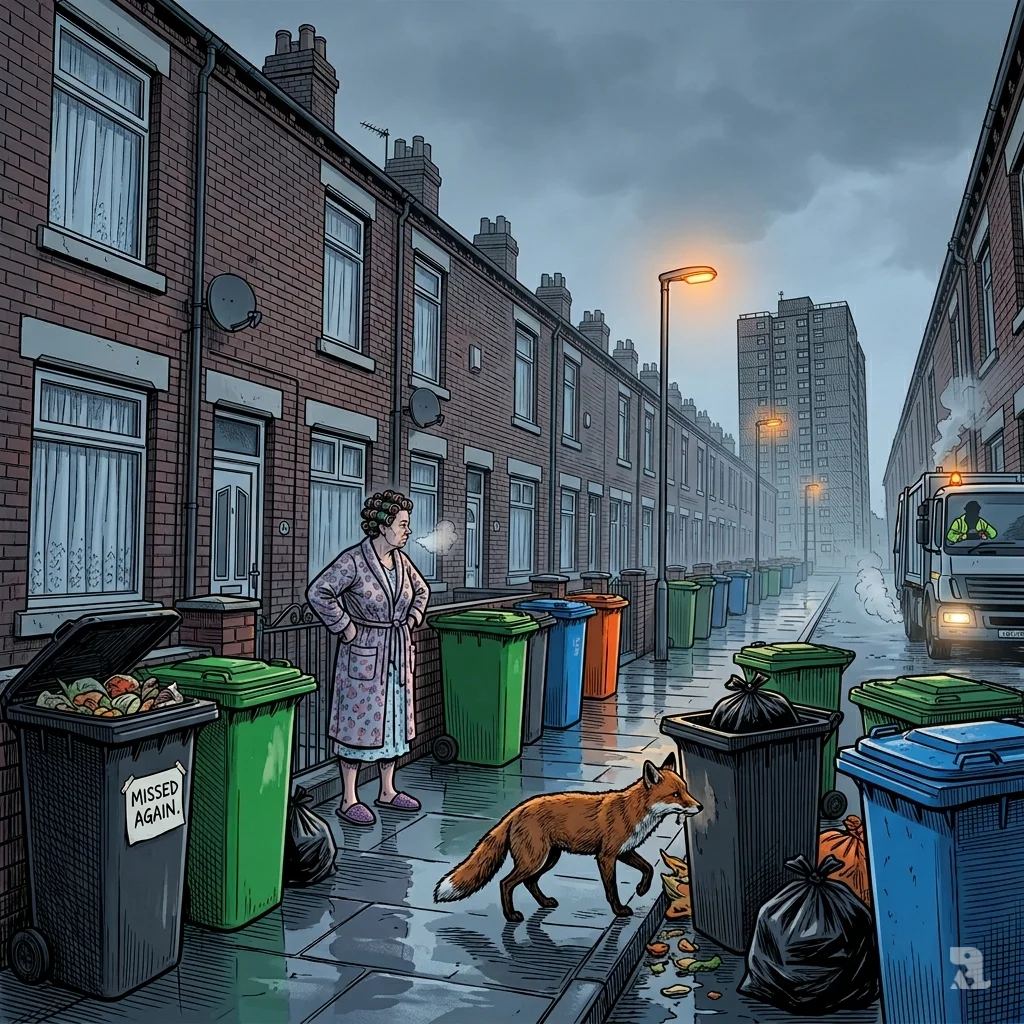
On 31 March, England launched its biggest recycling shake-up in 20 years — new Simpler Recycling rules now require weekly food waste collections from every home. But the ground reality tells a very different story.
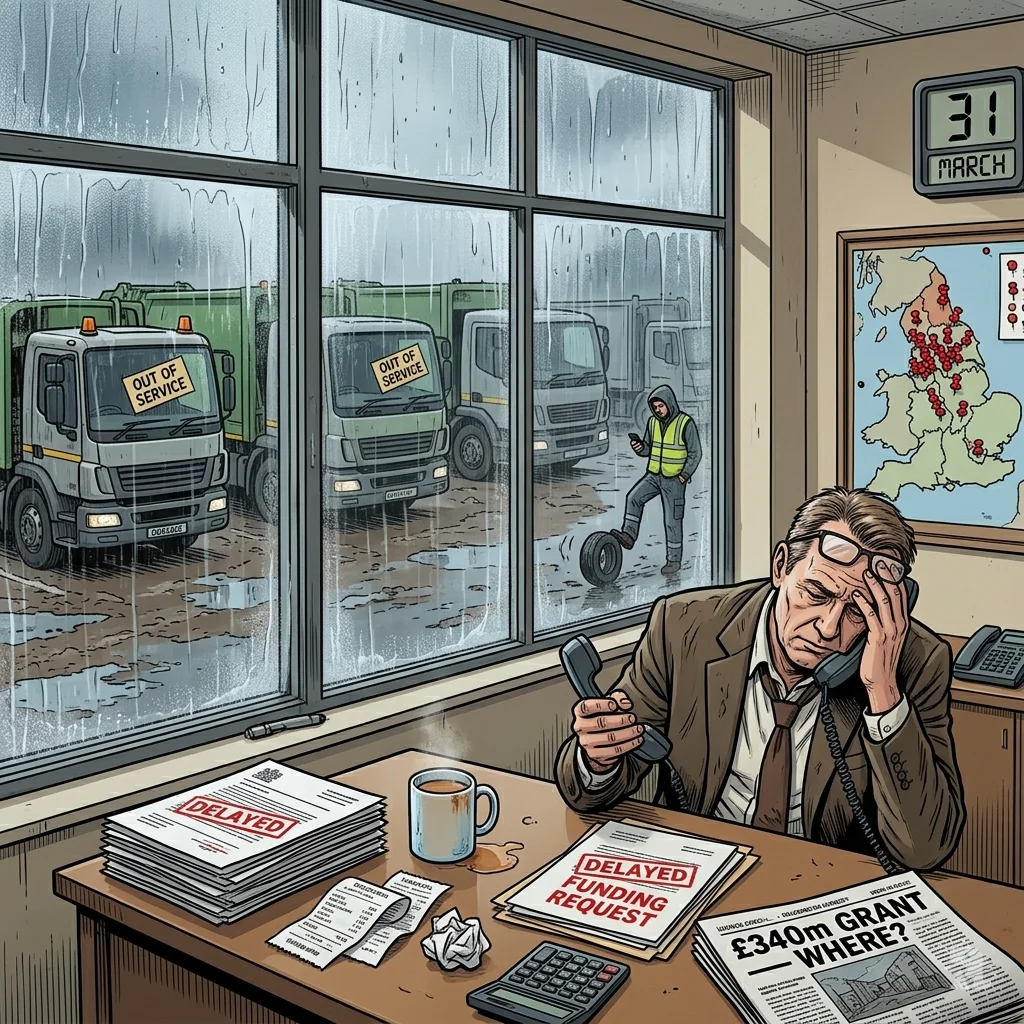
A BBC investigation revealed 79 English councils — 1 in 4 — could not meet the deadline. Councils blamed the delay on shortage of specialist vehicles and funding gaps, despite £340m in government grants.
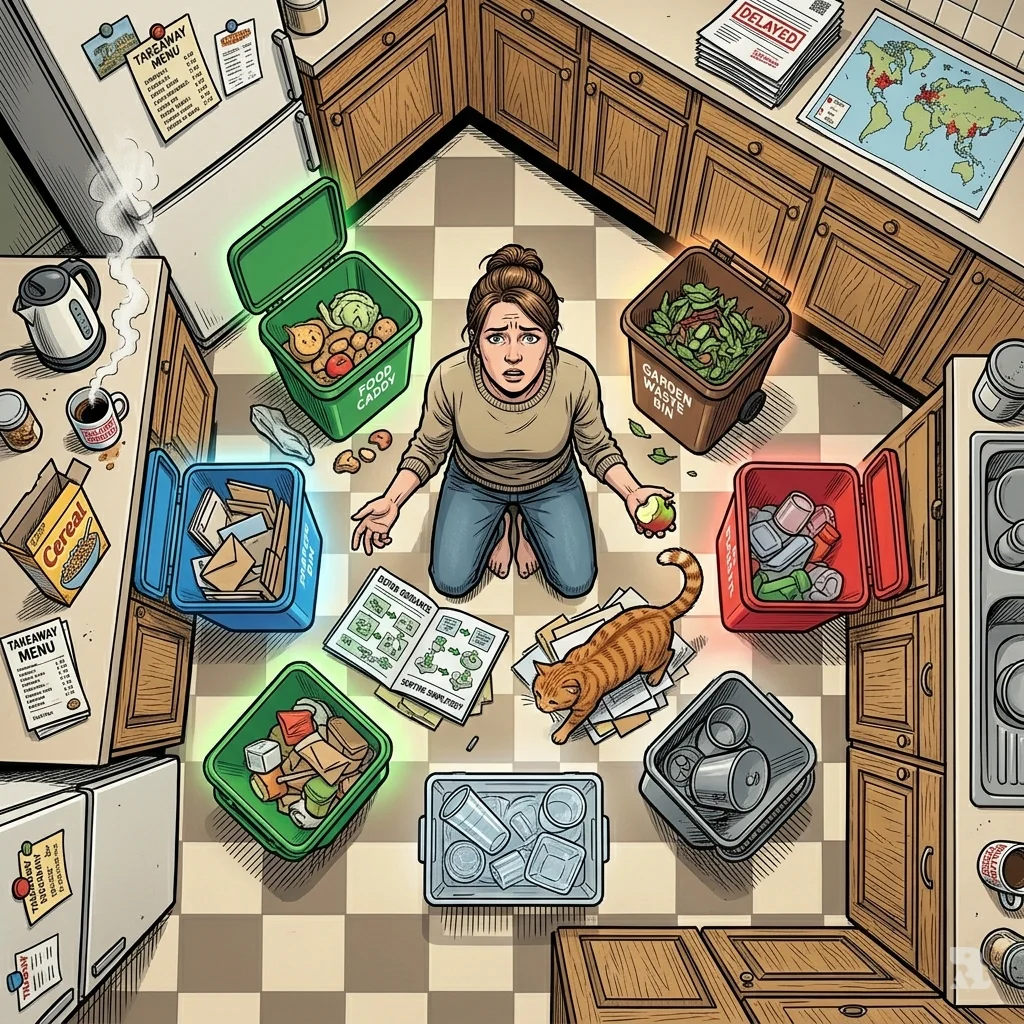
Under Defra’s new guidance, councils must separately collect food waste, garden waste, paper, card, glass, metal, plastic, and residual waste. Roughly half of councils were not collecting food waste weekly before these rules.
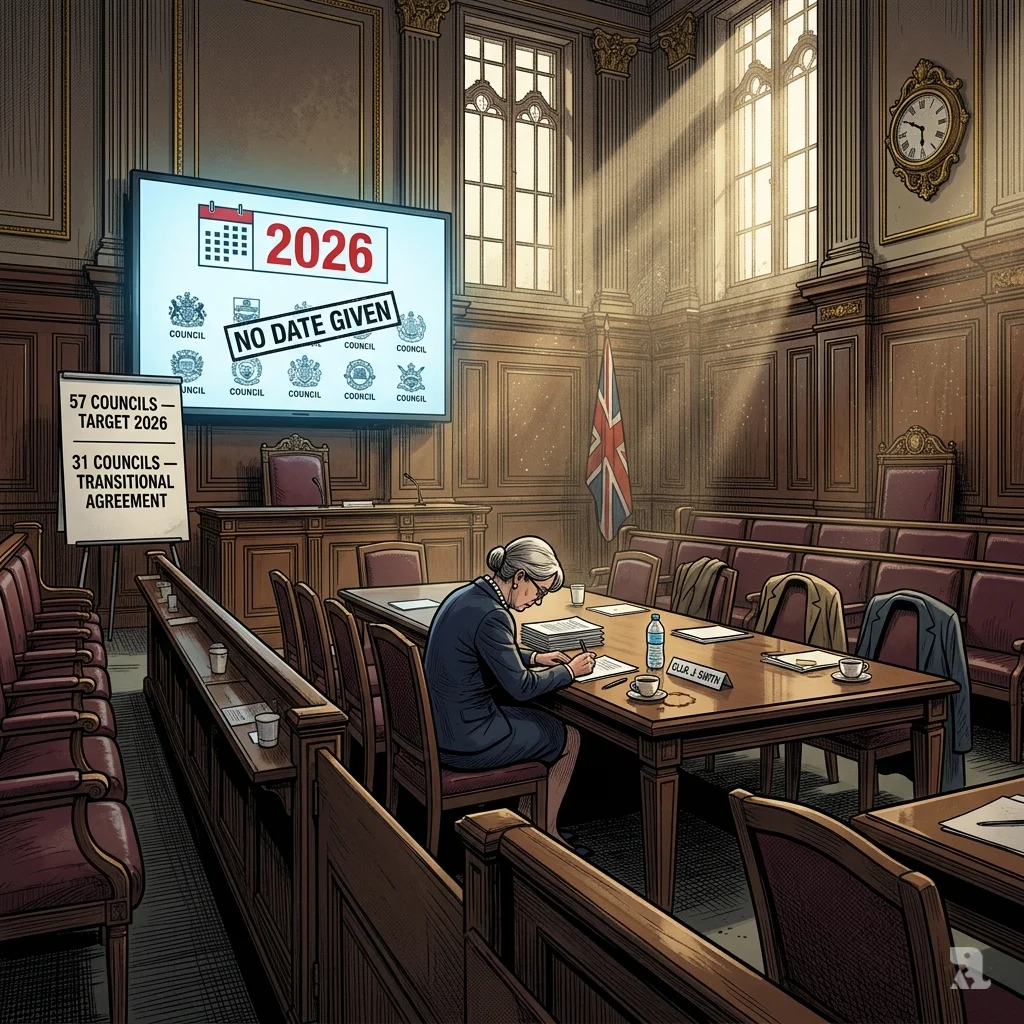
At least 57 councils aim to launch by end of 2026, while a dozen gave no date. With 31 councils on transitional agreements, over a third of English councils still won’t collect food waste.
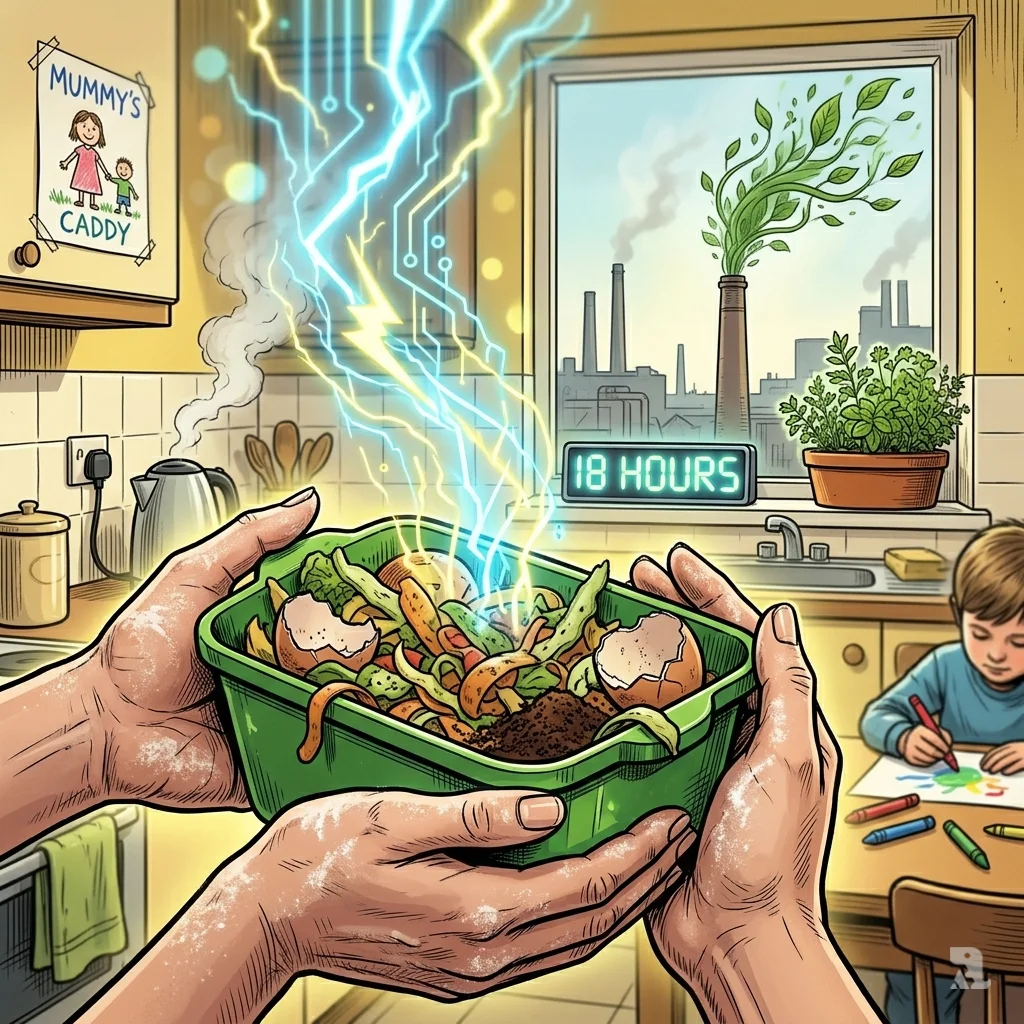
WRAP says 1 kitchen caddy of food waste can power a fridge for 18 hours. Recycling food waste separately produces electricity, cuts greenhouse gas emissions from landfills, and encourages people to waste less food overall.
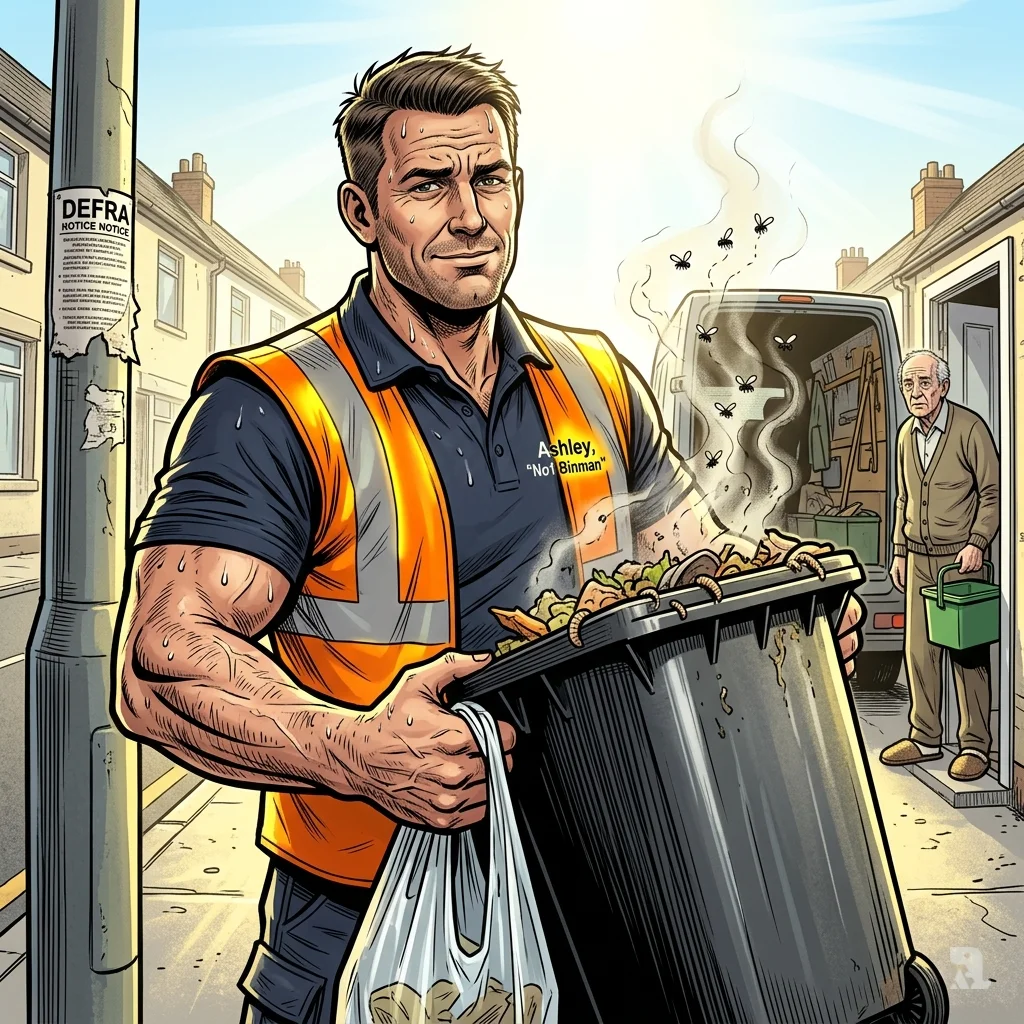
Refuse worker Ashley, known as No1 Binman, warns maggots invade general bins with food. He suggests lining caddies and using biodegradable bags. Defra warns non-compliant councils risk judicial review but says over 2/3 are ready.