Russia Sues EU Over €210B Asset Freeze — Will Europe Lose?
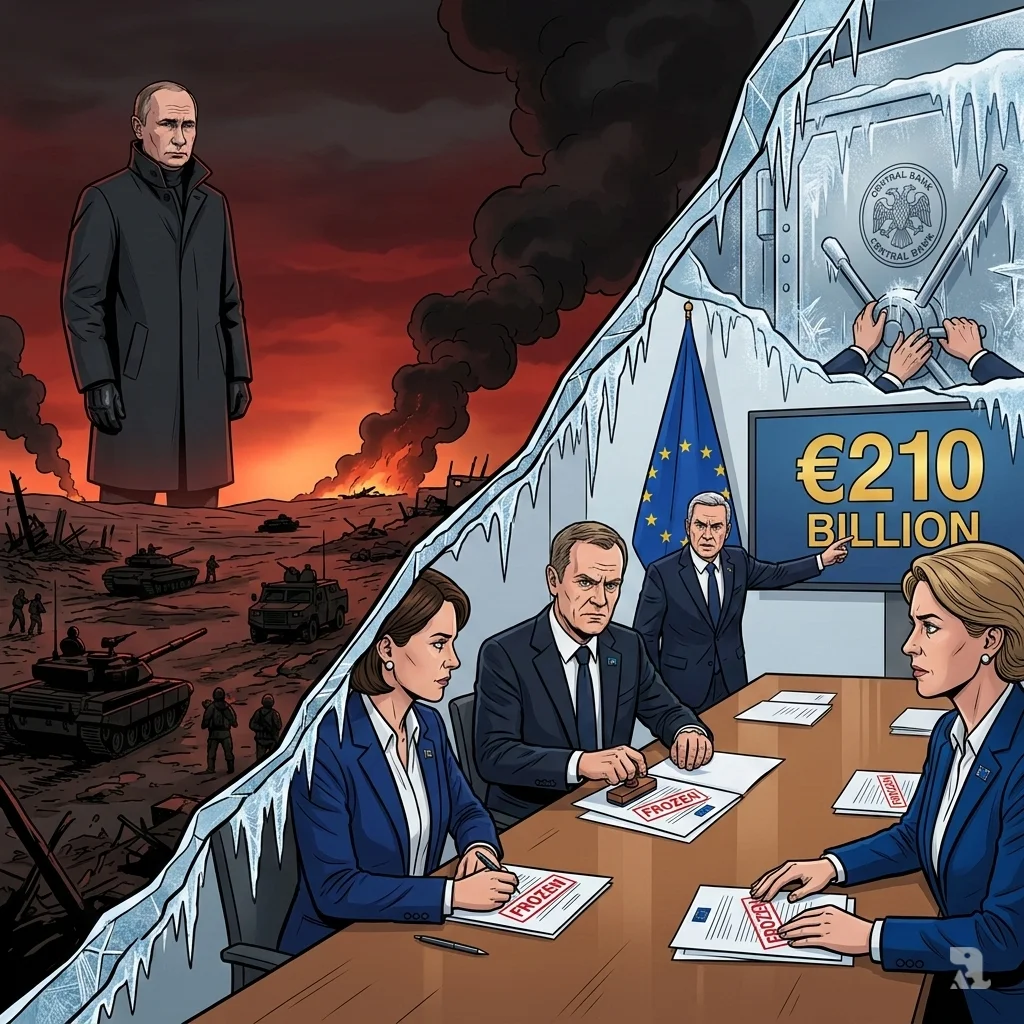
In February 2022, Vladimir Putin ordered the invasion of Ukraine. In response, the European Union froze about €210 billion ($246 billion) in Russian state assets, launching an unprecedented financial action against Moscow.
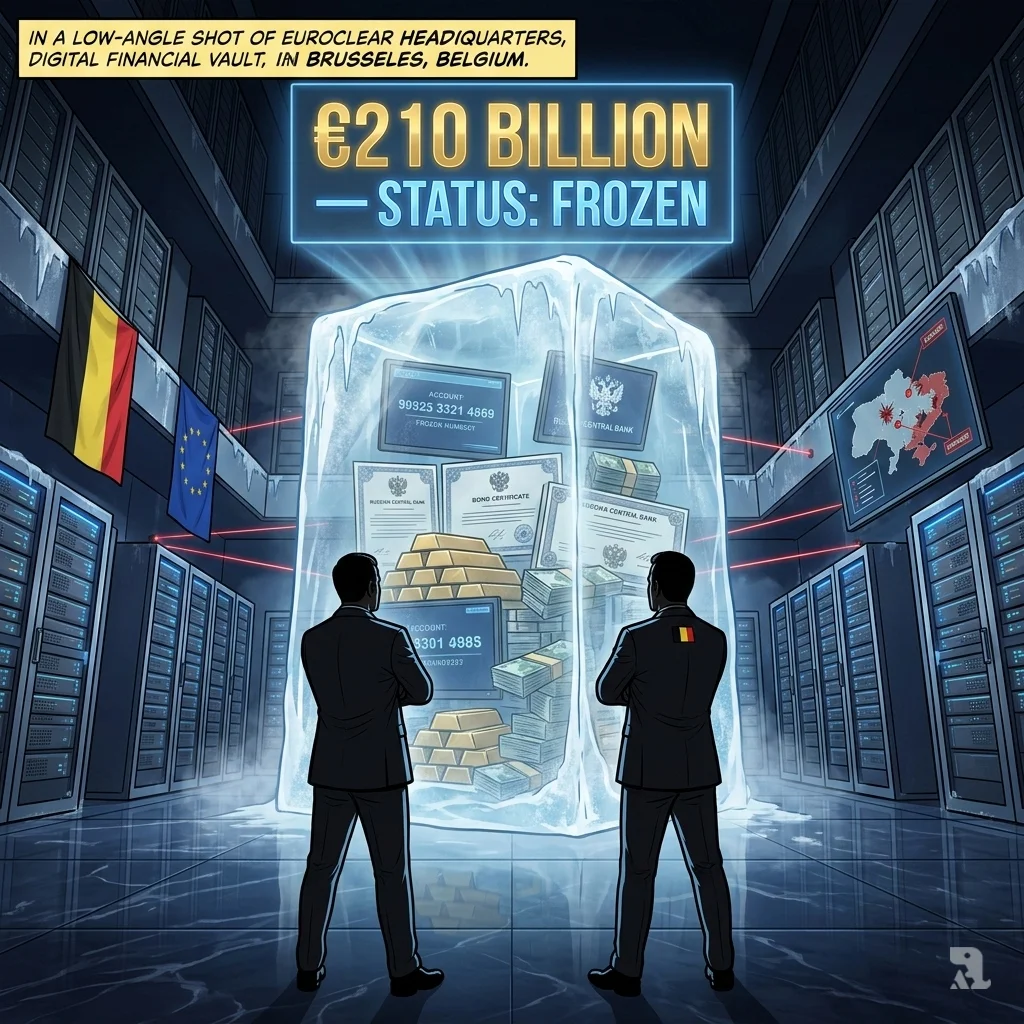
Most of the €210 billion is held at Euroclear in Belgium. The Belgian government has resisted EU plans to use the funds to support Ukraine, creating internal disagreement within the bloc over the assets’ future.
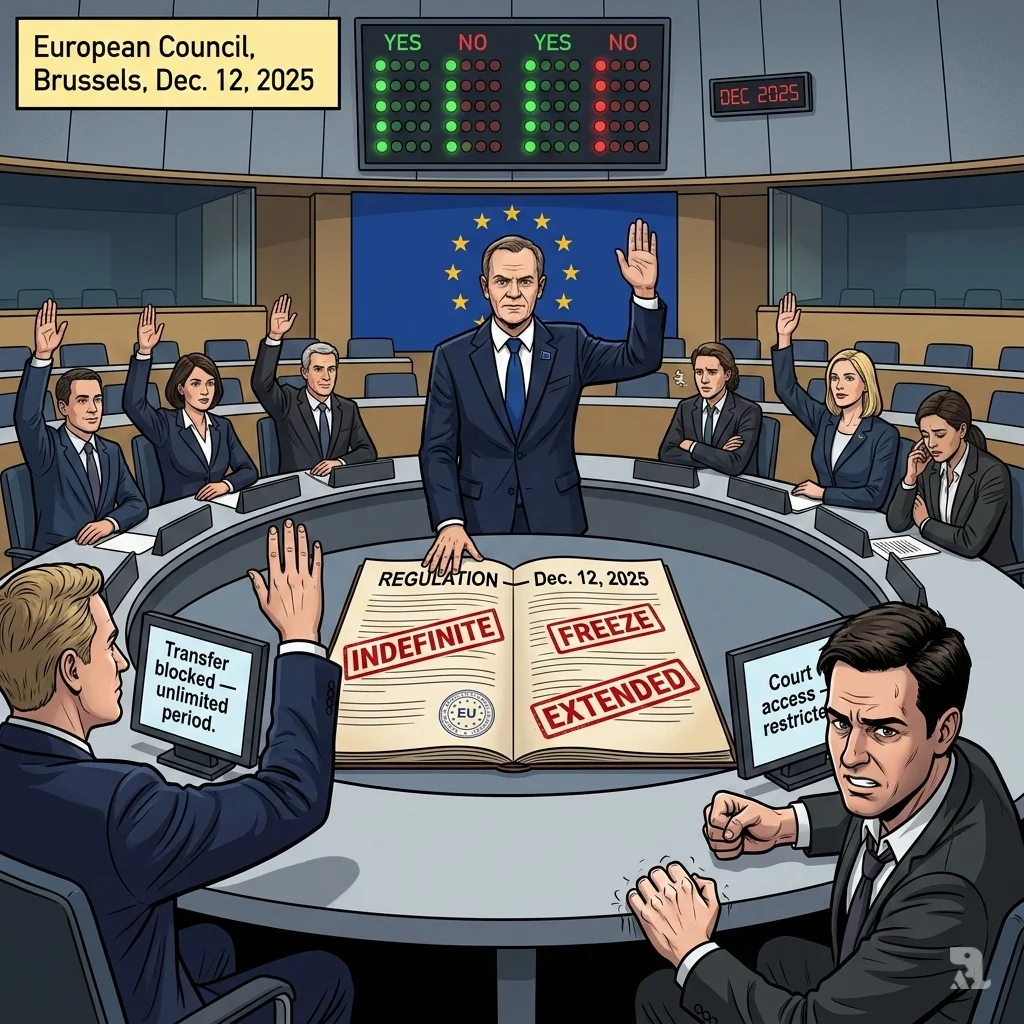
On December 12, 2025, the European Council approved a rule extending the indefinite freeze. It blocked transfers for an unlimited time. Russia later argued the Council used majority voting instead of the required unanimous decision.
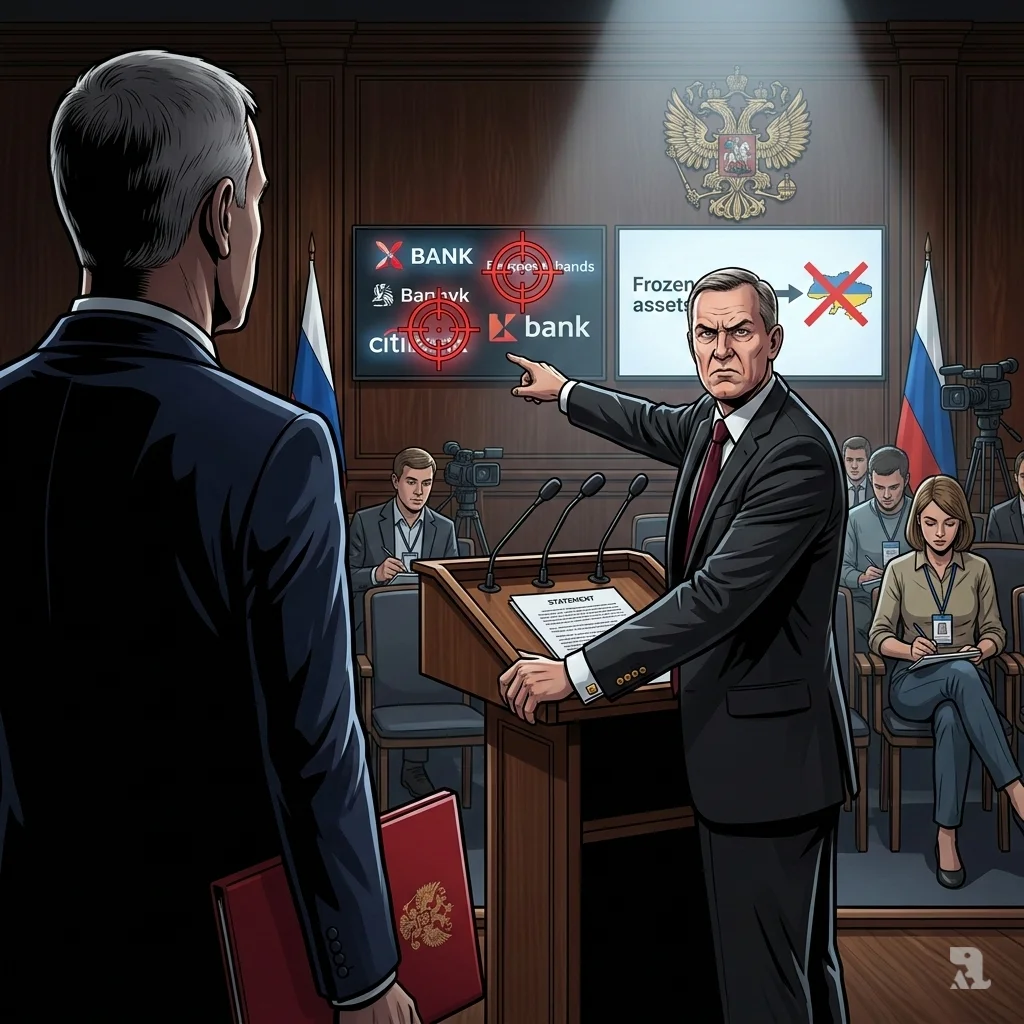
After the rule was published, the Russian Central Bank warned Europe it would seek compensation from European lenders in local courts if frozen Russian assets were used to financially support Ukraine.
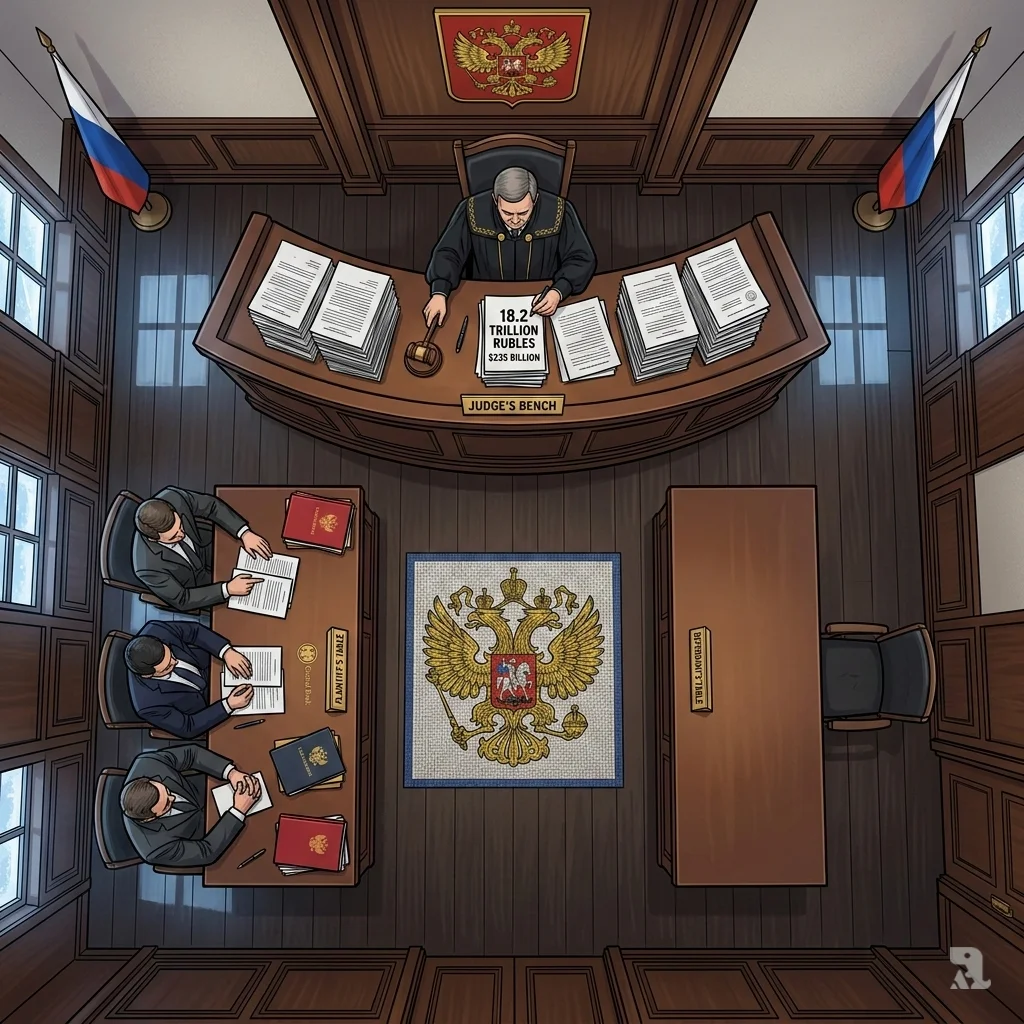
In December 2025, the Russian Central Bank filed a lawsuit in Moscow, demanding 18.2 trillion rubles ($235 billion) from Euroclear, which holds most frozen Russian state assets inside European jurisdiction.
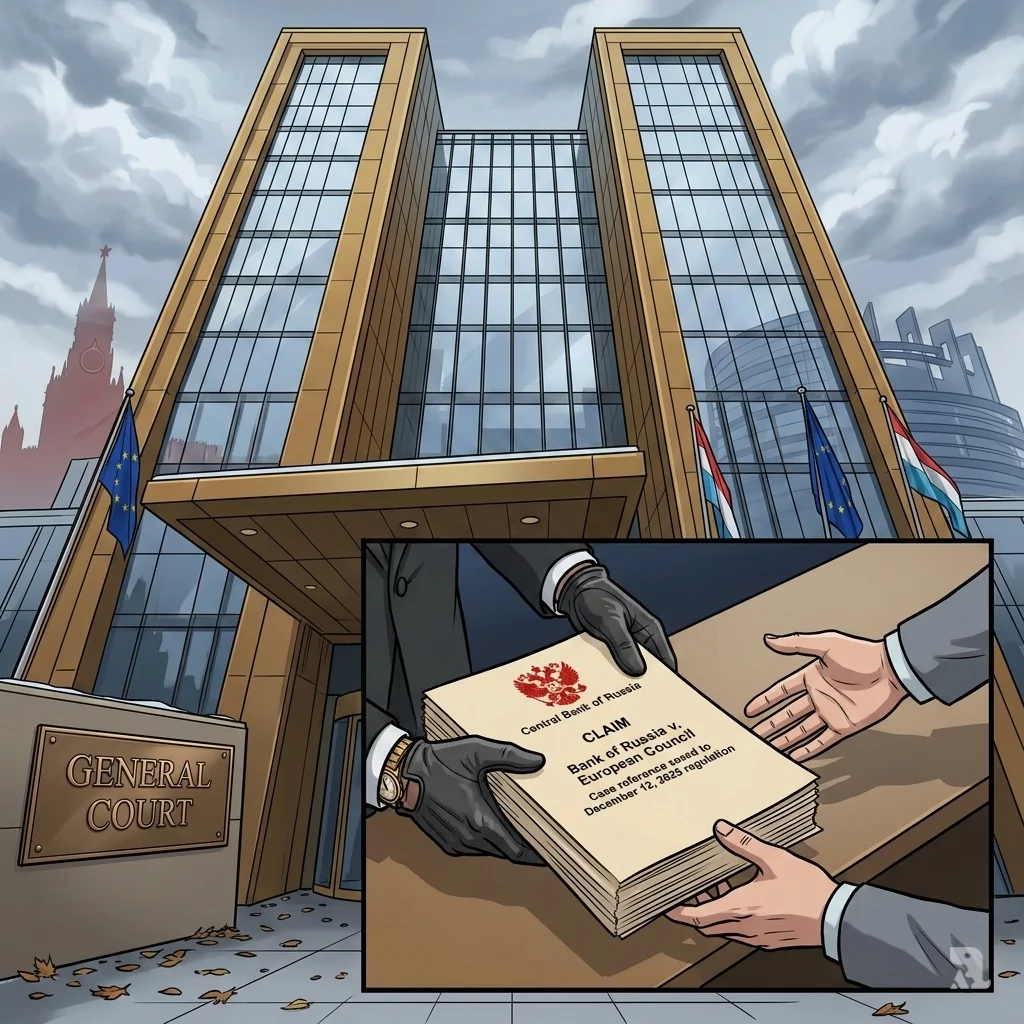
The Bank of Russia filed a legal case at the EU General Court in Luxembourg, challenging the December 2025 rule. It claims the indefinite freeze violates sovereign immunity, property rights, and access to justice under international law.