Pentagon Removes Senior Official Amid Iran Tensions and Military Buildup
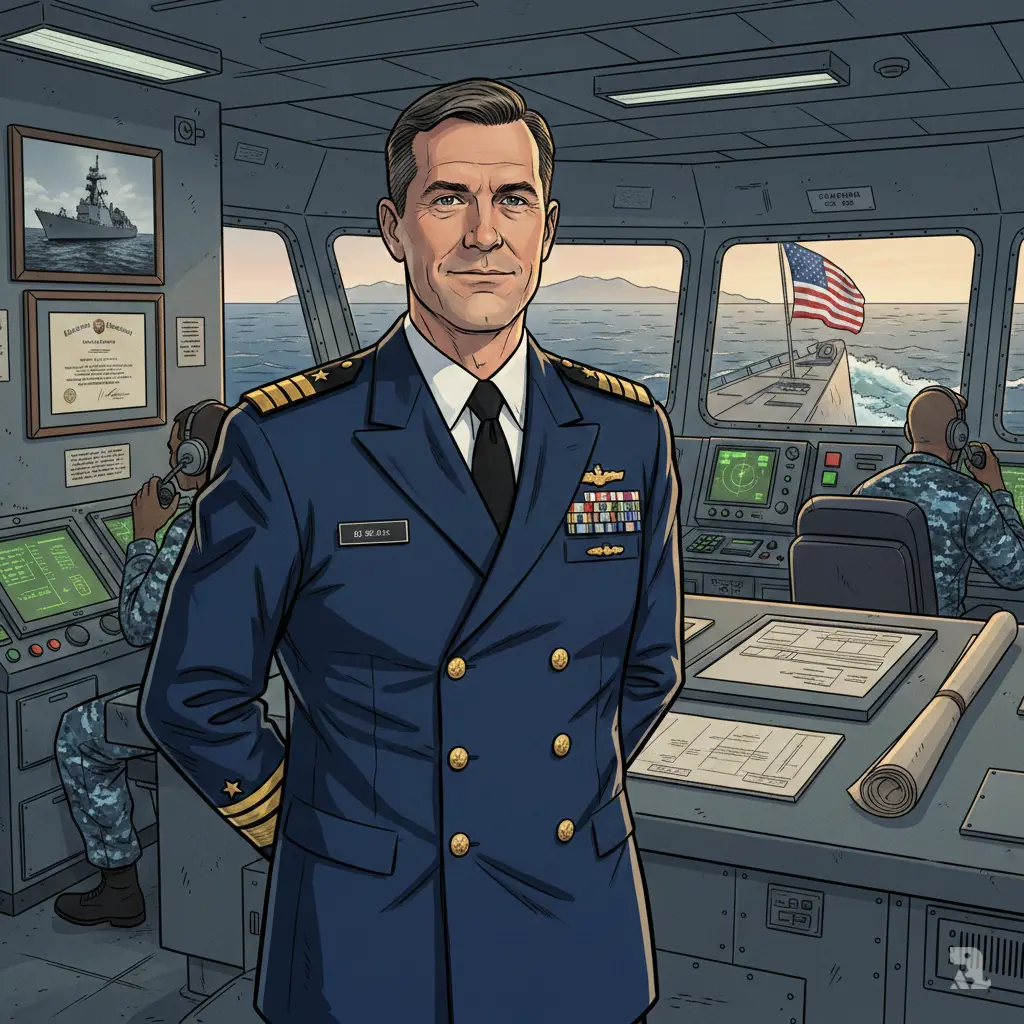
Vice Admiral Fred Kacher stands on a U.S. Navy warship bridge in full dress uniform with three-star insignia, Pacific Ocean and Japanese coastline visible through panoramic windows, surrounded by radar screens and naval instrumentation, establishing his distinguished military career.

Vice Admiral Fred Kacher built a long naval career. He commanded the Seventh Fleet in Japan, led the U.S. Naval Academy, captained USS Stockdale, and earned a master’s degree from Harvard Kennedy School.
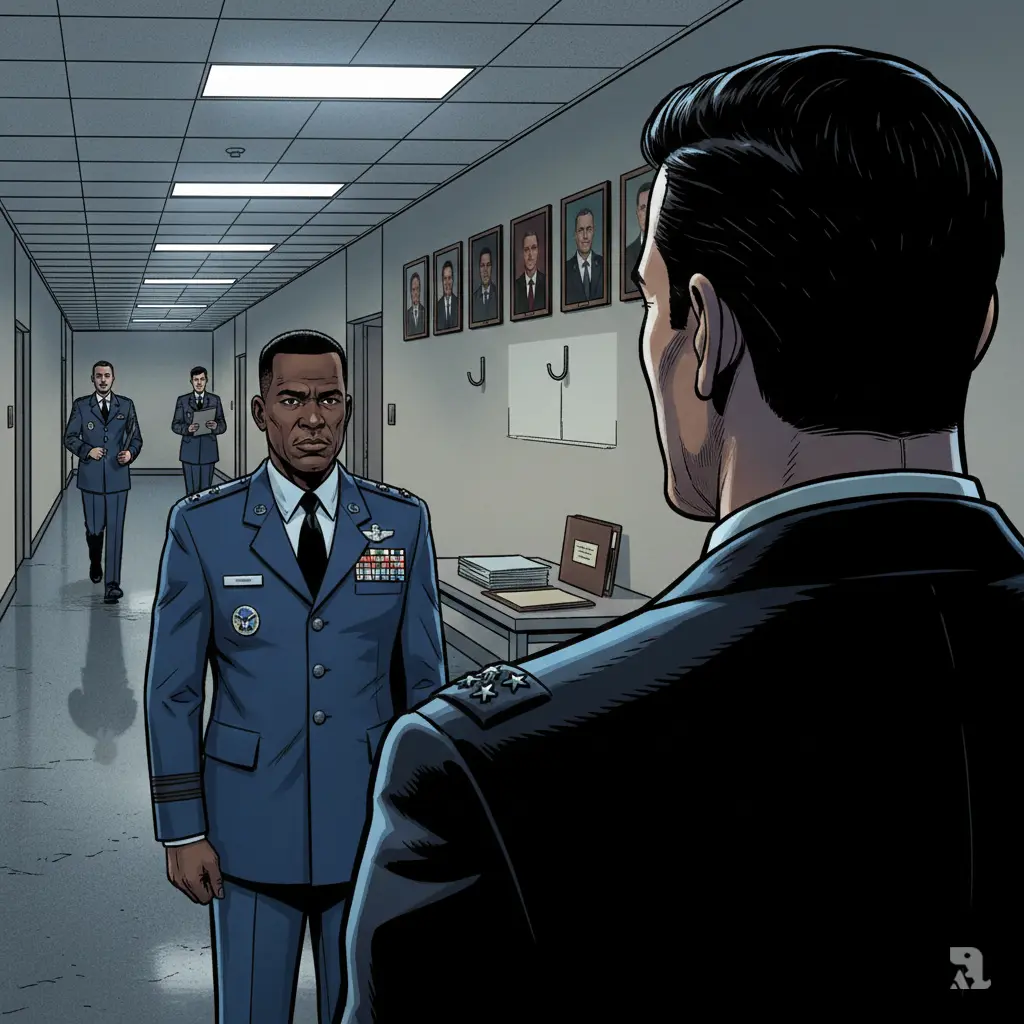
Defense Secretary Pete Hegseth viewed from behind confronts Air Force General C.Q. Brown at attention in a Pentagon corridor, with an empty portrait frame on the wall symbolizing leadership removal, establishing the pattern of high-level military dismissals.

Leadership turmoil had already hit the Pentagon. Defense Secretary Pete Hegseth fired Joint Chiefs Chairman Gen. C.Q. Brown, starting a pattern of high-level military removals that shook the department’s command structure.
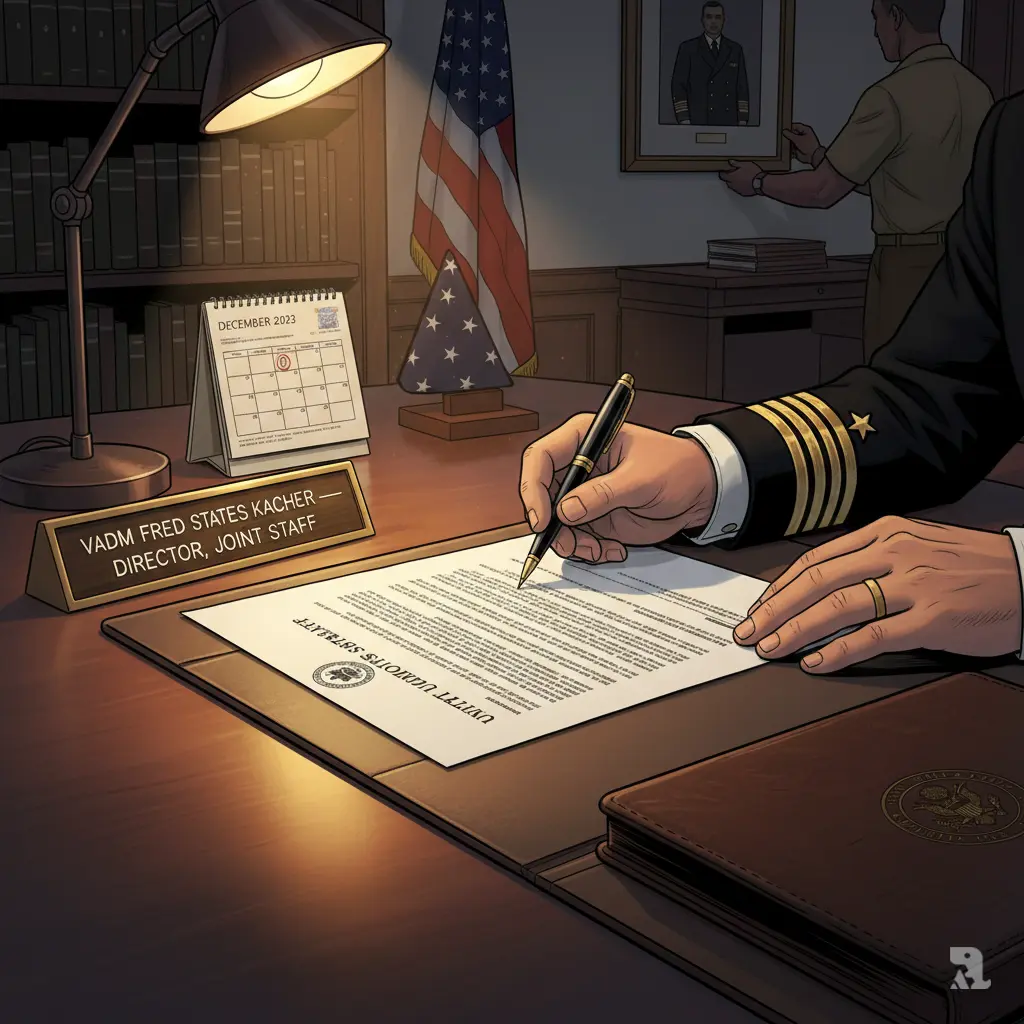
Close-up of Vice Admiral Kacher's hands signing official appointment documents at a Pentagon desk, with a brass nameplate reading "VADM FRED KACHER — DIRECTOR, JOINT STAFF" and December calendar visible, capturing the brief tenure before his removal.

In December, Kacher was appointed Director of the Joint Staff, a powerful 3-star role. The position supports the Chairman and often leads to major promotions and future combatant command assignments.
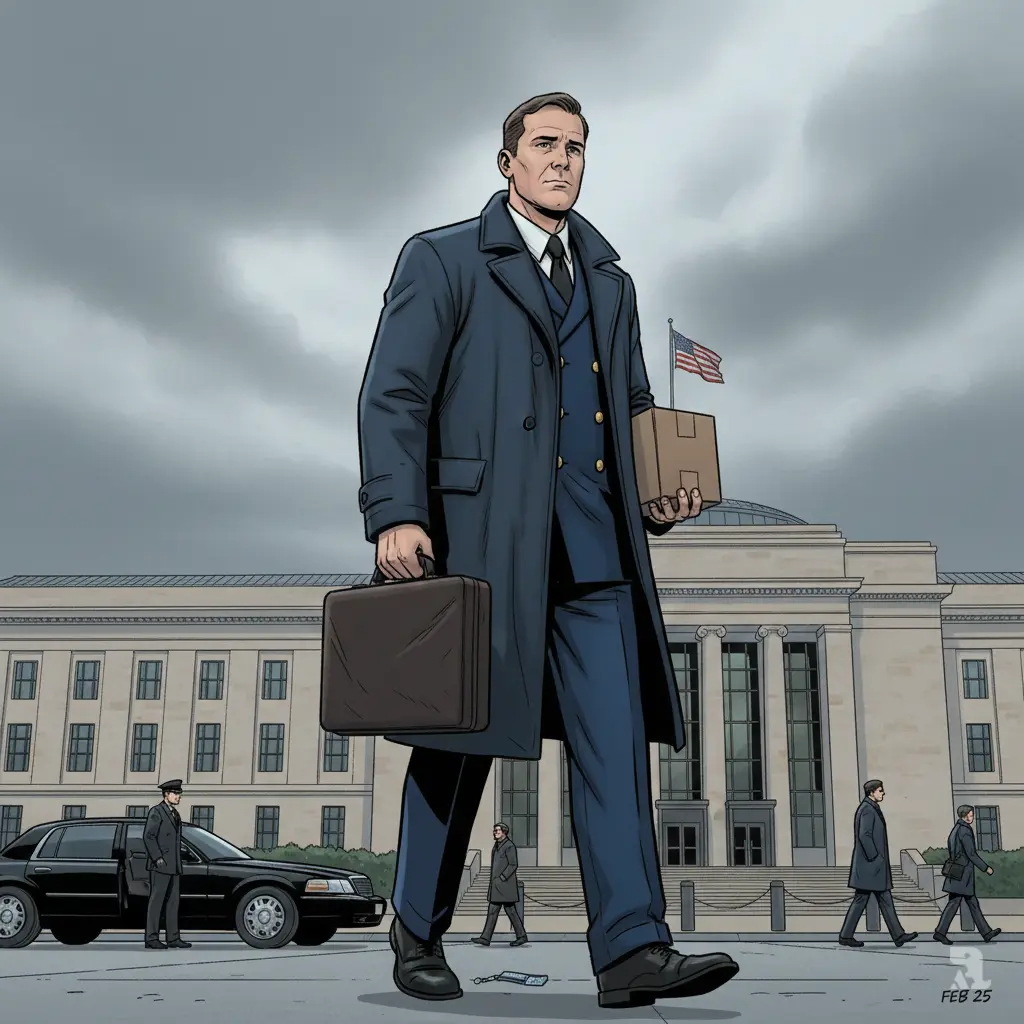
Vice Admiral Fred Kacher walks away from the Pentagon exterior carrying a cardboard box and briefcase on February 25, overcast sky looming above the massive five-sided building, government sedan waiting nearby, depicting his dismissal after two months.

On Feb 25, Kacher was removed after just 2 months. Sources said he was “not the right fit.” Spokesperson Joseph Holstead said he would return to Navy service. No official reason was given.
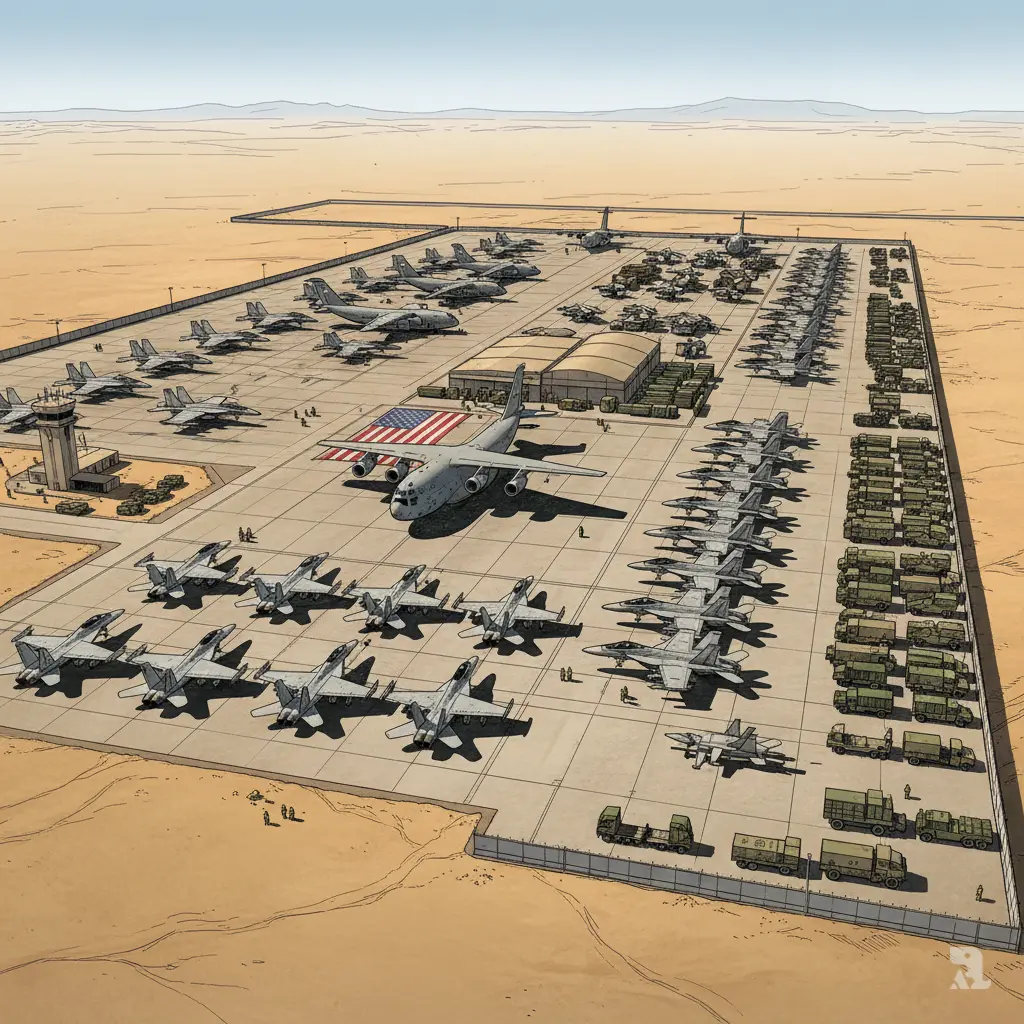
Aerial view of massive U.S. military airfield in Middle East desert with rows of fighter jets, transport aircraft, armored vehicles, and supply containers staged for potential Iran strikes, illustrating the strategic context behind Pentagon leadership changes.

The shakeup came as the U.S. military prepared a major buildup in the Middle East for possible strikes on Iran, if ordered by President Trump. Officials called upcoming nuclear talks critical to avoid conflict.
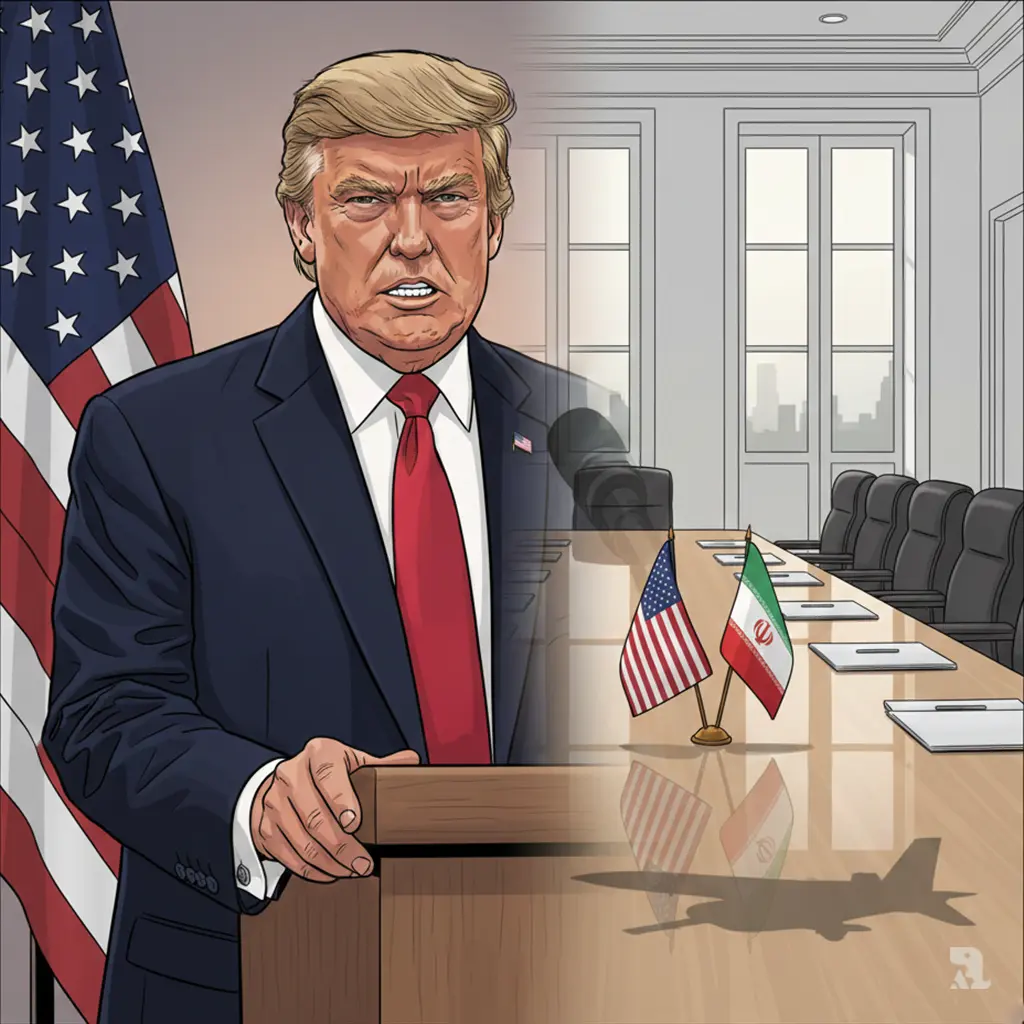
Split composition showing President Trump speaking at State of the Union podium on left, transitioning to empty diplomatic conference table with American and Iranian flags in Geneva on right, with subtle aircraft shadow symbolizing military option behind negotiations.

During the State of the Union, President Trump said he prefers diplomacy but warned Iran would never get a nuclear weapon. The U.S. and Iran planned nuclear talks in Geneva the next day, with military options still open.

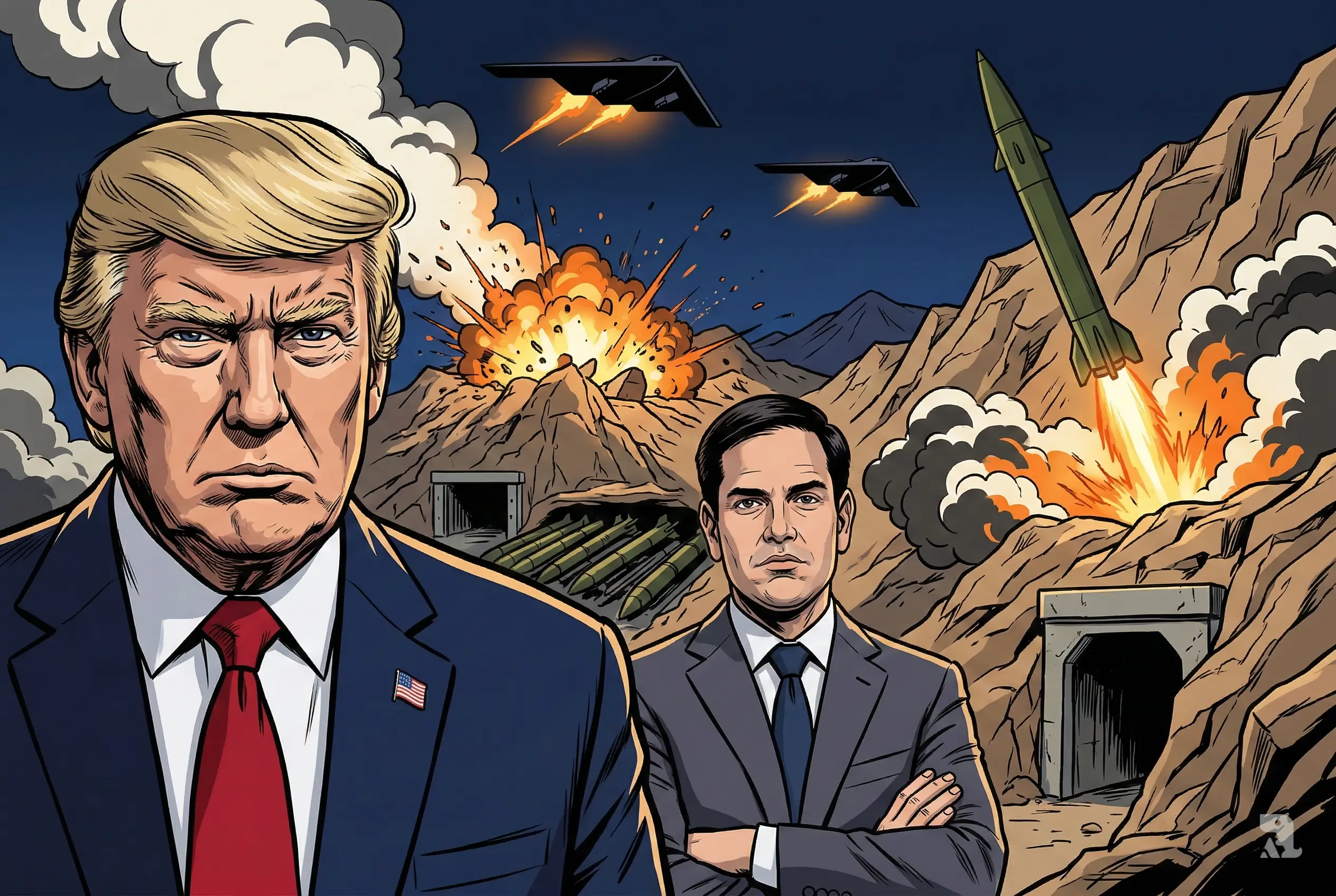
A quick visual update that saves you 10 minutes of reading – Source: U.S. News & World Report

Similar Posts