
Destroying Iran’s missile power looks easy — but reality shows a far darker truth
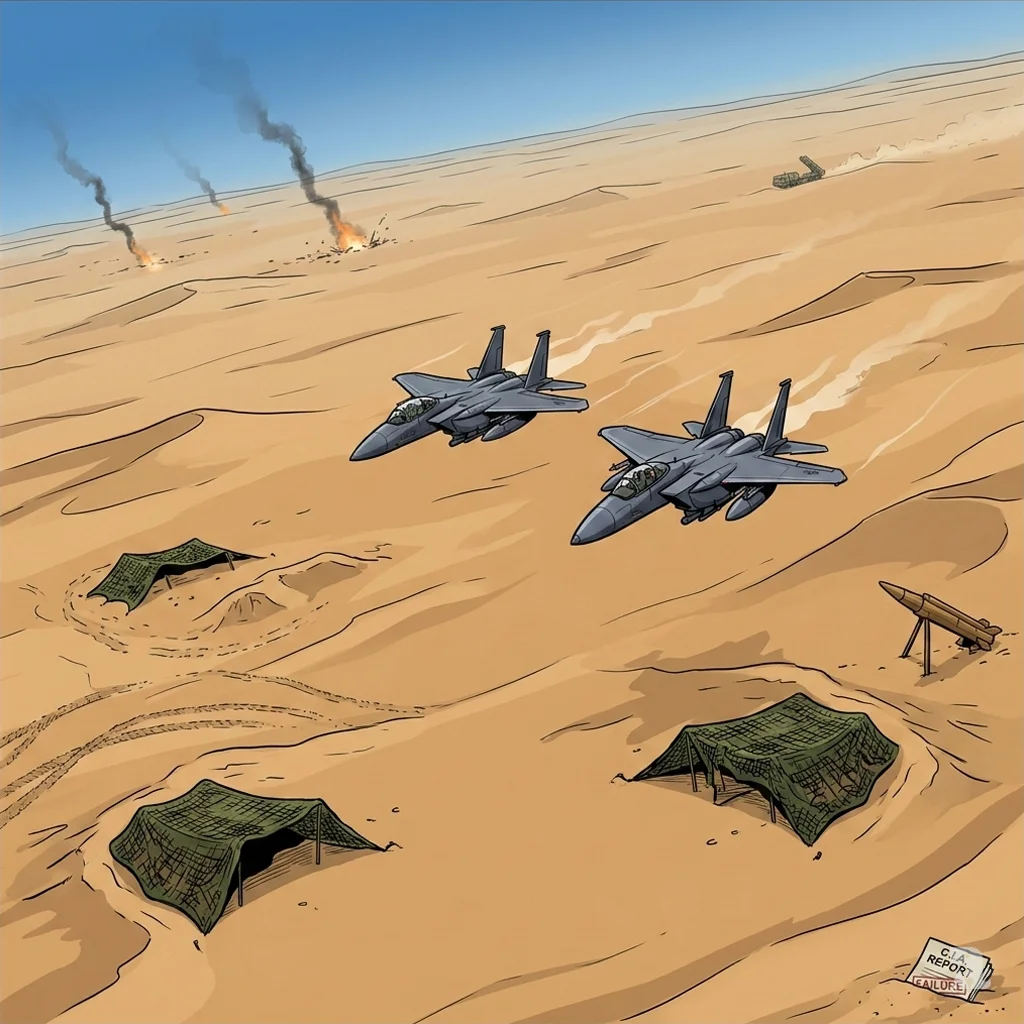
During 1991 Operation Desert Storm, the U.S. military created a special unit to hunt Iraqi Scud missiles across the desert. Later, a C.I.A. report said the mission had very little success.
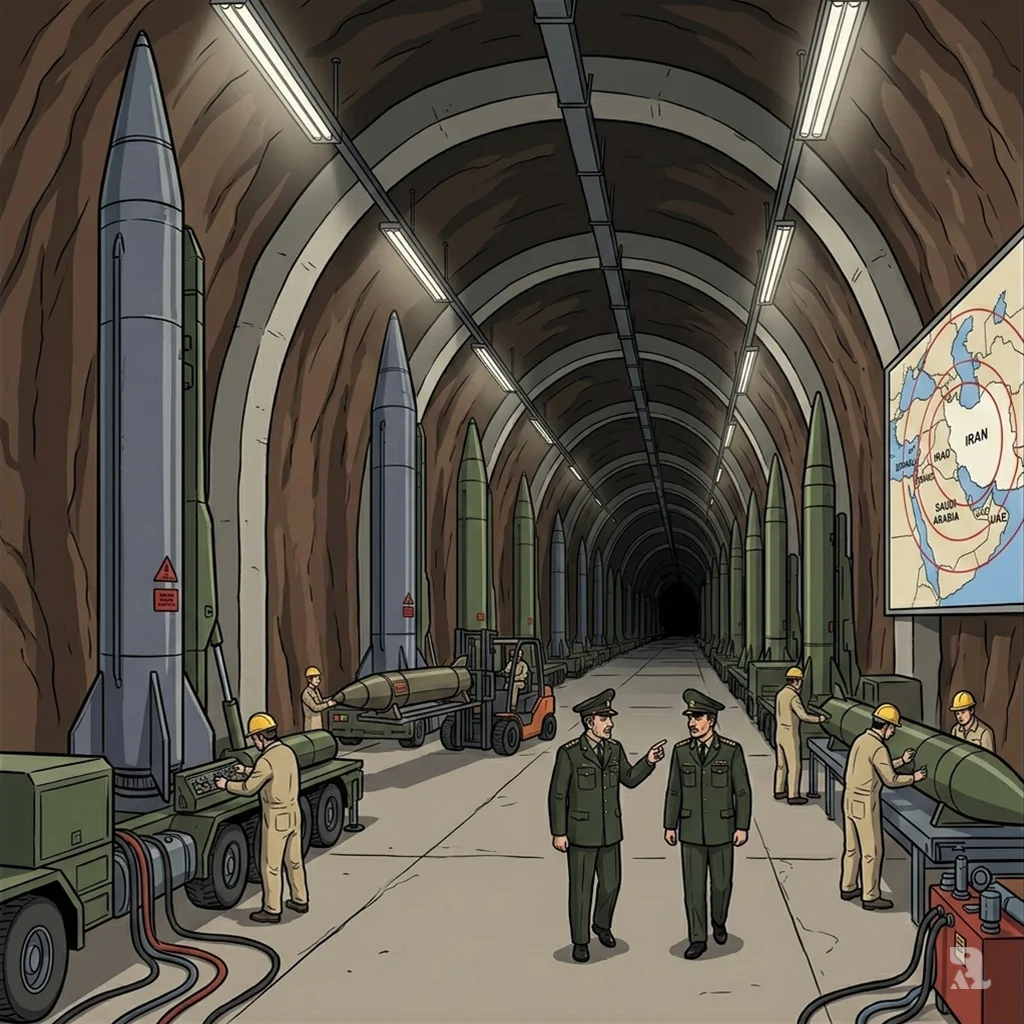
Over many decades, Iran built the Middle East’s largest ballistic missile arsenal, with ranges from 30 to 1,240 miles. A 2019 DIA report said Iran relied on missiles because it lacked a modern air force.

Between 2015–2023, U.S. and Yemeni forces stopped 18 vessels smuggling Iranian weapons to Houthi fighters. Missiles like Fateh-110, Qiam-1, Shahab-3 were shipped in parts, making tracking and detection far more difficult.
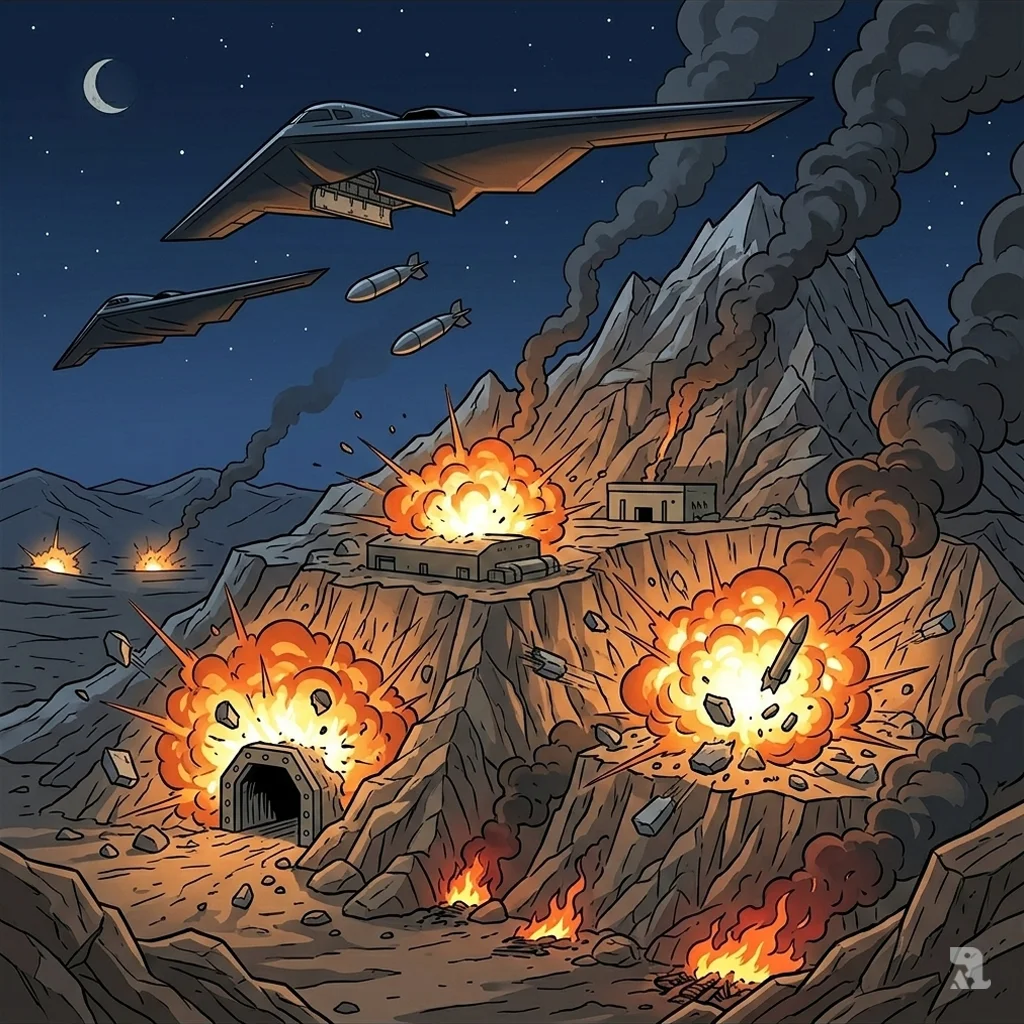
On Saturday, U.S. and Israeli forces began attacking Iranian missile facilities. B-2 stealth bombers dropped 2,000-pound bombs on underground targets, which Gen. Dan Caine later confirmed were deeply buried sites.
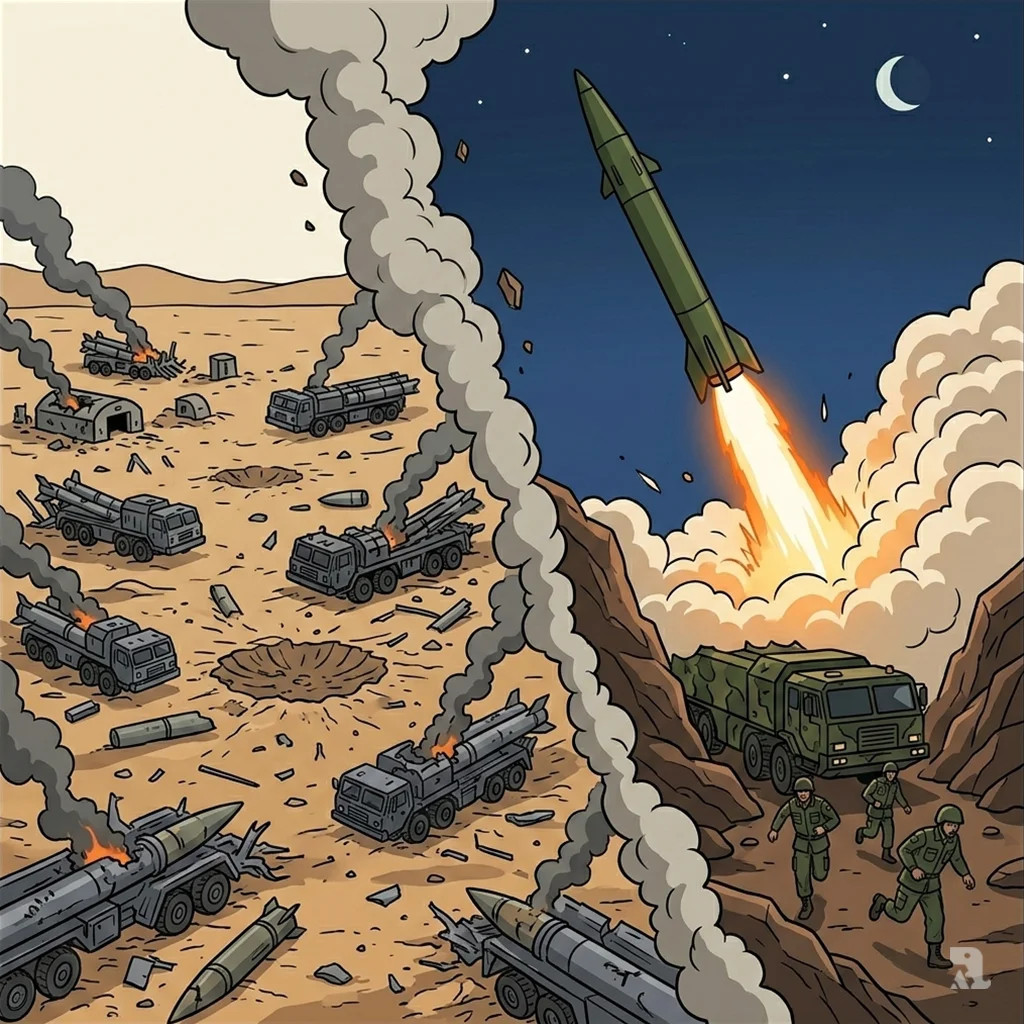
On Sunday, Israel claimed it destroyed about 200 missile launchers and damaged many more. Yet Iranian forces continued launching missiles, showing the country had rebuilt much of its missile program after a recent war.
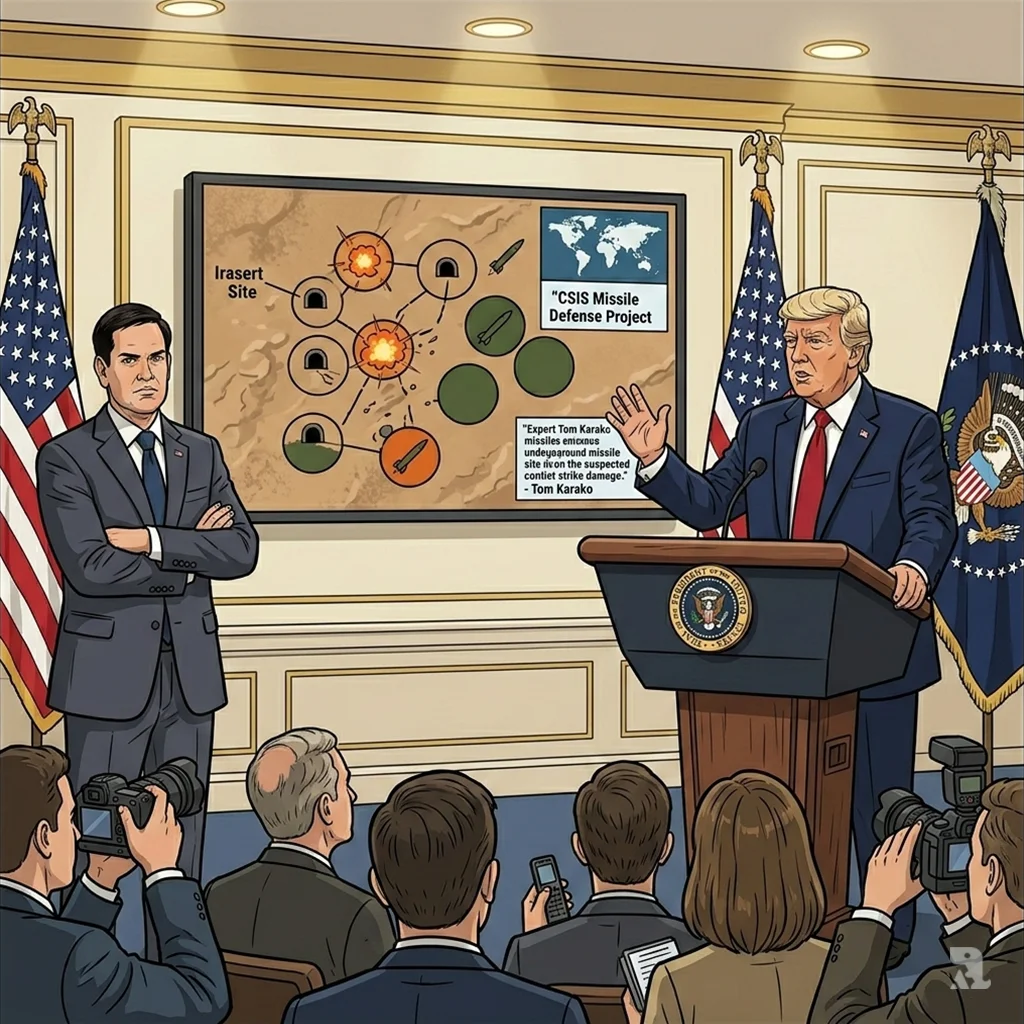
On Monday, President Trump called destroying Iran’s missile capability a top goal. Marco Rubio vowed attacks would continue, but CSIS expert Tom Karako warned airstrikes alone may not confirm total destruction.