|

Two superpowers plan global control, but China firmly rejects the G2 idea
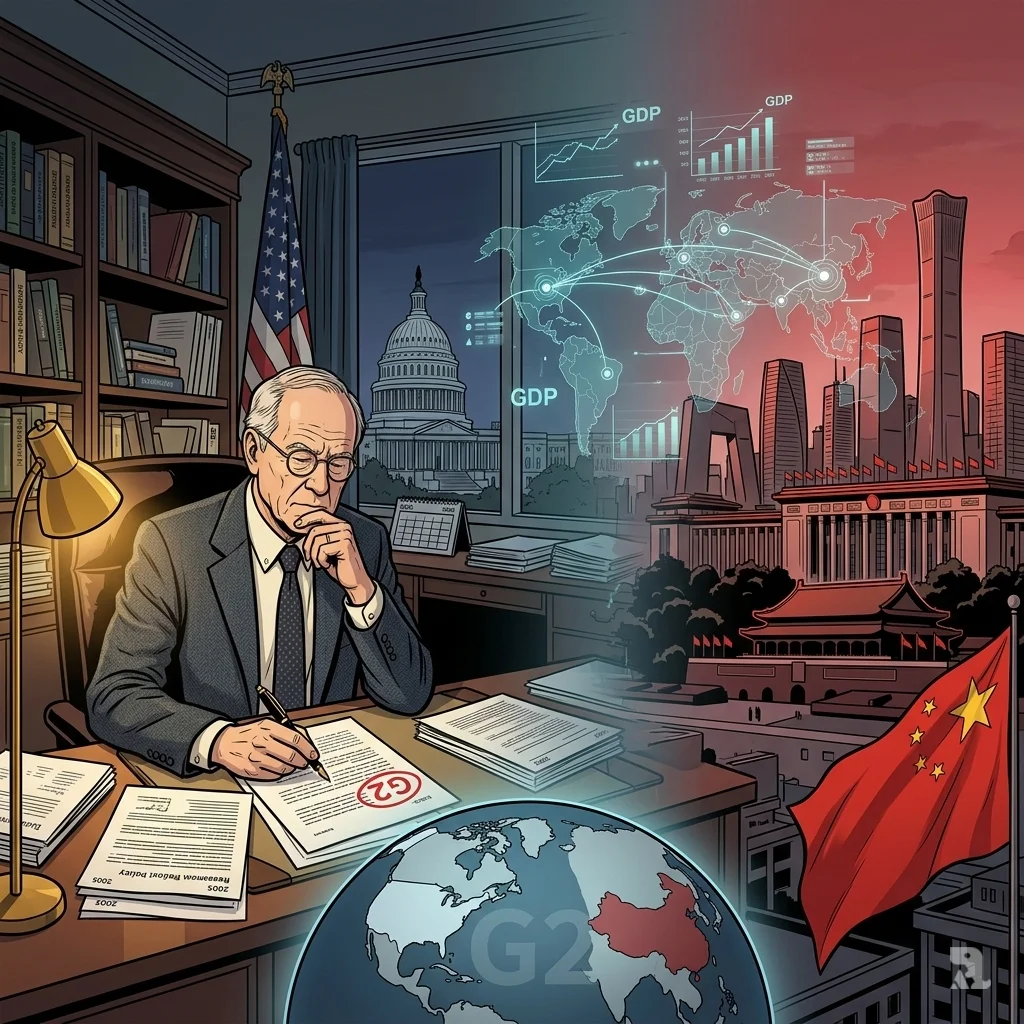
Split-frame view of Washington D.C. economist C. Fred Bergsten at a desk circling "G2" on a 2005 research paper, transitioning to Beijing skyline with holographic world map linking U.S.-China economies in glowing data lines.

In 2005, economist C. Fred Bergsten proposed the “G2” idea, urging stronger communication between the United States and China, the world’s 2 largest economies, shaping major geopolitical discussions.
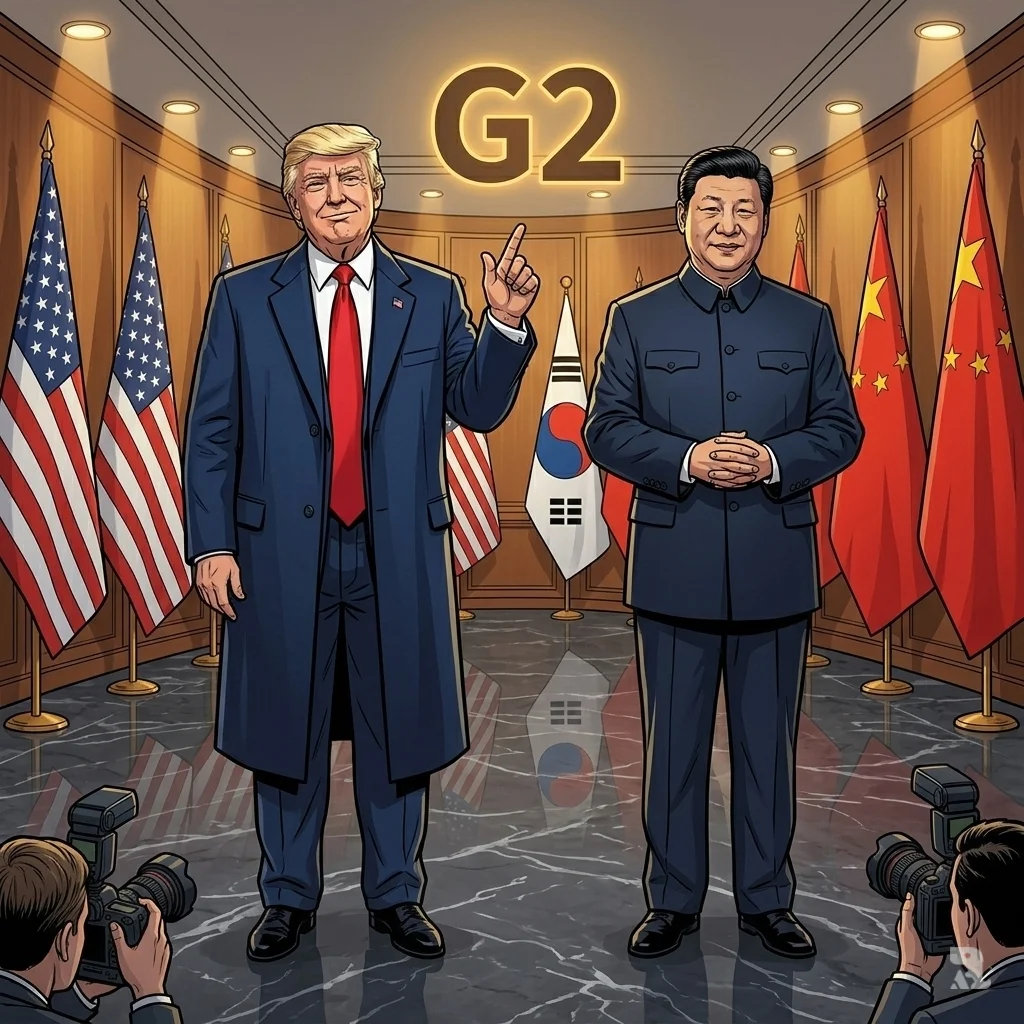
Low-angle shot of Presidents Trump and Xi Jinping in South Korea diplomatic room, Trump pointing assertively as "G2" glows between them amid U.S. and Chinese flags, symbolizing revived U.S.-China global partnership.

Last fall, Donald Trump repeatedly used “G2” during his meeting with Xi Jinping in South Korea, saying global power mainly depends on the U.S.–China partnership.
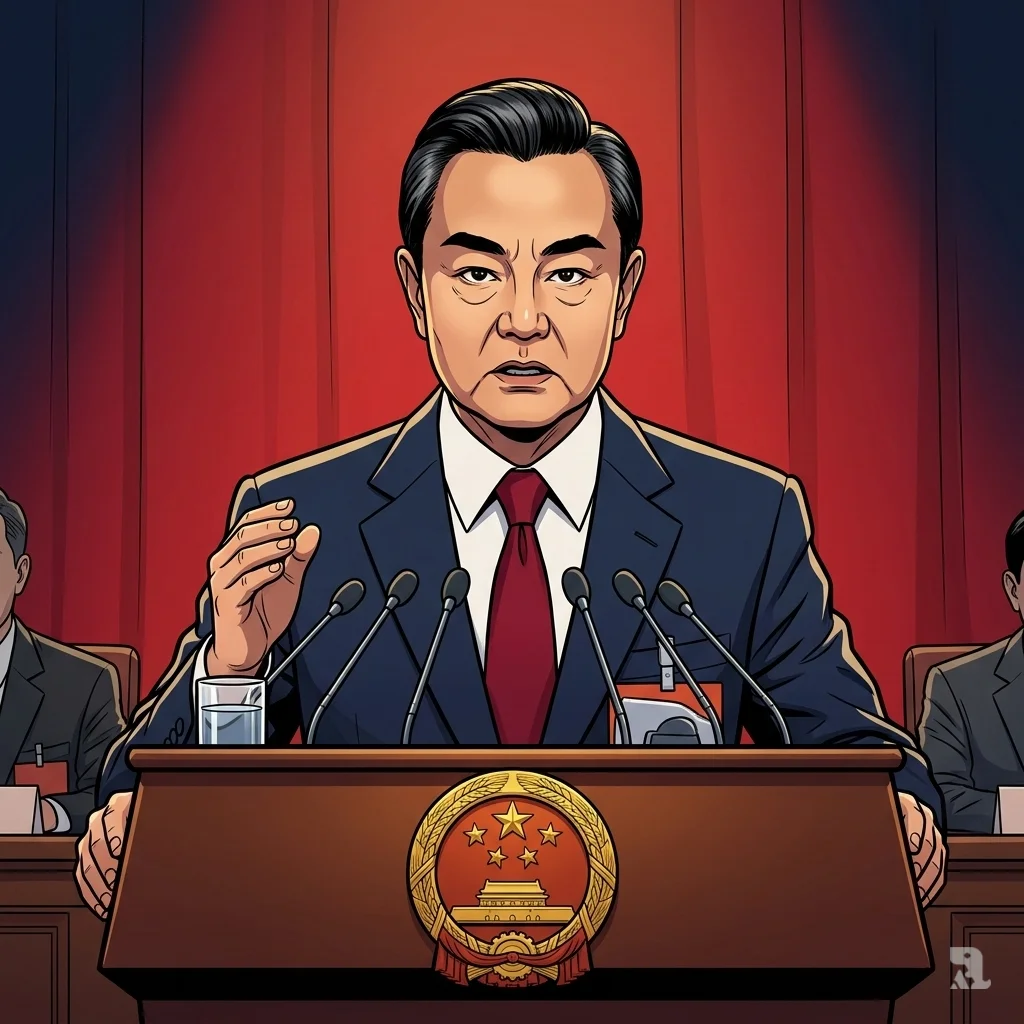
Close-up of Chinese Foreign Minister Wang Yi at Beijing podium rejecting G2 concept, hand raised emphatically against red curtain backdrop with national emblem, emphasizing multipolar world of 190 nations.

At a Beijing press event during the National People’s Congress, Foreign Minister Wang Yi rejected the G2 idea, stressing that 190+ nations exist and history is shaped by many countries, not just two.
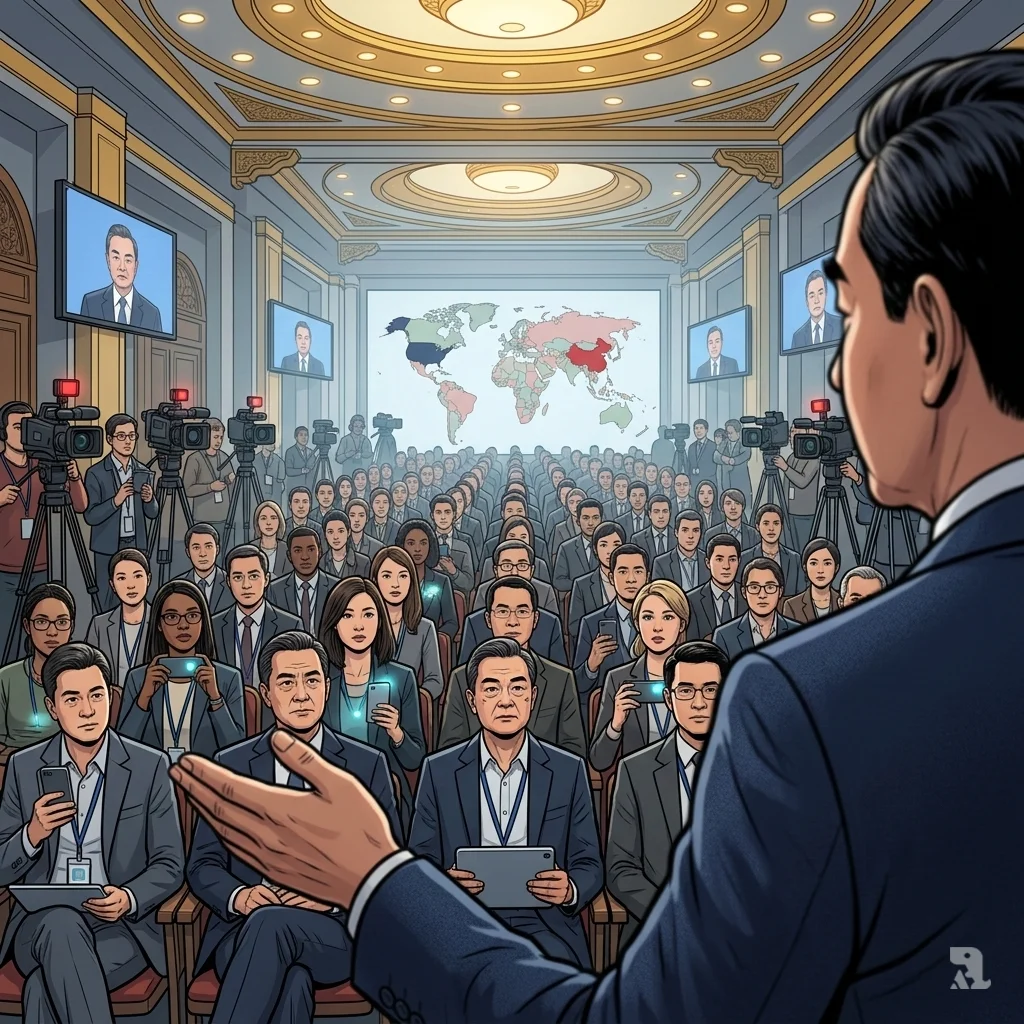
Over-the-shoulder view from Wang Yi's podium showing diverse global journalists recording his multipolar world advocacy, glowing screens and world map projection highlighting inclusive U.S.-China relations amid tiered audience.

Speaking at the Great Hall of the People, Wang Yi said China will “never seek hegemony”, supporting an equal multipolar world, while noting U.S.–China ties have major global impact and stable top-level leadership.
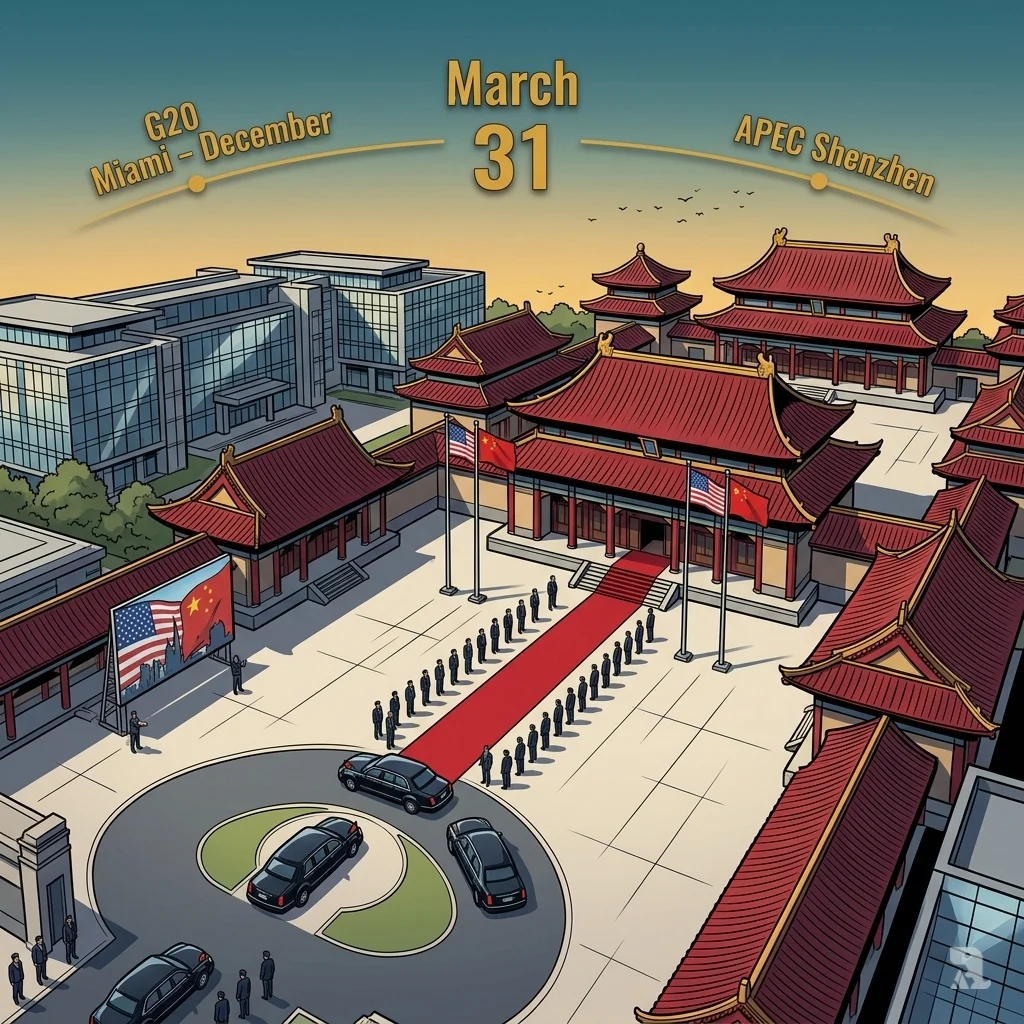
Aerial overview of Beijing diplomatic complex preparing for Trump-Xi 2026 summit, red carpet unrolling amid pagoda roofs, limousines, and floating calendar dates for March 31 China trip and G20 APEC meetings.

Trump and Xi may meet up to 4 times in 2026, starting March 31 with Trump’s 3-day China visit. Plans include a U.S. visit, the G20 in Miami, and APEC in Shenzhen.
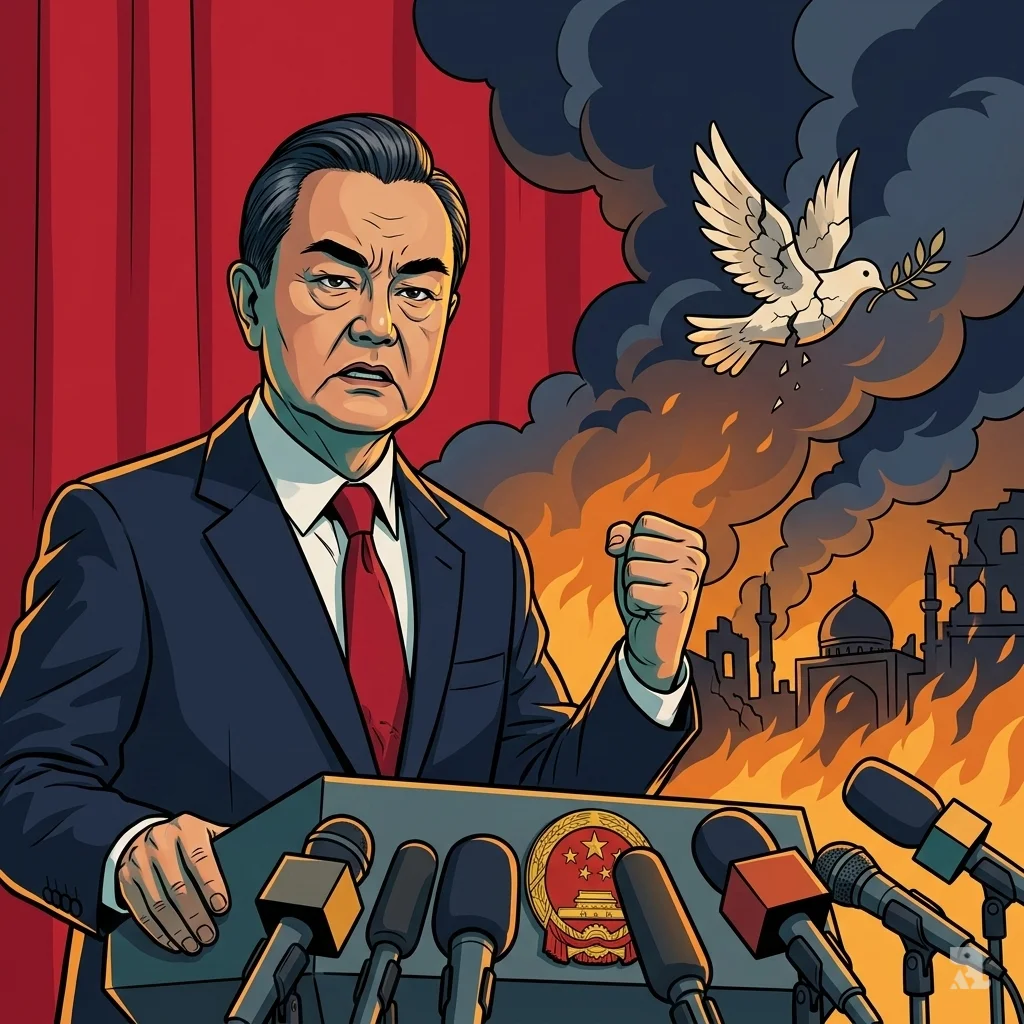
Low-angle of Wang Yi condemning U.S.-Israeli Iran strikes at podium, grave expression with clenched fist against red backdrop dissolving into fiery Middle East chaos smoke and broken peace symbols.

Wang Yi condemned ongoing U.S.–Israeli strikes in Iran, calling it a war that should not happen. He warned against force misuse and jungle law, saying tensions threaten upcoming Trump–Xi diplomacy.

A quick visual update that saves you 10 minutes of reading – Source: NBC News

Similar Posts