The US Is Helping Russia Earn War Money While Soldiers Die in Ukraine
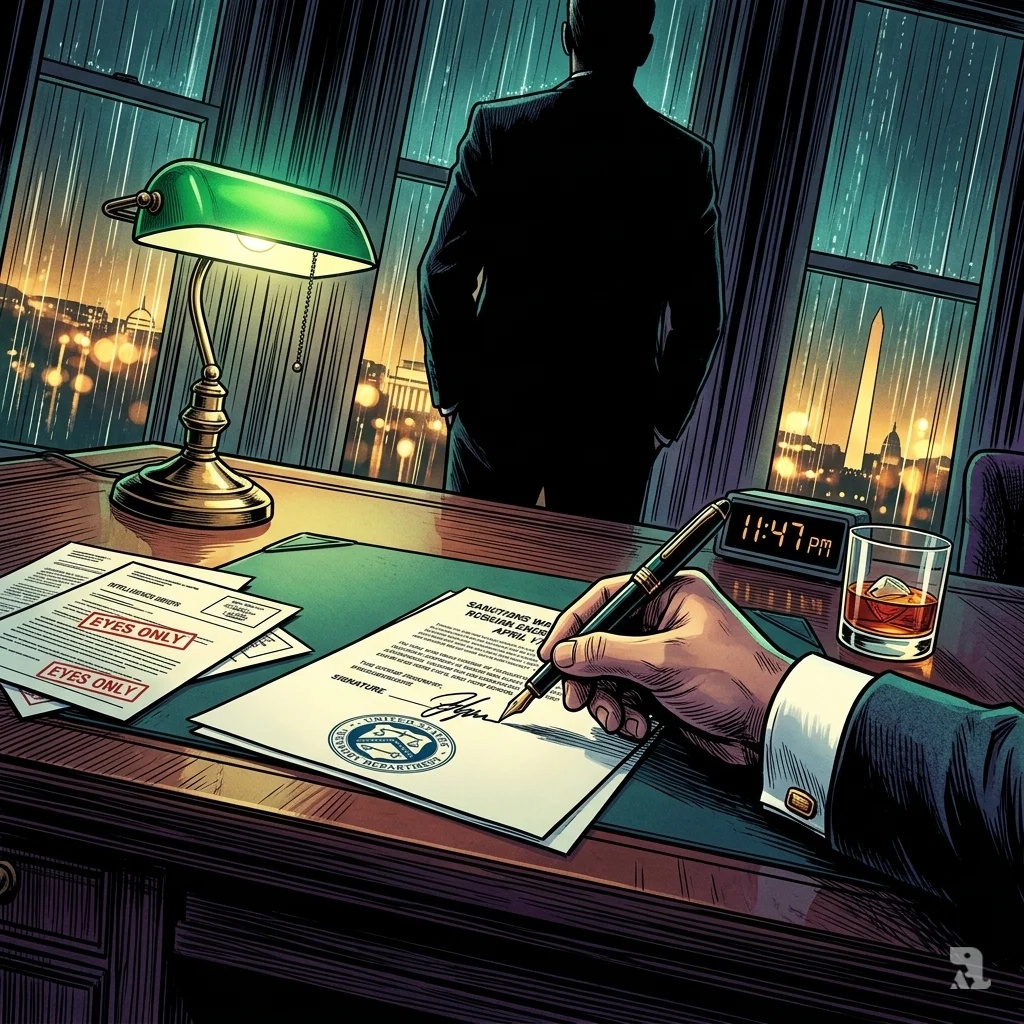
On April 17, the Trump administration quietly renewed a sanctions waiver allowing countries to buy Russian oil at sea — just 2 days after Treasury Secretary Bessent publicly stated Washington had no plans to do so.
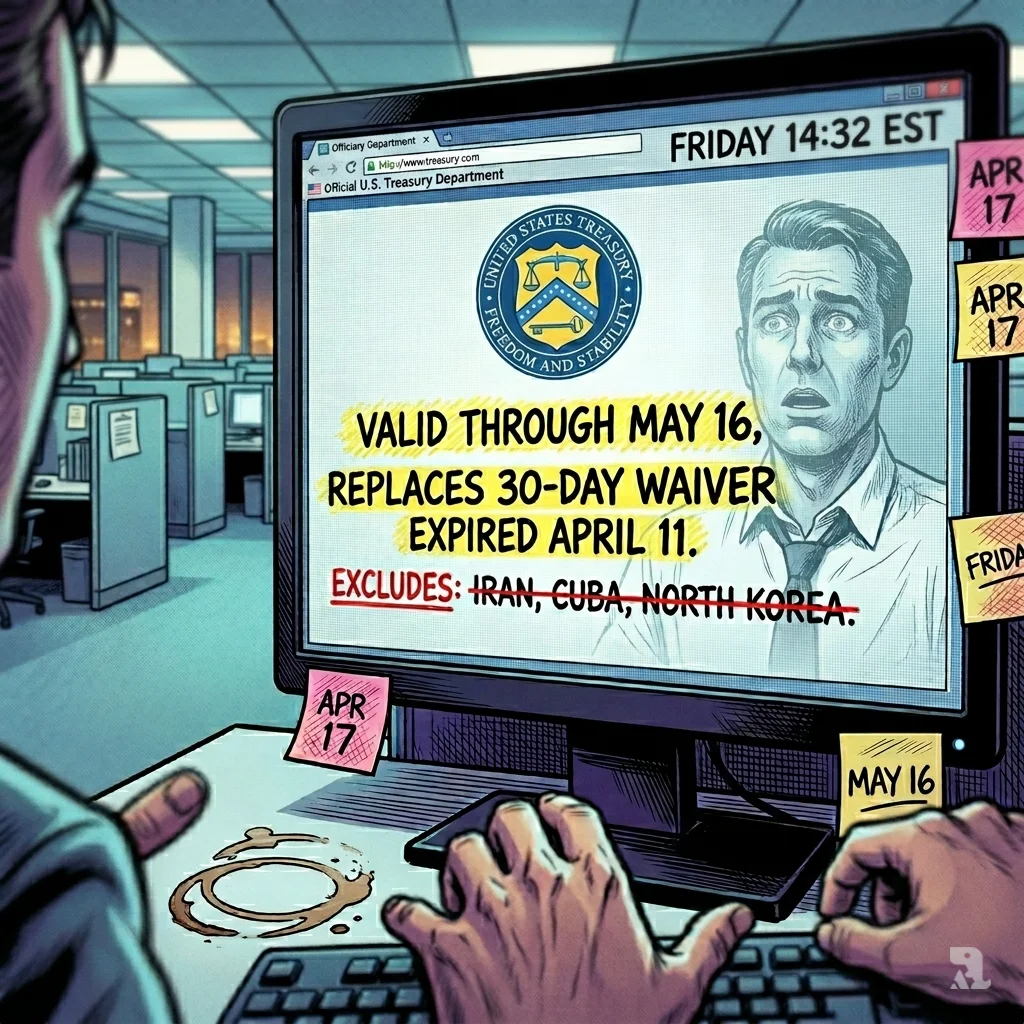
The Treasury Department posted the new license on Friday, valid through May 16. It replaced a 30-day waiver that expired on April 11, and strictly excludes transactions involving Iran, Cuba, and North Korea.
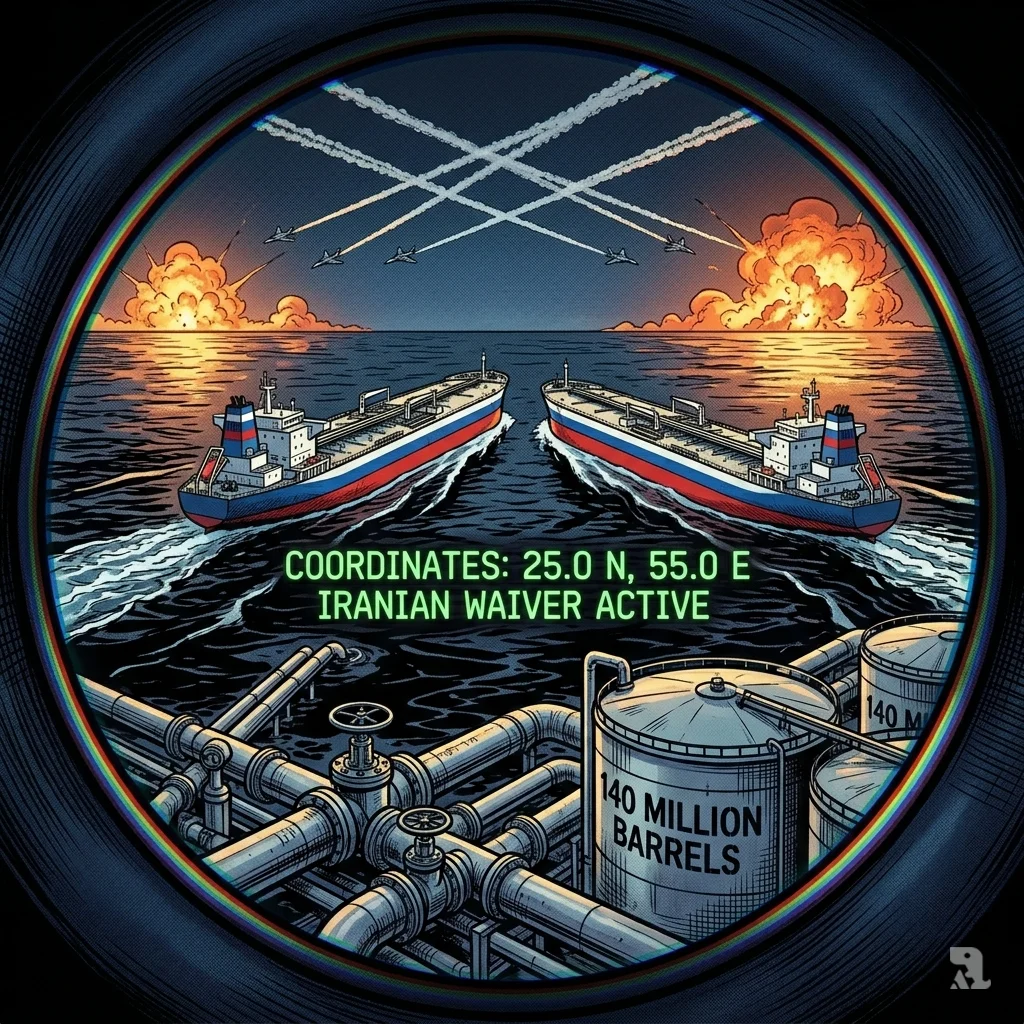
The waiver is part of the administration’s effort to control spiking energy prices during the US-Israeli war on Iran. A parallel Iranian waiver had already unlocked 140 million barrels of oil into global markets.
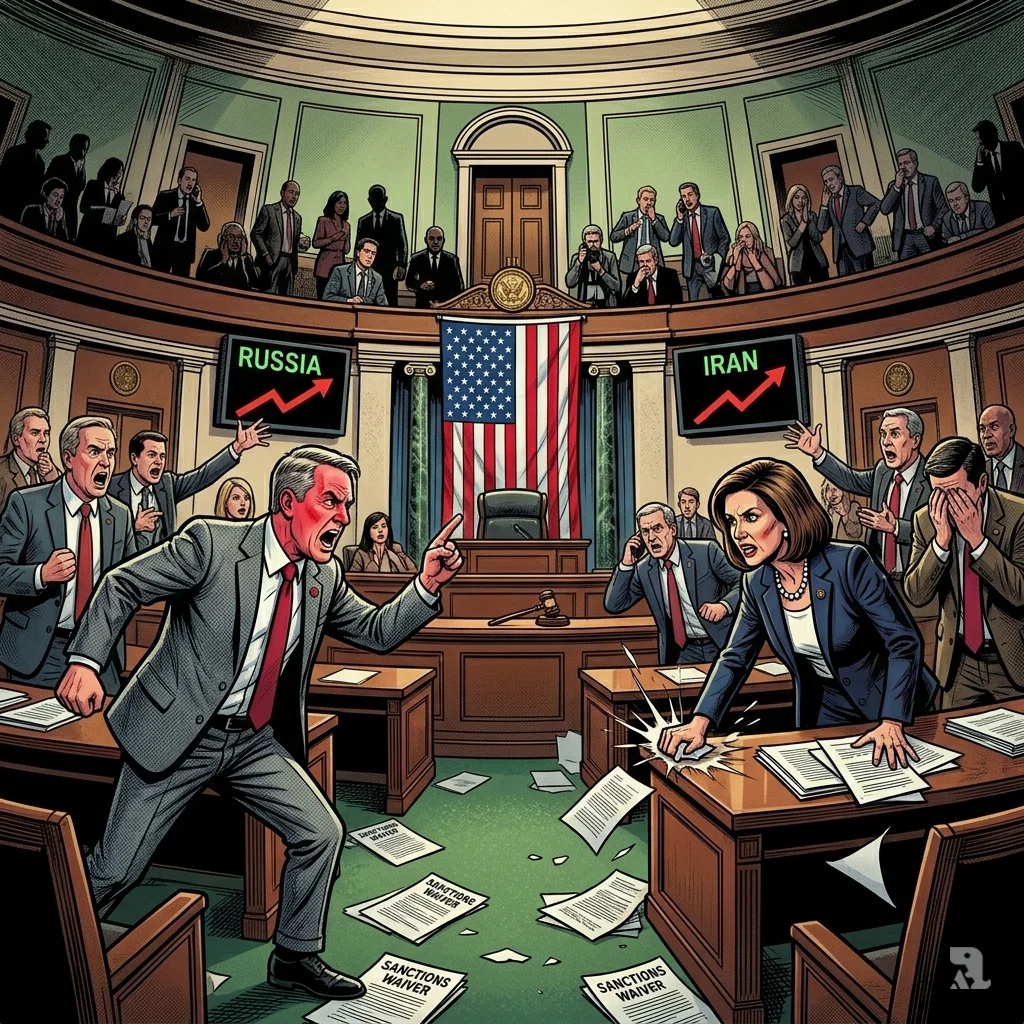
US lawmakers from both parties slammed the administration. They argued the waivers economically benefit Russia, fighting Ukraine, and Iran, at war with the US — effectively funding both hostile nations simultaneously.
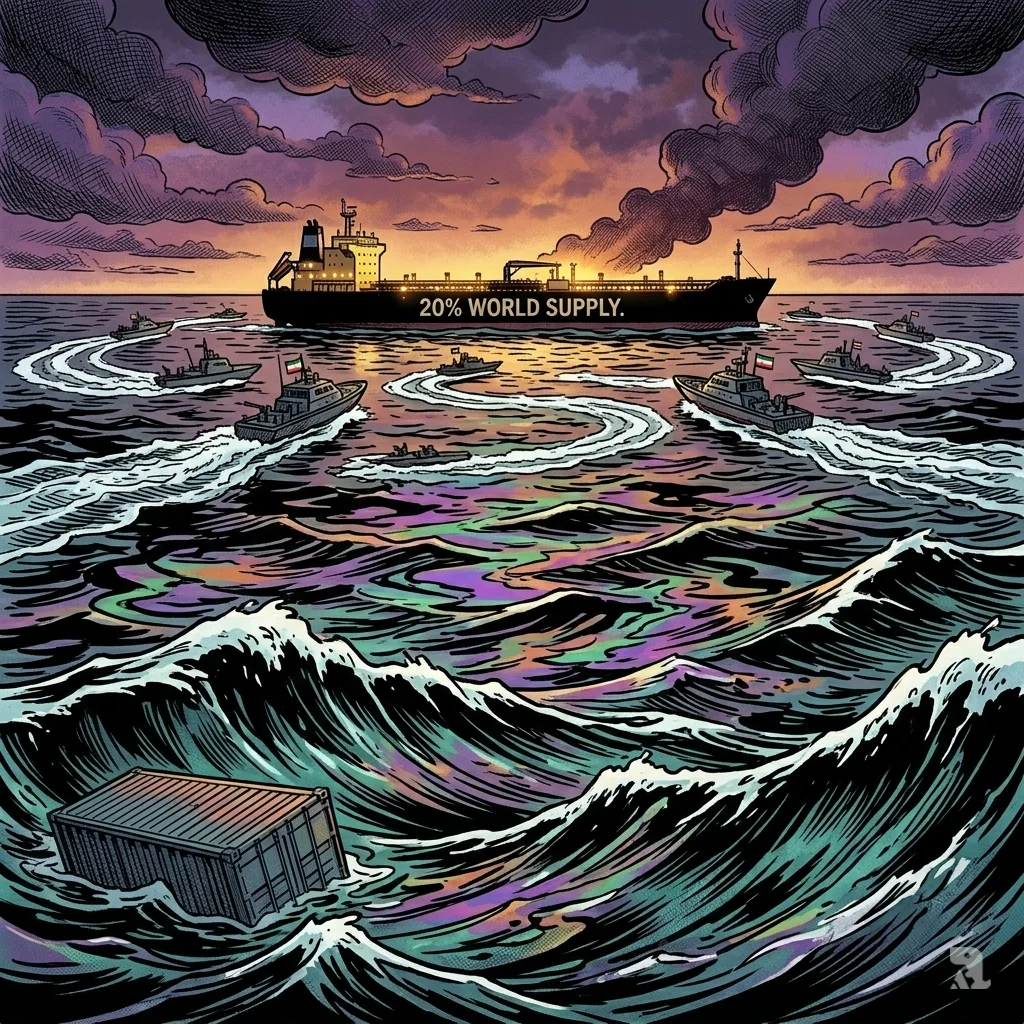
Sanctions expert Brett Erickson warned the conflict has done lasting damage to global energy markets. Meanwhile, Iran’s partial closure of the Strait of Hormuz — once carrying 20% of world oil — kept prices spiking regardless.

The waivers risk undermining Western sanctions on Russia, complicating efforts to cut its war funding. European Commission President von der Leyen firmly stated it is not the time to relax any pressure on Russia.