
IOC Bans Transgender Athletes From Women’s Olympics Forever — Only Biological Females Allowed Now

At the 2016 Rio Olympics, all 3 women’s 800m medallists were DSD athletes including Caster Semenya. Sports like athletics, swimming, and cycling began banning athletes who went through male puberty from women’s competition.
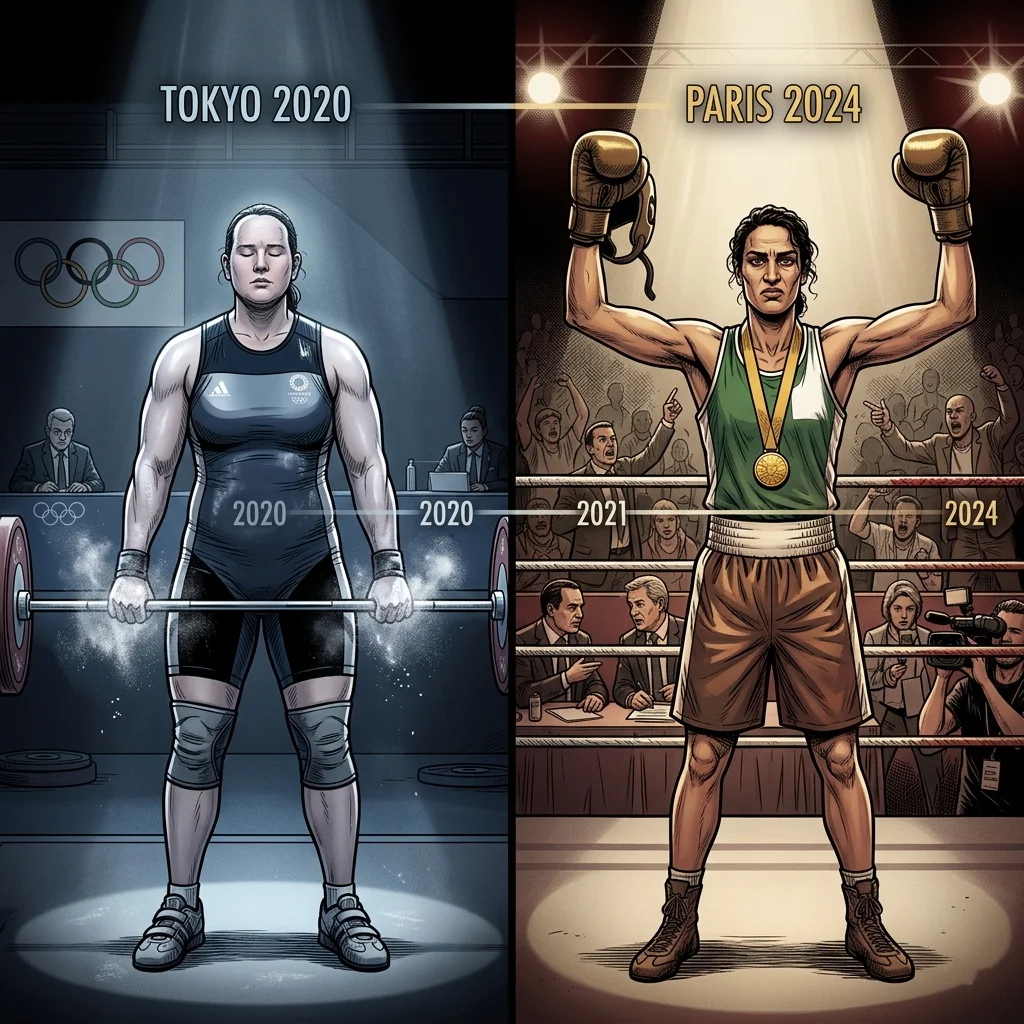
At Tokyo 2020, Laurel Hubbard became the first openly transgender woman at the Olympics. By Paris 2024, Algeria’s Imane Khelif won boxing gold amid explosive gender eligibility controversy — igniting worldwide debate on fairness.

Under mounting pressure, President Trump signed an executive order banning transgender women from female sports. The IOC then launched an 18-month scientific review, consulting experts and surveying over 1,100 athletes worldwide.
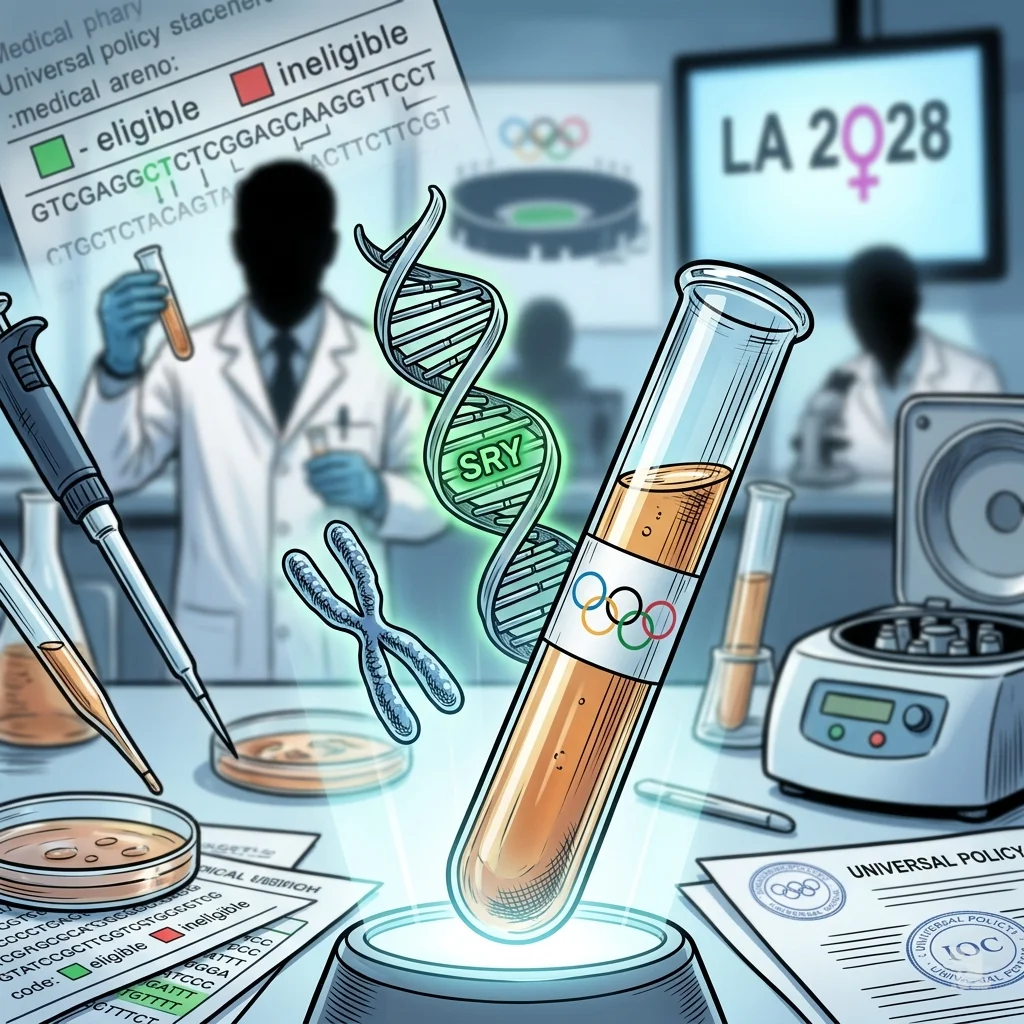
The IOC announced that from LA 2028, only biological females can compete in women’s events. A “once-in-a-lifetime” SRY gene test will determine eligibility — all sports federations must now follow this universal policy.
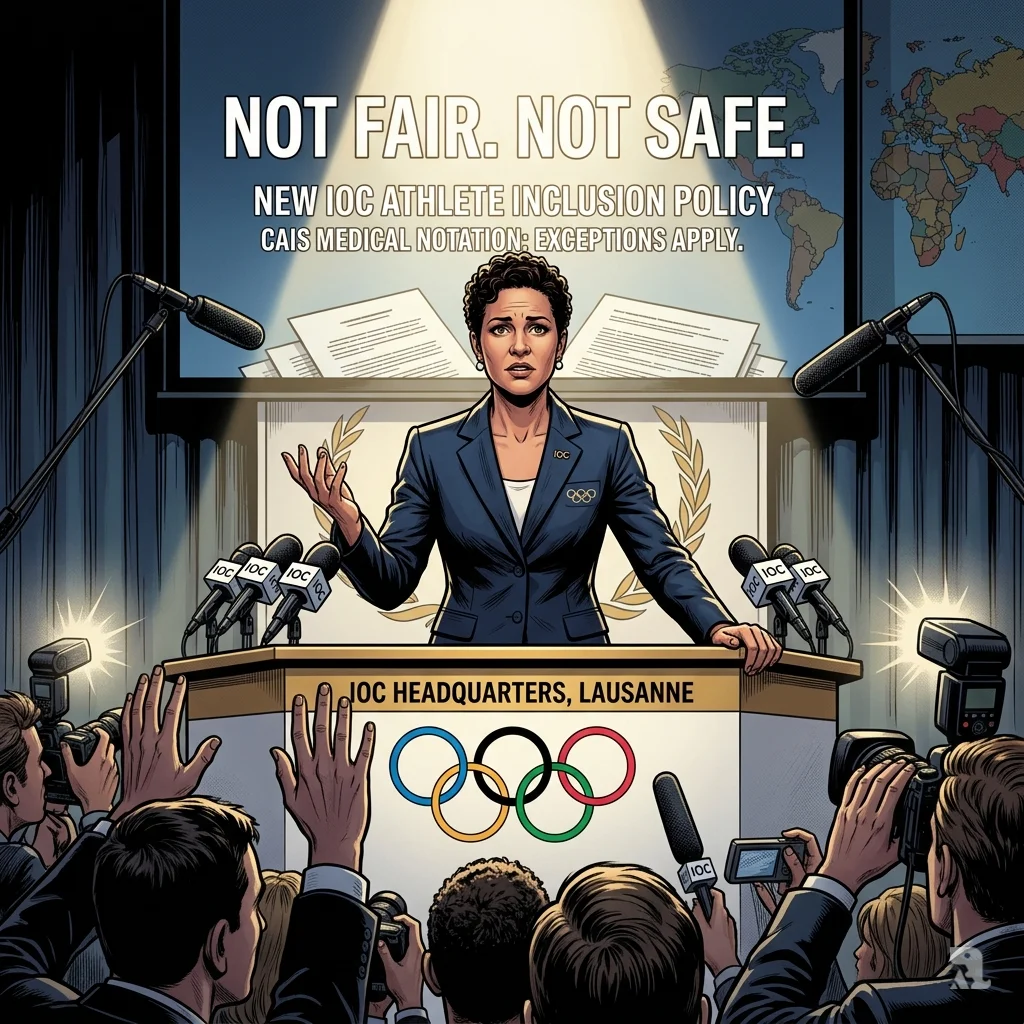
IOC President Kirsty Coventry declared it “not fair” and “not safe” for biological males in the female category. Only 1 exemption exists — athletes with complete androgen insensitivity syndrome (CAIS) who never experienced male puberty.
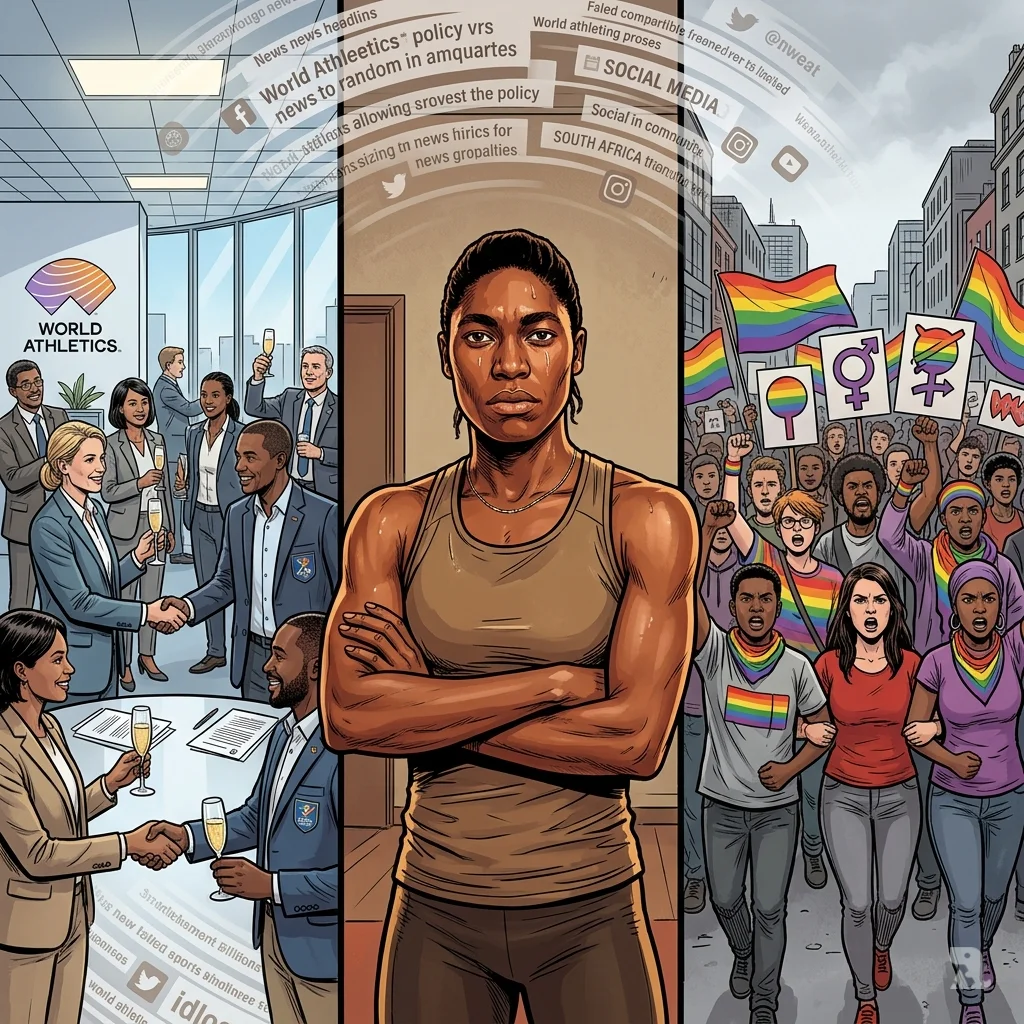
Reactions split sharply. World Athletics praised fairness protections. But Caster Semenya called the policy “stigma, not science — born from political pressure.” Stonewall warned it sends a message that trans people are “unwelcome” in sport.