
How Did Iran Build Such A Huge Missile And Drone Power?
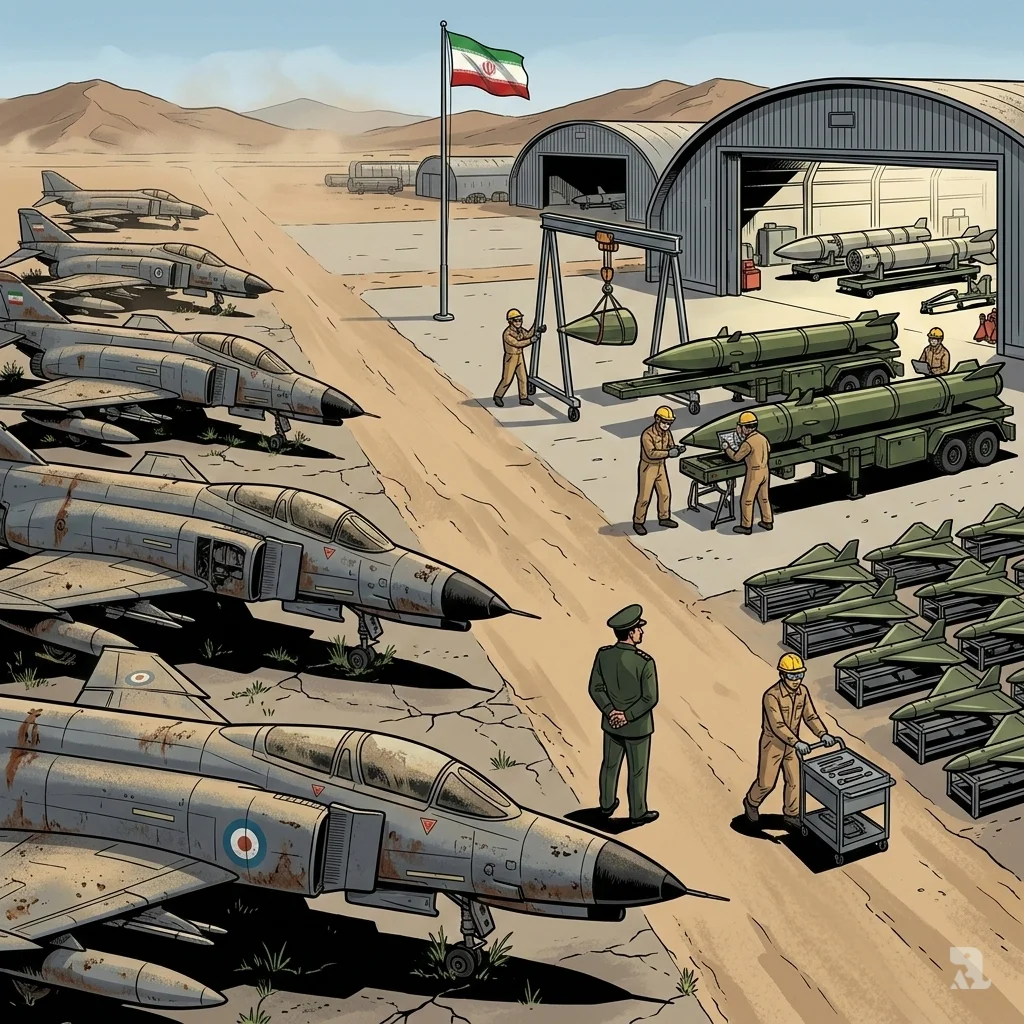
After decades of Western sanctions, Iran’s air force became weak and outdated. Instead, Iran heavily invested in missiles and drones. By early 2025, U.S. intelligence said Iran had the largest stockpile in the Middle East.
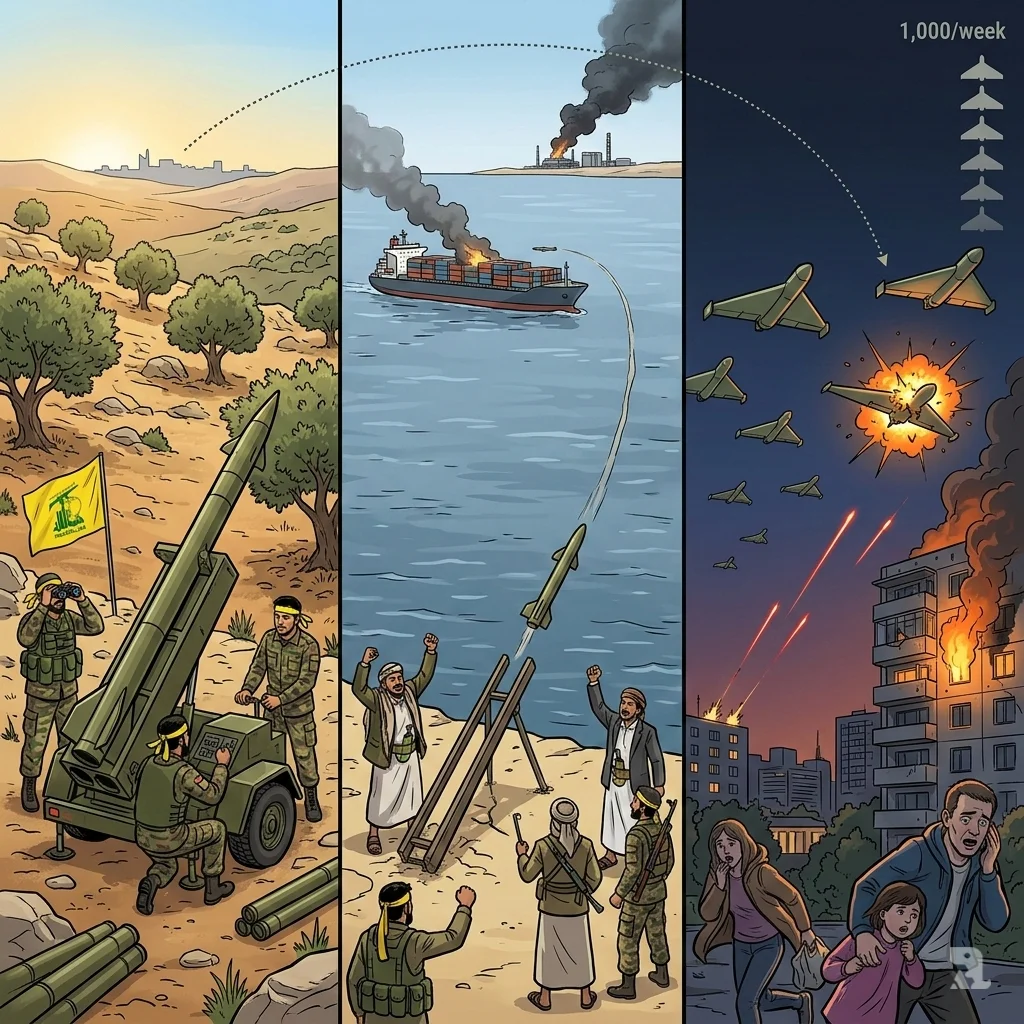
Iran supplied missiles, drones, and technology to groups like Hezbollah in Lebanon and Houthis in Yemen. Houthis attacked Red Sea ships and a Saudi oil site in 2019. Russia also used Iranian Shahed drones, firing about 1,000 weekly by March 2025.
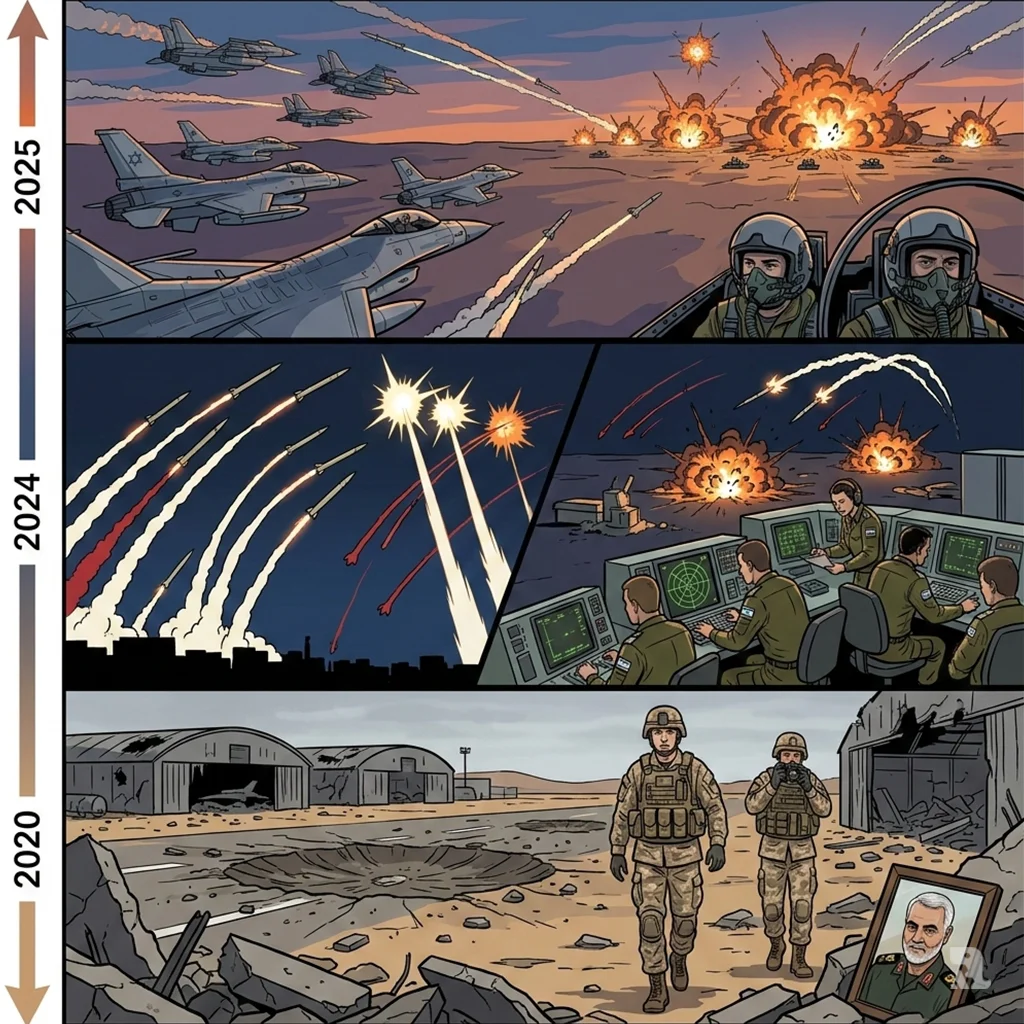
Iran used missiles and drones in several conflicts. After the U.S. killed Qassem Soleimani in 2020, Iran retaliated. More clashes happened with Israel in April and October 2024, and during the June 2025 conflict.
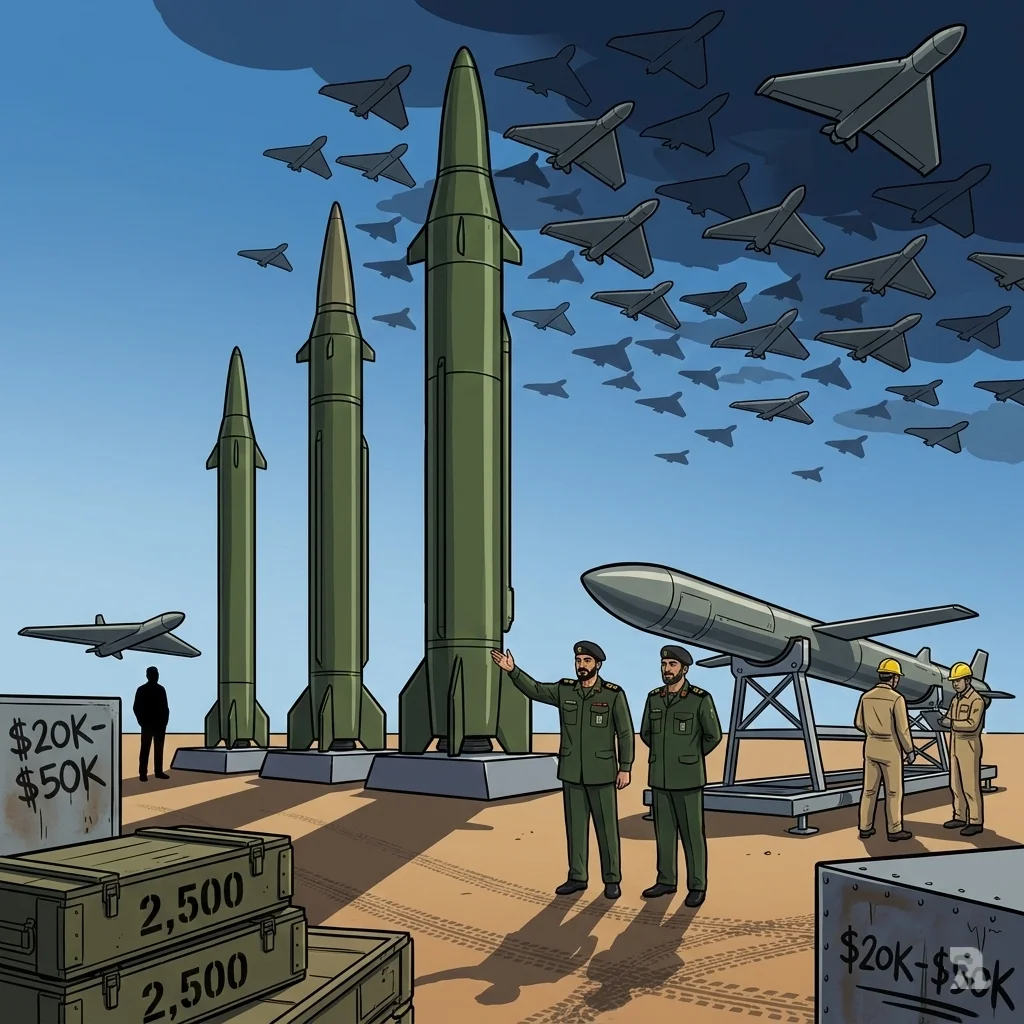
At the start of the war, Israel estimated Iran had about 2,500 ballistic missiles. These included several short- and medium-range variants plus cruise missiles. Iran also produces cheap Shahed drones, costing $20,000–$50,000, including the long-range Shahed-149.
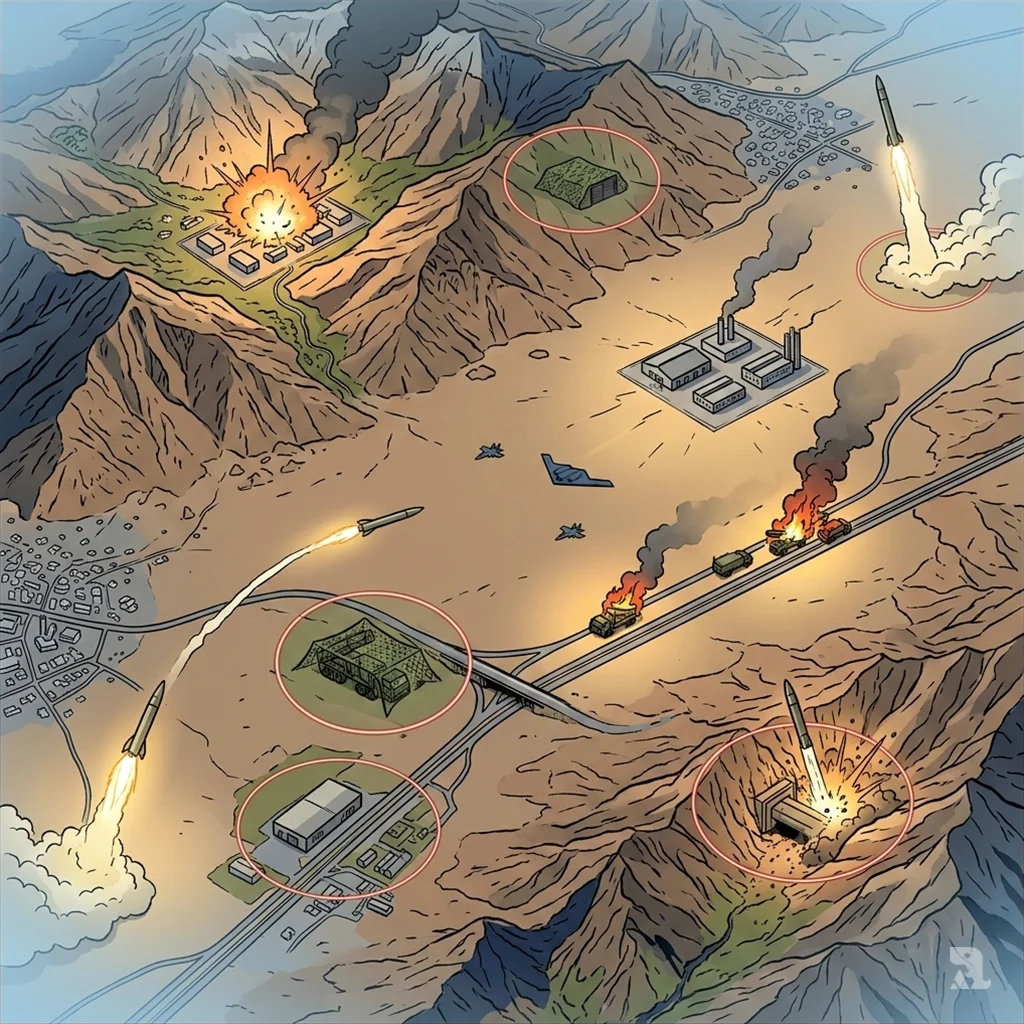
During the war, U.S. and Israeli forces struck Iran’s missile and drone sites. But many systems are hidden, mobile, and widely spread, making them hard to destroy. Iran fired hundreds of missiles, while Israel claimed destroying hundreds.
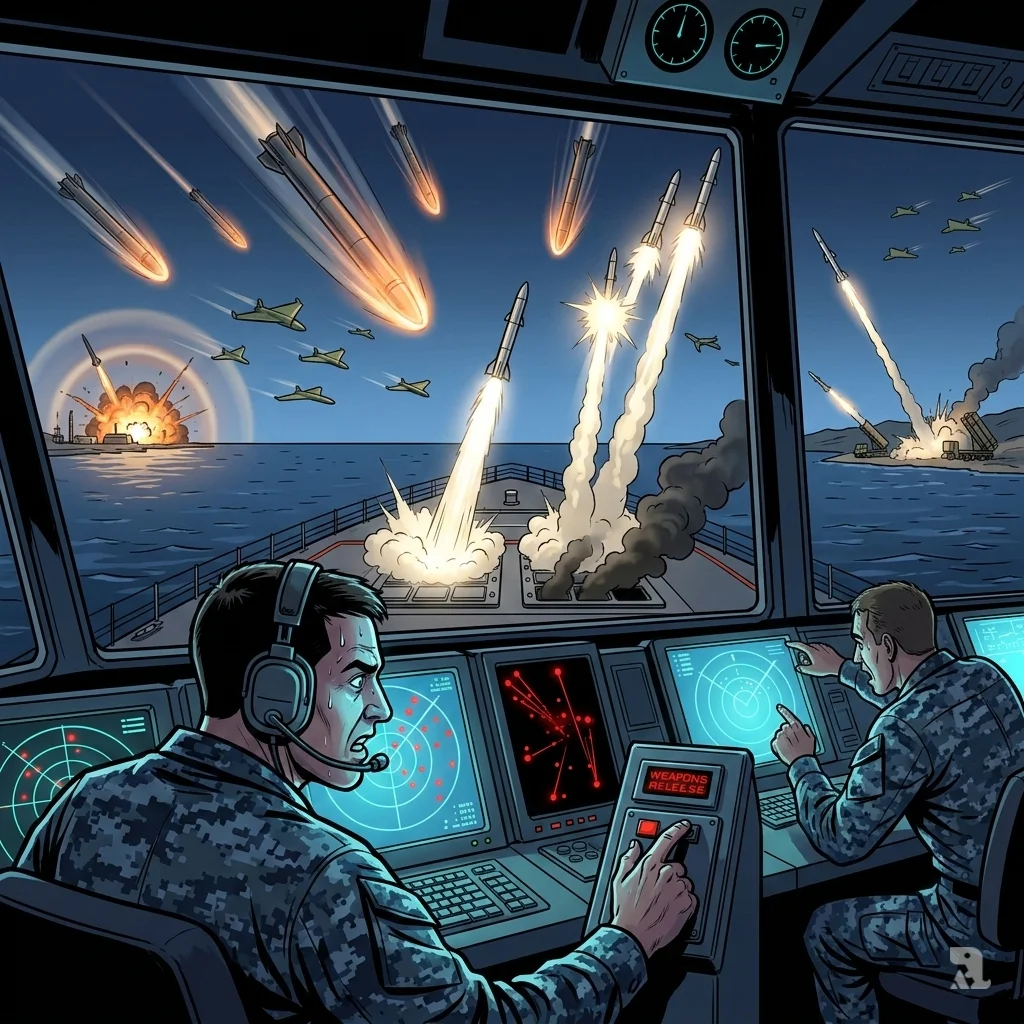
To stop Iranian attacks, the U.S. deployed Navy interceptors, Patriot, and THAAD systems across the region. A command center was set up at Al Udeid Air Base in Qatar. But intercepting 2–3 missiles per target risks running out of interceptors.