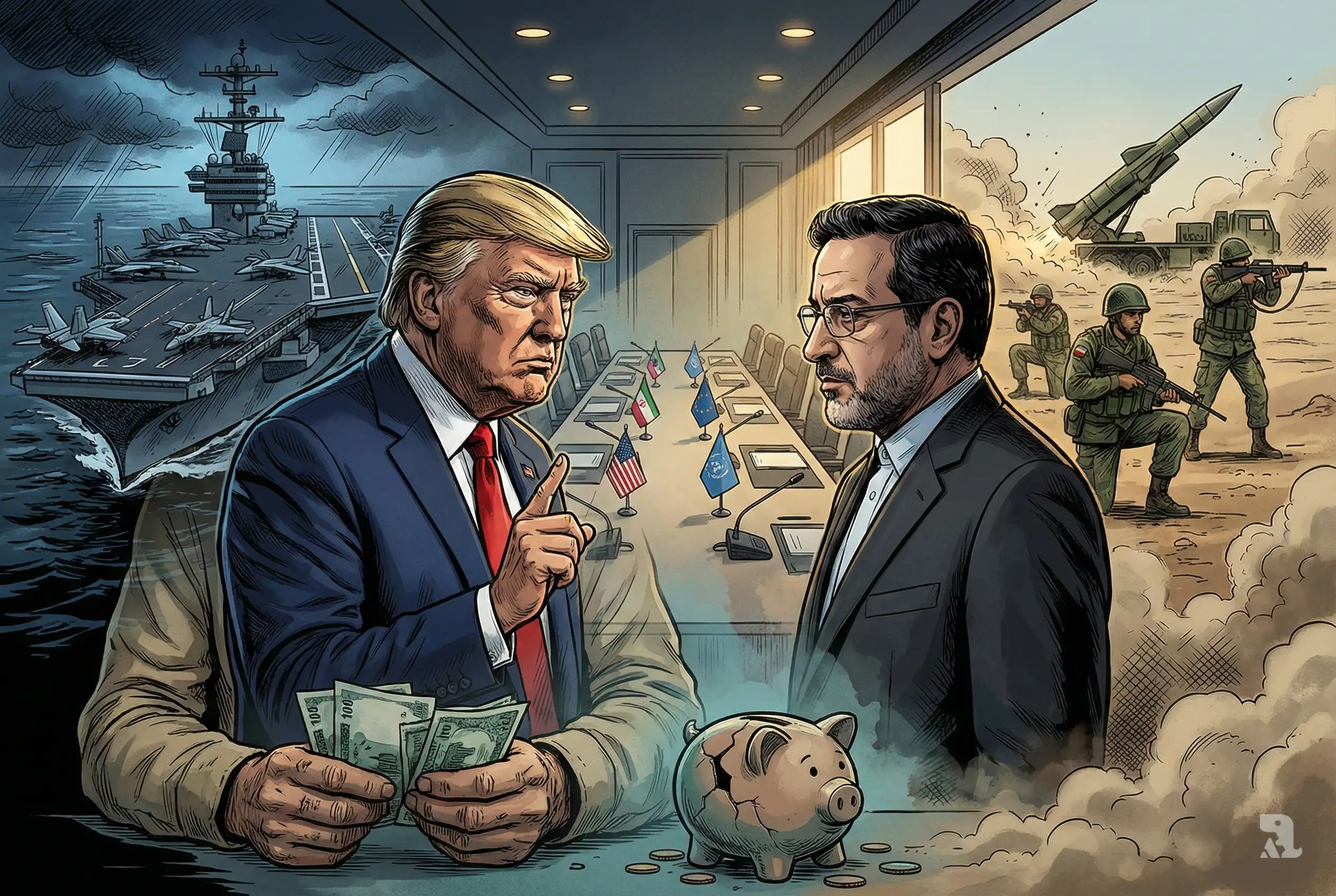
Can the Senate really stop Trump’s Iran war, or is the vote meaningless?

On Saturday, the U.S. and Israel launched joint airstrikes on Iran without Congressional approval. The attacks killed Supreme Leader Ali Khamenei and other top leaders. 6 U.S. servicemembers also died, sparking a fierce political fight in Washington.

On Monday, Senator Tim Kaine urged the Senate to oppose more Iran strikes. Chuck Schumer warned Trump’s campaign could repeat mistakes of the Iraq and Afghanistan wars, urging Congress not to start another long conflict.

Most Republicans supported Trump’s Iran strikes. Lindsey Graham urged lawmakers to let Trump finish the mission. Speaker Mike Johnson said he had votes to defeat a similar House resolution Thursday, calling limits on the president dangerous.
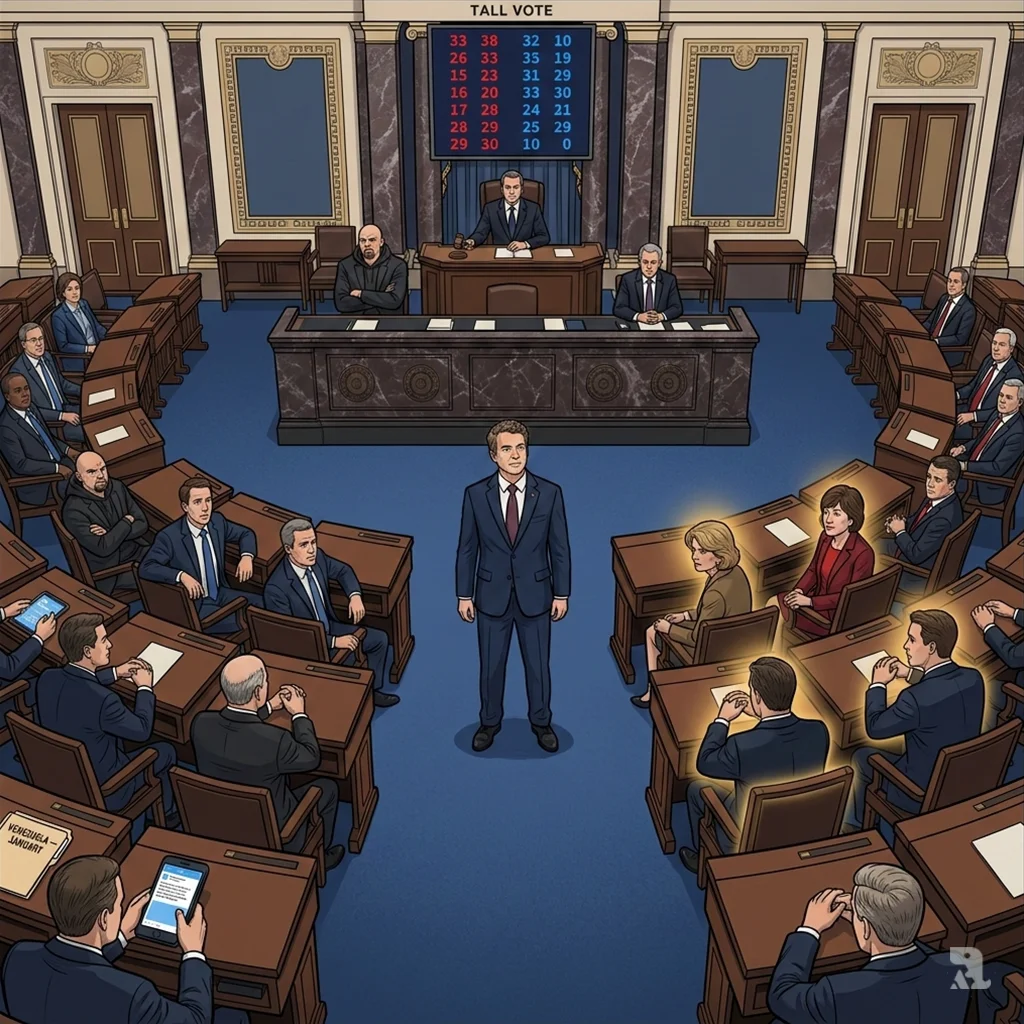
Passing the resolution needed 4 Republican votes beyond Rand Paul. John Fetterman said he would oppose it. In January’s Venezuela vote, 5 Republicans first supported it, but 2 switched after Trump’s social media pressure.
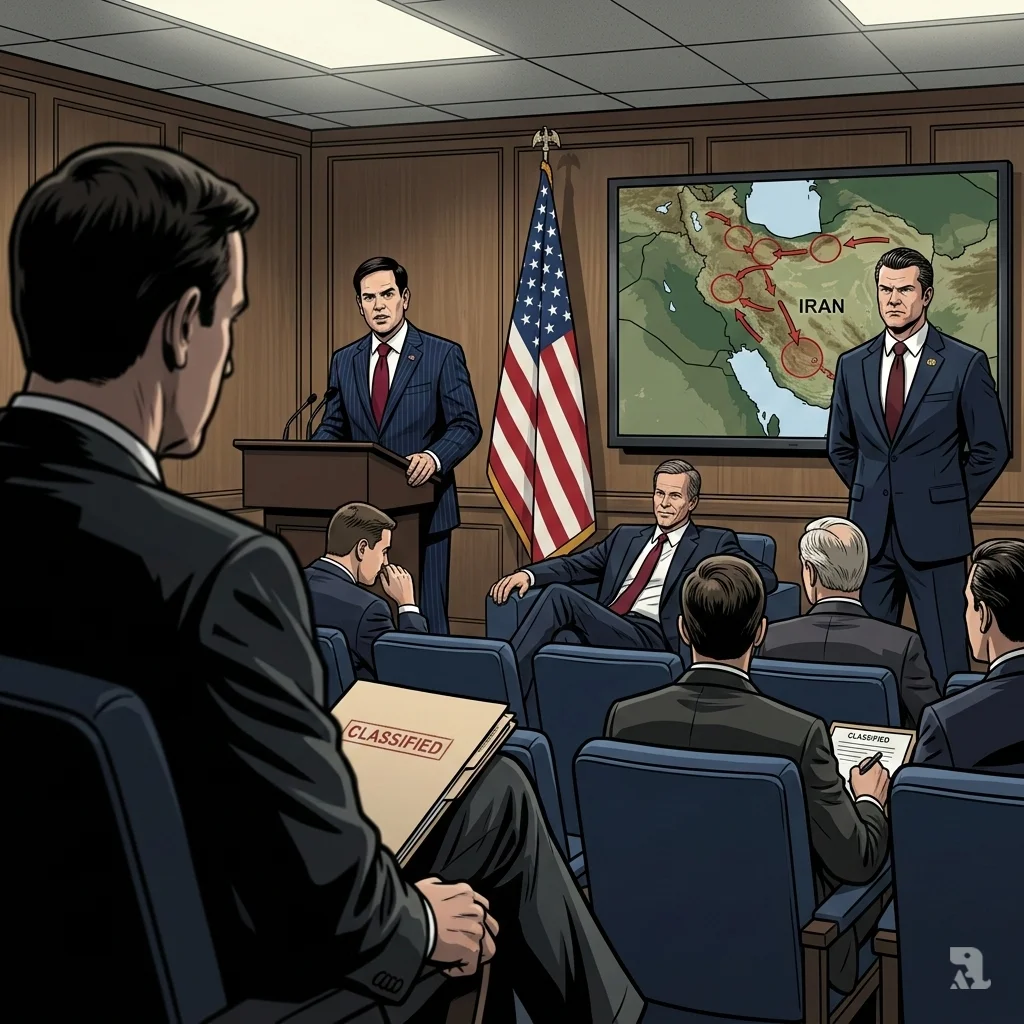
On Tuesday, Marco Rubio and Pete Hegseth briefed senators about the Iran campaign. Chris Murphy warned the conflict could last long and accused the administration of showing “contempt for Congress” by avoiding authorization.
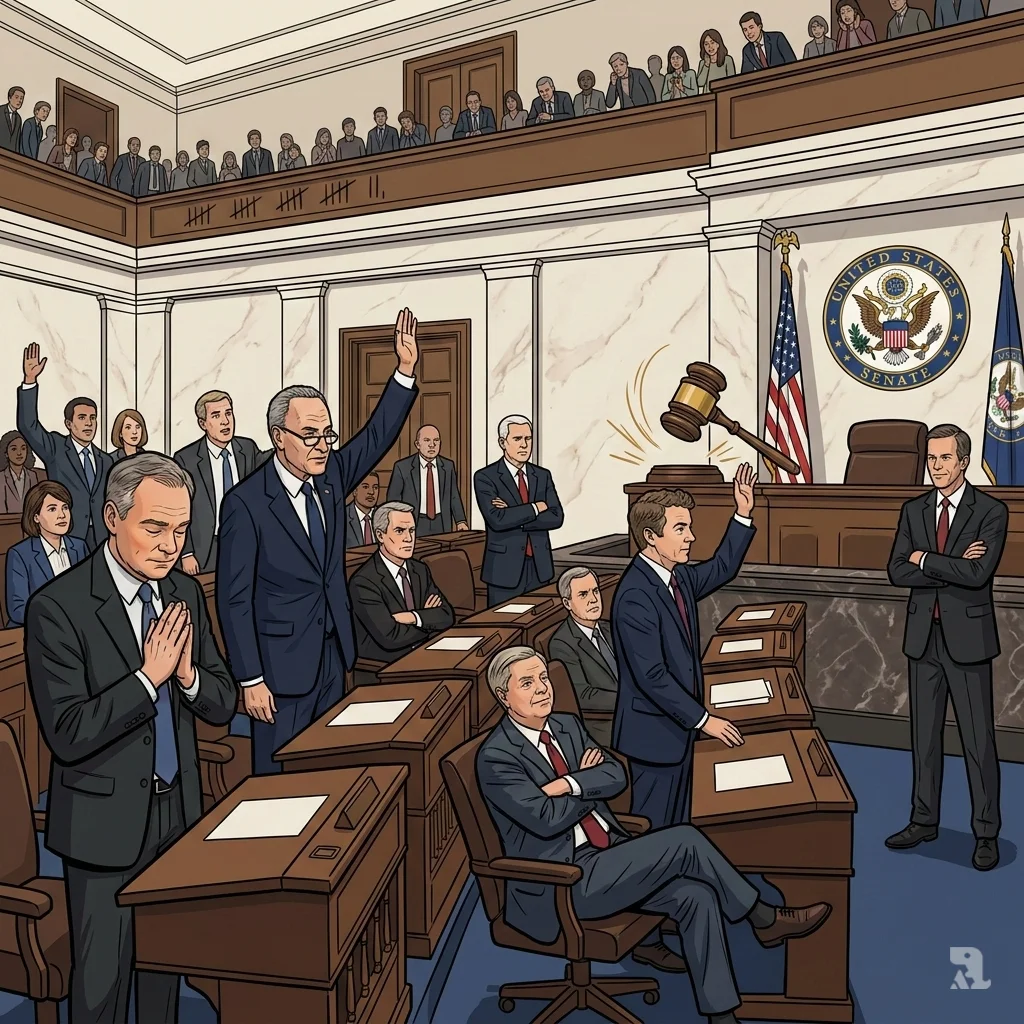
On Wednesday, the Senate began its first vote on a war powers resolution to stop more Iran strikes. With 7 similar resolutions failing since June and a possible Trump veto, the measure’s success remained highly uncertain.