
Scientists Warn Atlantic Ocean Currents Are Collapsing And No One Is Stopping It
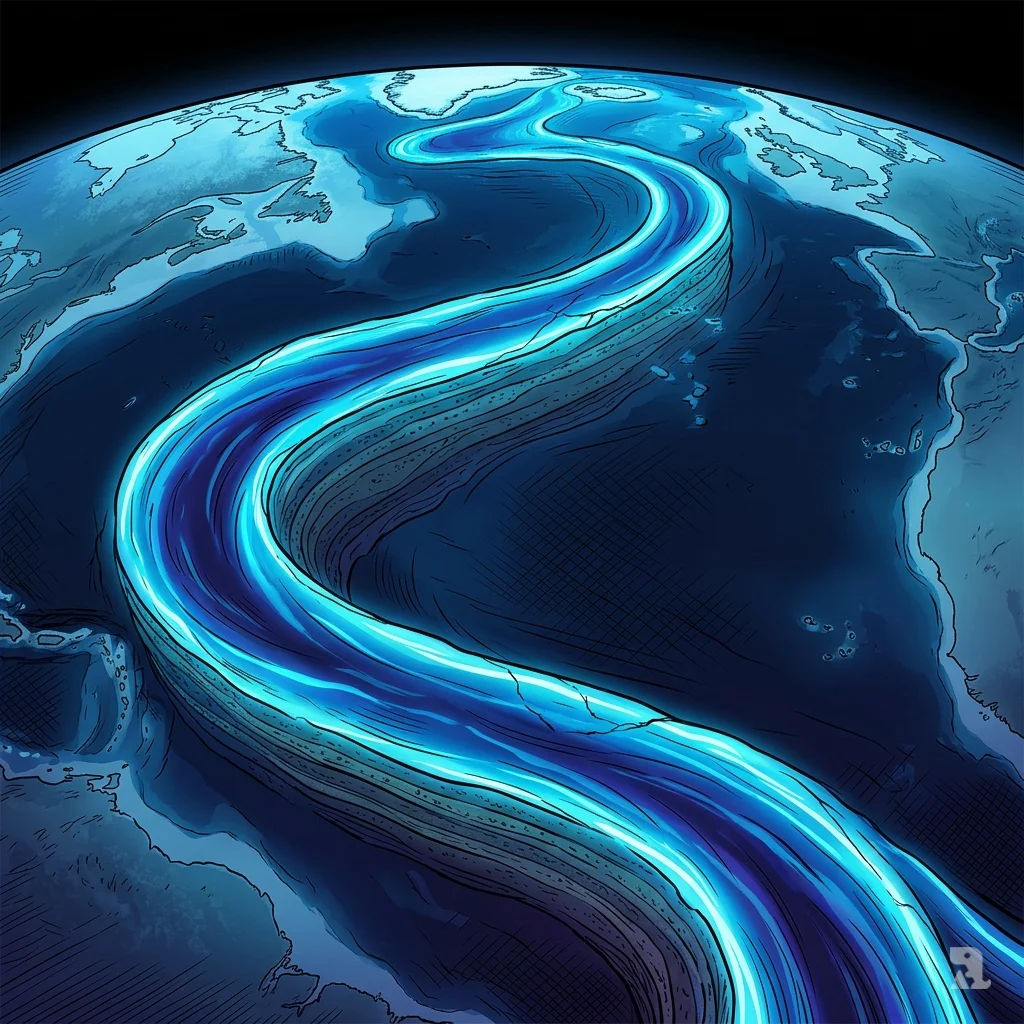
The AMOC, a massive ocean current looping the Atlantic, acts like a conveyor belt — regulating heat, salt, and freshwater. It controls weather and sea levels across continents. Its last full collapse occurred roughly 12,000 years ago.

Two new studies warn AMOC is weakening faster than thought and closer to collapse than previously expected. Scientists call the findings “important and concerning” — both real-world data and climate models now point to rapid, accelerating decline.
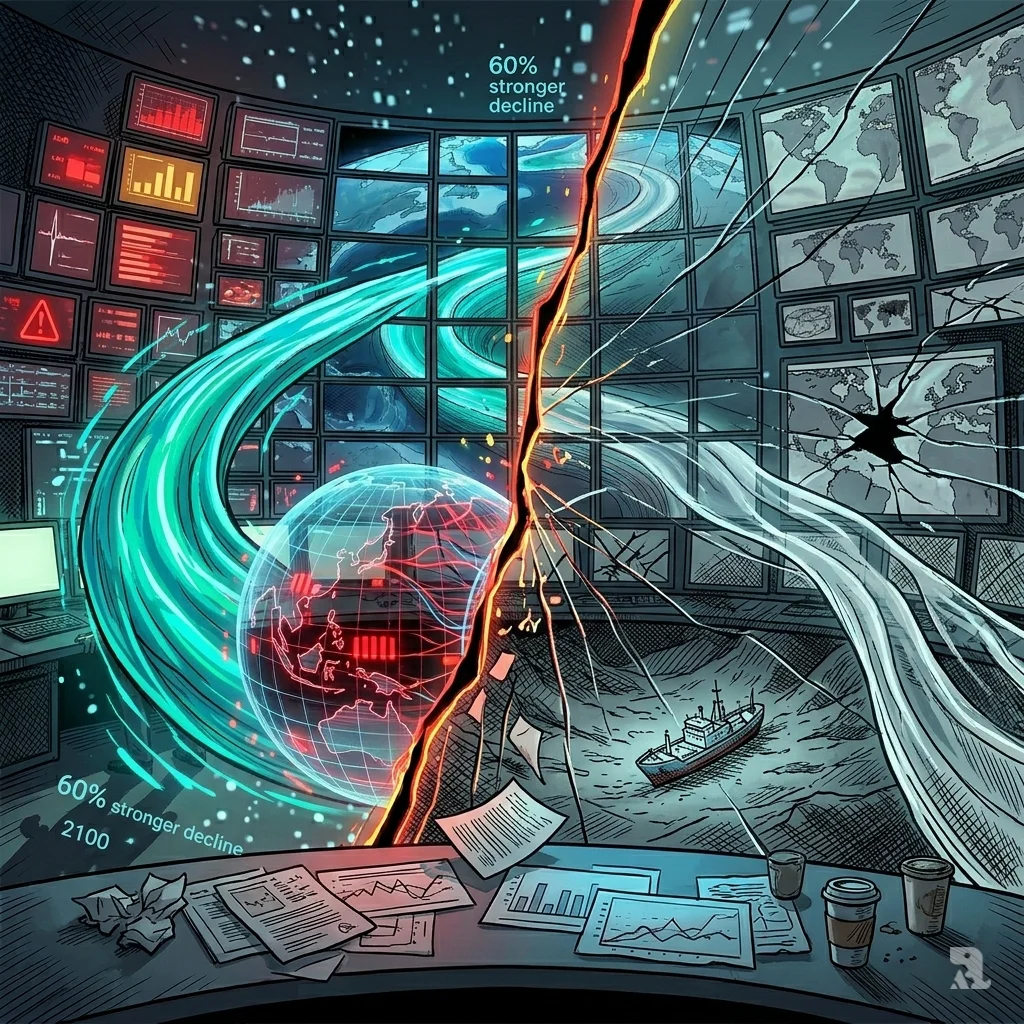
Published in Science Advances, the first study combined climate models with real ocean data. It found AMOC will slow by over 50% by end of century — a decline 60% stronger than average model predictions had estimated.
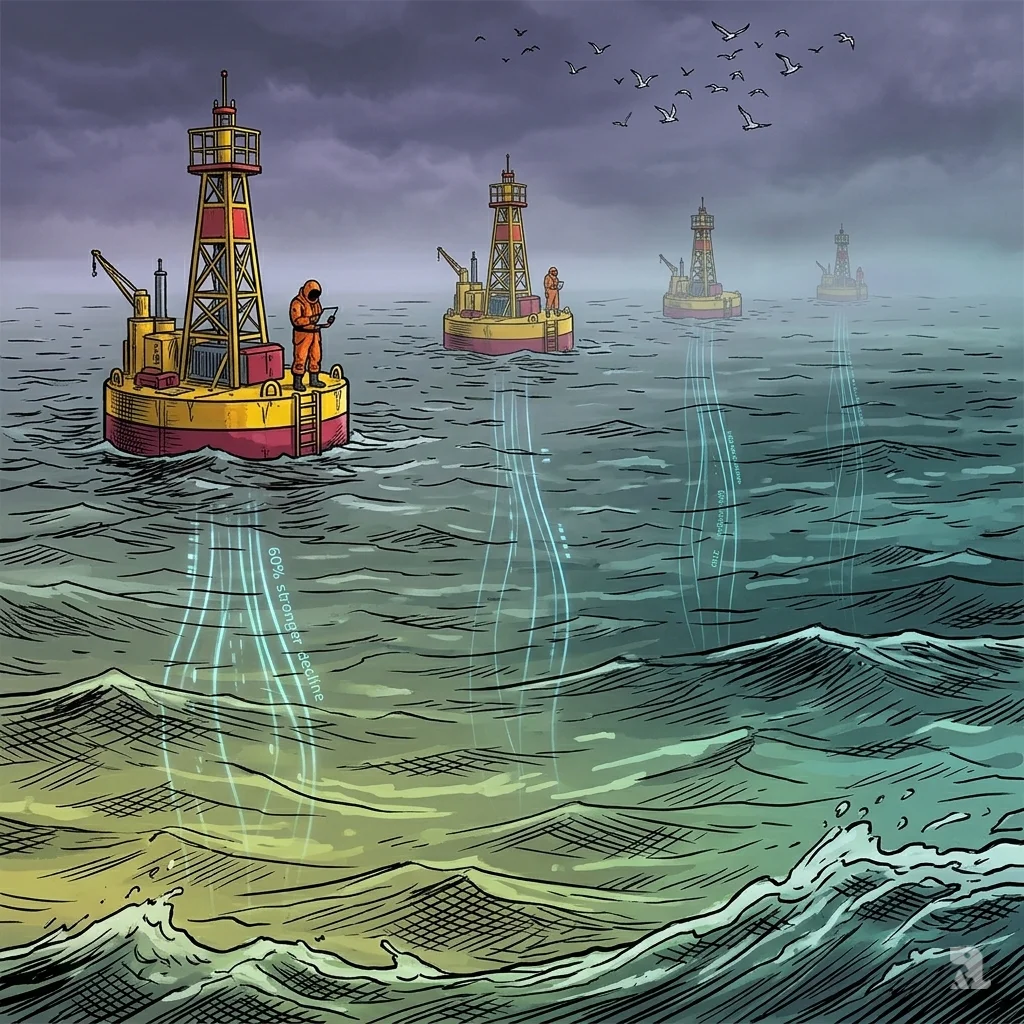
University of Miami scientists analyzed 4 ocean moorings along the North Atlantic, tracking temperature, salinity, and currents since 2004. Weakening was confirmed at all 4 latitudes — providing strong observational evidence of AMOC’s ongoing, dangerous decline.
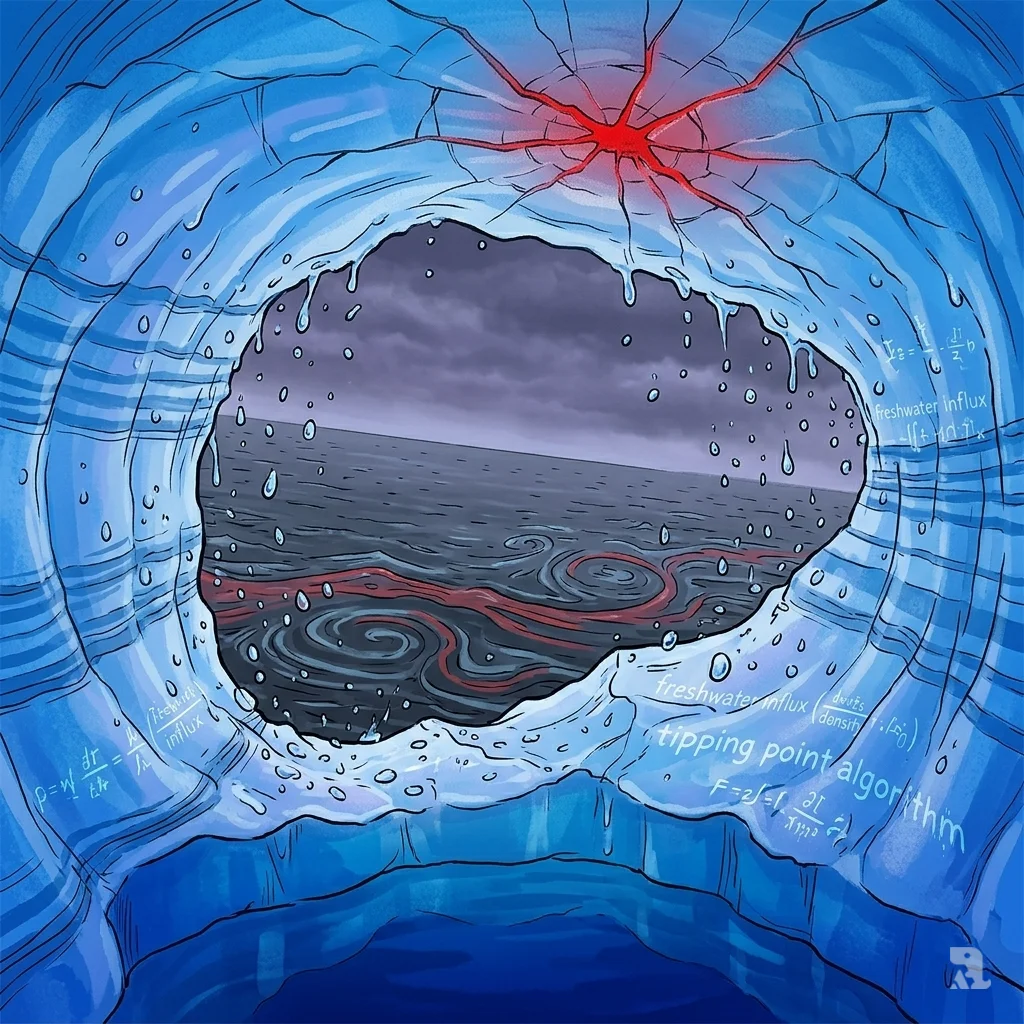
Experts warn this weakening is still being underestimated — Greenland’s meltwater isn’t even factored into current models. A tipping point could arrive as early as mid-century, after which AMOC shutdown “basically cannot be stopped anymore.”
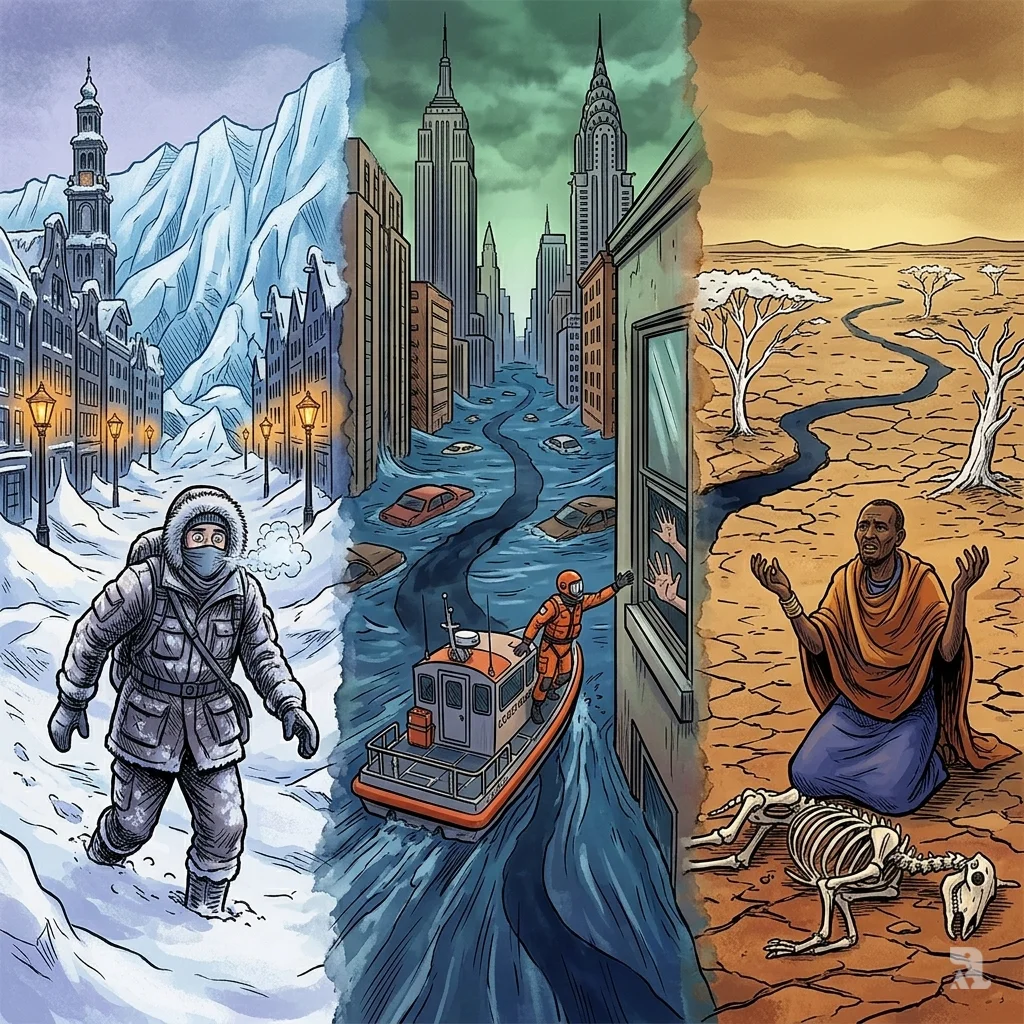
An AMOC collapse would push Europe into deep freeze, accelerate sea level rise on the US East Coast, and trigger prolonged droughts across Africa. Every additional weakening pushes the system closer to irreversible shutdown, scientists warn.