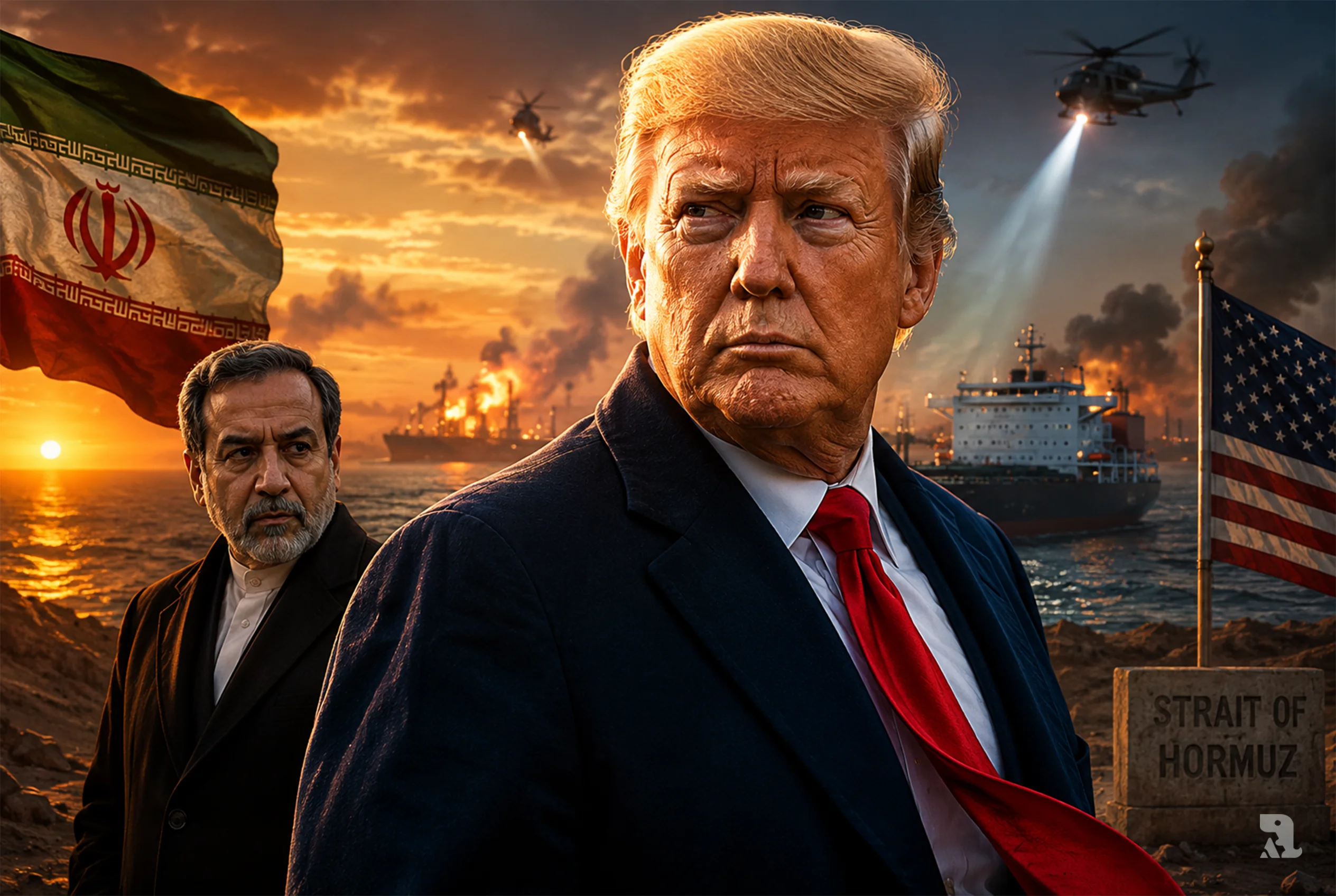
Iran Says Killing Larijani Won’t Break Its System — But the Losses Keep Growing
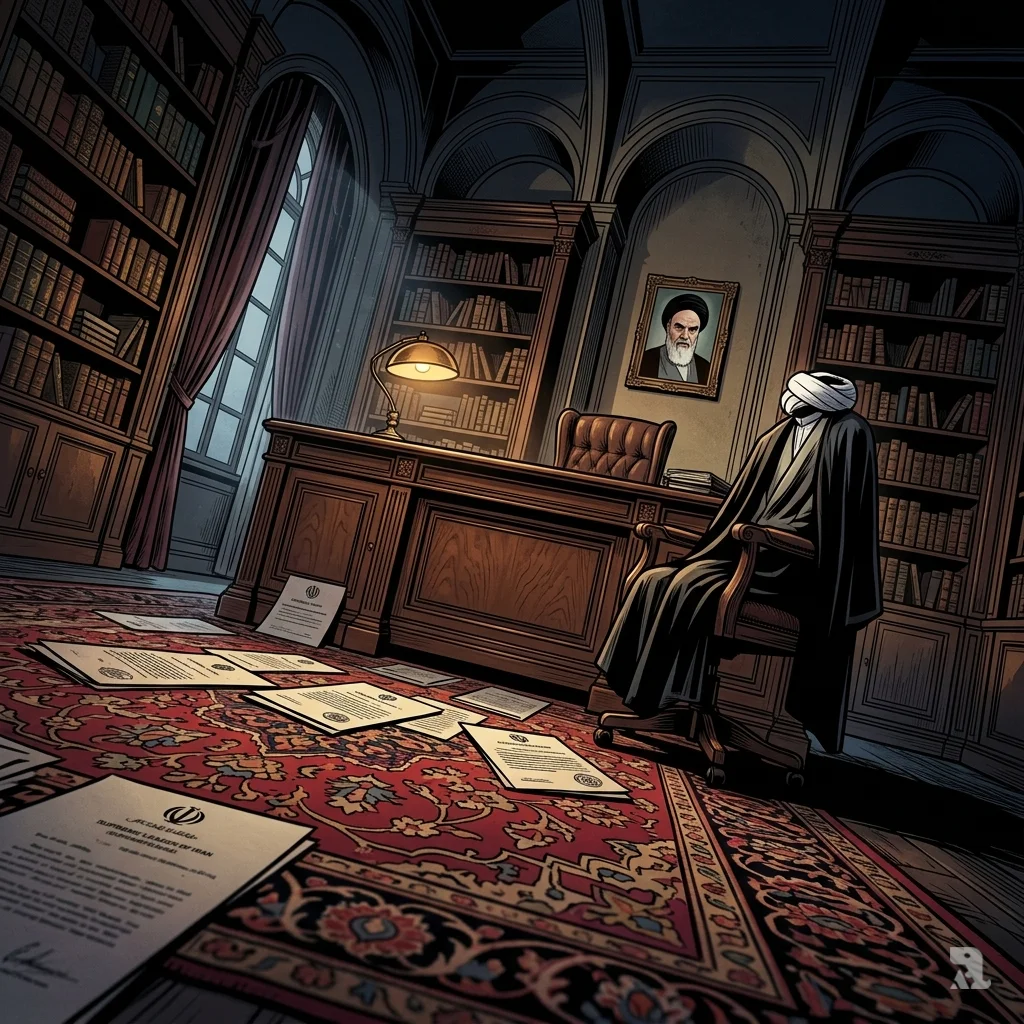
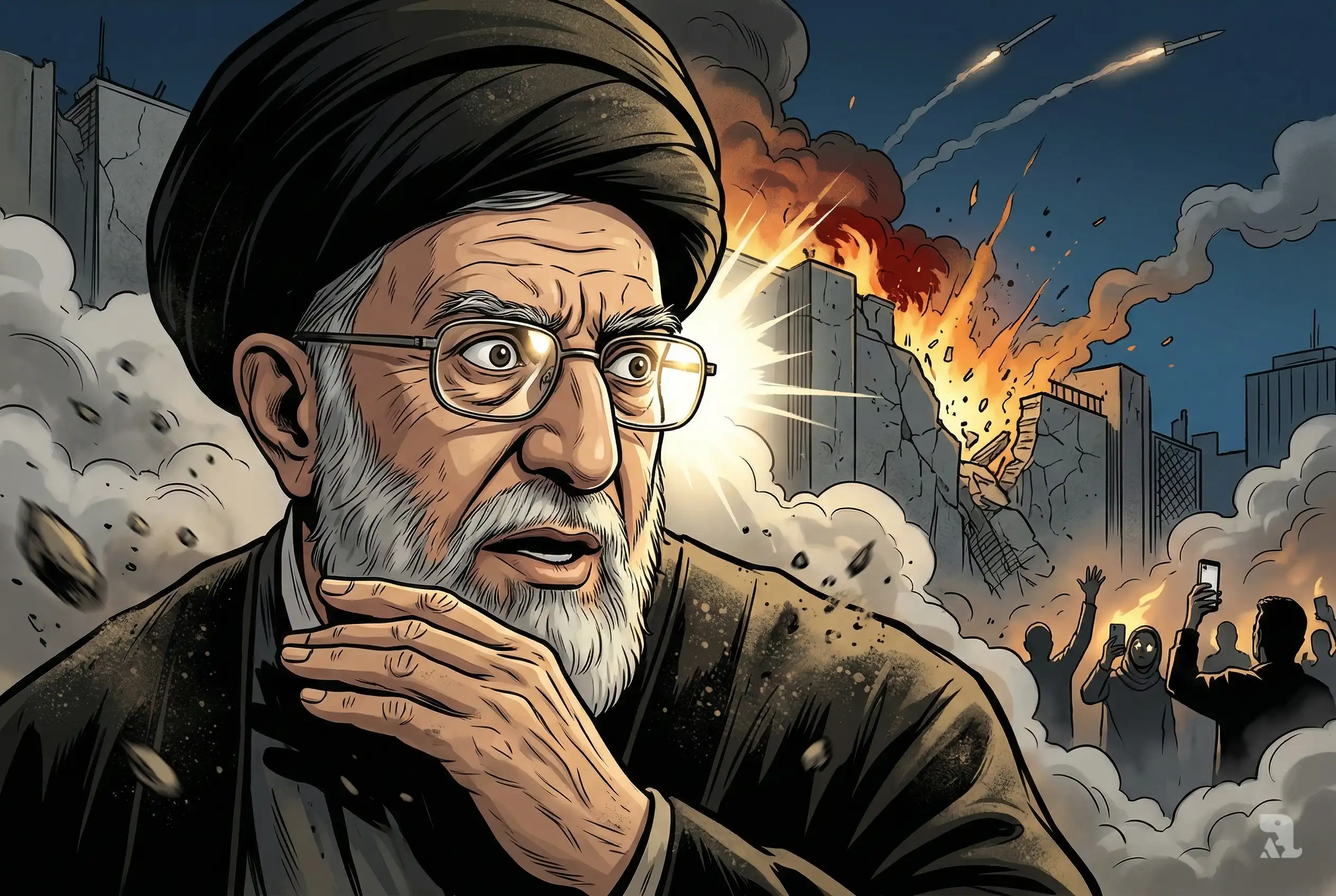
On 28 February, US-Israeli strikes killed Iran’s Supreme Leader Ayatollah Ali Khamenei on the war’s very first day. Despite the massive national loss, Tehran quickly named his son Mojtaba Khamenei as successor.
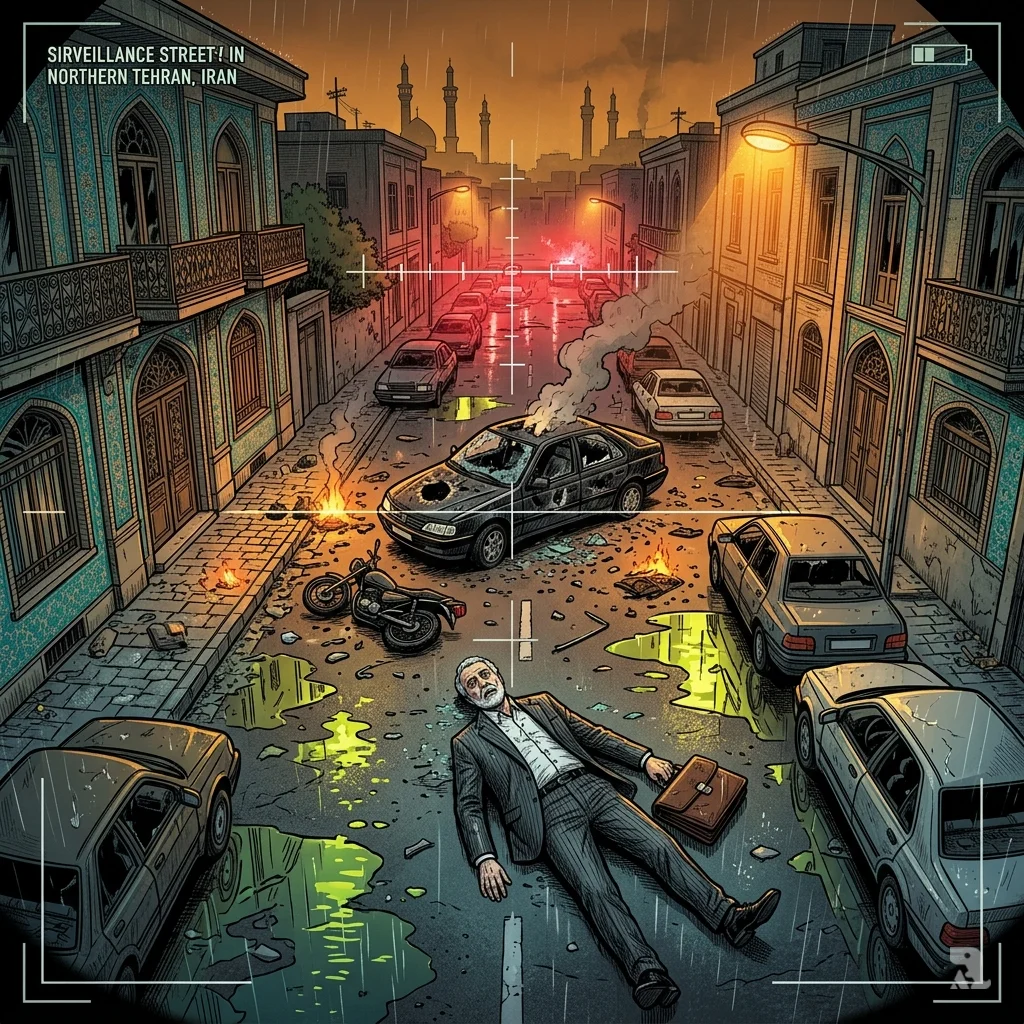
19 days into the war, Israel struck again on Monday night — killing Ali Larijani, 67, the powerful secretary of Iran’s Supreme National Security Council. He was a close confidant of both the slain and new supreme leaders.
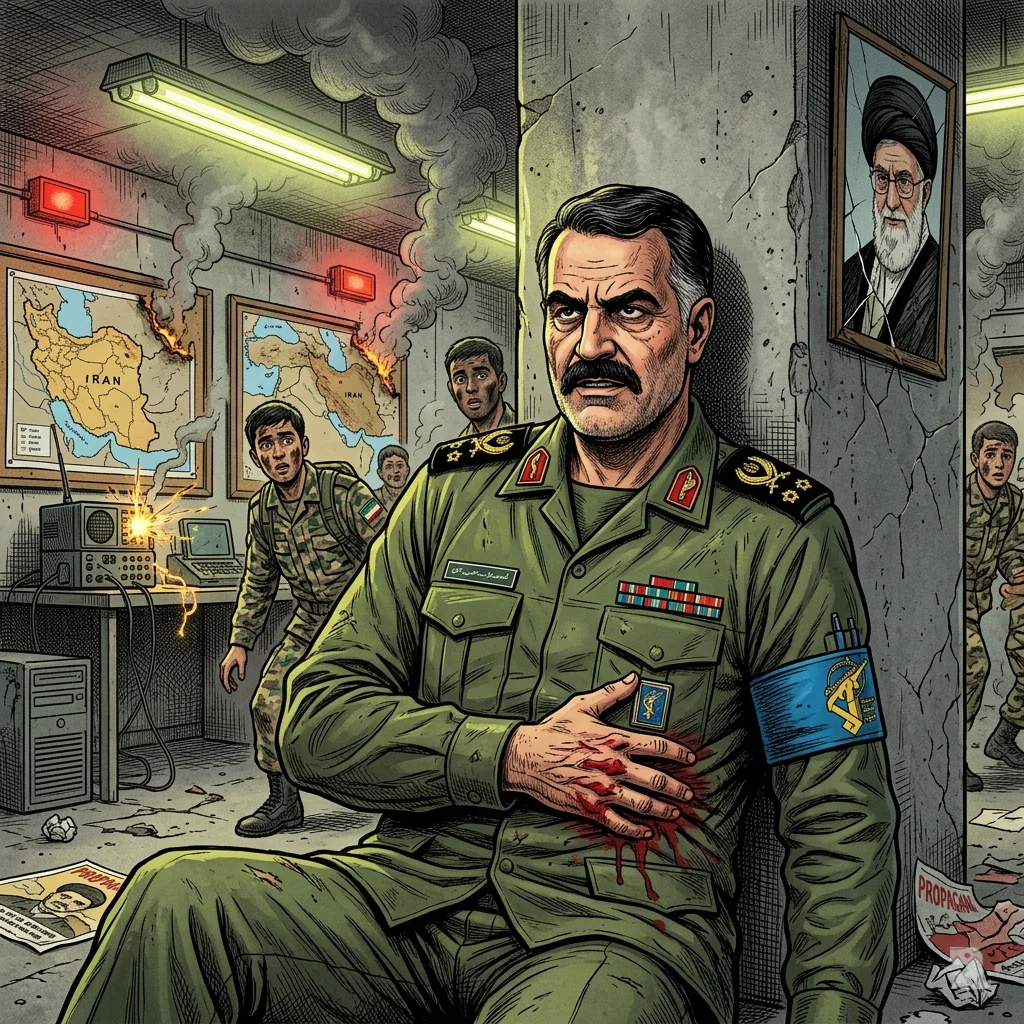
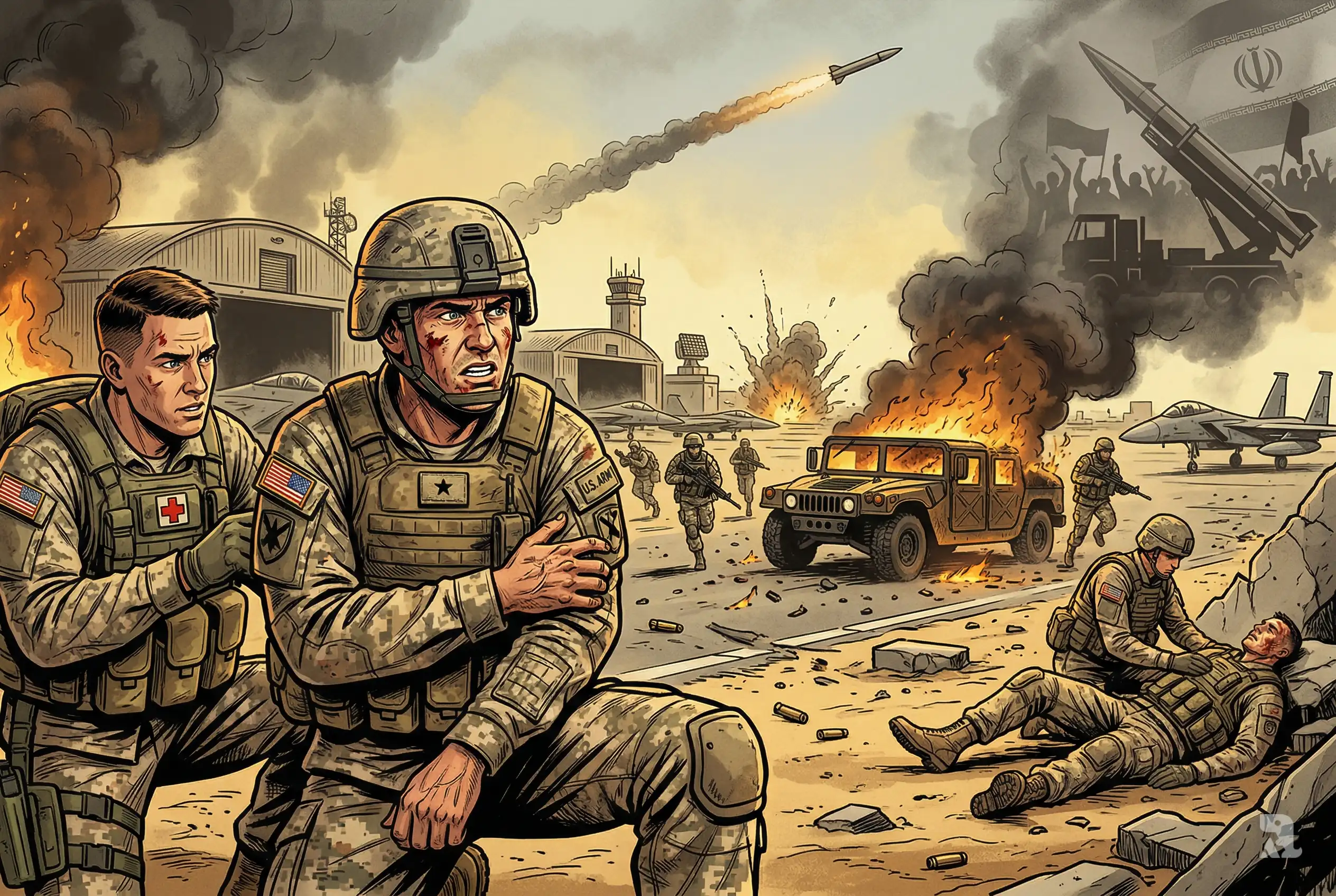
Iranian state media also confirmed Brigadier General Gholamreza Soleimani, head of the Basij paramilitary forces within the IRGC, was killed in what Tehran called an “American-Zionist enemy” attack. He led the fightback for 6 years.
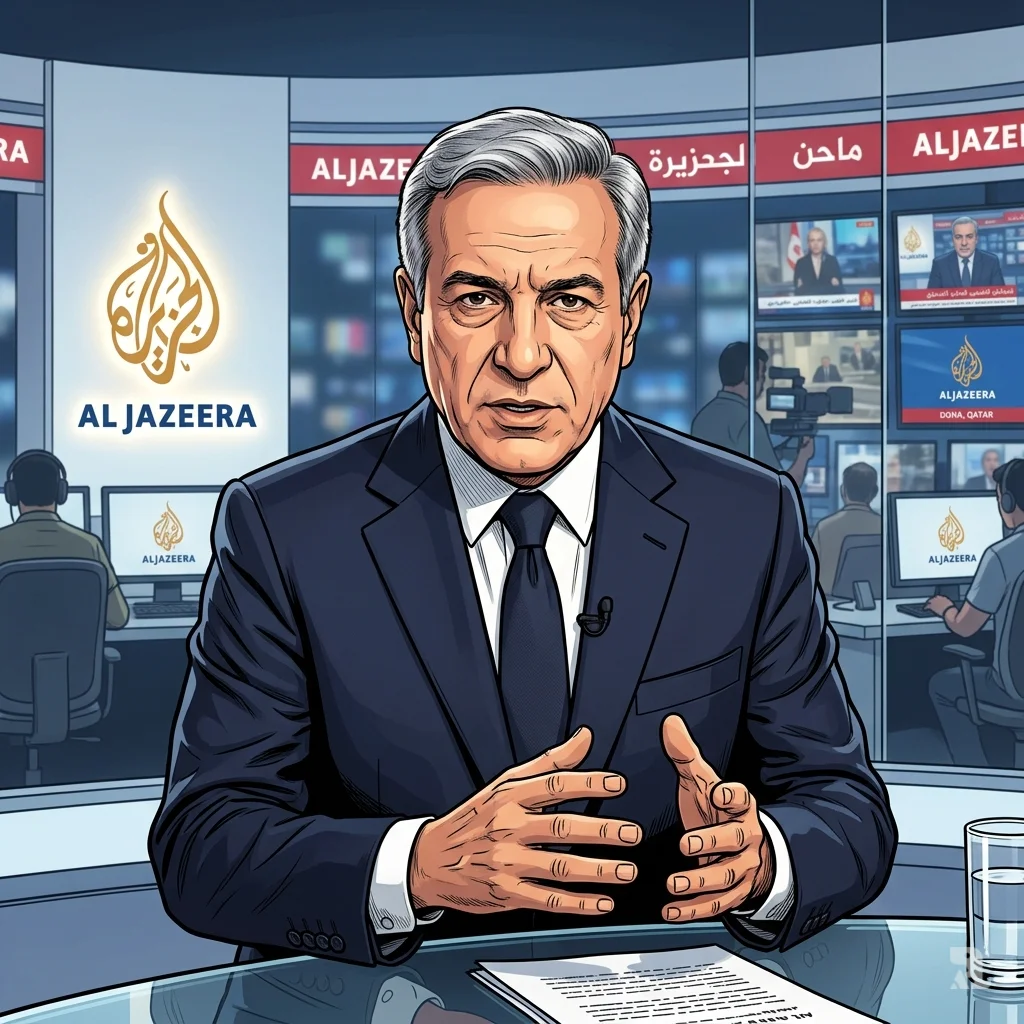
Foreign Minister Abbas Araghchi responded firmly on Al Jazeera. He declared Iran has a “strong political structure” — the presence or absence of 1 individual does not affect it. “Even the leader was martyred, yet the system continued.”
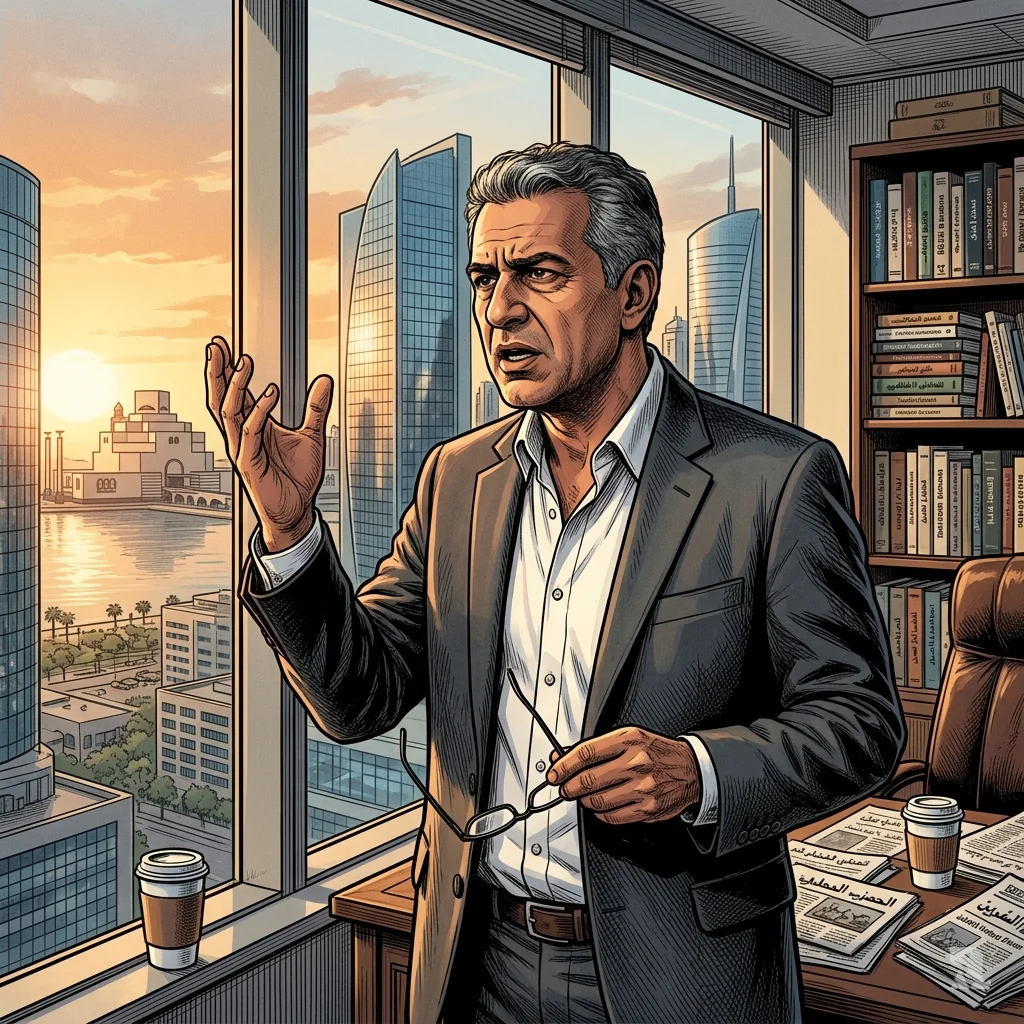
Al Jazeera analyst Marwan Bishara called Israel’s assassination strategy “gangster” and “terrorism.” He warned that while Iran’s system is strong, repeated targeted killings cause “quantitative changes leading to qualitative changes.”
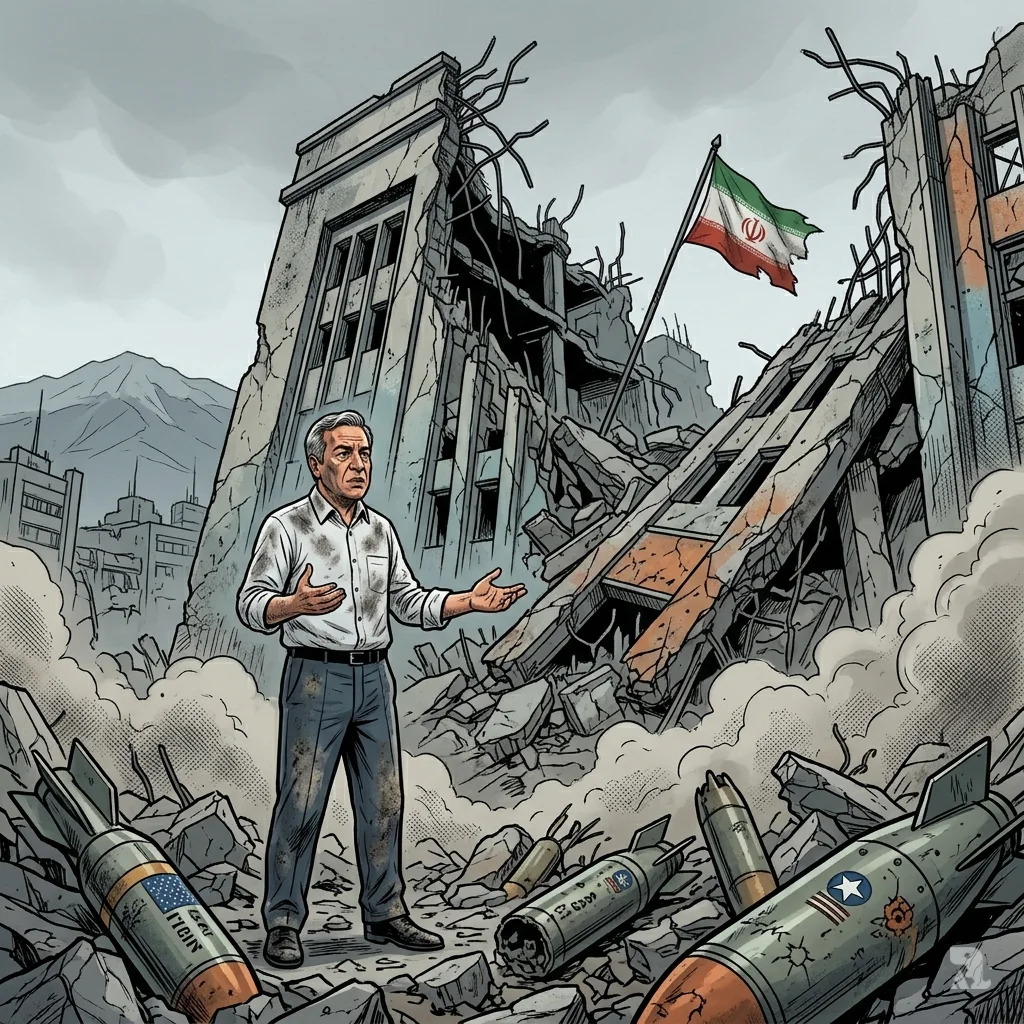
Araghchi declared, “This war is not our war. The United States started it.” He demanded America be held accountable for all human and financial consequences — for Iran, the region, and the entire world.