
Iran’s $20,000 Drones Drain $4 Million Patriots — Is Defense Math Breaking?
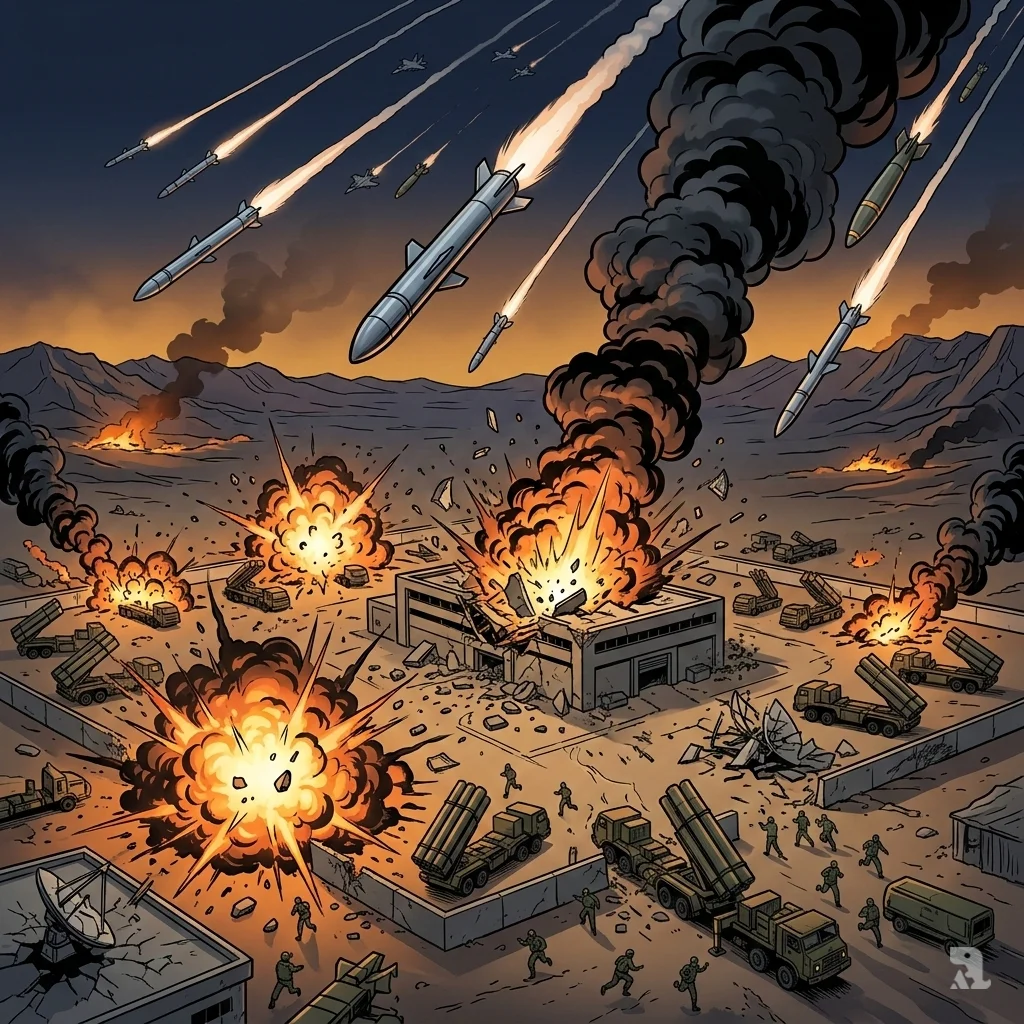
On Feb 28, 2026, the US and Israel launched coordinated airstrikes on Iran using cruise missiles, drones, and precision bombs. The attack killed Ali Khamenei and destroyed about 150 missile launchers across multiple Iranian military sites.
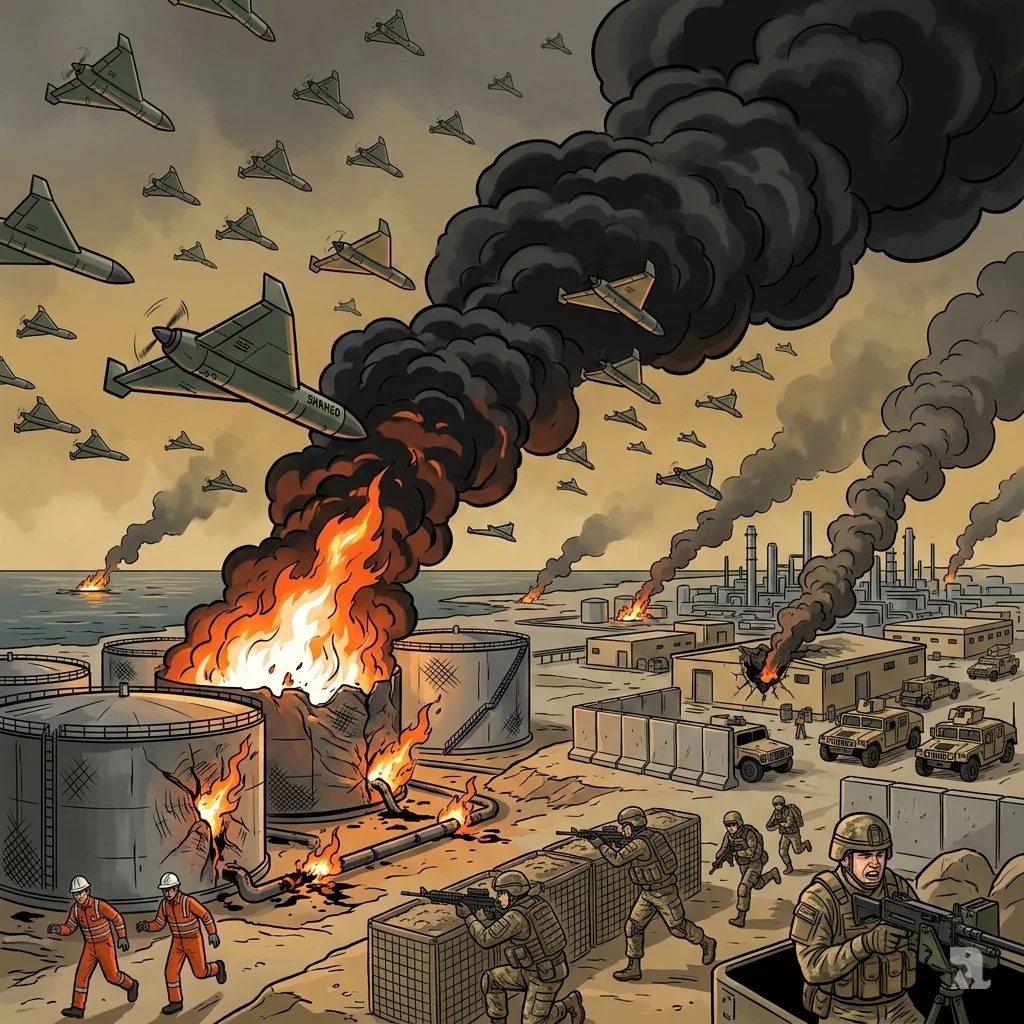
Iran retaliated by launching waves of Shahed-136 drones, each costing about $20,000. More than 1,200 projectiles struck US bases, oil facilities, and civilian buildings across the Middle East, including targets in UAE and Bahrain.
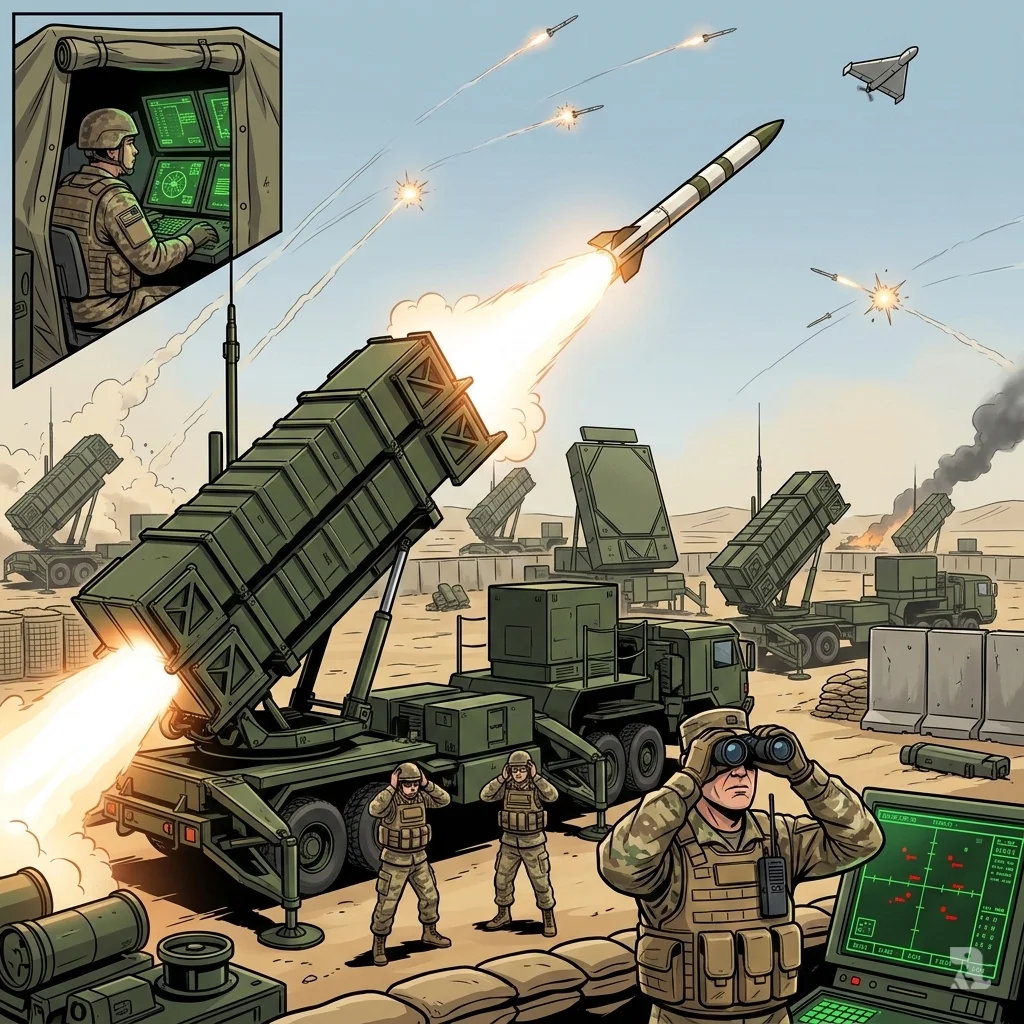
Patriot PAC-3 missiles costing about $4 million intercepted drones with over 90% success. But using costly interceptors against cheap drones quickly drained supplies. THAAD missiles costing $12 million and APKWS rounds were also used.
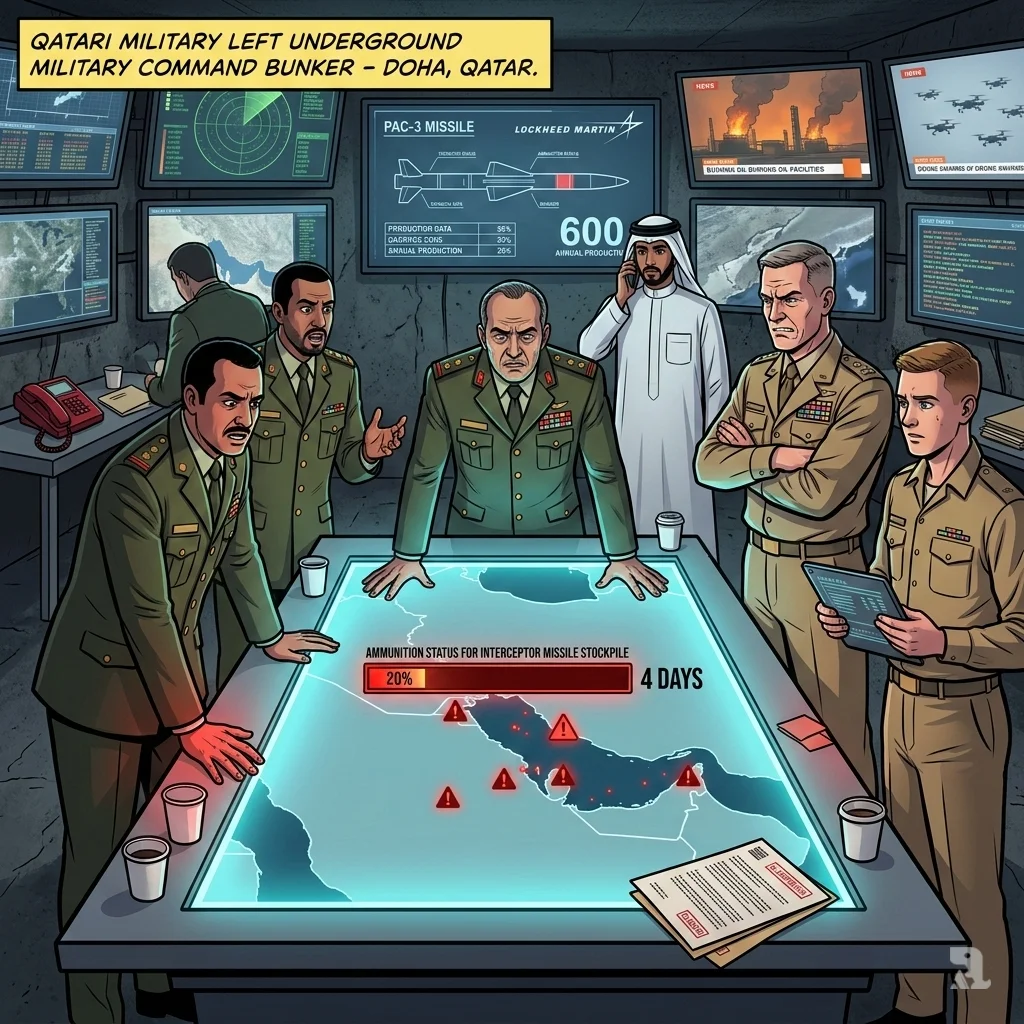
At the current firing rate, Qatar’s Patriot interceptor stocks could last only 4 days. With just 600 PAC-3 missiles produced in 2025, and thousands already fired since Saturday, Gulf states quietly pushed for a fast ceasefire.
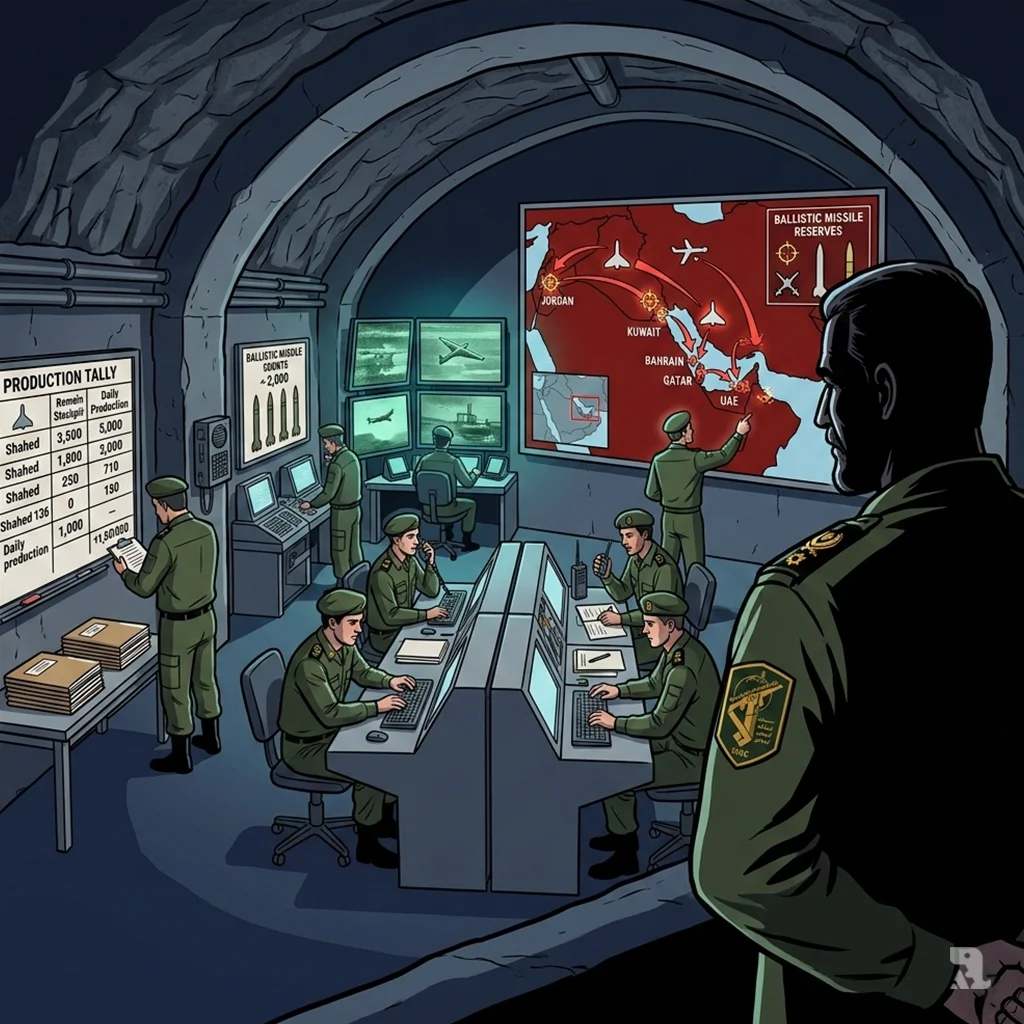
Iran’s military operated with pre-issued orders and little civilian coordination. Their attrition strategy aimed to exhaust interceptors and weaken Gulf political will. Around 2,000 ballistic missiles stayed in reserve while cheap Shahed drones continued attacks.
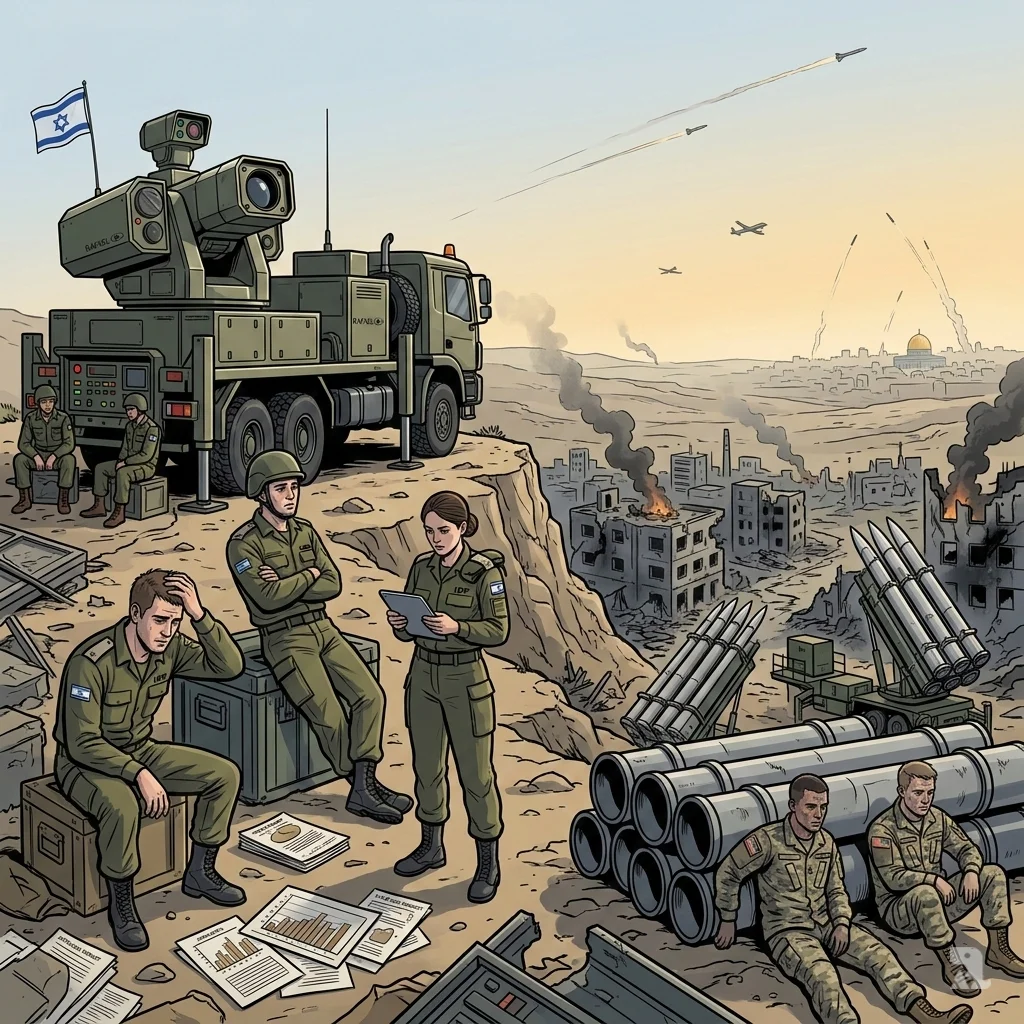
With PAC-3 supplies dangerously low and Iran’s drone reserves also shrinking, experts warned of a likely stalemate. Israel’s Iron Beam laser stayed unused. Analysts said the regime might survive as both sides slowly exhaust weapons.