Myanmar’s Brutal Civil War Enters 6th Year — 96,000 Dead and No End in Sight
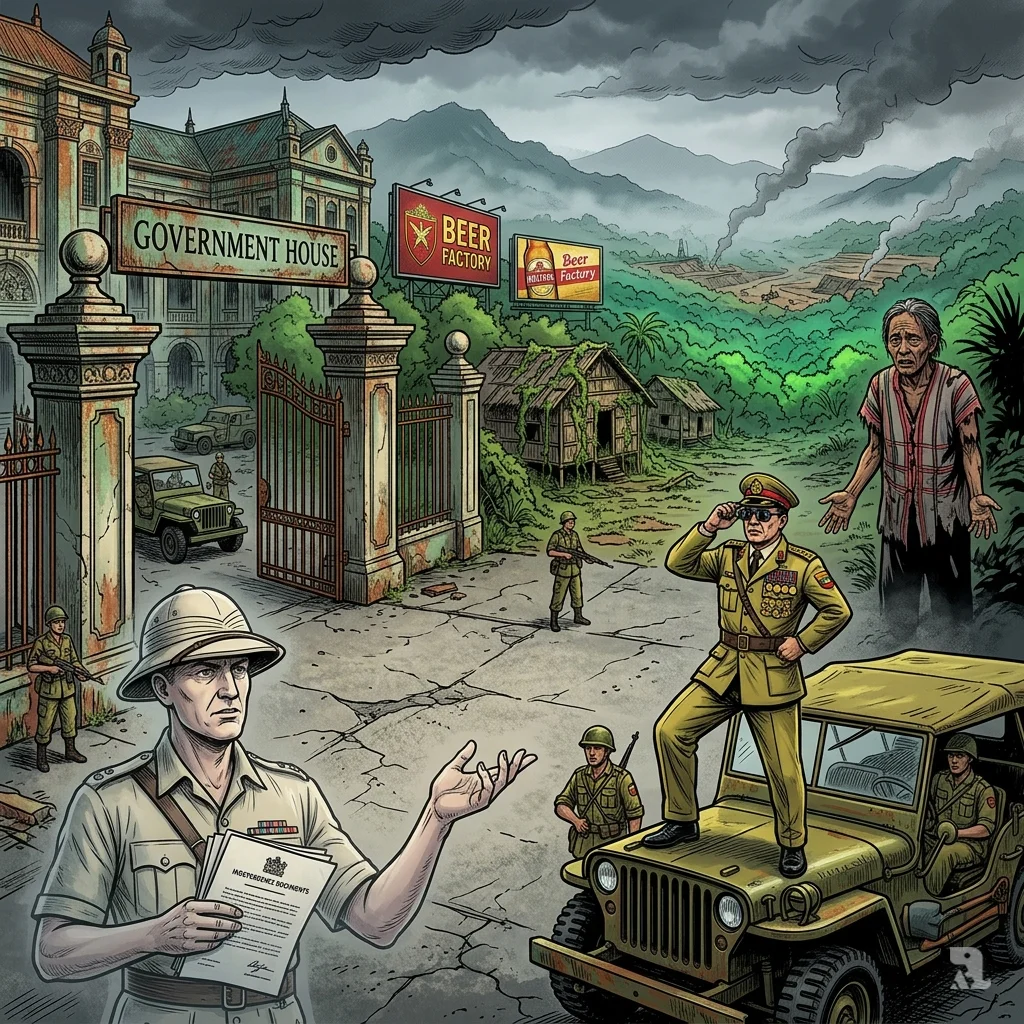
Since 1948 independence from the British, Myanmar’s military dominated politics for over 6 decades, building a vast business empire from resource extraction to beer sales, while suppressing ethnic minorities promised autonomy that never came.
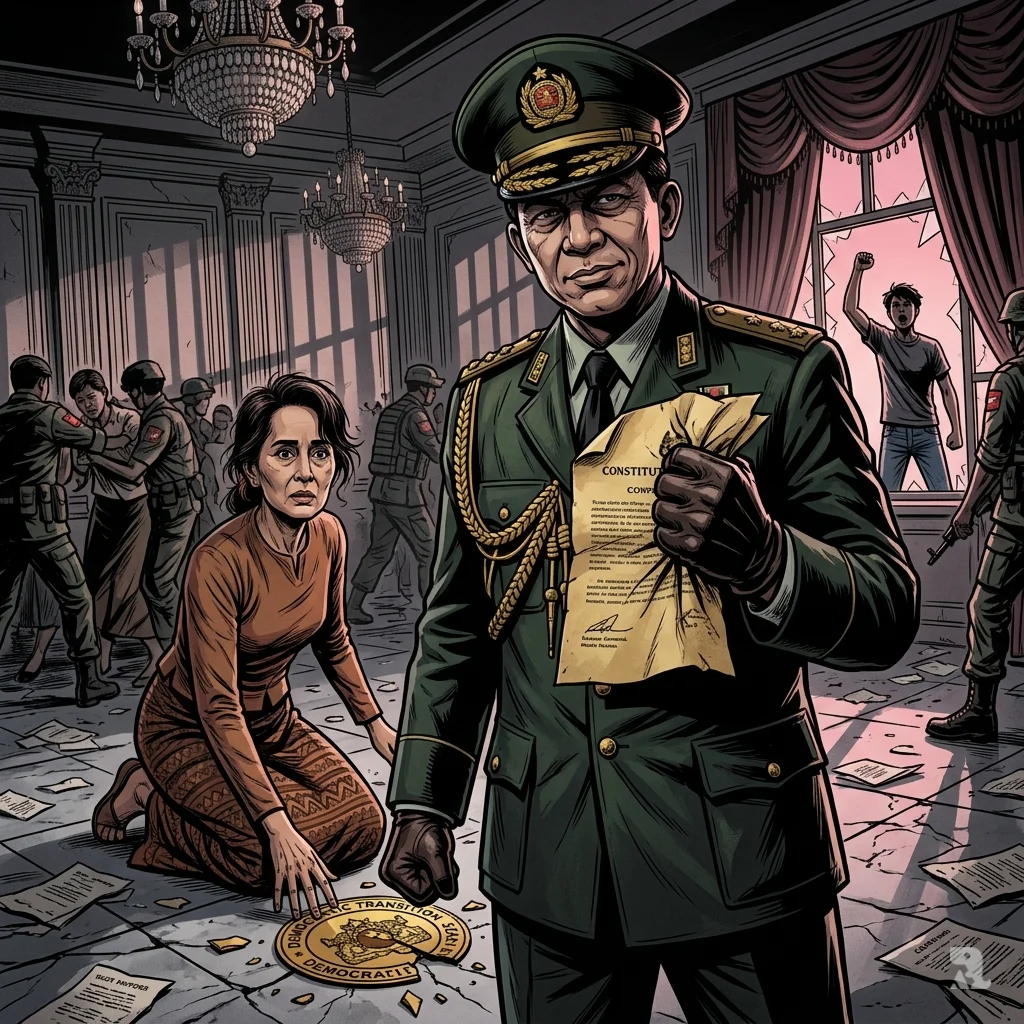
In 2021, Senior General Min Aung Hlaing ousted the elected government and detained Nobel laureate Aung San Suu Kyi, reversing a decade of fragile democratic transition and sparking a massive nationwide uprising.
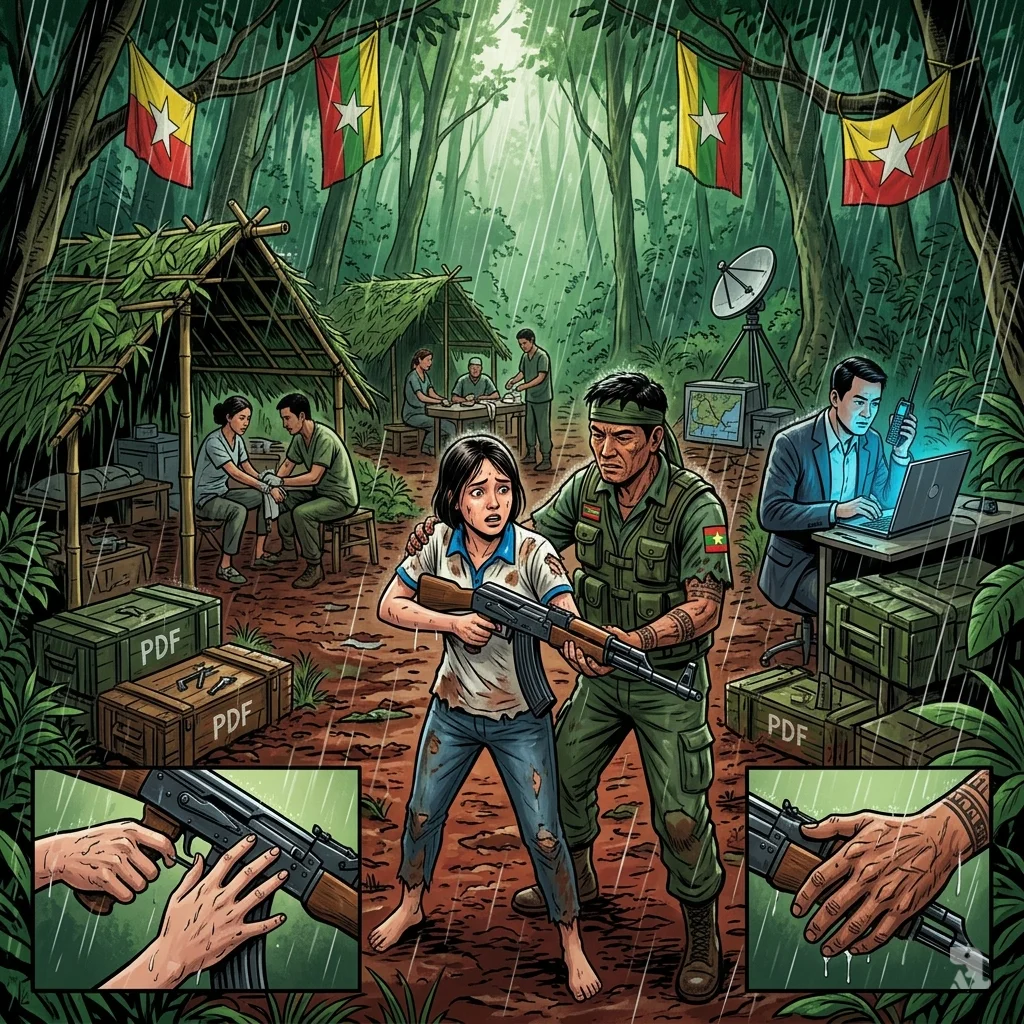
The military’s bloody crackdown drove peaceful protesters to seek combat training from ethnic rebels. They formed the People’s Defence Force (PDF) under the shadow government NUG, claiming roughly 250 battalions and about 100,000 personnel.
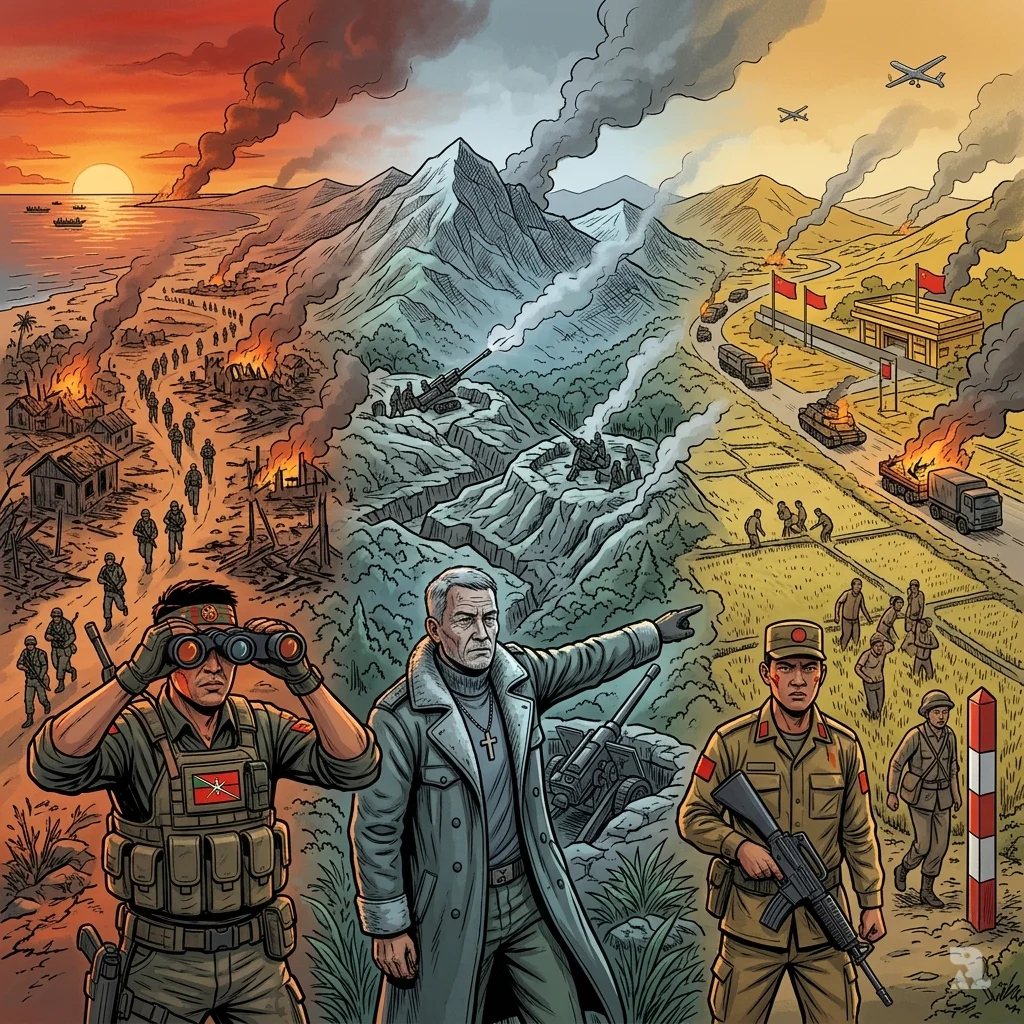
Ethnic armed groups dealt the heaviest blows. The Arakan Army built a 40,000-strong force amid the unresolved Rohingya crisis, the KIA fielded 30,000 troops, while the MNDAA surrendered captured territory under Beijing’s pressure.
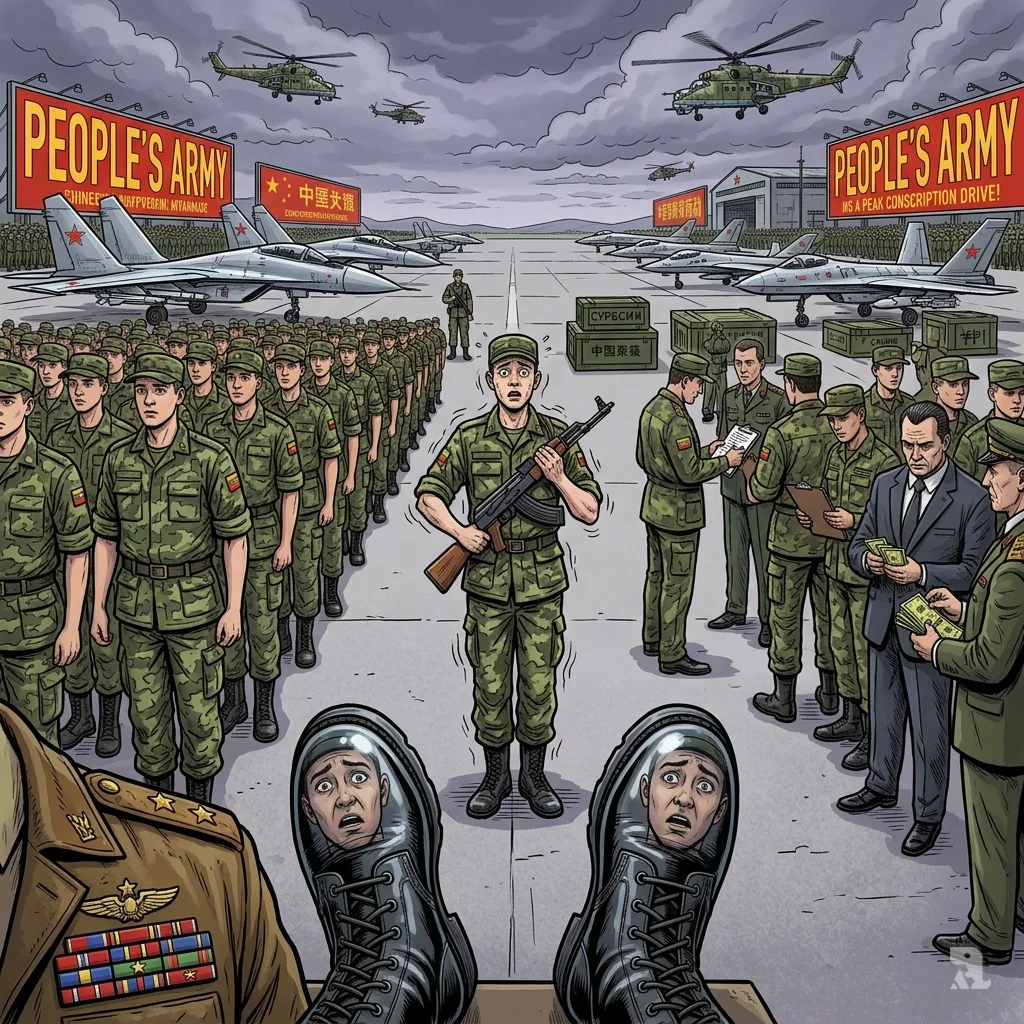
The military, fielding 150,000–250,000 soldiers, was bolstered by arms from China and Russia — deploying jets, helicopters and drones. Conscription in 2024 added 100,000 recruits, while fractured opposition forces failed to unite.
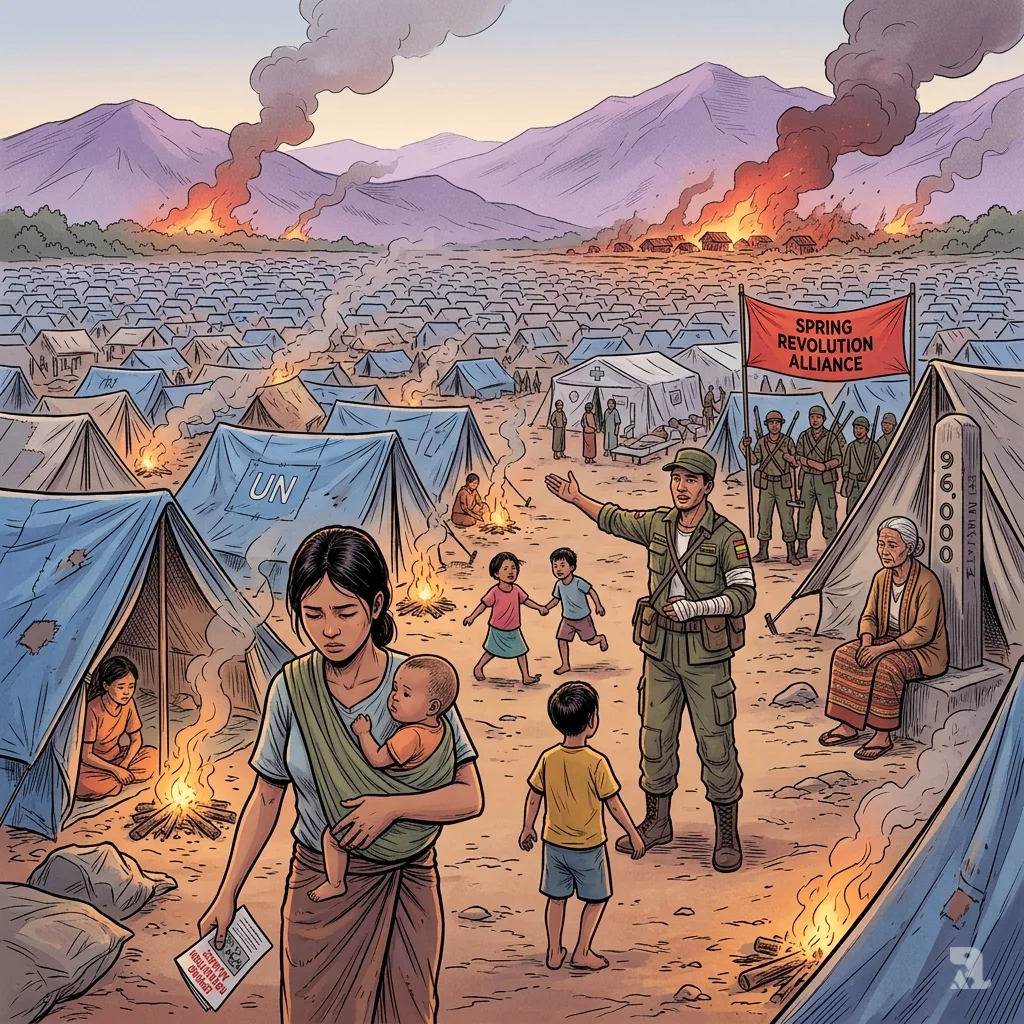
With over 96,000 killed and 3.6 million displaced, Myanmar’s war grinds on. In November 2025, new groups formed the Spring Revolution Alliance — yet analysts warn resistance forces risk dwindling as the military advances.