
Climate Change Is Slowly Killing Hockey And This Plastic Fix Might Make It Worse

At Eugene T. Mahoney State Park in Nebraska, Michael Townsend and his crew worked overtime — flooding the rink and driving the Zamboni through the night, fighting a losing battle against warmer winters.

In 2024, when the 26-year-old rink needed replacement, new compressors would cost $2 million — far too steep for a rink serving just 7,500 skaters a season. The park chose plastic ice at $350,000.
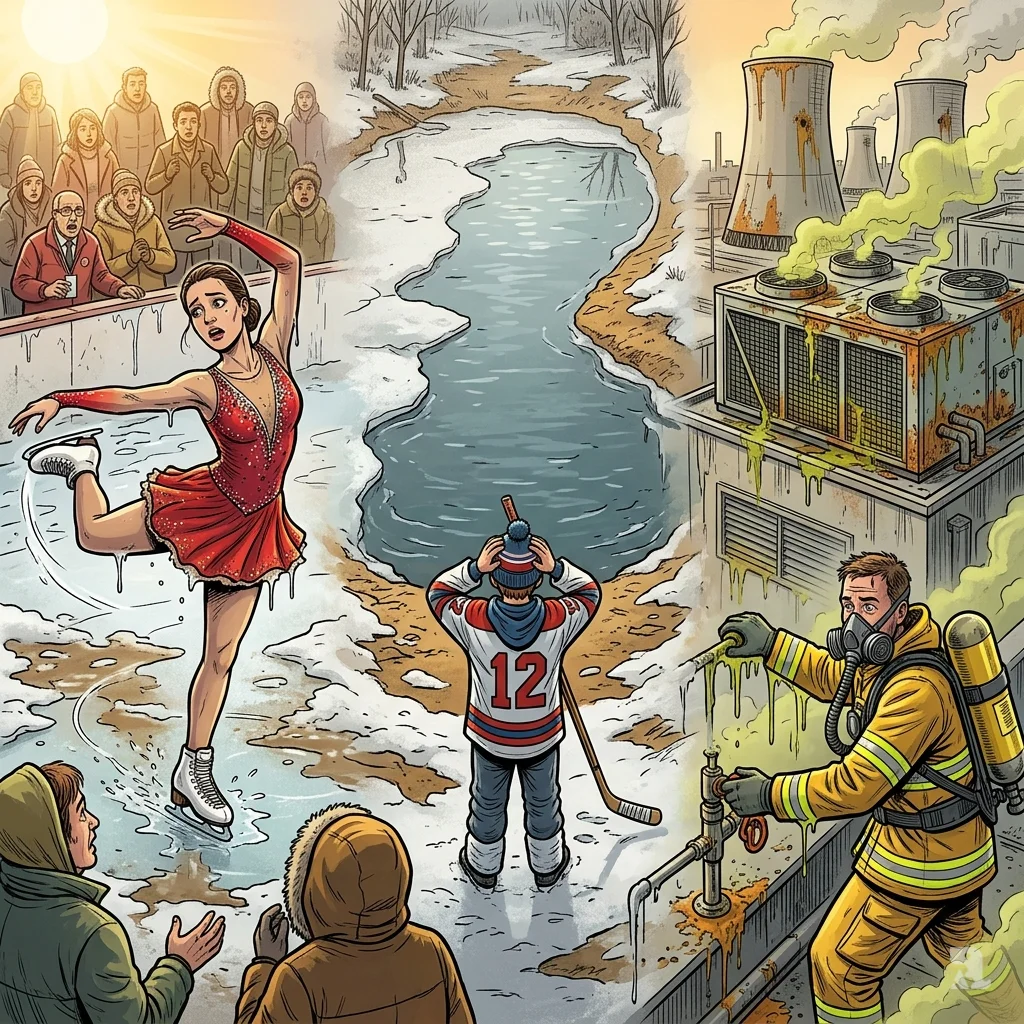
Climate change has wrecked winter sports worldwide — skaters faced slushy surfaces at the 2026 Milan-Cortina Winter Games, pond ice is shrinking, and aging rinks are leaking dangerous ozone-depleting chemicals into the atmosphere.

Environmentalists sounded the alarm — plastic is made from fossil fuels, and microplastic shavings from skate friction have been detected in human blood, lungs, and placentas, with almost no rigorous study done yet.
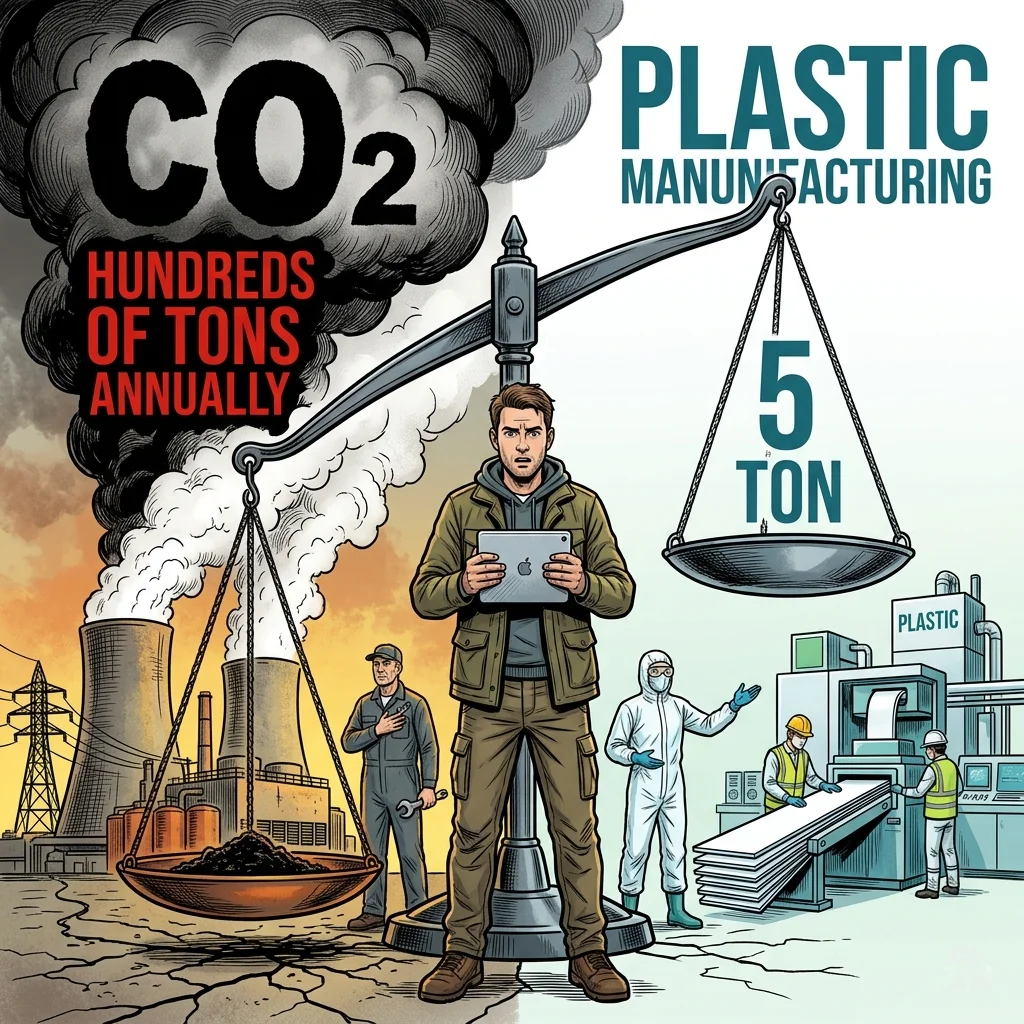
The counterpoint is stark — a single traditional rink emits hundreds of tons of CO2 annually. Producing a full 5-ton plastic rink creates only a fraction of that footprint, researchers confirmed. The math favors plastic.

The NHL now uses plastic ice at training facilities, even donating a rink to a Miami school. Rink Watch data from 20,000 rinks confirms backyard skating is dying — plastic may be hockey’s only future.