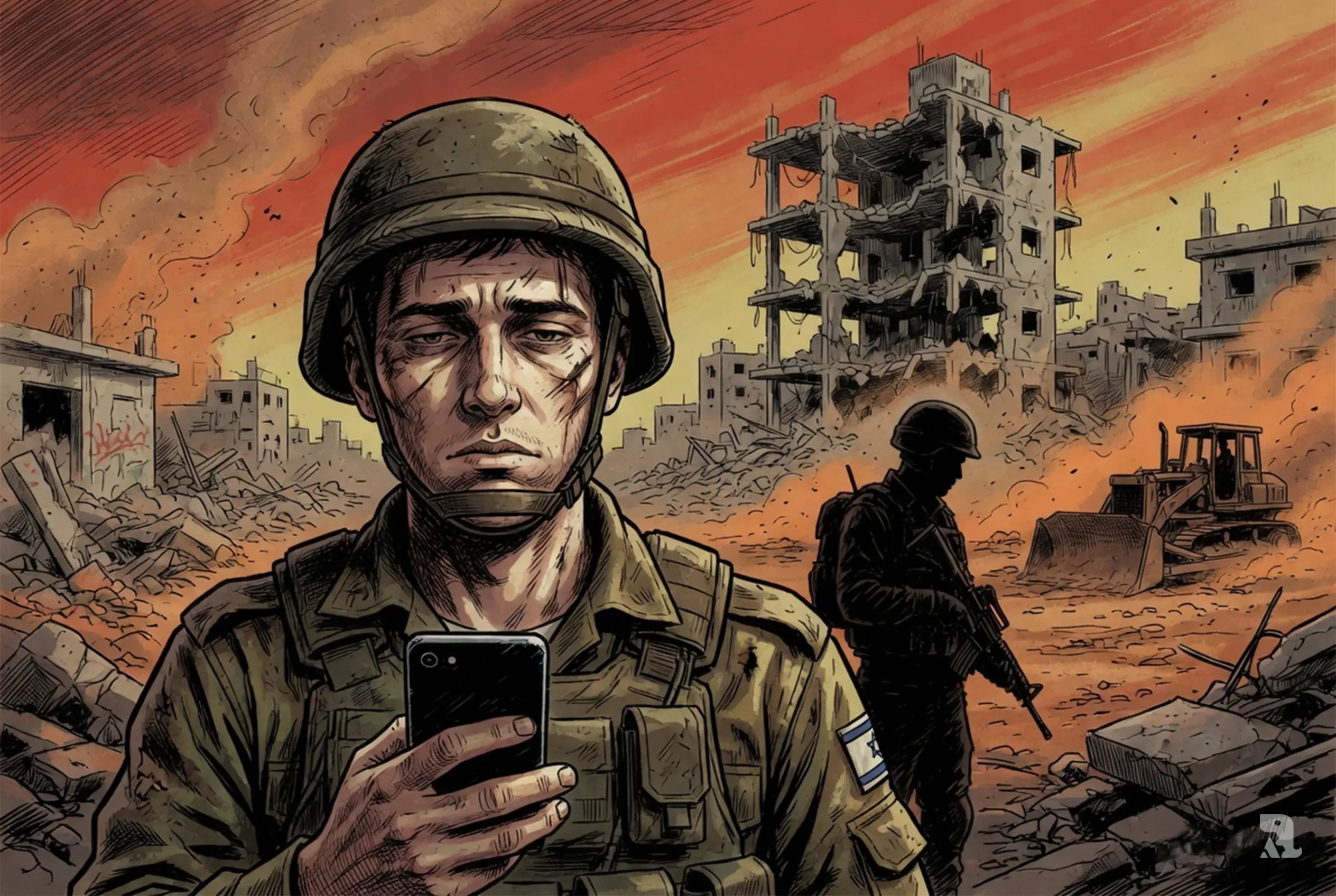
After Deadly Strike, Will Mojtaba Khamenei Take Iran’s Most Powerful Throne?
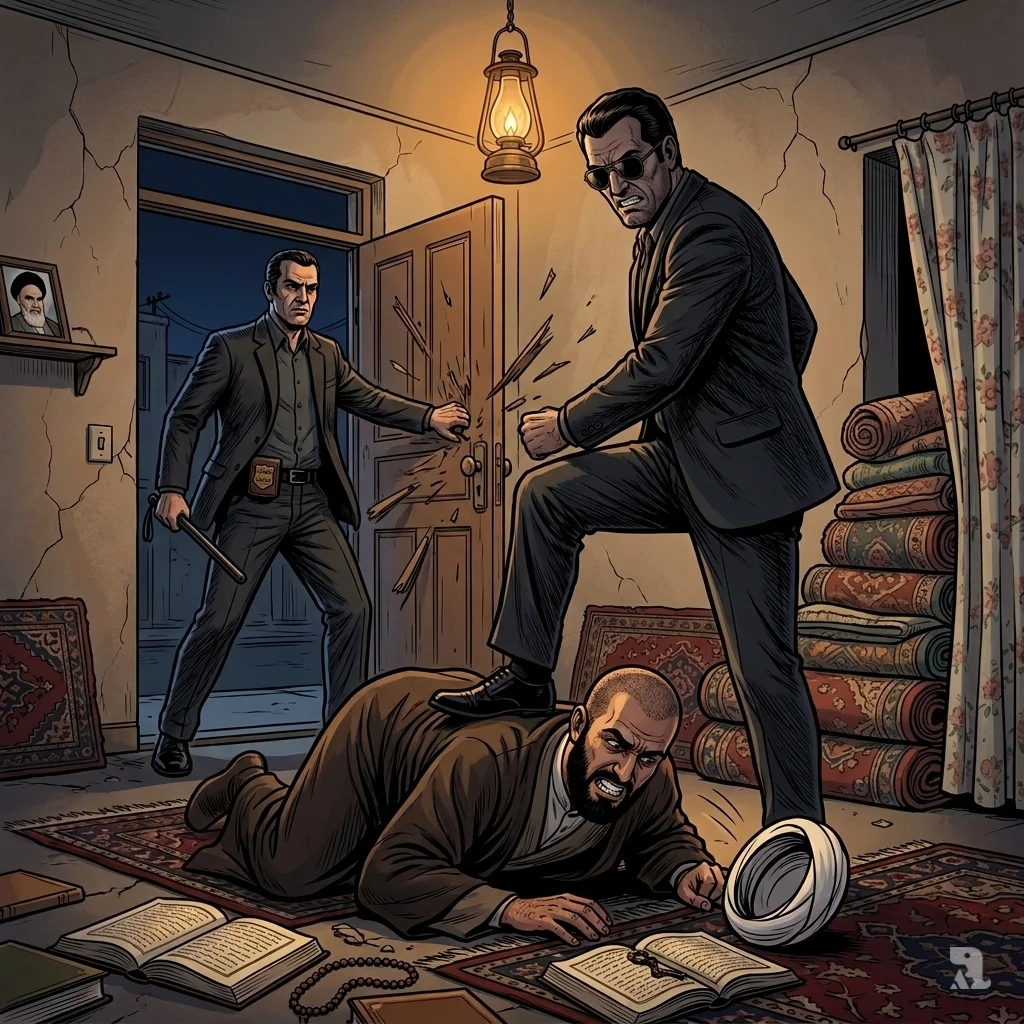
Mojtaba Khamenei was born in 1969 in Mashhad, Iran. He grew up watching his father Ali Khamenei oppose the Shah. The secret police SAVAK raided their home and violently beat his father in front of the children.
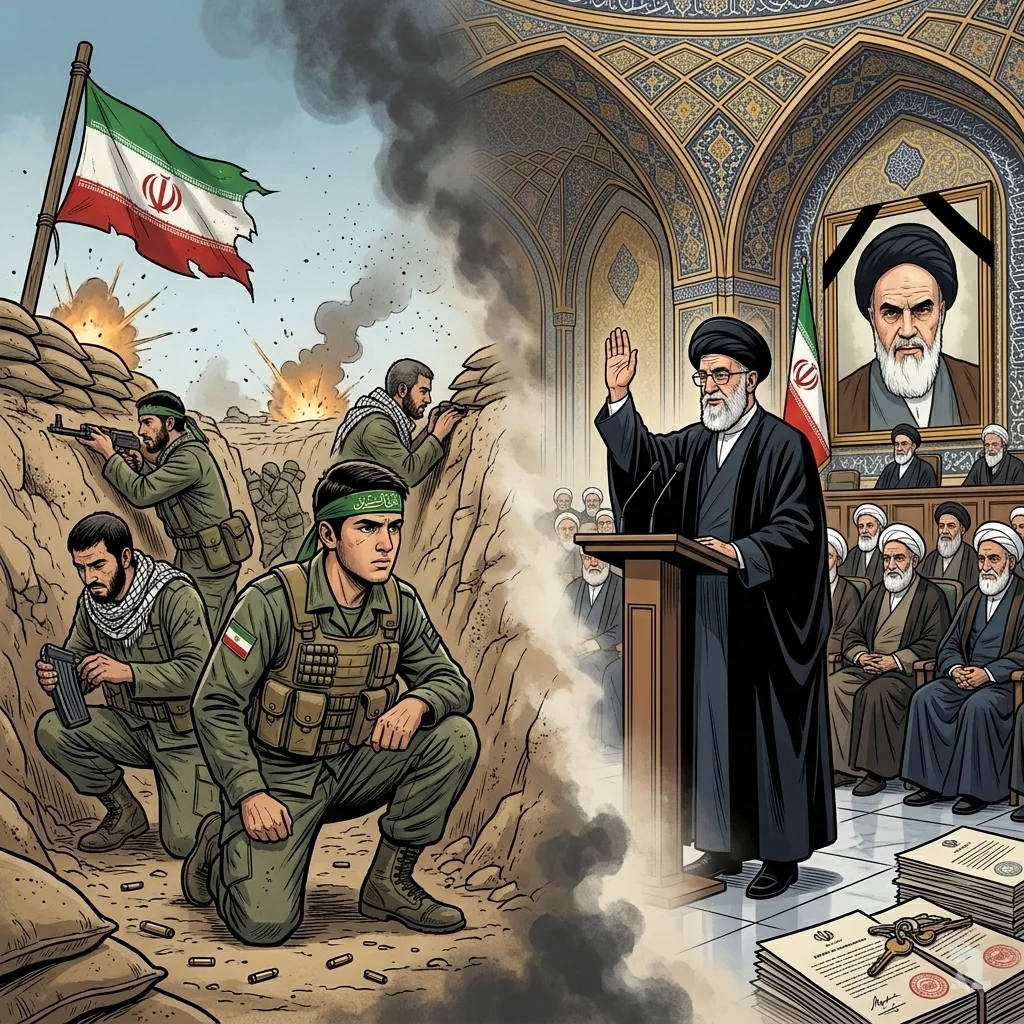
After the 1979 Islamic Revolution, the family moved to Tehran. Mojtaba fought in the Iran–Iraq War with the Revolutionary Guard’s Habib ibn Mazahir Battalion. In 1989, his father became Supreme Leader, giving the family access to powerful state foundations.
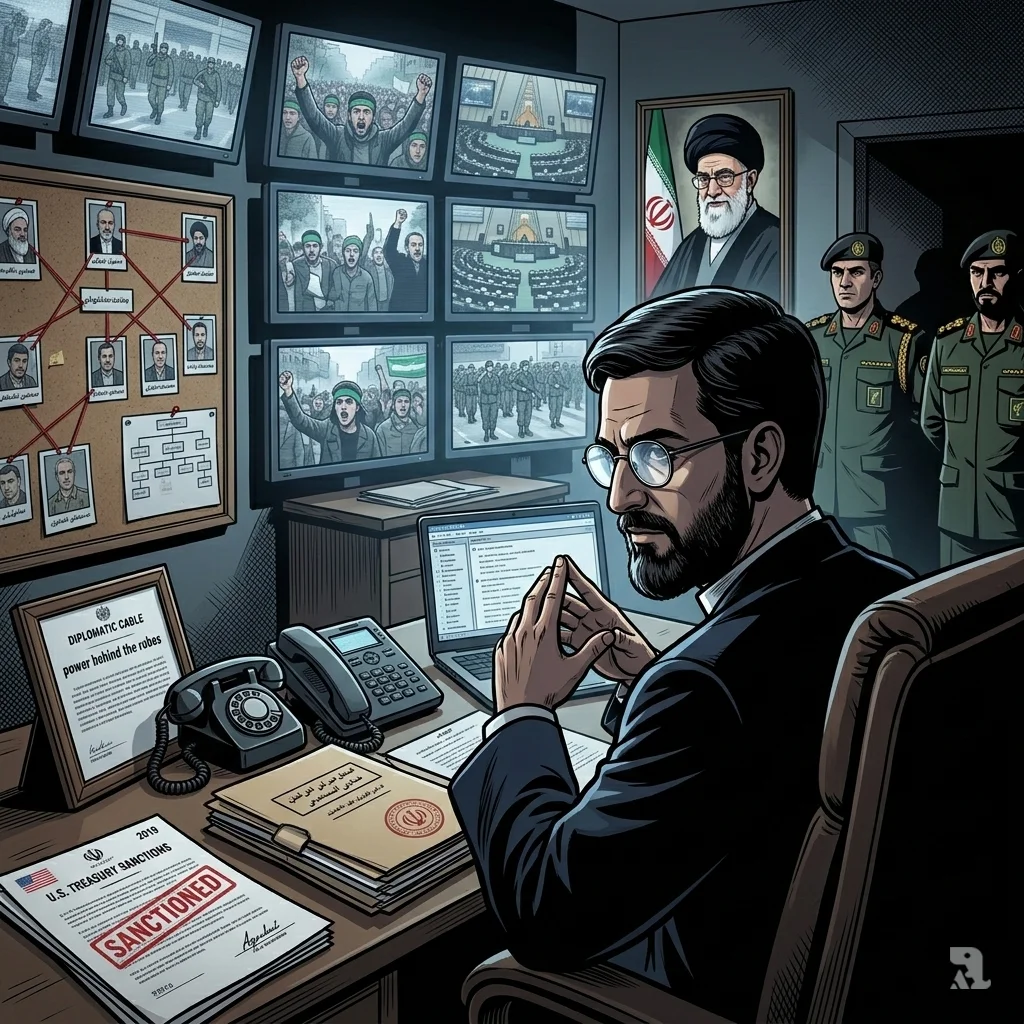
U.S. cables called Mojtaba “the power behind the robes.” He acted as his father’s gatekeeper and power broker, allegedly influenced elections, backed Mahmoud Ahmadinejad’s rise, worked closely with the IRGC and Basij, and was sanctioned in 2019.
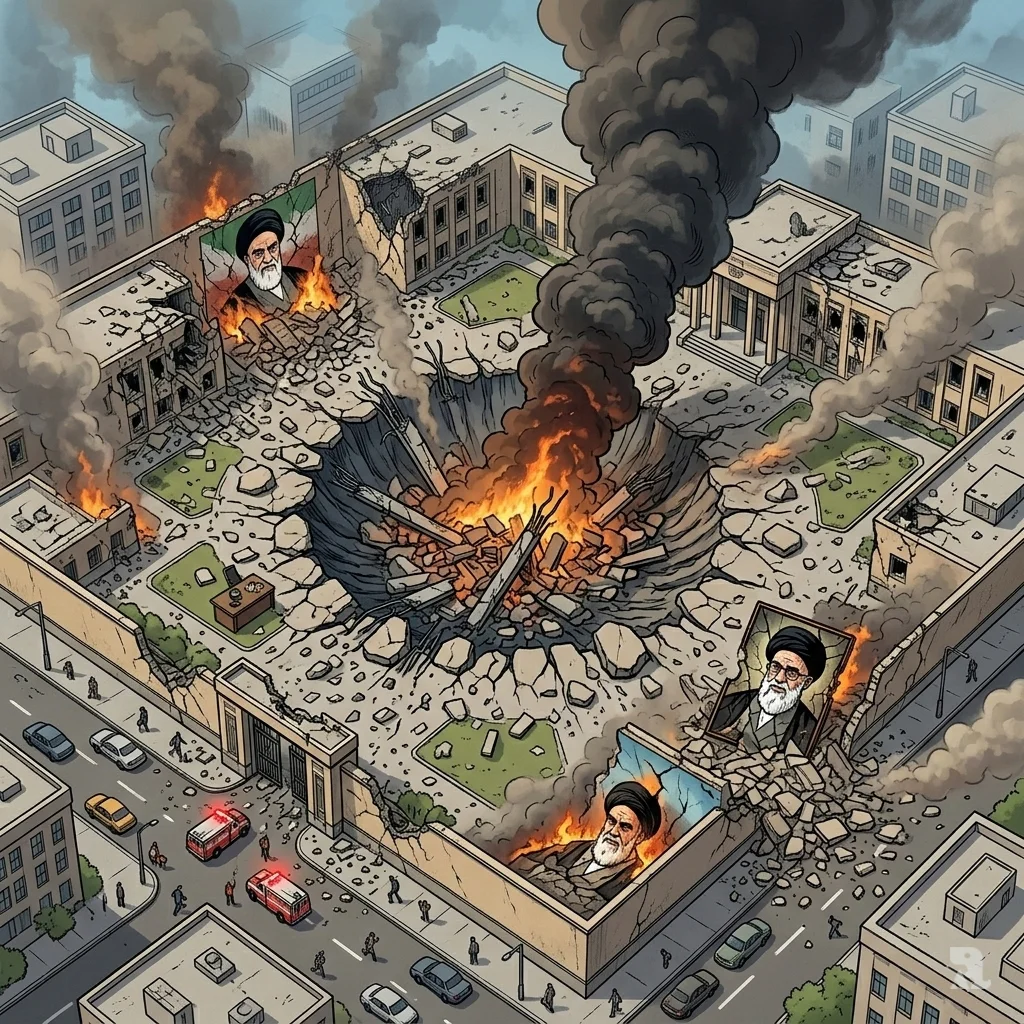
An Israeli airstrike hit the Supreme Leader’s offices in Tehran, killing 86-year-old Ali Khamenei and Mojtaba’s wife Zahra Haddad Adel. Mojtaba has not appeared publicly since Saturday and is believed alive, likely hiding as strikes continue.
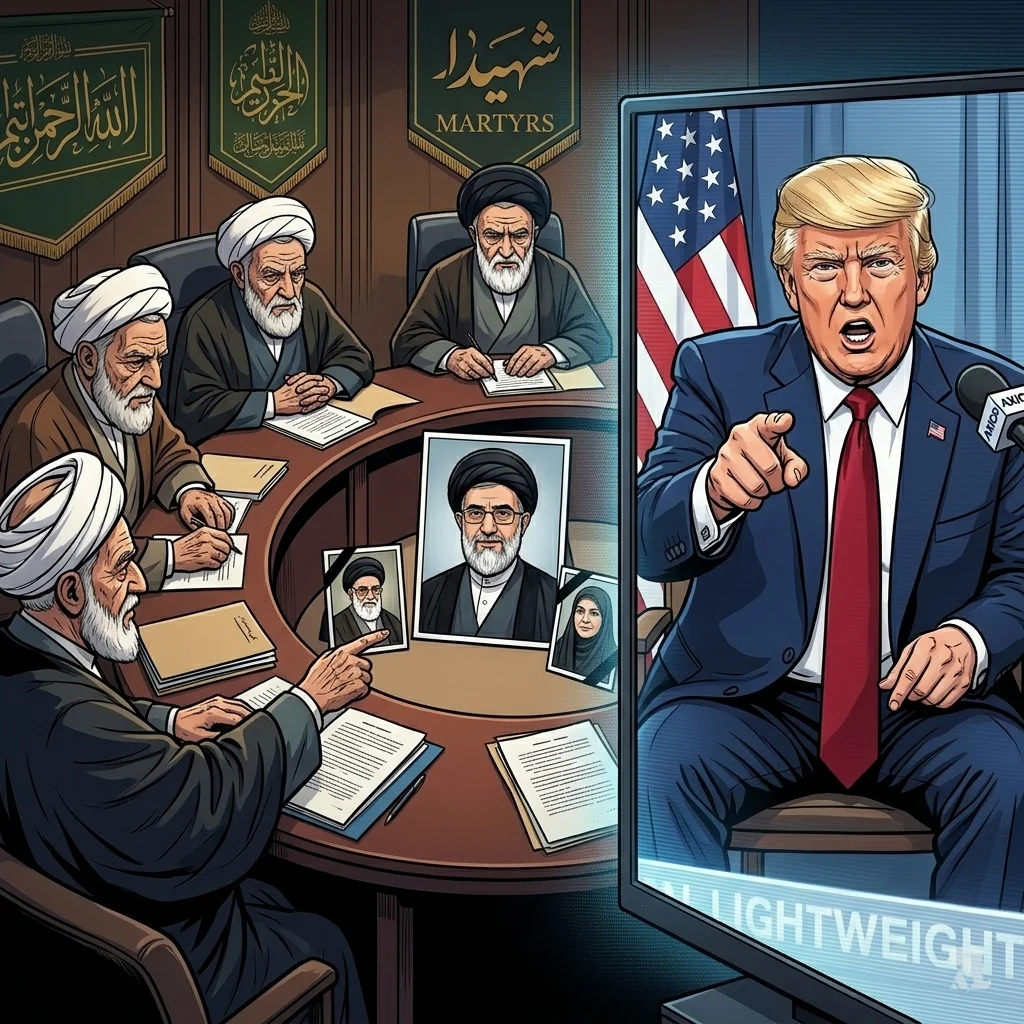
Mojtaba’s candidacy grew as hardliners viewed his father and wife as war martyrs. The 88-seat Assembly of Experts began choosing Iran’s next leader. Meanwhile, Donald Trump called him “a lightweight” and demanded involvement, possibly boosting Mojtaba’s support.
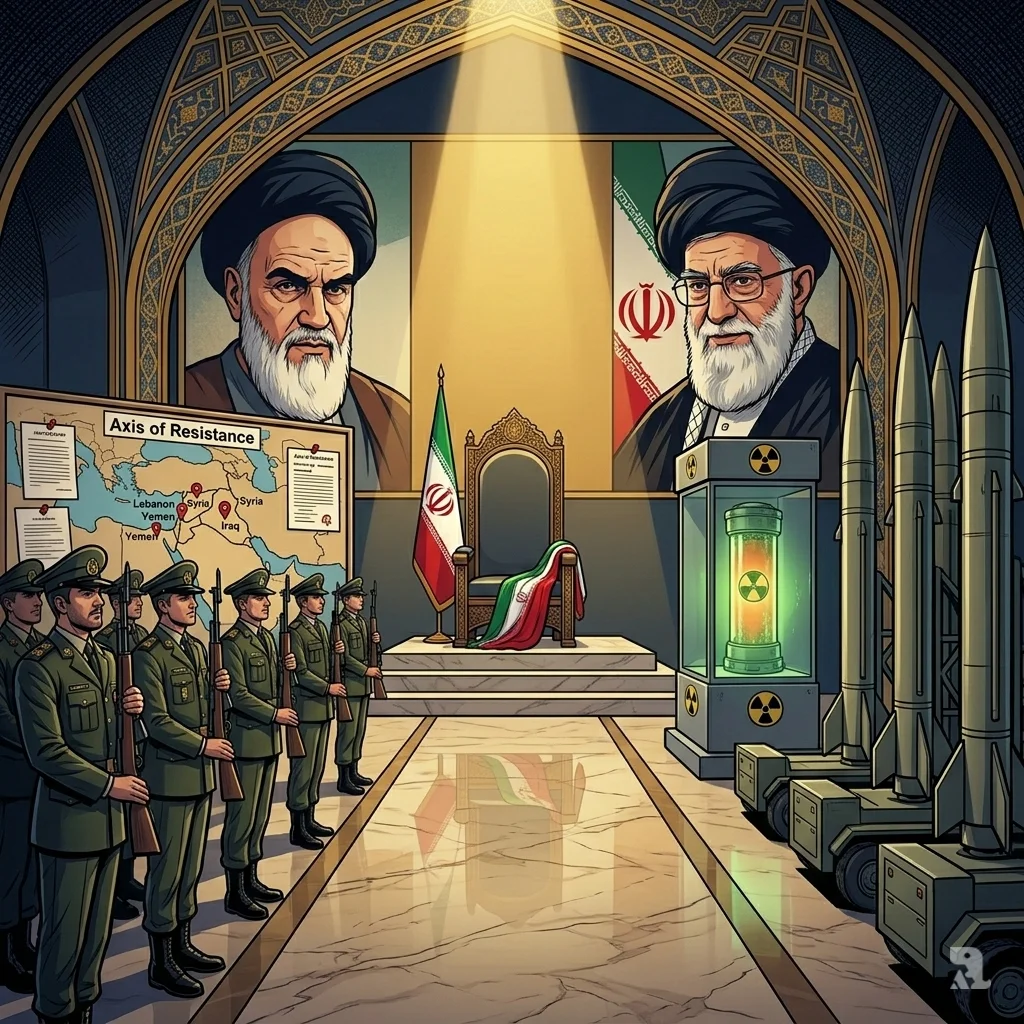
Iran’s next supreme leader will control a military in conflict with Israel and the United States, a stockpile of weapons-grade uranium, and the IRGC’s “Axis of Resistance” network across the Middle East. The most powerful seat now stands empty.