
China’s Big Tech Push Sparks Fears of Dangerous Economic Imbalance Ahead
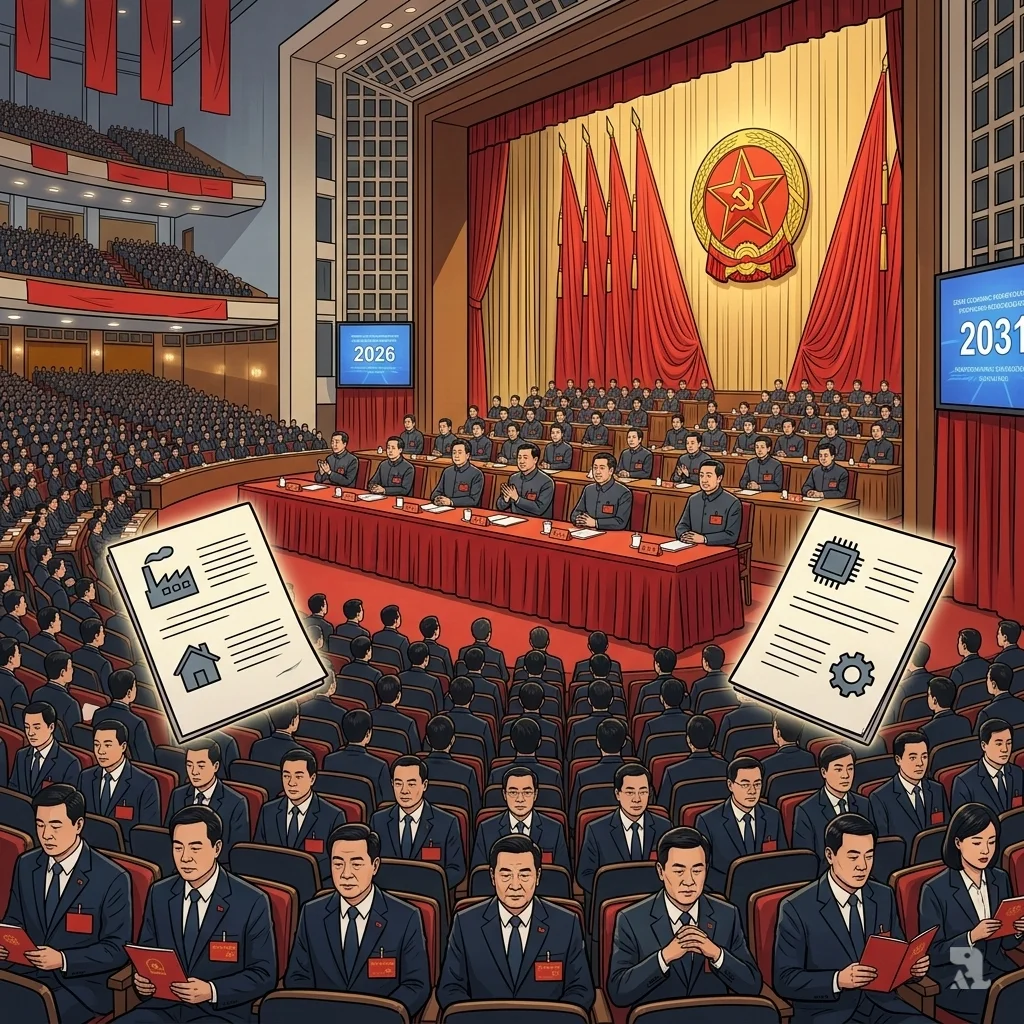
At National People’s Congress in Beijing, leaders unveil 2 major economic plans. The 2026 plan boosts the domestic market, while the long-term plan prioritizes faster tech progress, showing China’s careful effort to balance growth priorities.
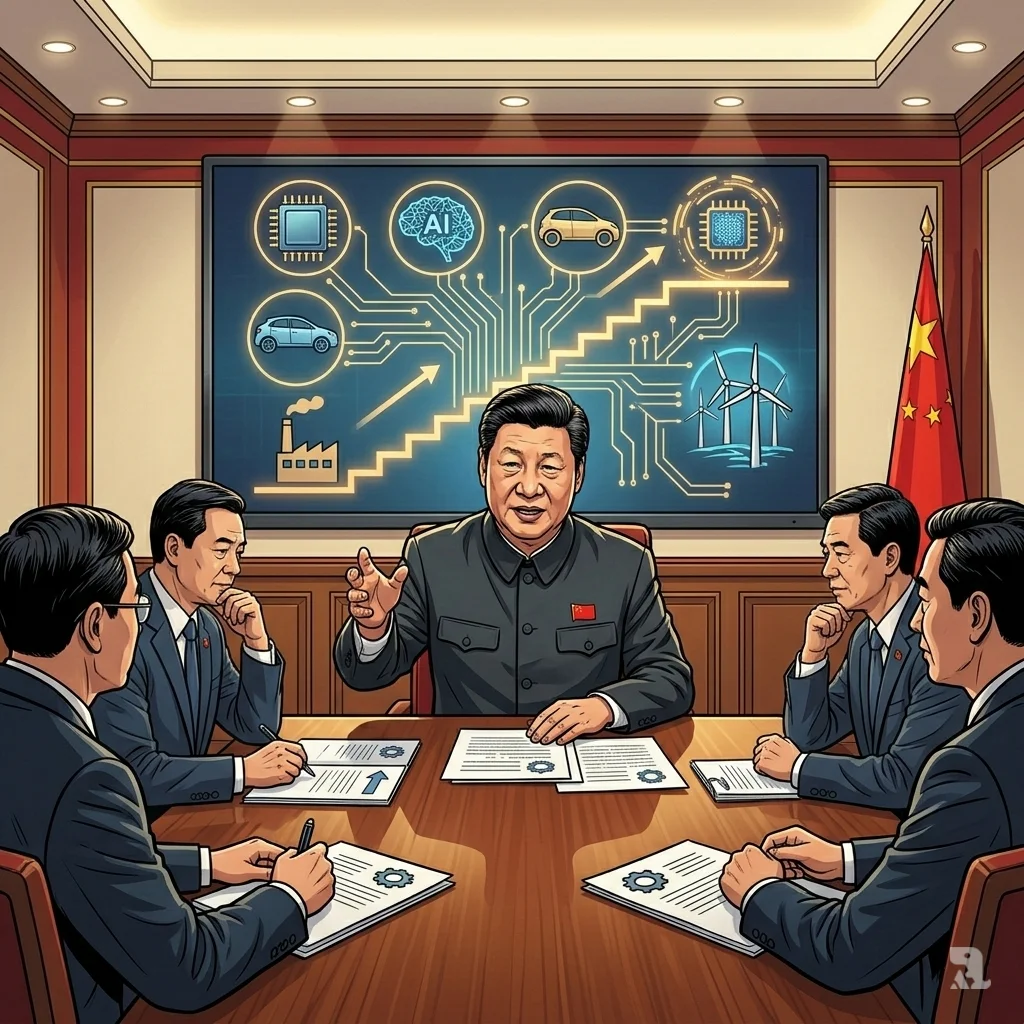
Xi Jinping urges delegates to focus on original innovation and gain leadership in science and technology. His vision aims to shift China from a low-cost manufacturing base into a powerful tech economy able to compete with the United States.
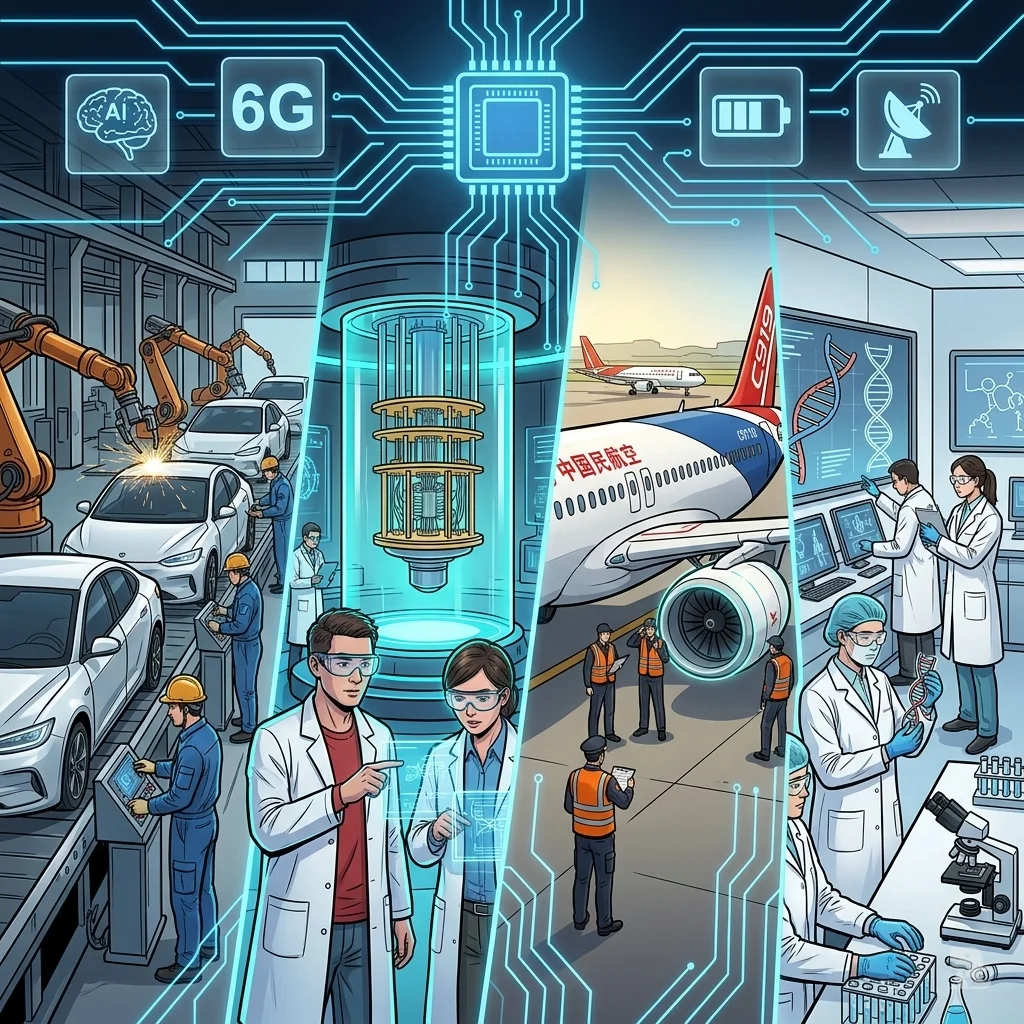
China’s 5-year plan targets AI, quantum tech, biotech, EVs, semiconductors, 6G, and expanded production of the C919 jet. It also seeks major breakthroughs in domestic jet engines and advanced robotics development.
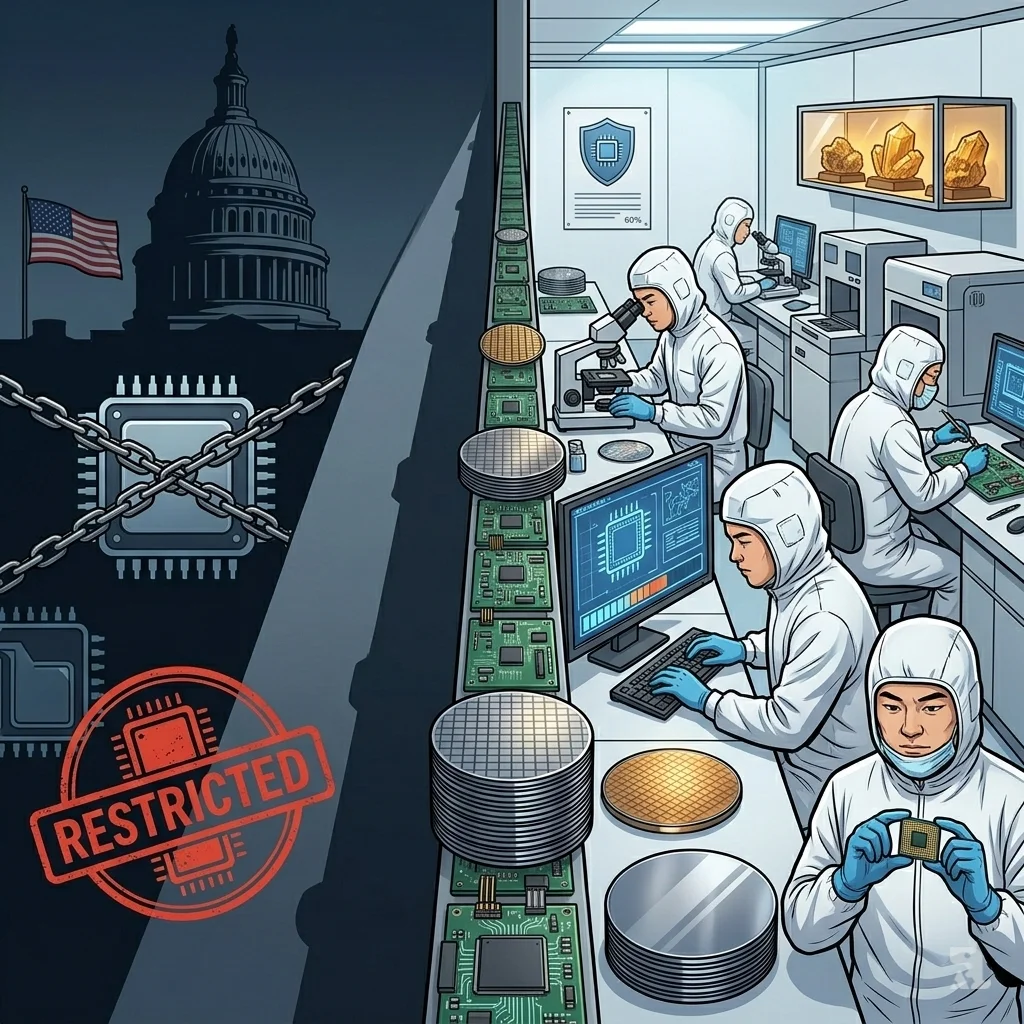
The U.S. limits China’s access to advanced semiconductors over security concerns. China responds by investing heavily in domestic chip and core tech development. The plan stresses winning key tech battles while keeping control of rare earth supplies.
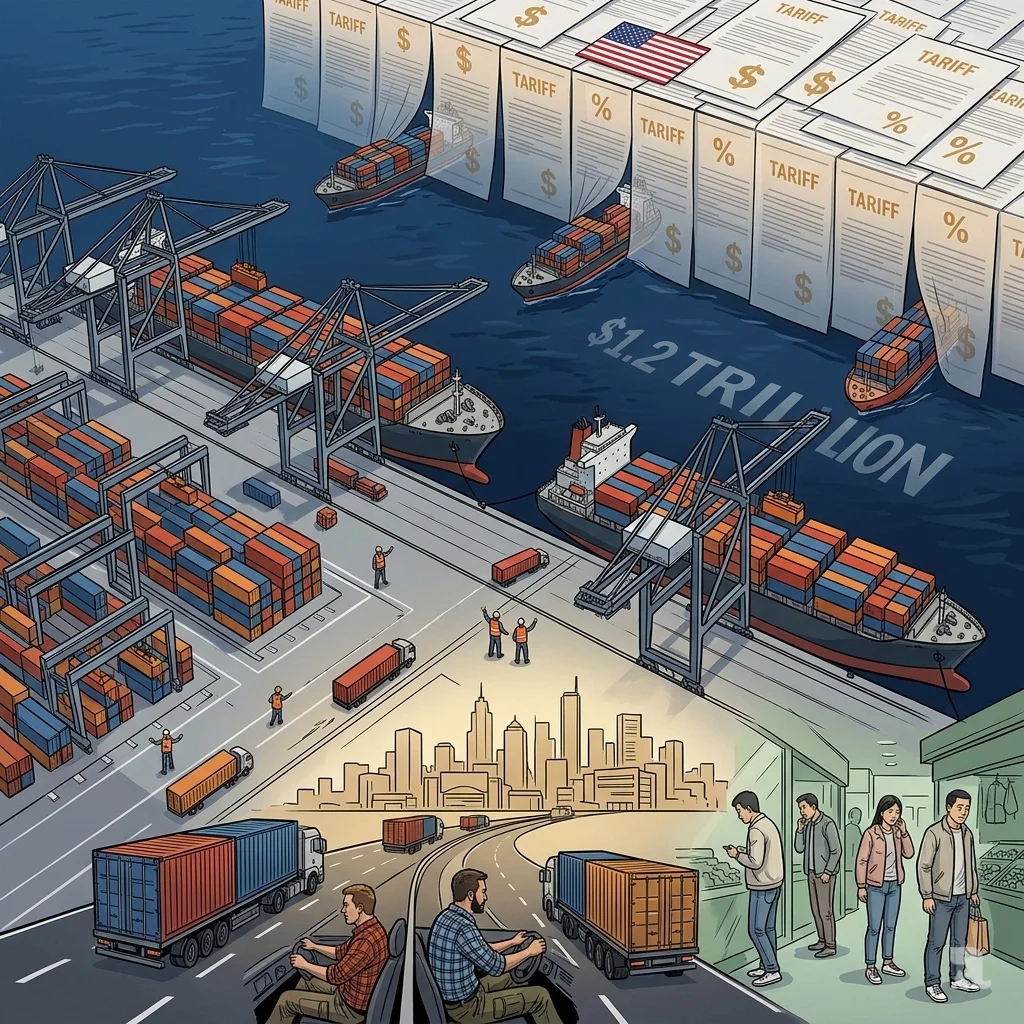
Trump’s tariffs highlight China’s heavy export dependence as its record $1.2 trillion trade surplus worries global markets and factory jobs. Beijing admits rising global pressures and promises to boost domestic demand, reducing reliance on overseas buyers.
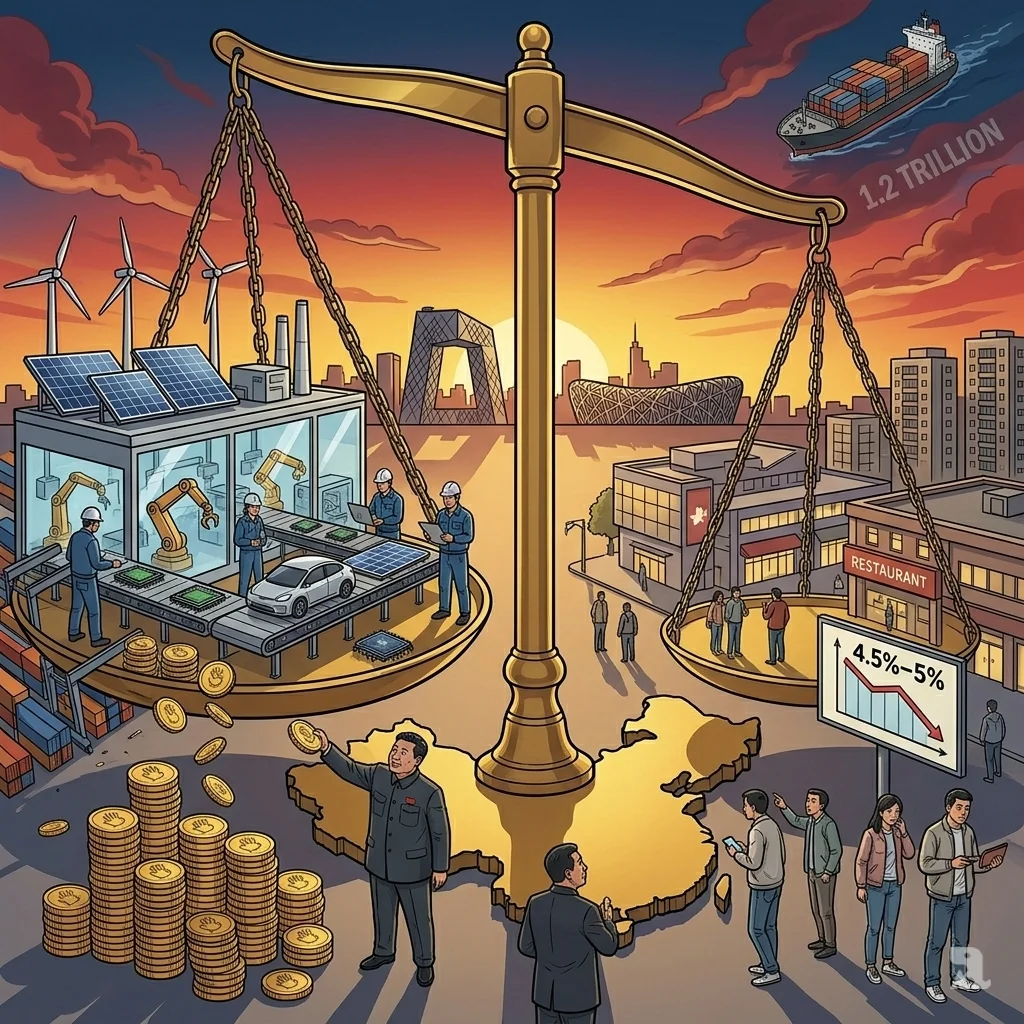
China sets a 2026 growth target of 4.5%–5% and prepares major subsidies for high-tech manufacturing. Analysts warn this may repeat past oversupply problems, worsening the gap between huge factory capacity and weak domestic consumer demand.