
Are Schools Misusing AI Education and Risking Students’ Future Skills?
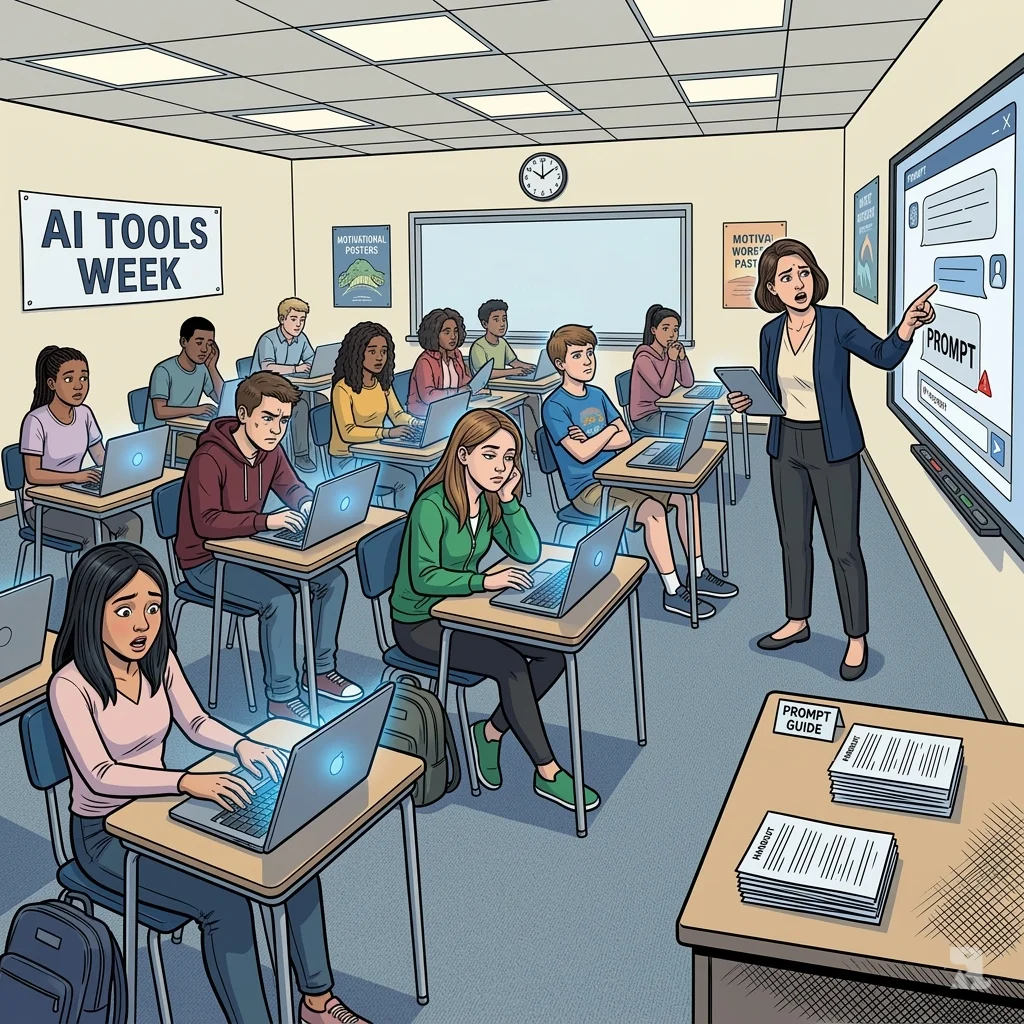
Across the United States, schools rush to teach AI tools, chatbot use, prompt writing, and avoiding hallucinations. Under pressure from boards and parents, this tools-first plan seems future-ready, but experts warn it’s a massive mistake.
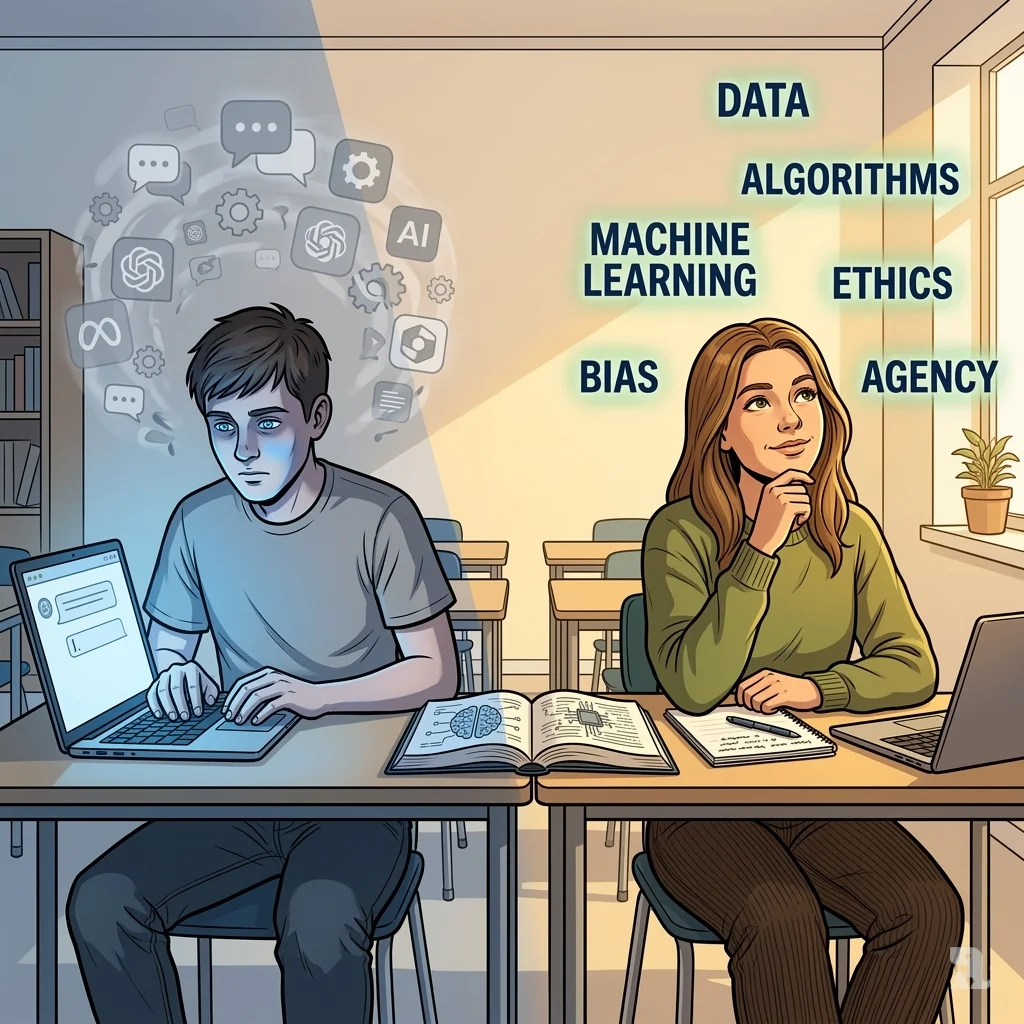
Experts say kids don’t need prompt engineering or endless tool skills. They need deep understanding of how AI works, its learning impact, and when it helps or harms. Real literacy builds agency, not just agility — without extra screen time.
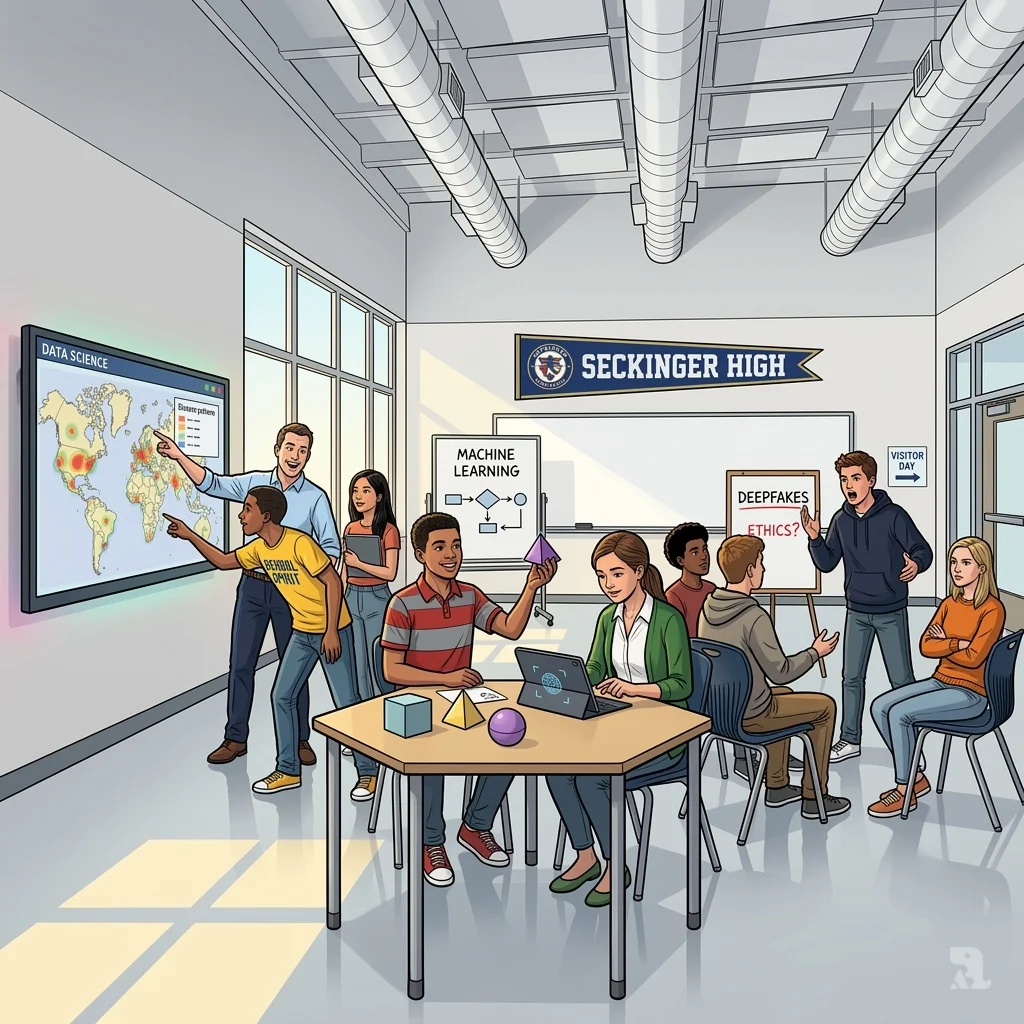
Seckinger High School, Gwinnett County, Georgia — America’s first AI-focused public school — teaches data, algorithms, machine learning. Social studies tracks disease patterns, math applies ML to shapes, English debates deepfake ethics. Students outperform district peers.
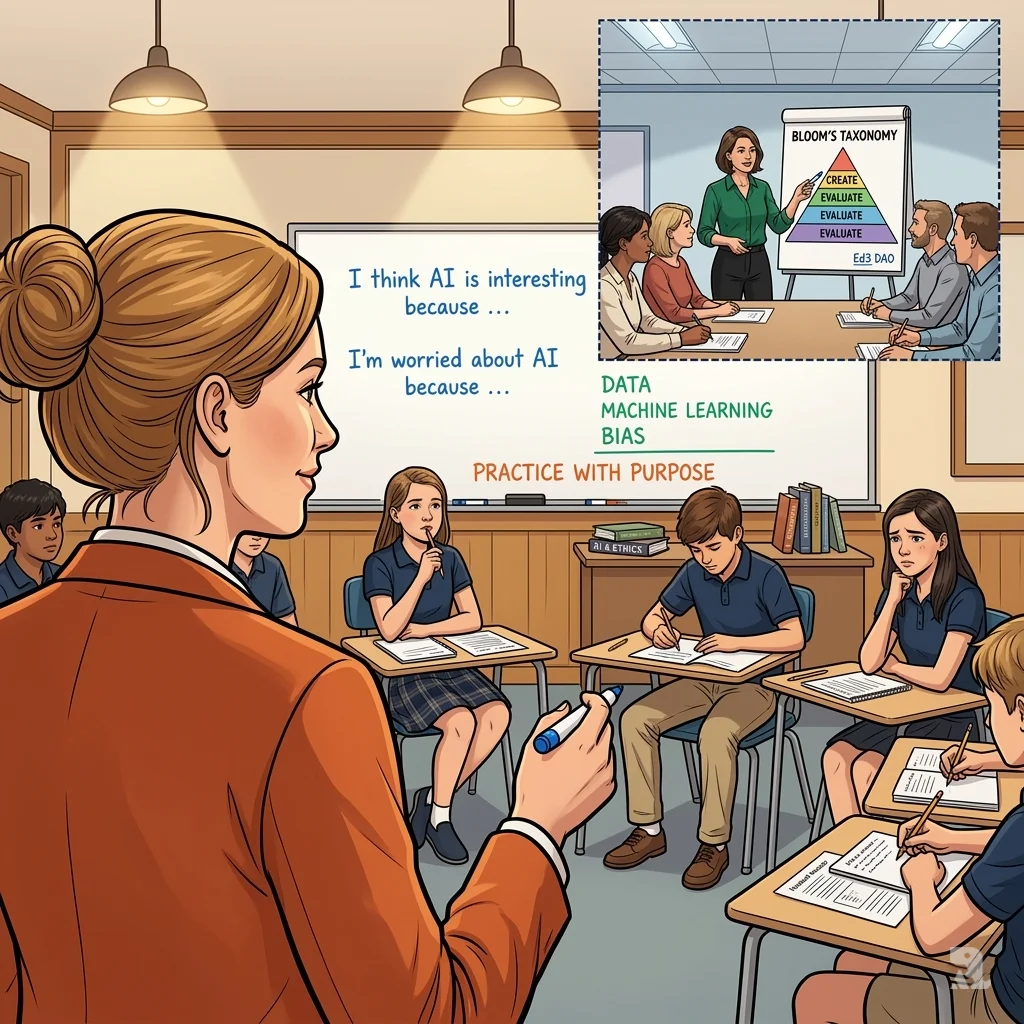
At The Kinkaid School, Texas, Claire Osborne starts AI learning by asking students’ hopes and fears before tools. She teaches data, machine learning, bias, then purposeful practice. Ed3 DAO trains teachers using Bloom’s Taxonomy on human vs AI skills.
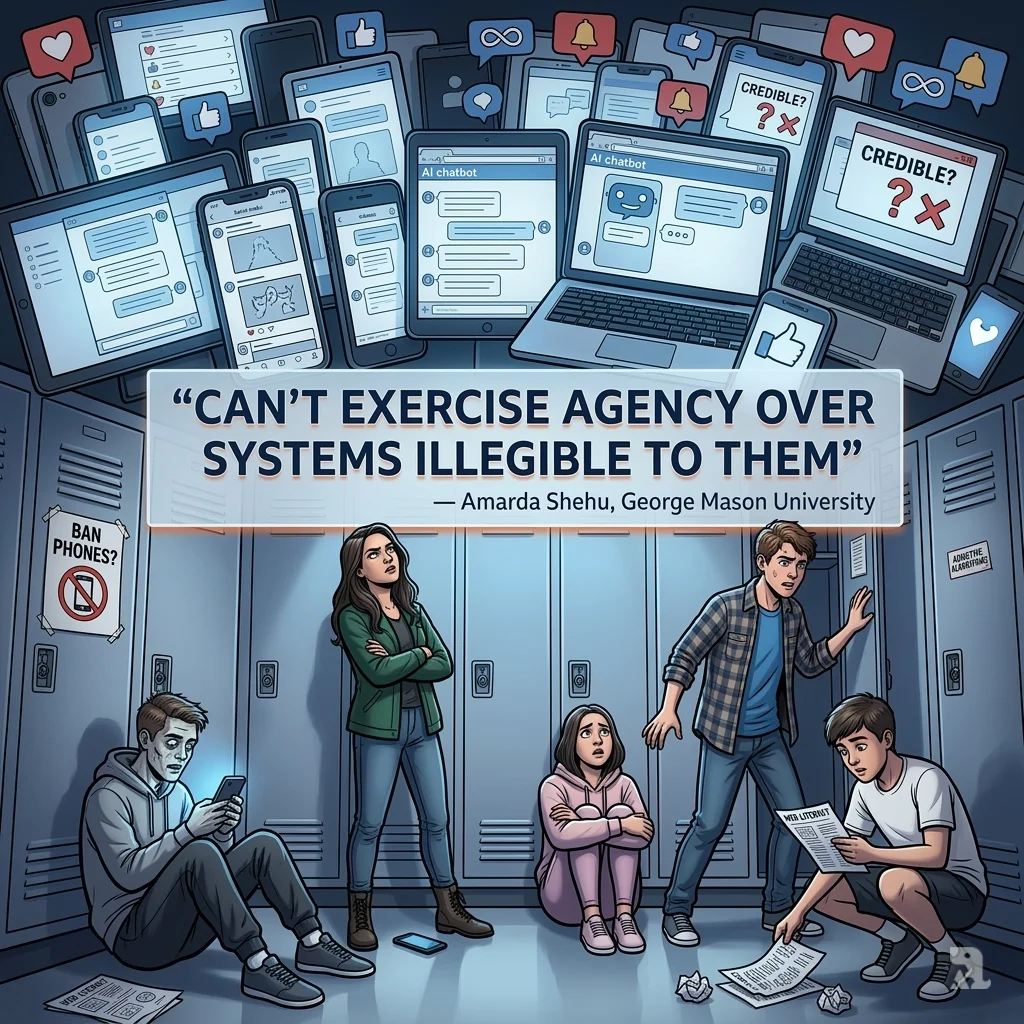
Schools earlier repeated this with social media and the internet — tools first, understanding later. Kids weren’t taught addictive algorithms, attention economy, or truth checks. Research shows low AI knowledge increases blind use. Experts warn: no agency without understanding.
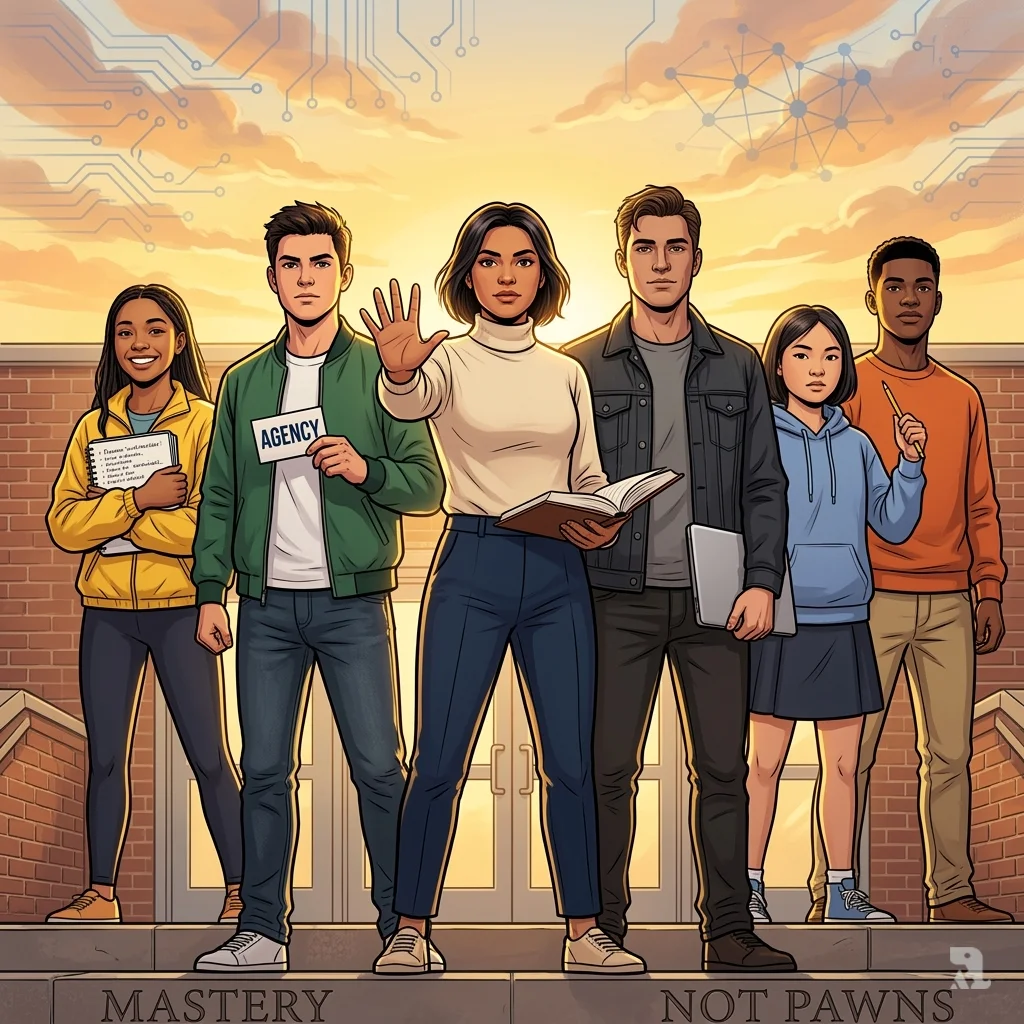
Parents are split: 1/3 positive, 1/3 negative, others unsure. A Brookings study says AI risks still outweigh benefits for young learners. The path is clear — build agency. The choice: children become pawns of AI or masters of it.