
Is Blue Origin Really Ready to Challenge SpaceX After This Costly Orbit Failure?
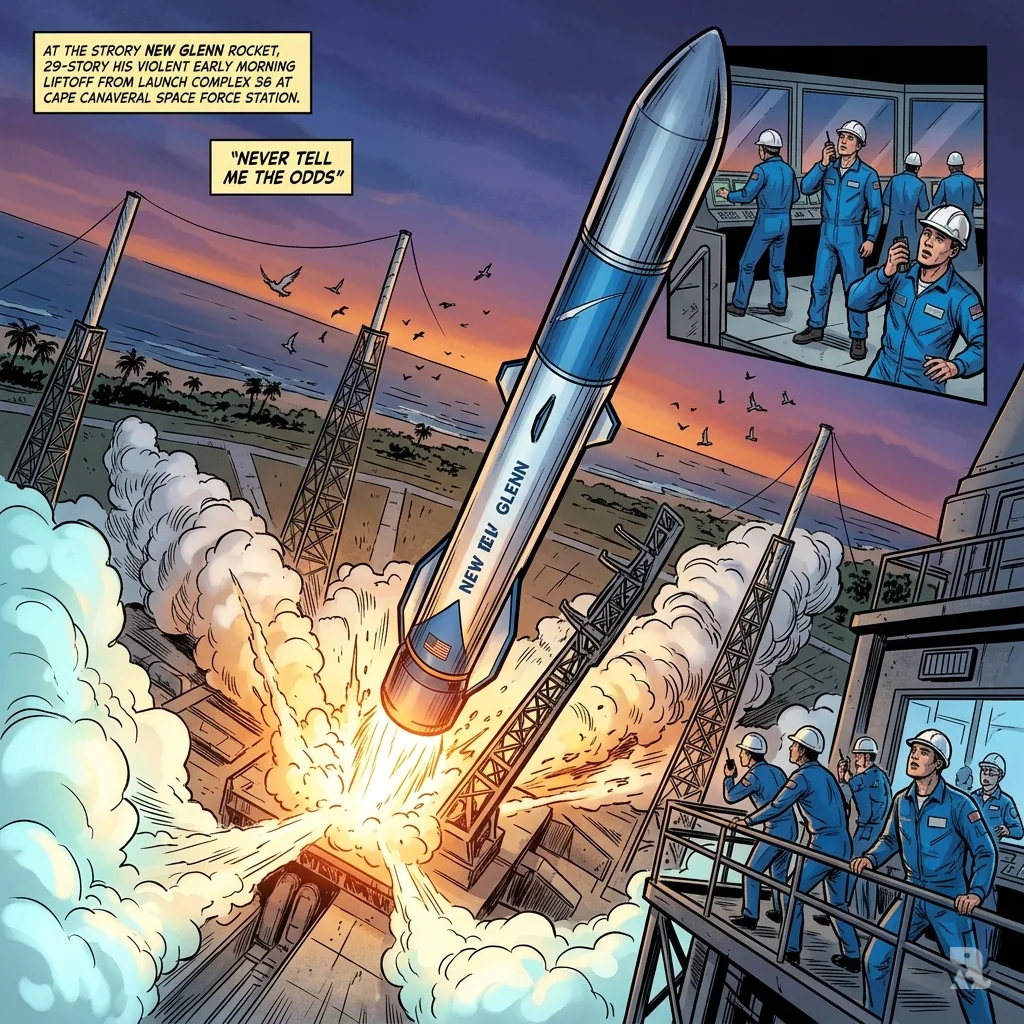
On April 19, Blue Origin‘s New Glenn rocket lifted off from Florida on its 3rd mission. The reusable booster, named “Never Tell Me the Odds,” touched down successfully — a rare milestone. But trouble was already unfolding above.

The upper stage critically failed to place BlueBird 7 into the correct orbit. Stuck at a dangerously low altitude, the satellite powered on but could not sustain operations — forcing AST SpaceMobile to confirm it would be de-orbited.
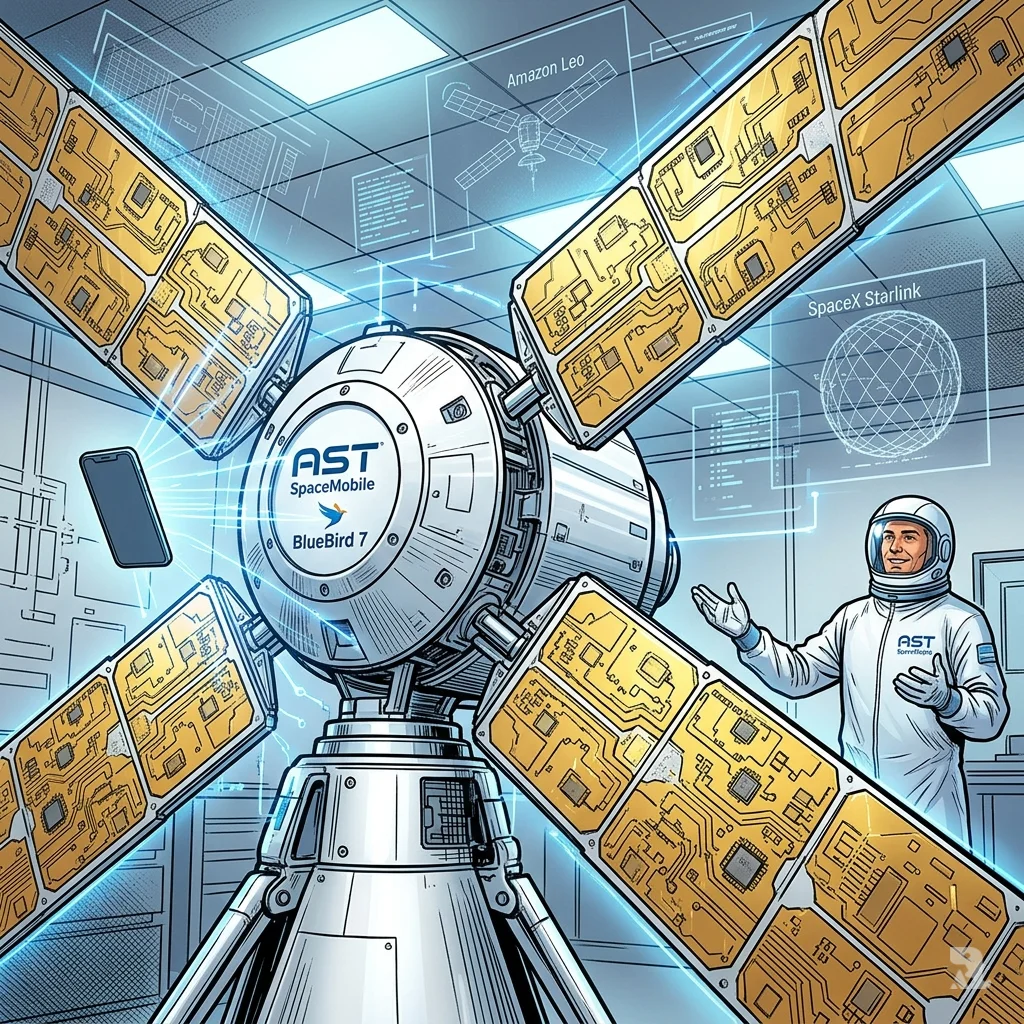
BlueBird 7 — the 2nd satellite in AST’s next-gen Block 2 constellation — was designed to connect directly with smartphones, rivaling Amazon’s Leo and SpaceX’s Starlink. It featured the largest commercial communications array ever deployed in low-Earth orbit.
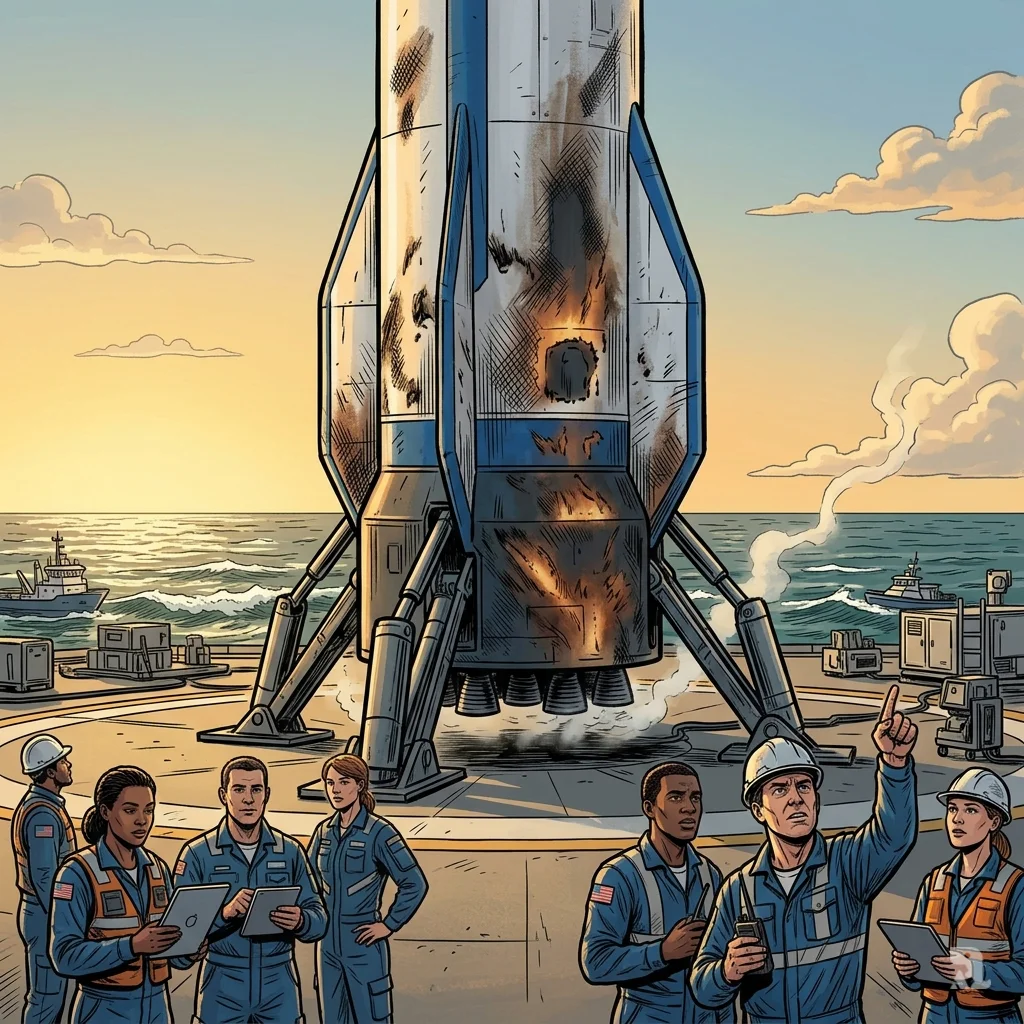
The booster had previously flown in November, recovered after New Glenn’s 2nd mission. Sunday’s reuse was a critical milestone — proving the 29-story heavy-lift rocket could challenge SpaceX’s Falcon 9 in booster reliability and commercial dominance.
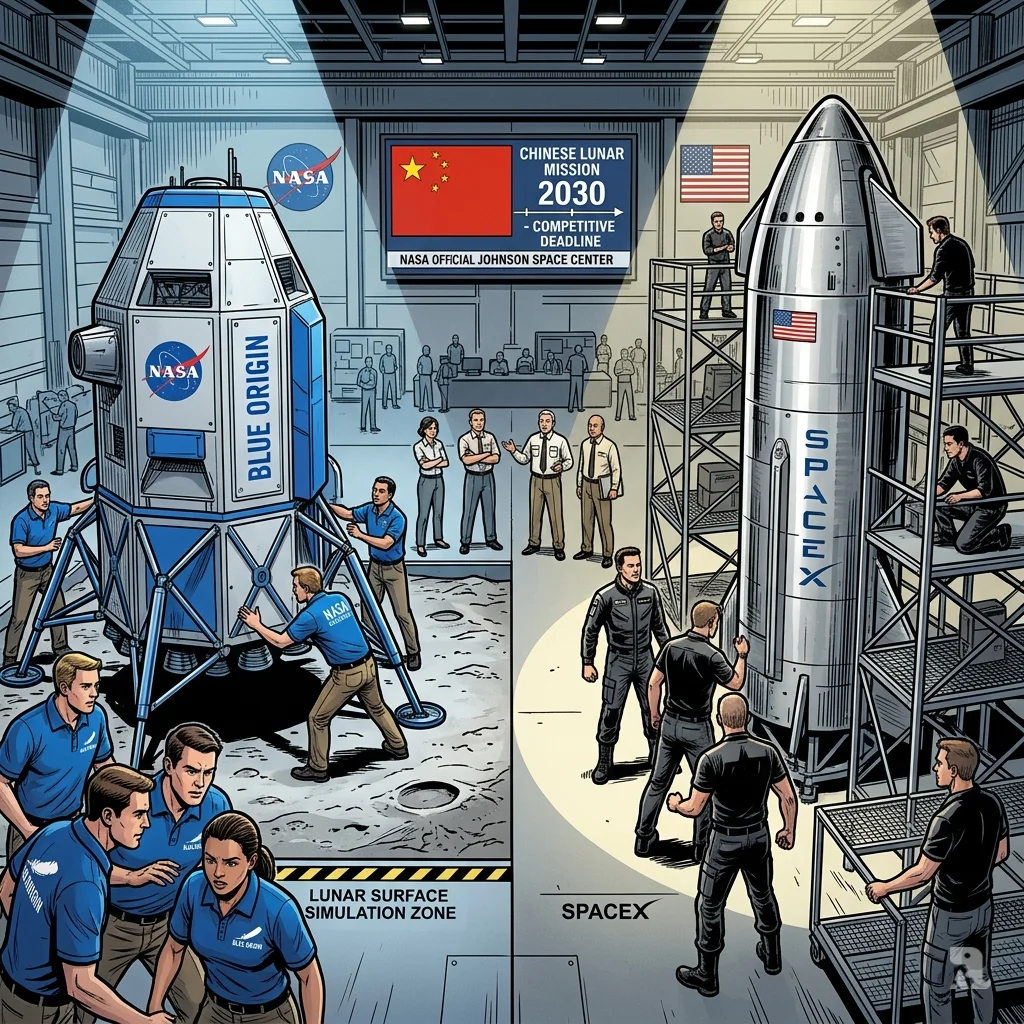
Blue Origin and SpaceX are locked in a fierce race to build NASA’s lunar landers — both billionaire-run companies competing to return astronauts to the moon before China’s planned 2030 crewed mission. Blue Origin targets an uncrewed lunar landing, Mark 1, this summer.

New Glenn, built with a 7-meter nose cone, targets the high-end commercial launch market — engineered for space 50–100 years from now. NASA’s next Artemis mission will test both lunar landers in Earth orbit before the historic moon return.