Is America’s Strait of Hormuz Blockade Actually Working Or Just Another Empty Threat?
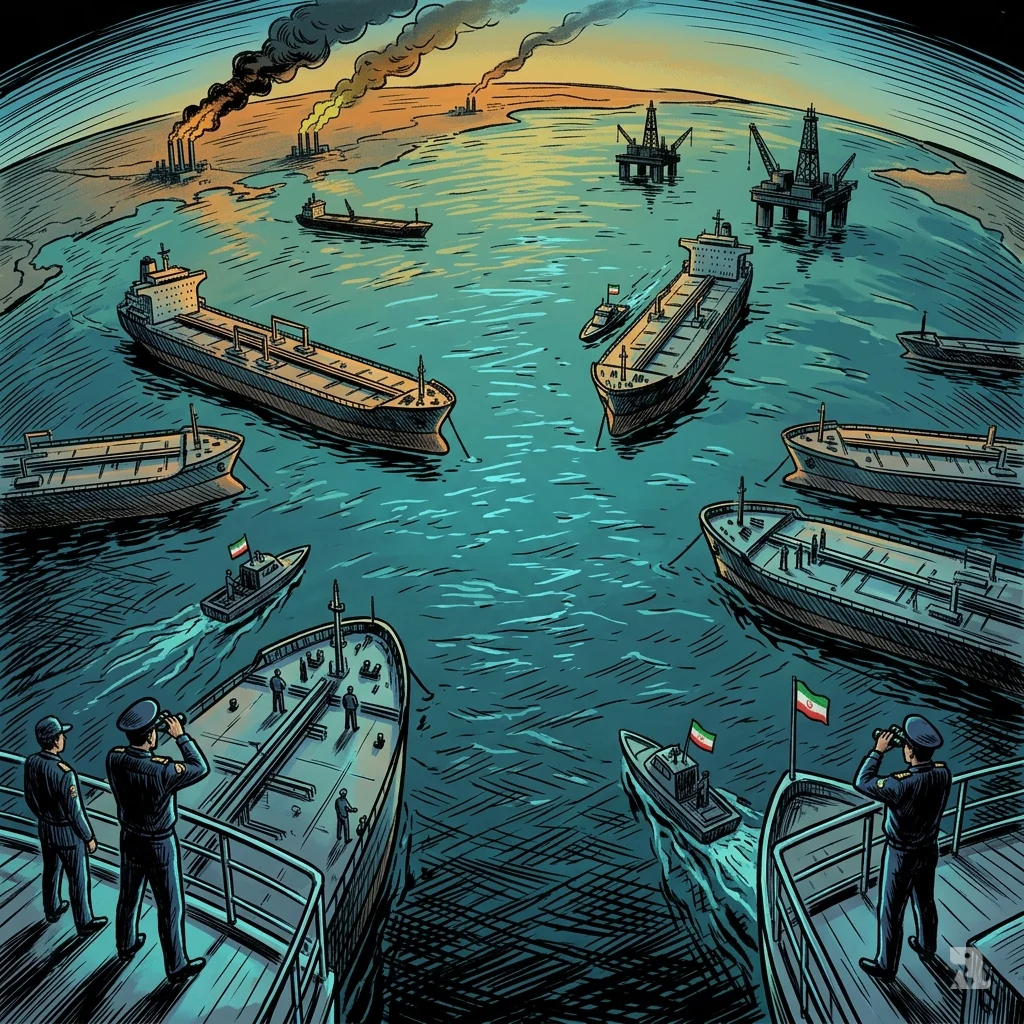
After war with Iran broke out in late February, Iran blocked nearly all commercial traffic through the Strait of Hormuz — instantly cutting off 20% of world’s oil and gas, spiking energy prices and shaking global economies.
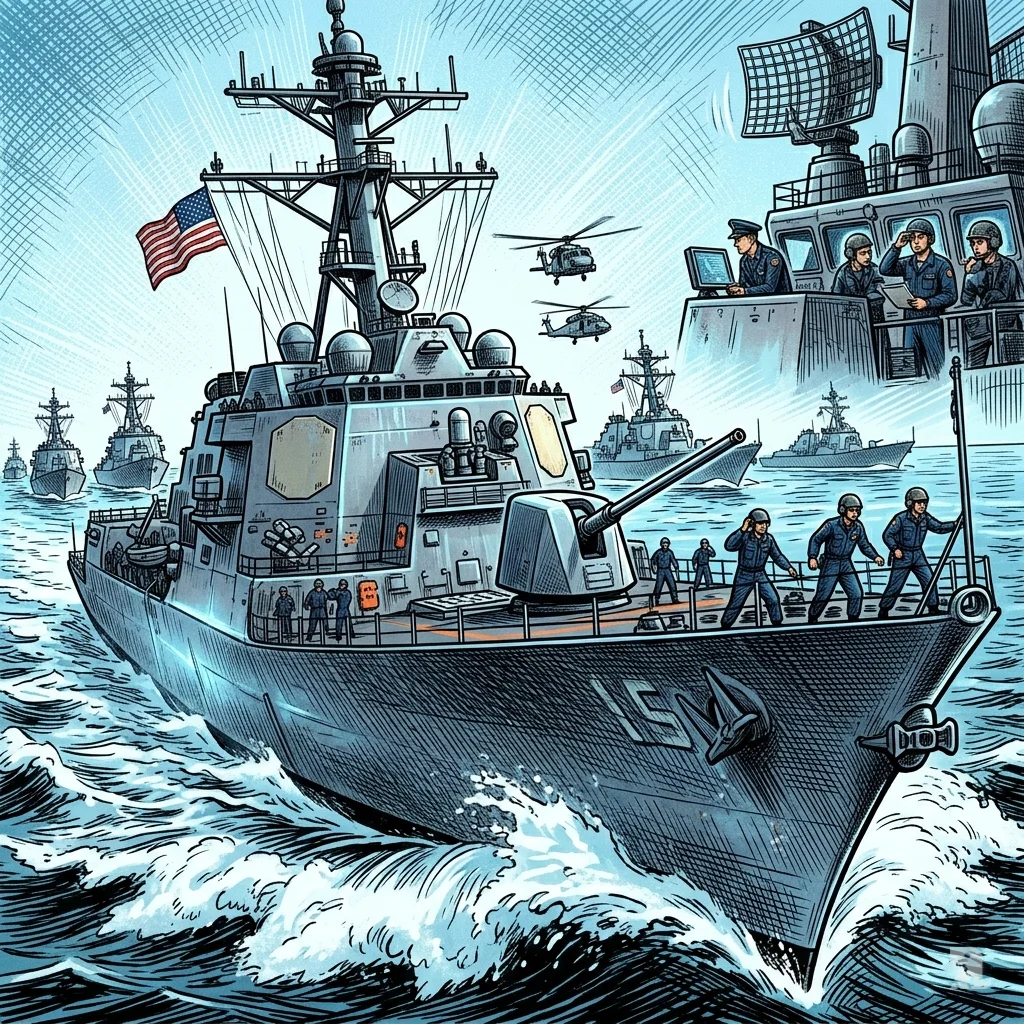
On Monday at roughly 10 a.m. Eastern time, U.S. Central Command launched a full blockade — enforced from the Gulf of Oman and Arabian Sea — with over 12 American warships immediately deployed in international waters.
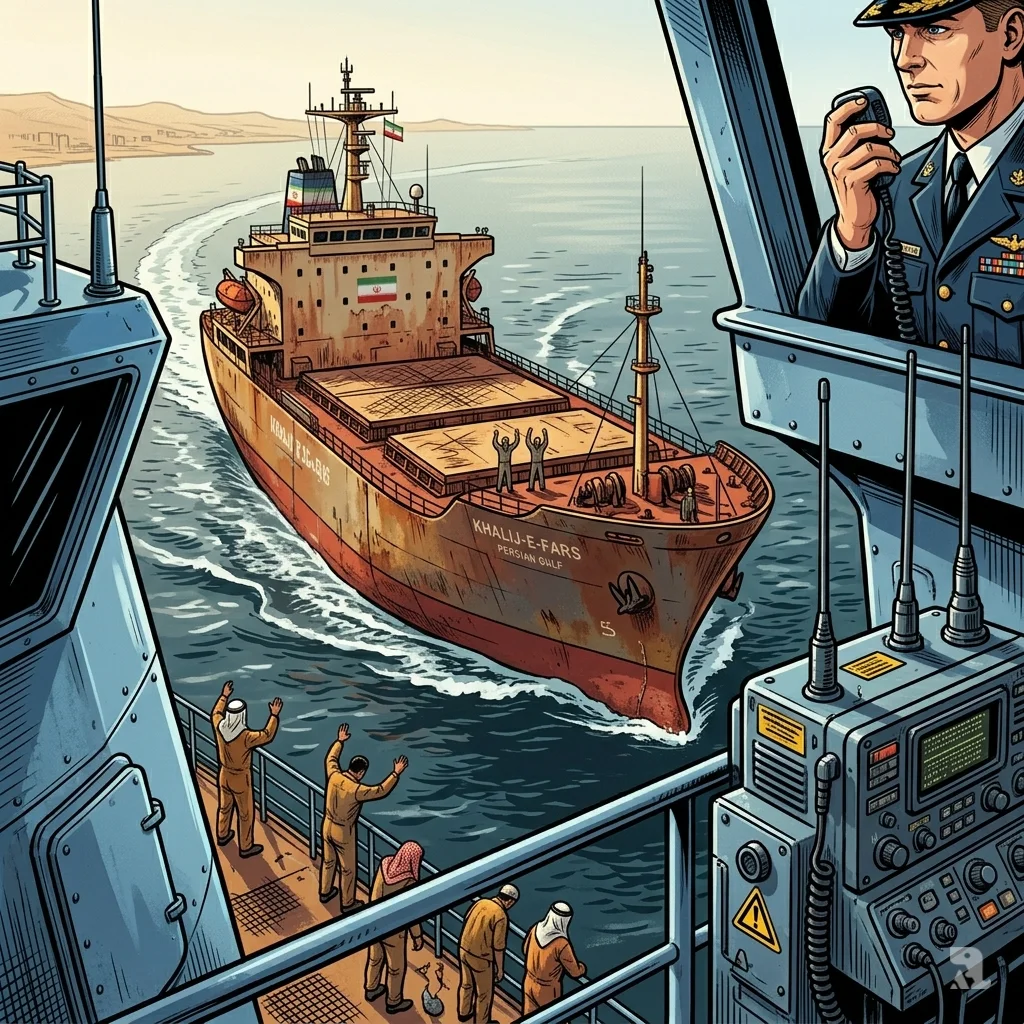
6 Iranian-linked merchant vessels received direct radio orders from U.S. forces — and complied. They reversed course and re-entered Iranian ports. Central Command confirmed this publicly, but neither the ships nor the ports were ever identified.
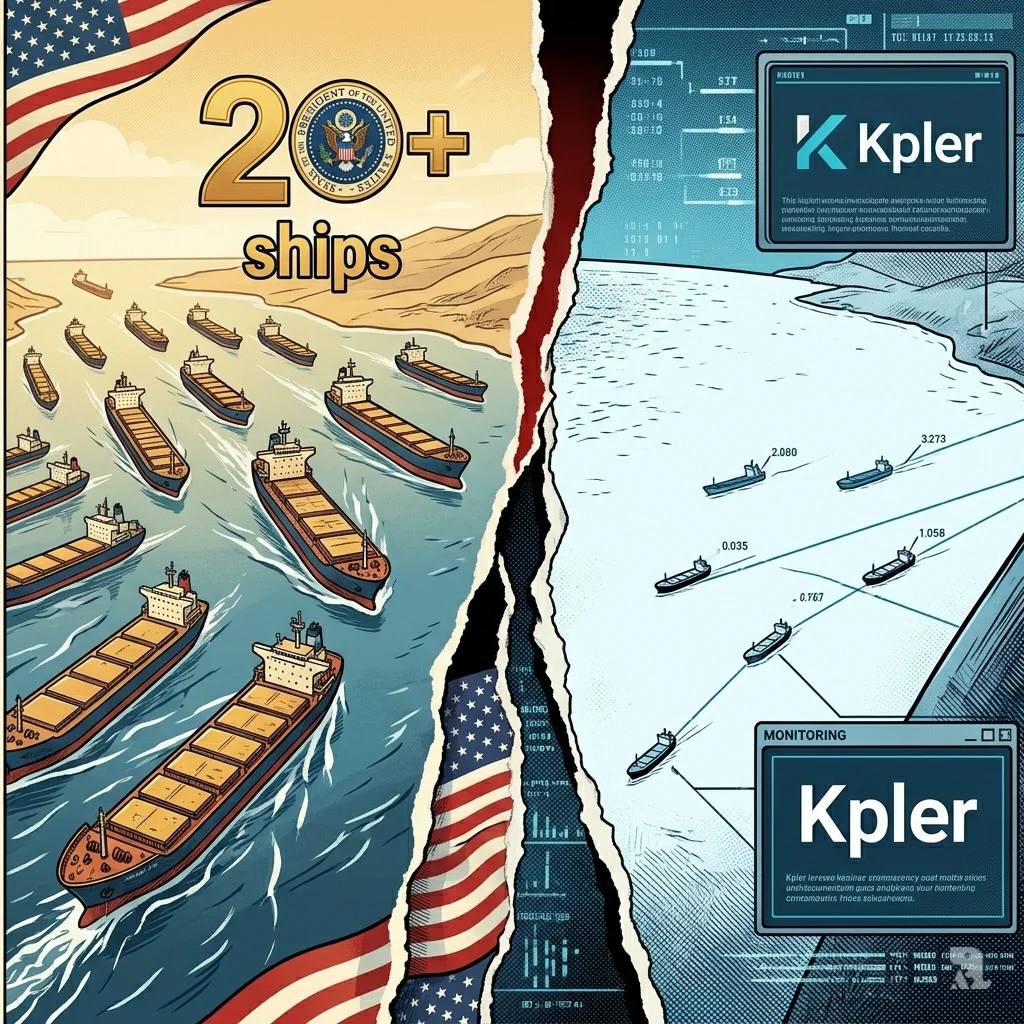
The U.S. claimed over 20 non-Iranian commercial vessels — tankers, cargo carriers, container ships — transited the strait in the first 24 hours. But maritime data firm Kpler independently tracked only 6 ships passing through on Monday.
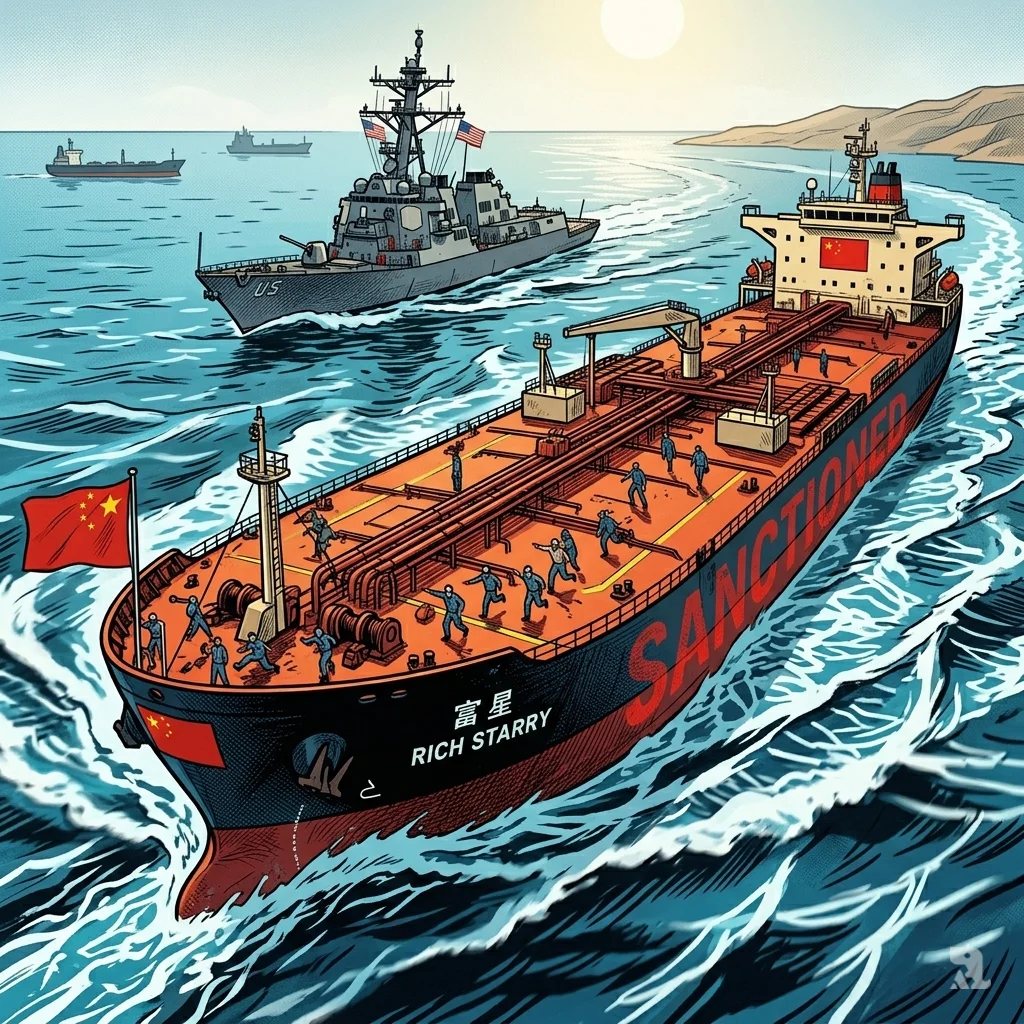
Chinese tanker Rich Starry, under U.S. sanctions, traveled east through the strait — then abruptly reversed. Experts directly linked it to the blockade. Iran-linked ships refused to emerge eastward, clearly intimidated by U.S. warships actively patrolling nearby.
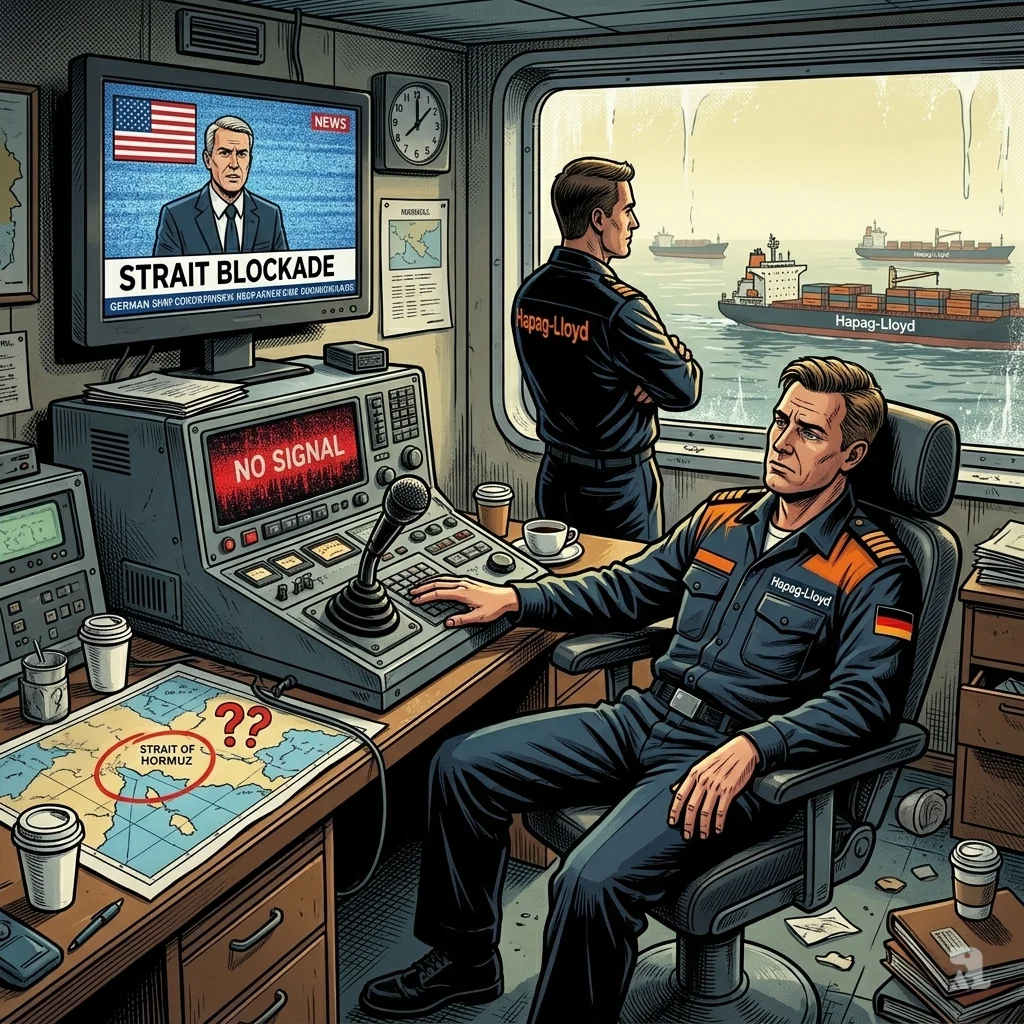
Despite the blockade, Hapag-Lloyd — with 6 vessels stranded inside the Persian Gulf — received zero official U.S. communication. No mine clearance, no escort plan, no safety protocol. The company was left relying entirely on news media for updates.