
Nvidia Forced to Adapt Groq Chip for China While Local AI Rivals Rise Fast
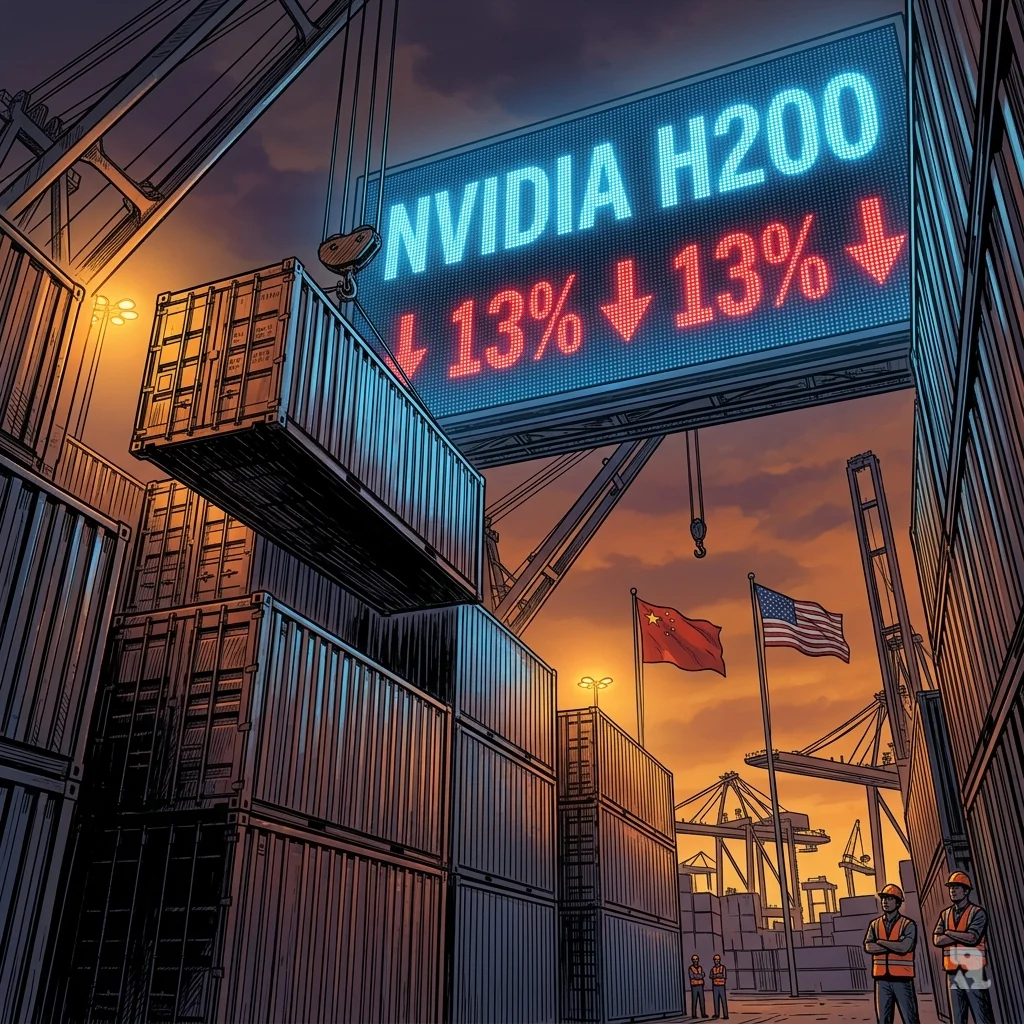
Nvidia’s H200 AI chips became a flashpoint in US-China relations. China once made 13% of Nvidia’s total revenue, but despite strong demand, Beijing kept hesitating to allow chip imports for months.

In January, China granted preliminary approval to ByteDance, Tencent, Alibaba and AI startup DeepSeek to import H200 chips. But regulatory conditions for final approval were still being finalized at that point.
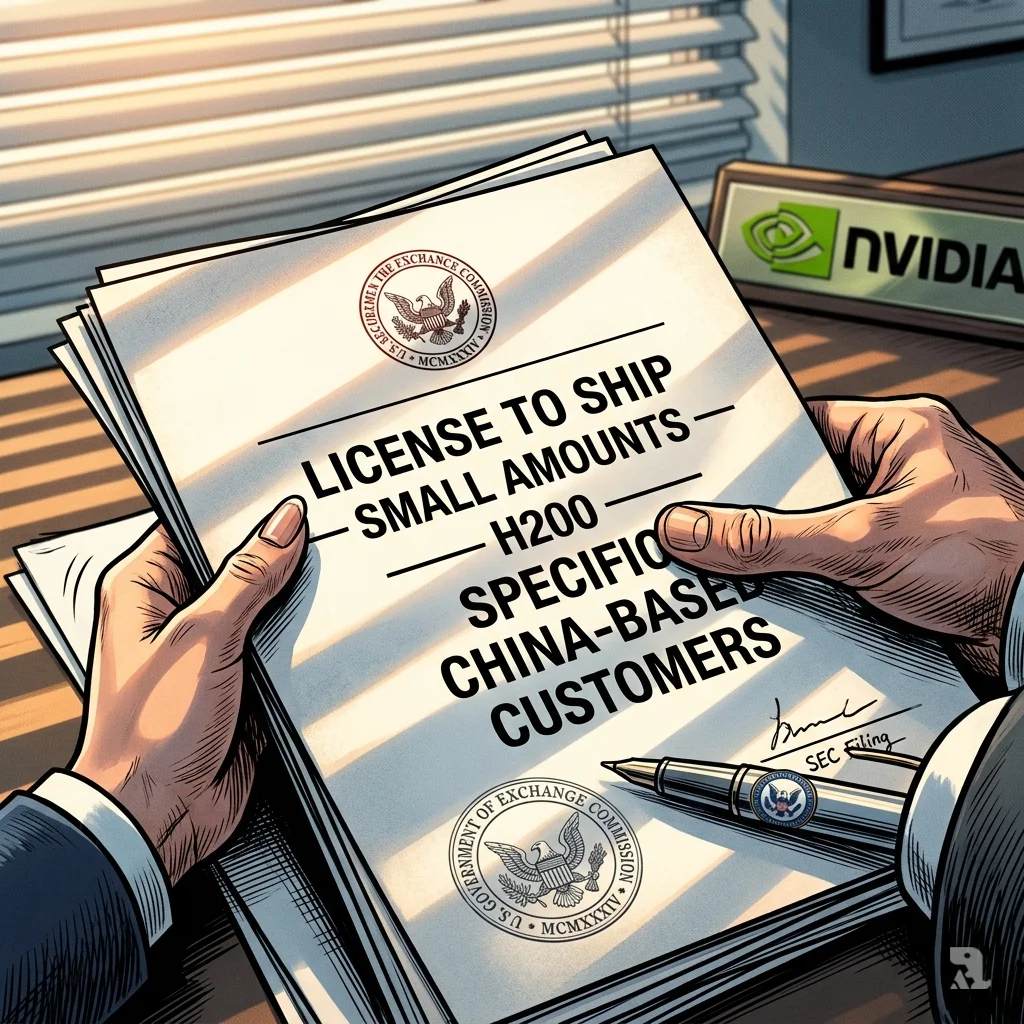
By February, the US also stepped in — granting Nvidia a license to ship “small amounts of H200 products to specific China-based customers,” as confirmed in a SEC filing by the company.
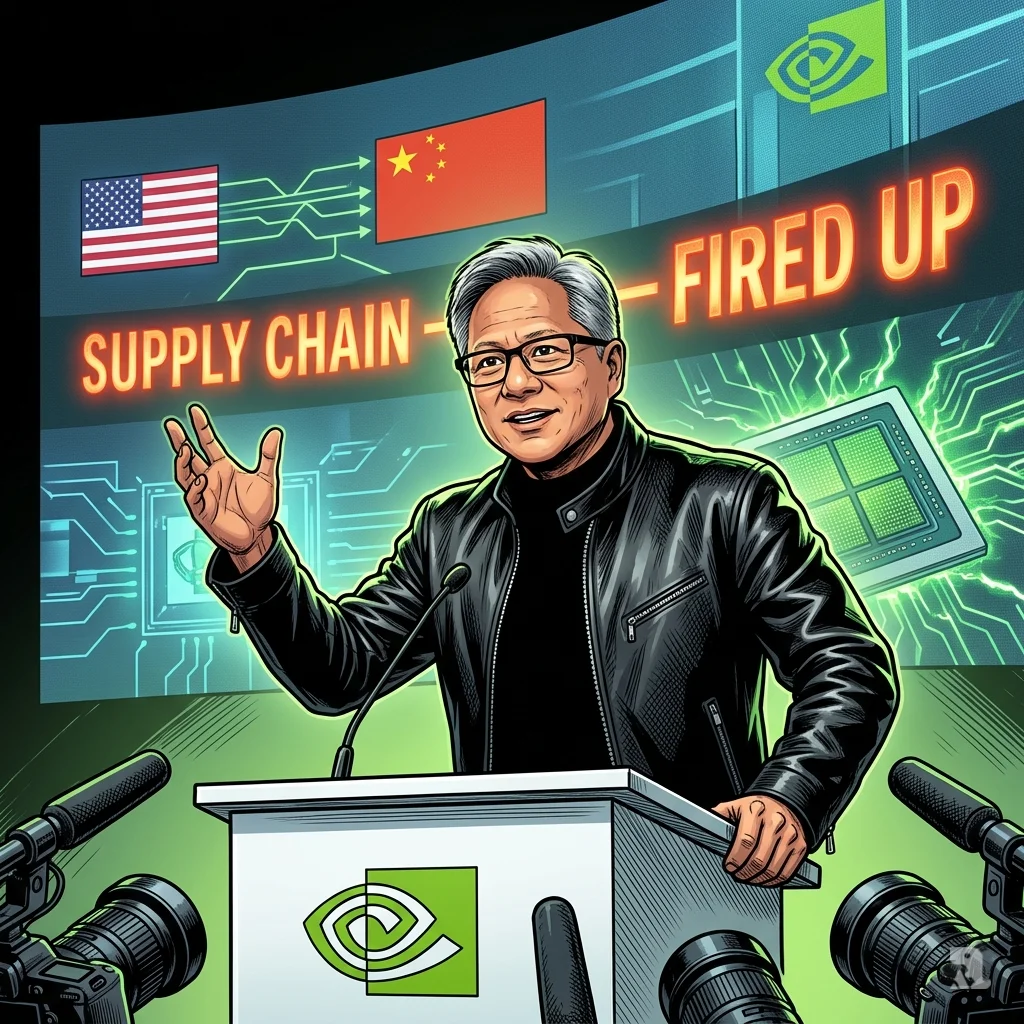
On March 17, CEO Jensen Huang confirmed Nvidia now holds clearance from both US and China. Purchase orders from “many” companies started flowing in. He declared, “Our supply chain is getting fired up.“
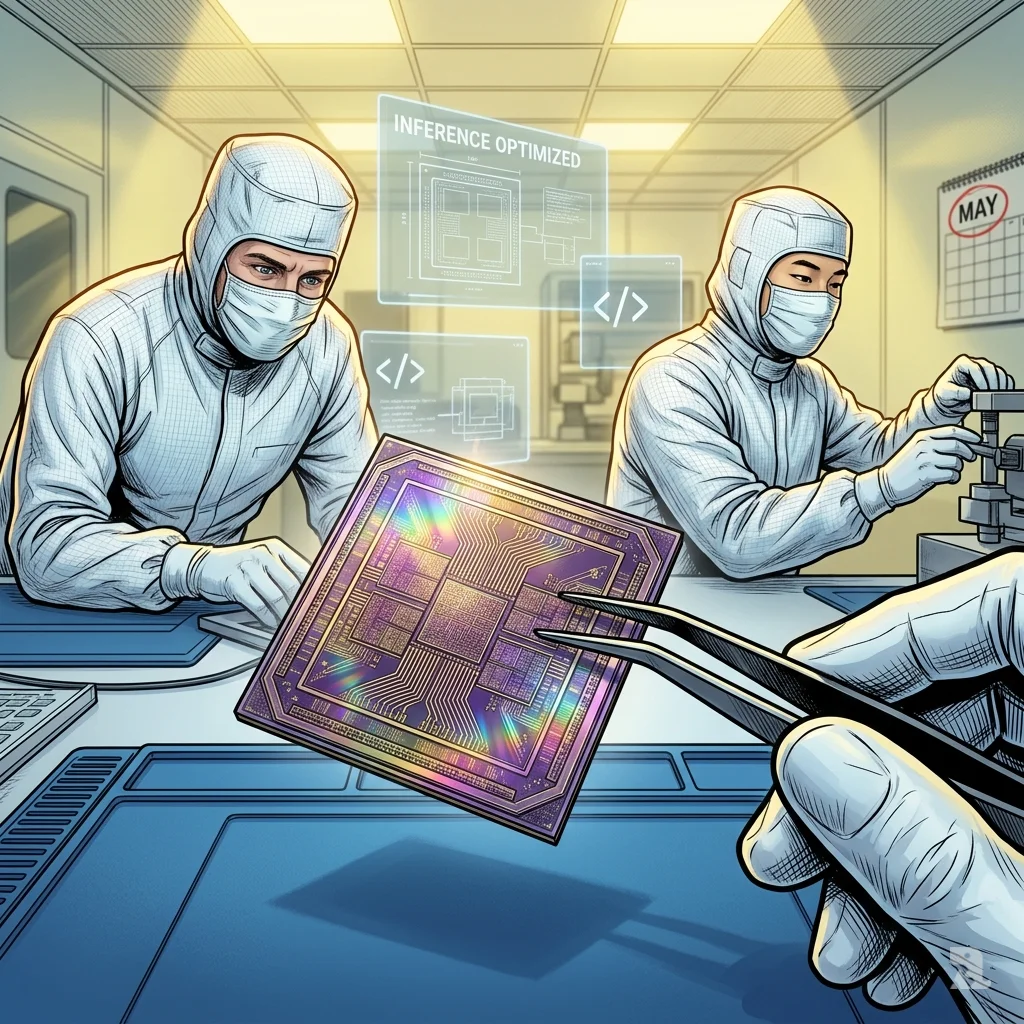
Nvidia is also preparing a Groq AI chip for China — designed for inference tasks like answering questions and writing code. It’s not a downgraded version. The chip is expected to be available by May.
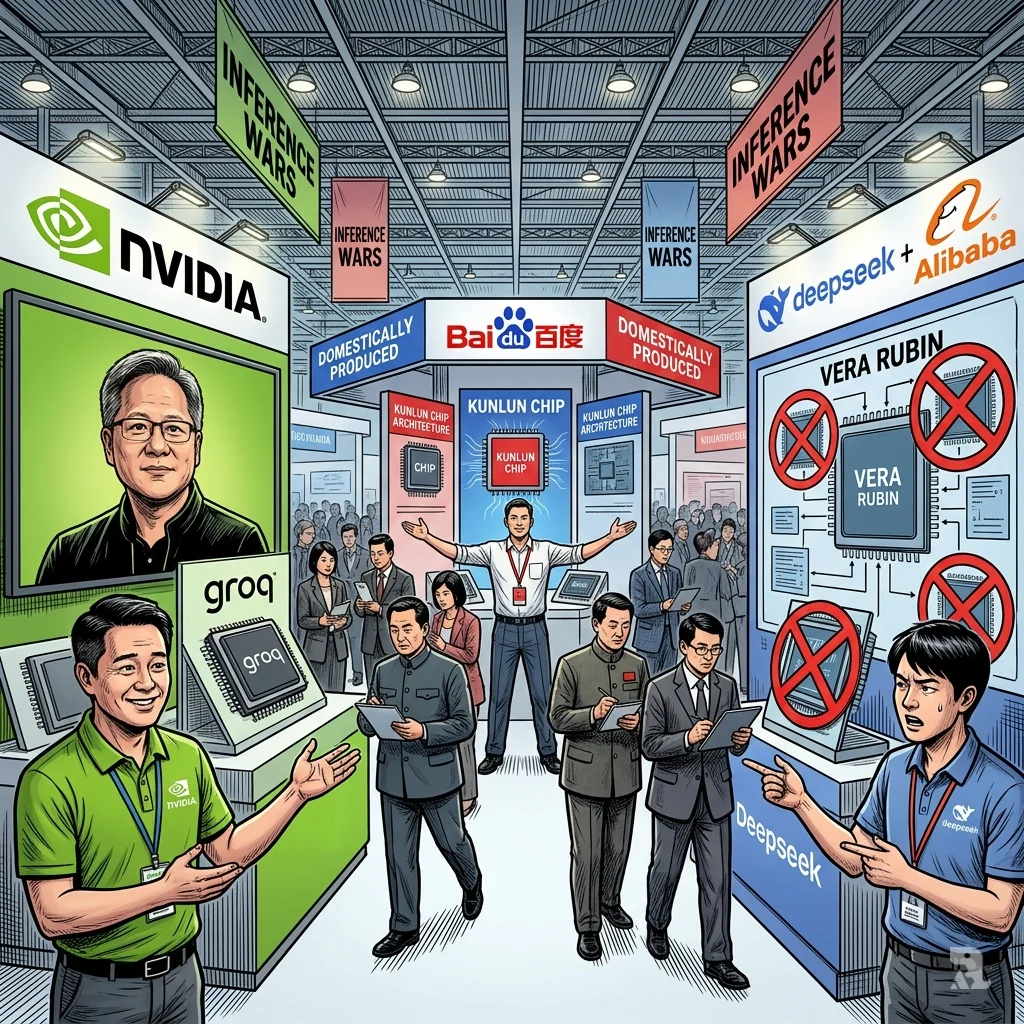
But the road ahead isn’t easy. In the inference market, Nvidia faces fierce competition. Chinese giants like Baidu already build their own chips. Vera Rubin chips, paired with Groq, cannot be sold to China.