Will Israel Run Out of Interceptors in Next War?

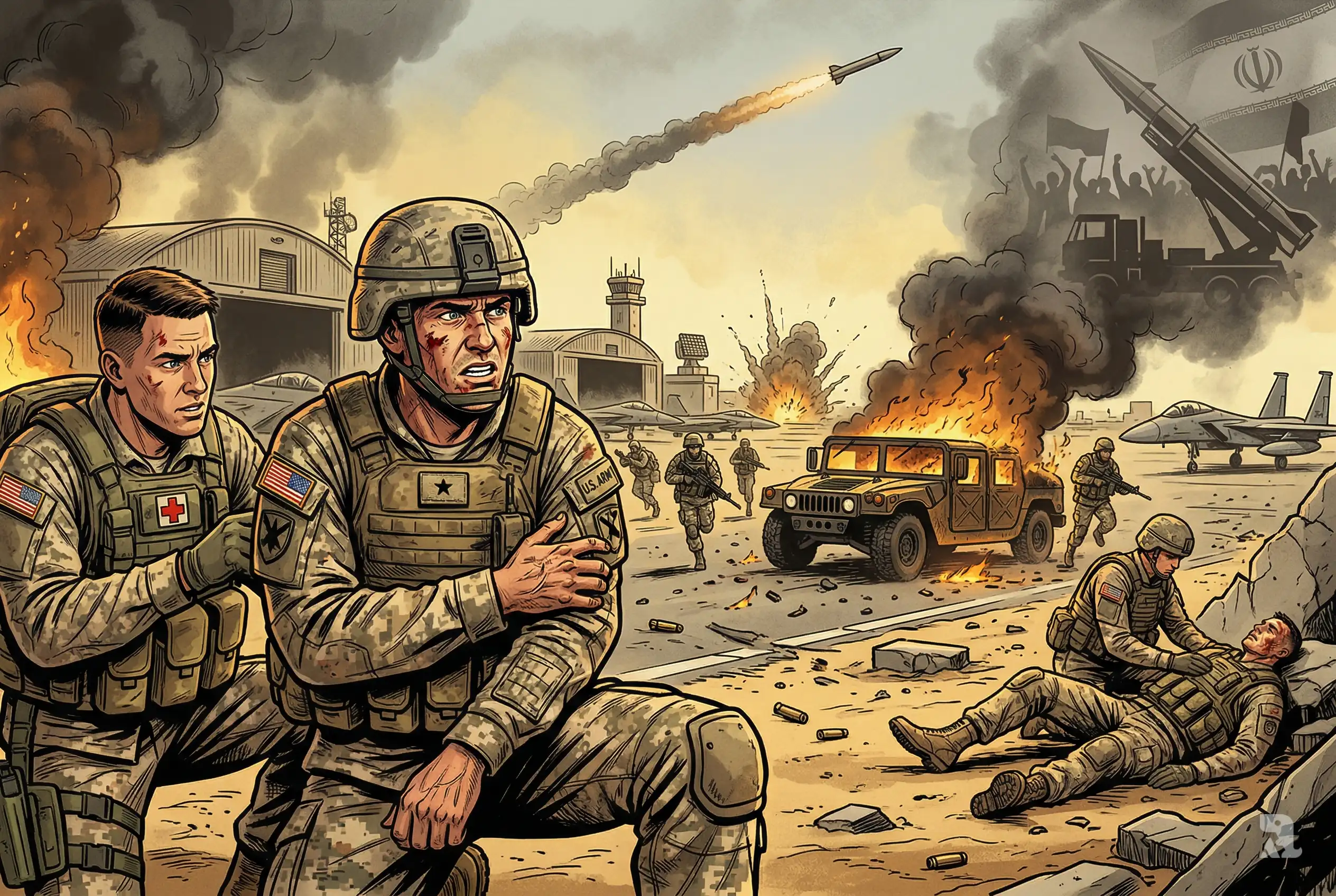
In June 2025, Iran launched 574 ballistic missiles at Israel during a 12-day war. Israel activated its multi-layered air defenses over Tel Aviv and other cities, pushing both Israeli and American systems to their limits.
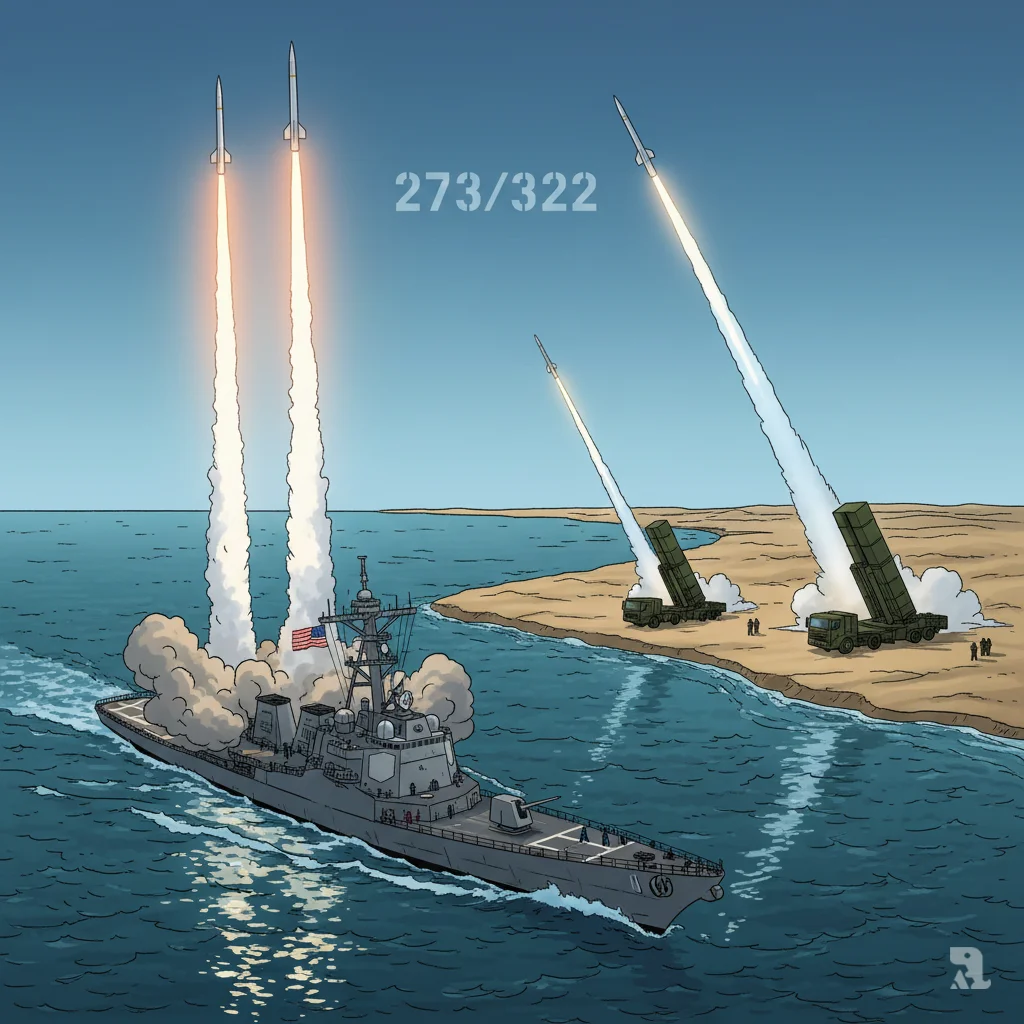
The U.S. deployed THAAD and Aegis SM-3 systems alongside Israel’s Arrow 3 and David’s Sling. Together, they intercepted 273 of 322 missiles, an 85% success rate, during the 12-day conflict.

Early in the war, Israel’s Air Force destroyed many of Iran’s missile launchers on the ground. Following the doctrine “hit the archer, not the arrows,” Israel aimed to eliminate launchers before missiles were fired.
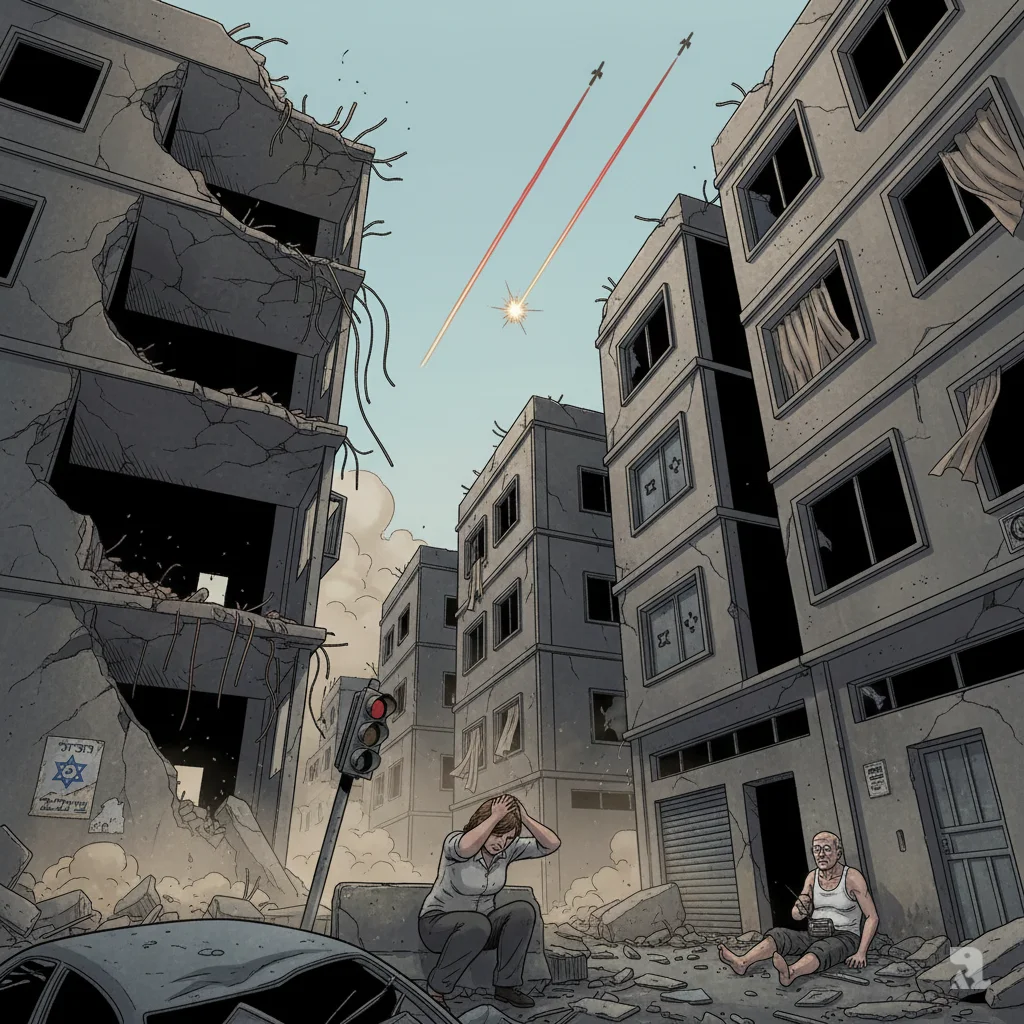
Iran changed tactics, firing smaller salvos more often at cities like Beersheva. A high-rise was destroyed except for its safe rooms. Constant attacks exhausted civilians and forced Israel to use even more interceptors.
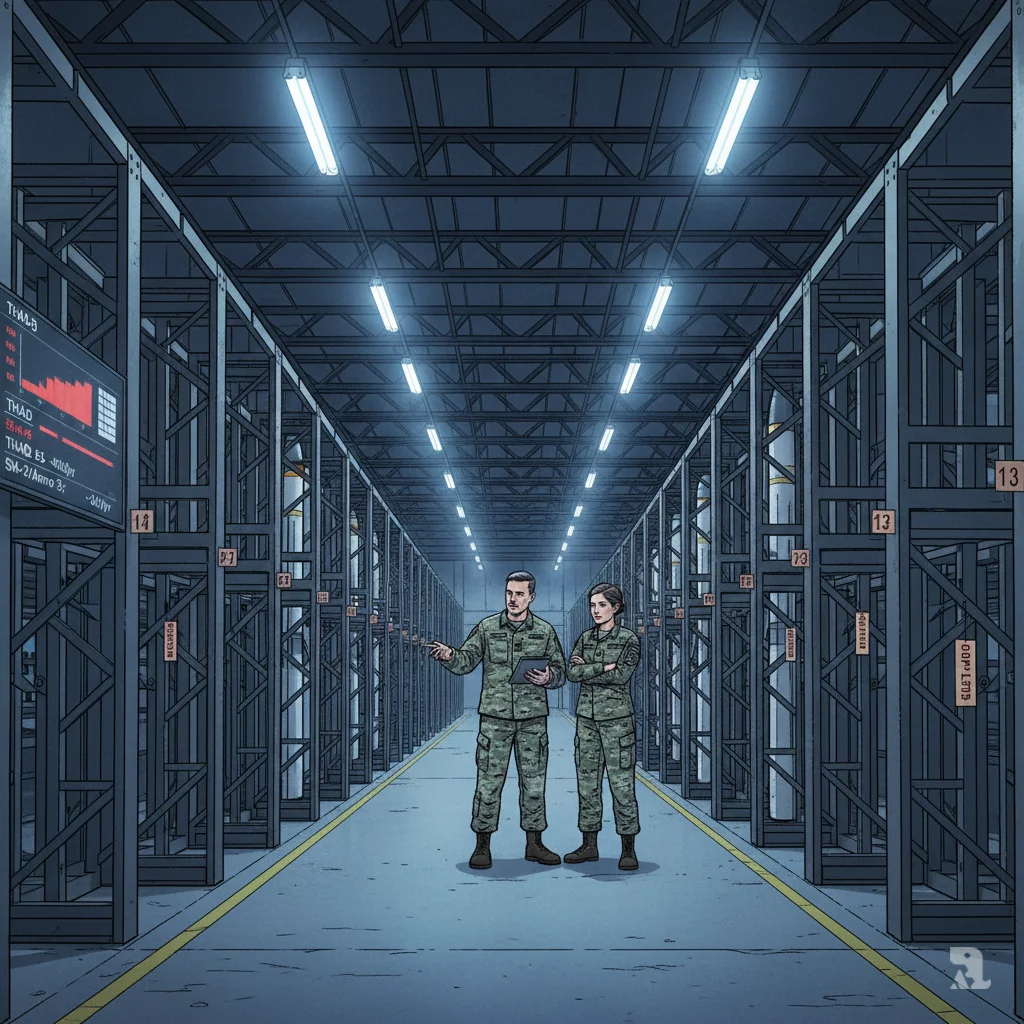
The war heavily reduced U.S. stockpiles. About 20–50% of THAAD and nearly 1/5 of SM-3 missiles were used. Production of THAAD will rise to 400 per year, but SM-3 and Arrow 3 remain near 24 per year.
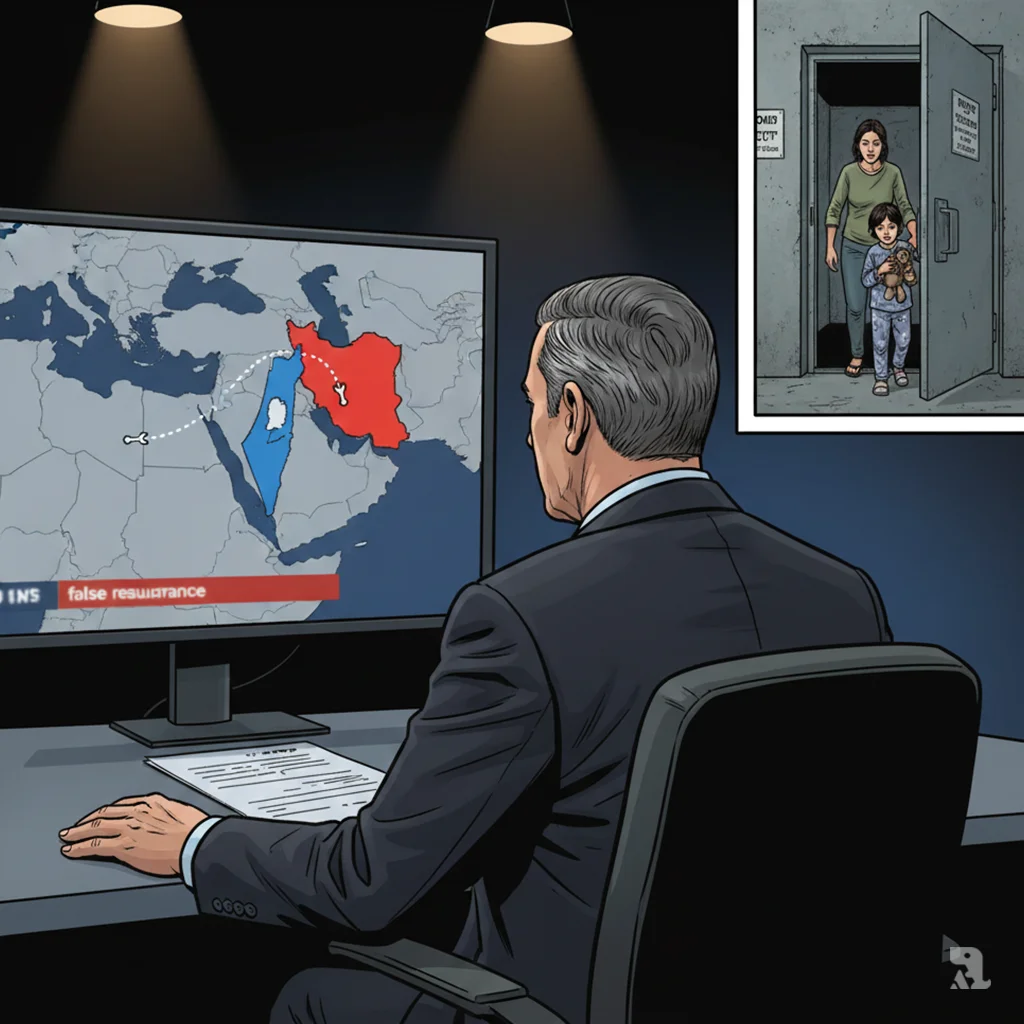
Former commander Ran Kochav warned that public reassurance is false, calling inventory shortages a serious threat. As tensions rise, citizens are told to rely on shelters. The key question remains: can defenses hold again?