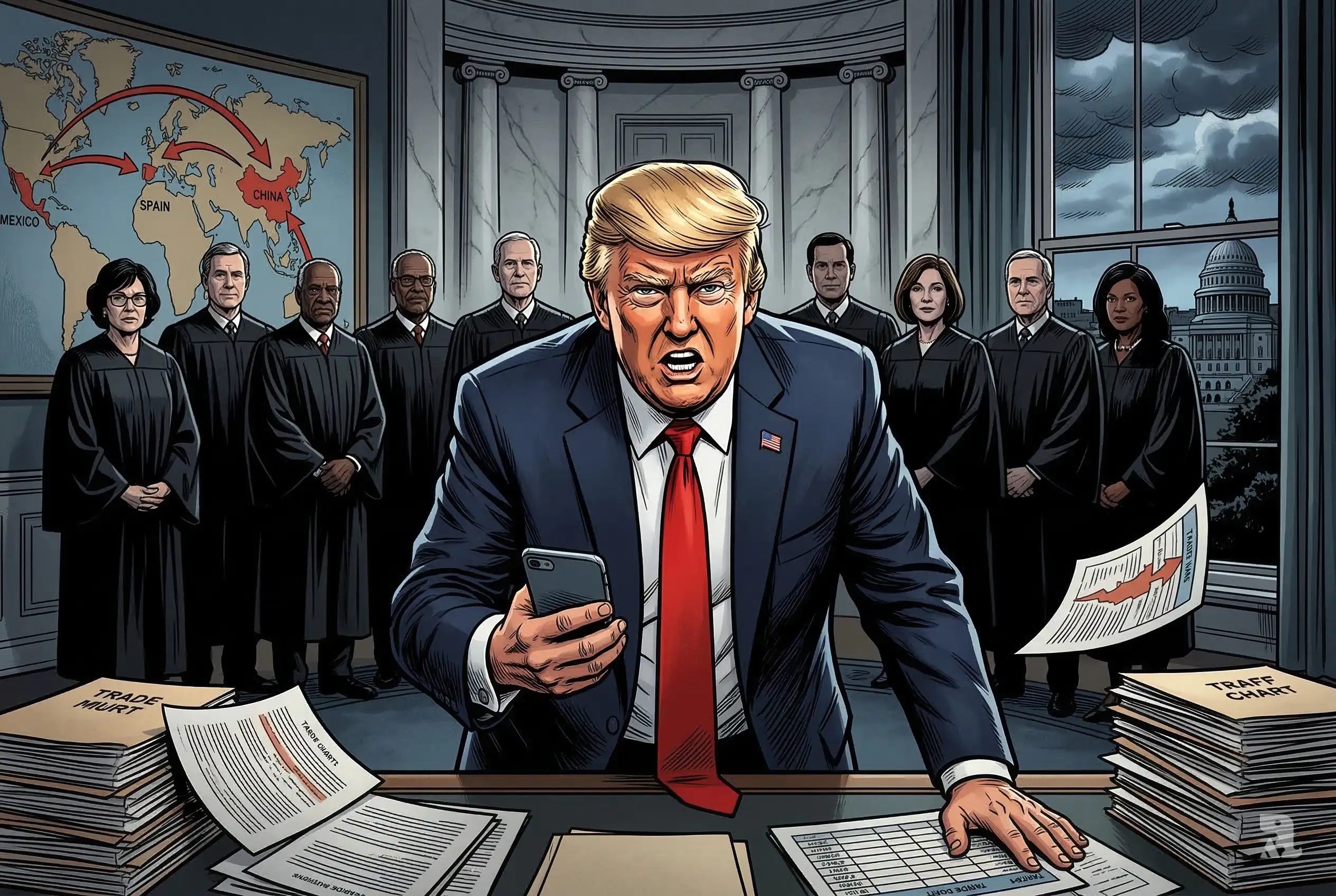
Trump Declared Cuba Is Next — Senate Has Now Given Him Full Military Freedom
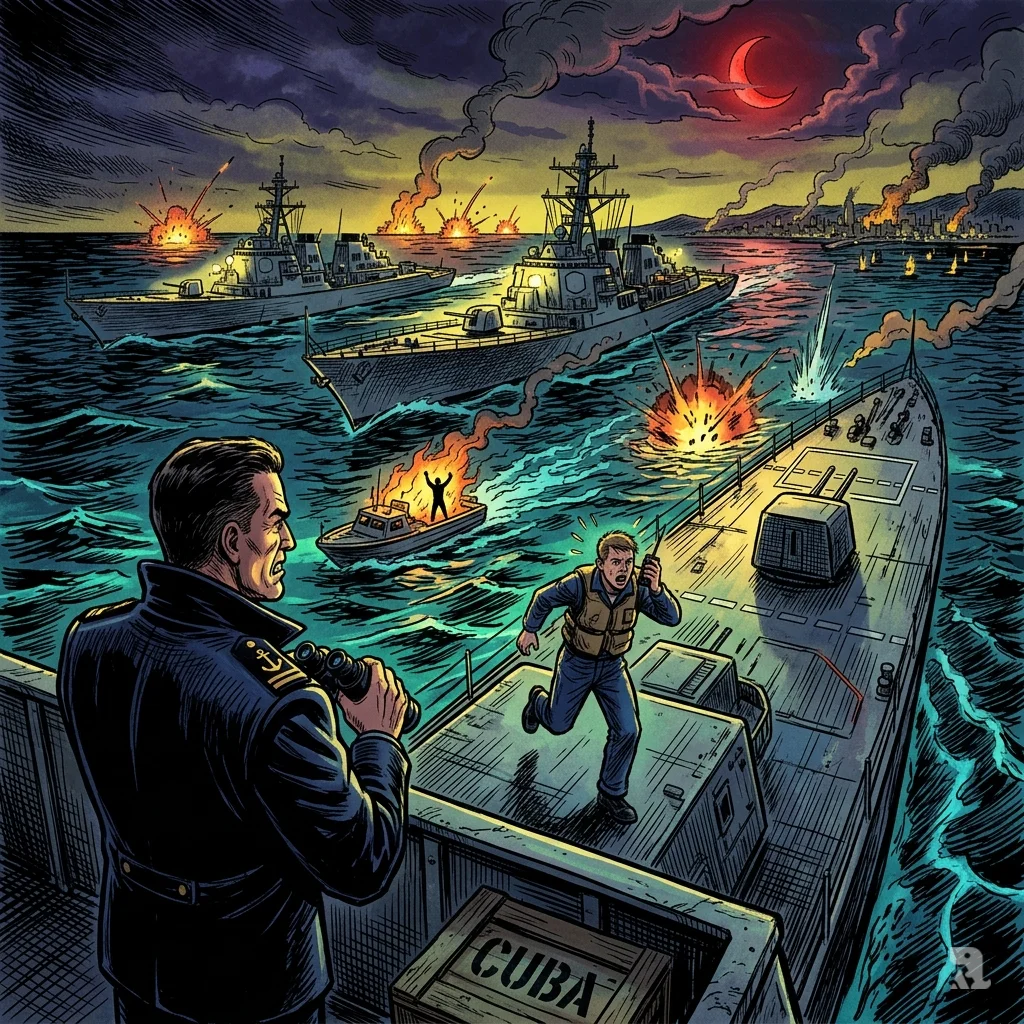
Under Trump, U.S. forces struck boats off Venezuela, seized Maduro in Caracas, and waged war on Iran since February 28 — all without congressional approval. Then came the warning: “Cuba is next.”
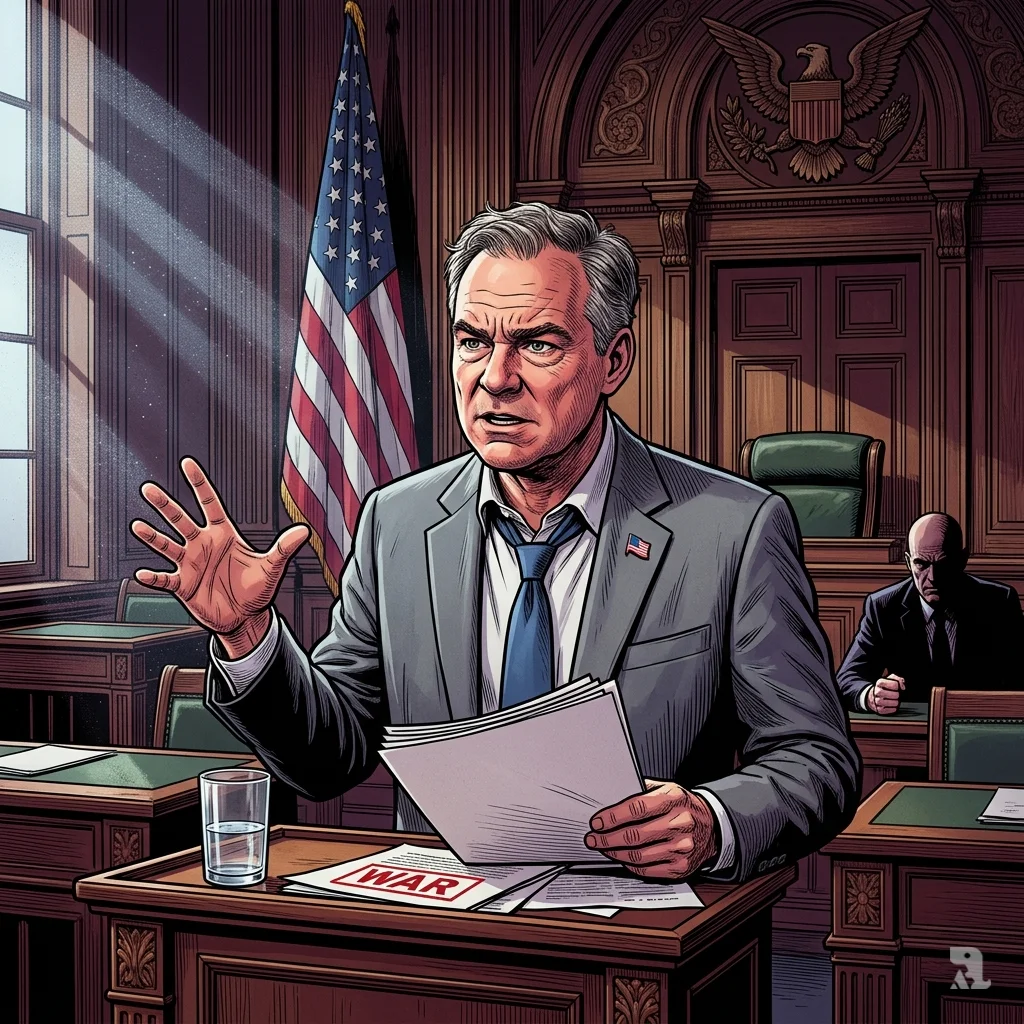
Democratic Senator Tim Kaine of Virginia introduced a war powers resolution to block Trump from military action against Cuba without Congress’s approval — arguing U.S. fuel blockades already constitute an act of war.
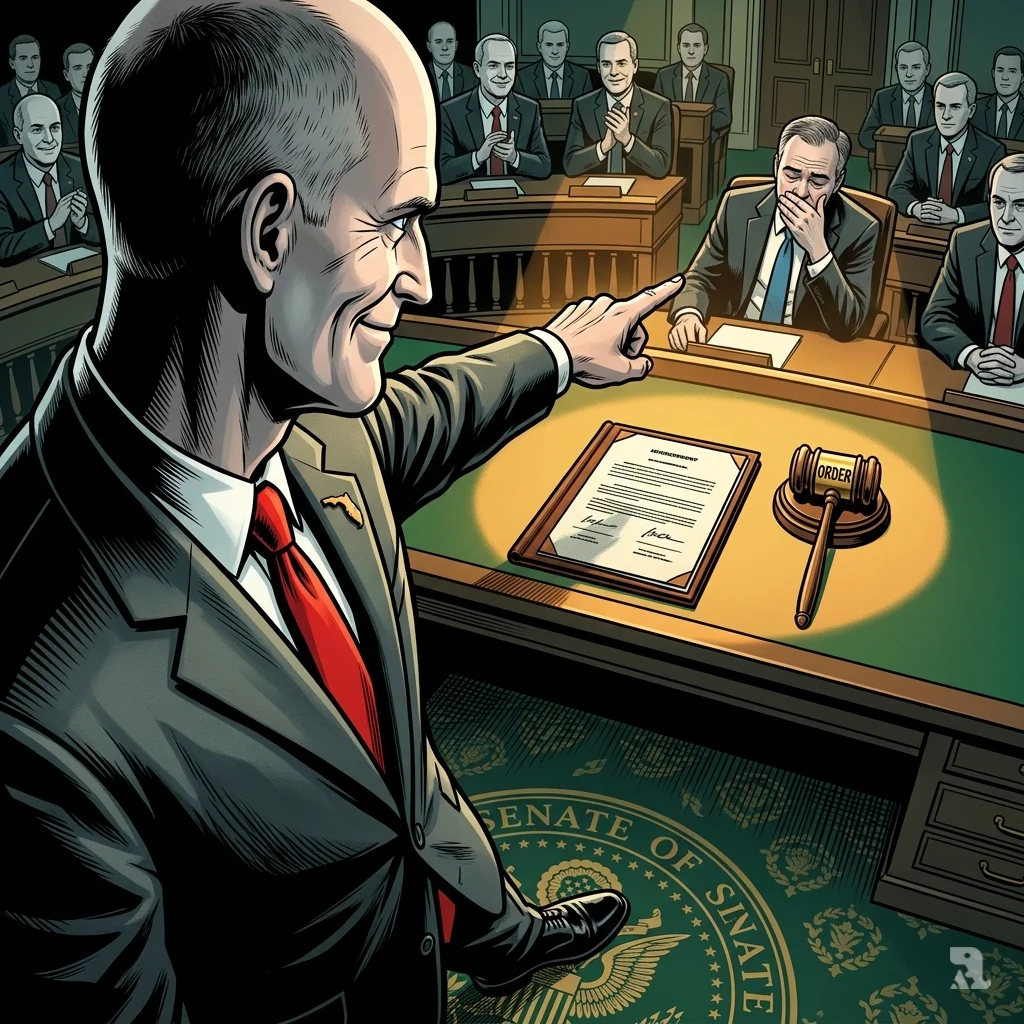
Republican Senator Rick Scott of Florida moved swiftly — introducing a point of order to kill the resolution, arguing Trump had not deployed troops and no active hostilities against Cuba currently existed.
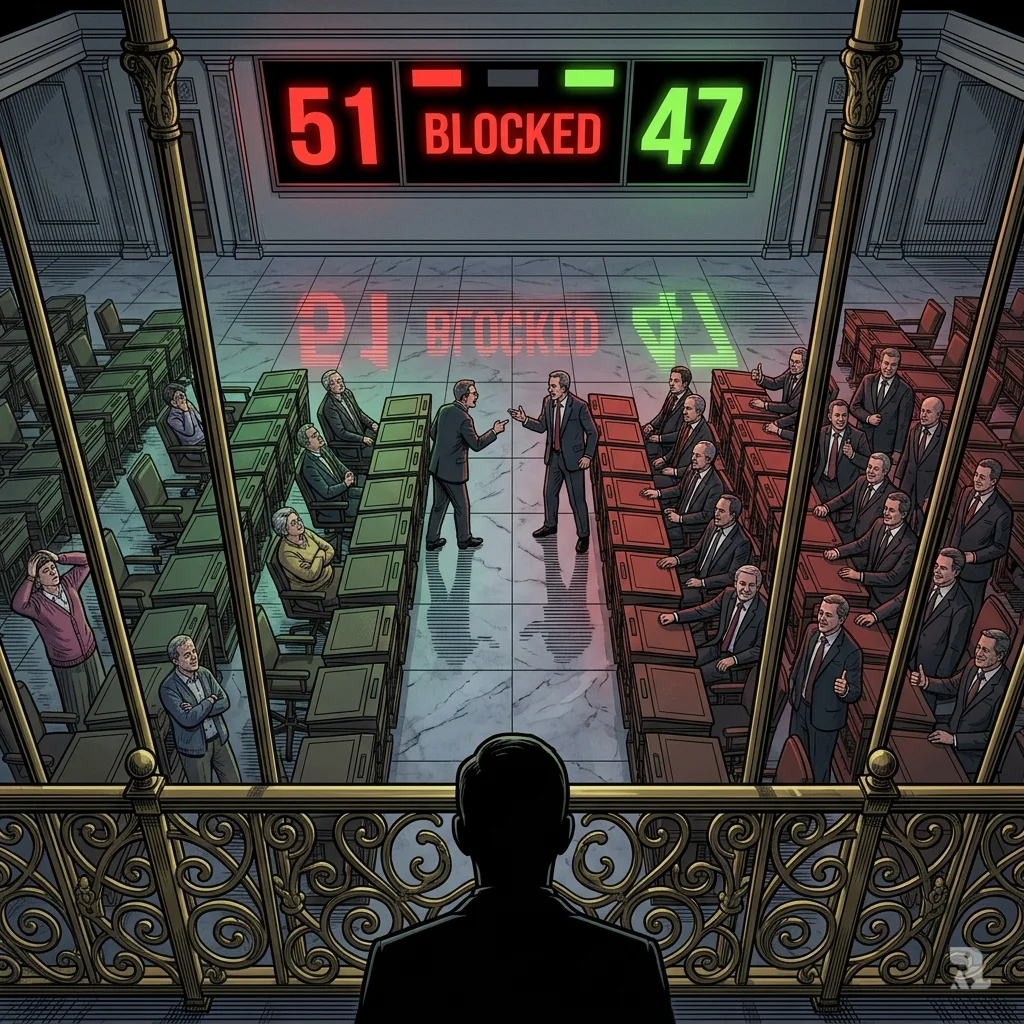
On April 28, the Senate voted 51 to 47 — almost entirely along party lines — blocking the war powers resolution. Republicans accused Democrats of using the act purely to weaken Trump’s executive authority.
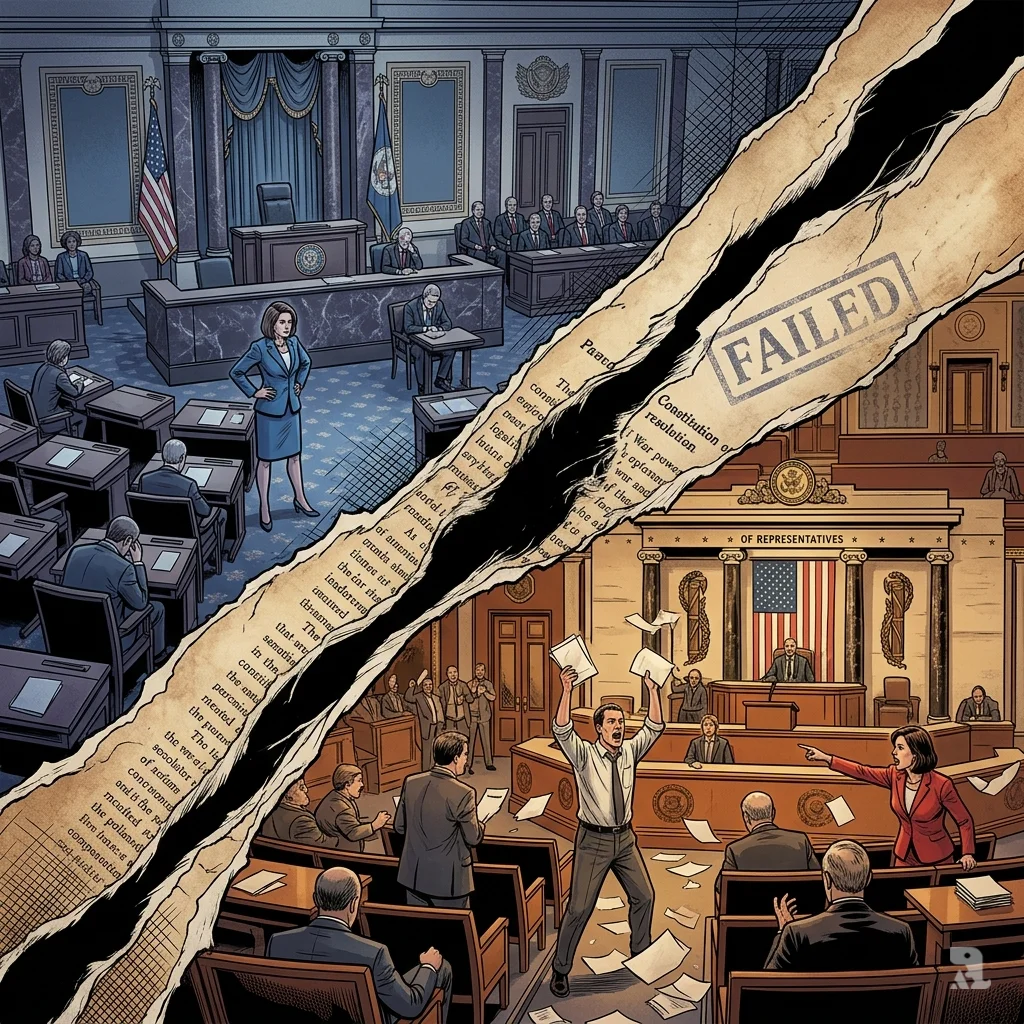
This was not the first defeat. Democrats have repeatedly failed in both the Senate and the House to force Trump to seek congressional authorization for any of his military operations abroad.
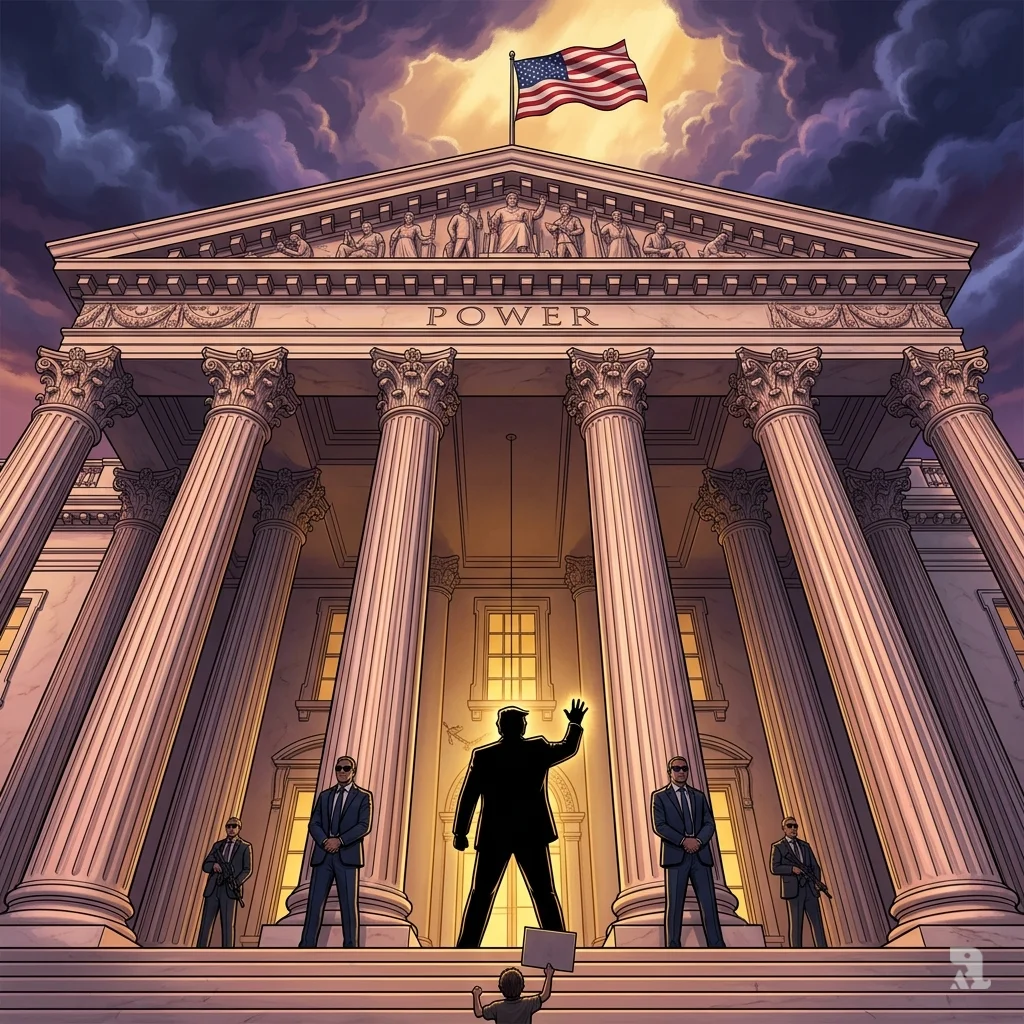
The White House insists Trump’s actions fall within his rights as commander-in-chief. Although the Constitution grants Congress the power to declare war, that restriction excludes short-term operations or responses to immediate threats.