Is South Korea’s Rising Weapons Industry About to End America’s Global Arms Monopoly?
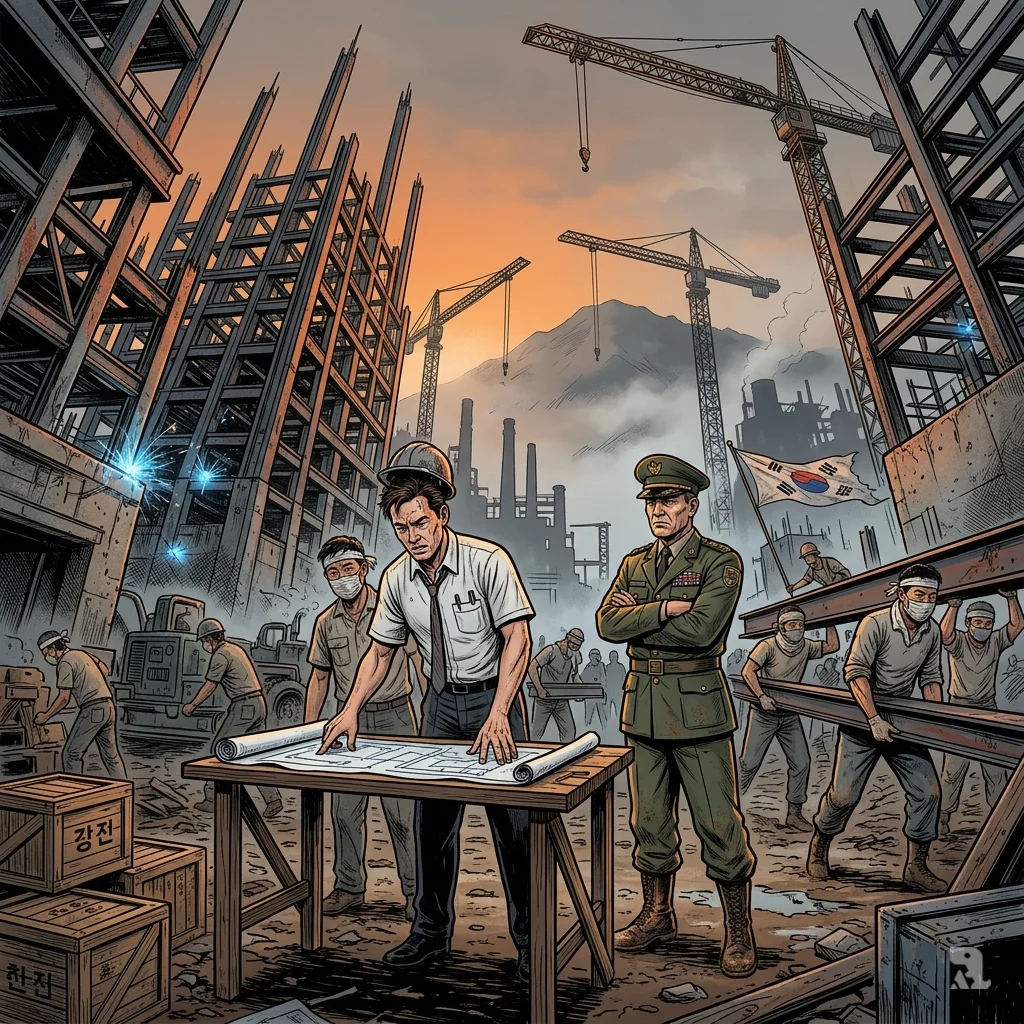
South Korea’s defense roots go back to the 1970s, when President Park Chung-hee pushed chaebols like Hyundai and Samsung to build military power from scratch — driven by North Korea’s threat and American troop withdrawals.
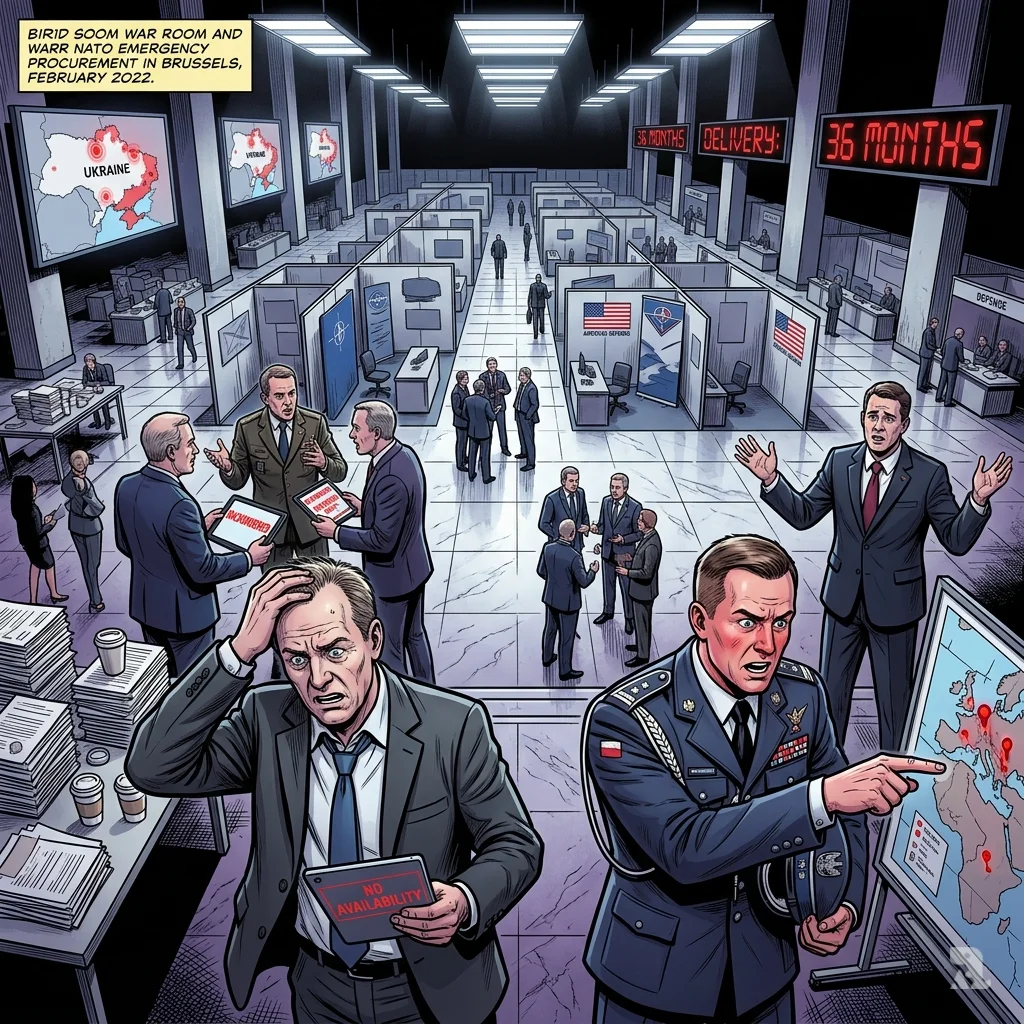
After Russia invaded Ukraine in 2022, European demand for air defense systems surged. US giants Lockheed Martin and Raytheon hit near capacity, with years-long delivery backlogs — leaving nations scrambling for cheaper, faster alternatives.
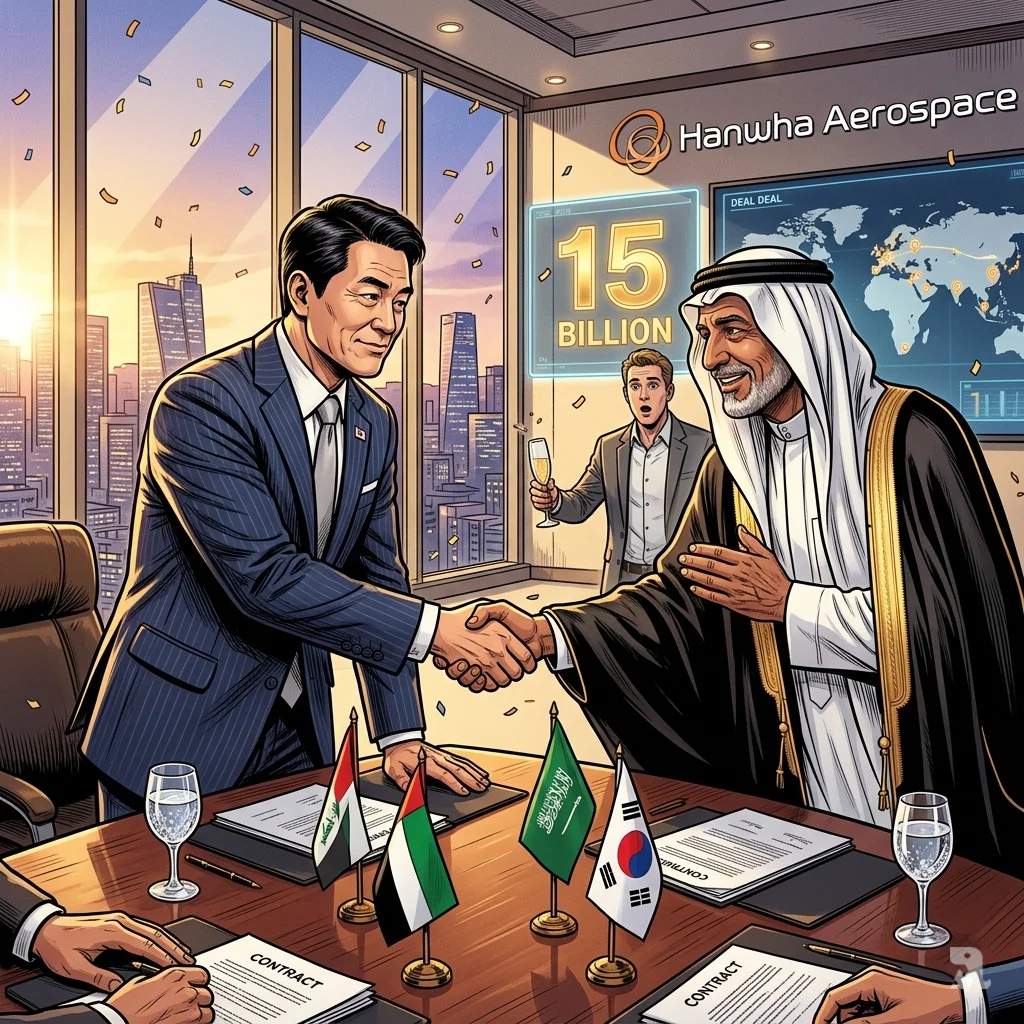
South Korea became the 2nd-largest weapons supplier to NATO countries in Europe. LIG Nex1 secured major contracts with UAE, Saudi Arabia, Iraq — while Hanwha Aerospace signed deals worth over $15 billion across Europe.
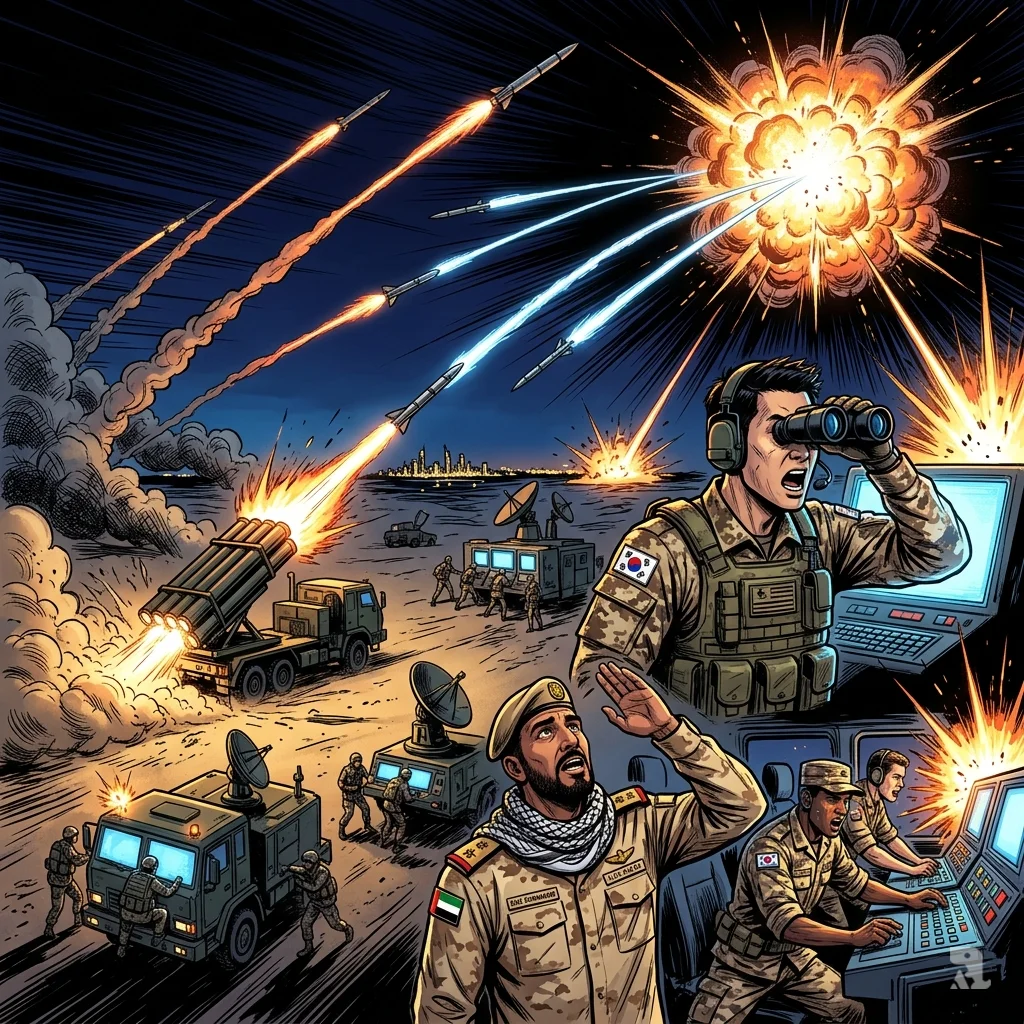
When Iran launched waves of ballistic missiles at the UAE, South Korea’s Cheongung-II — “Heaven’s Bow” — faced its first real combat test. It reportedly shot down 29 out of 30 targets, stunning military analysts worldwide.
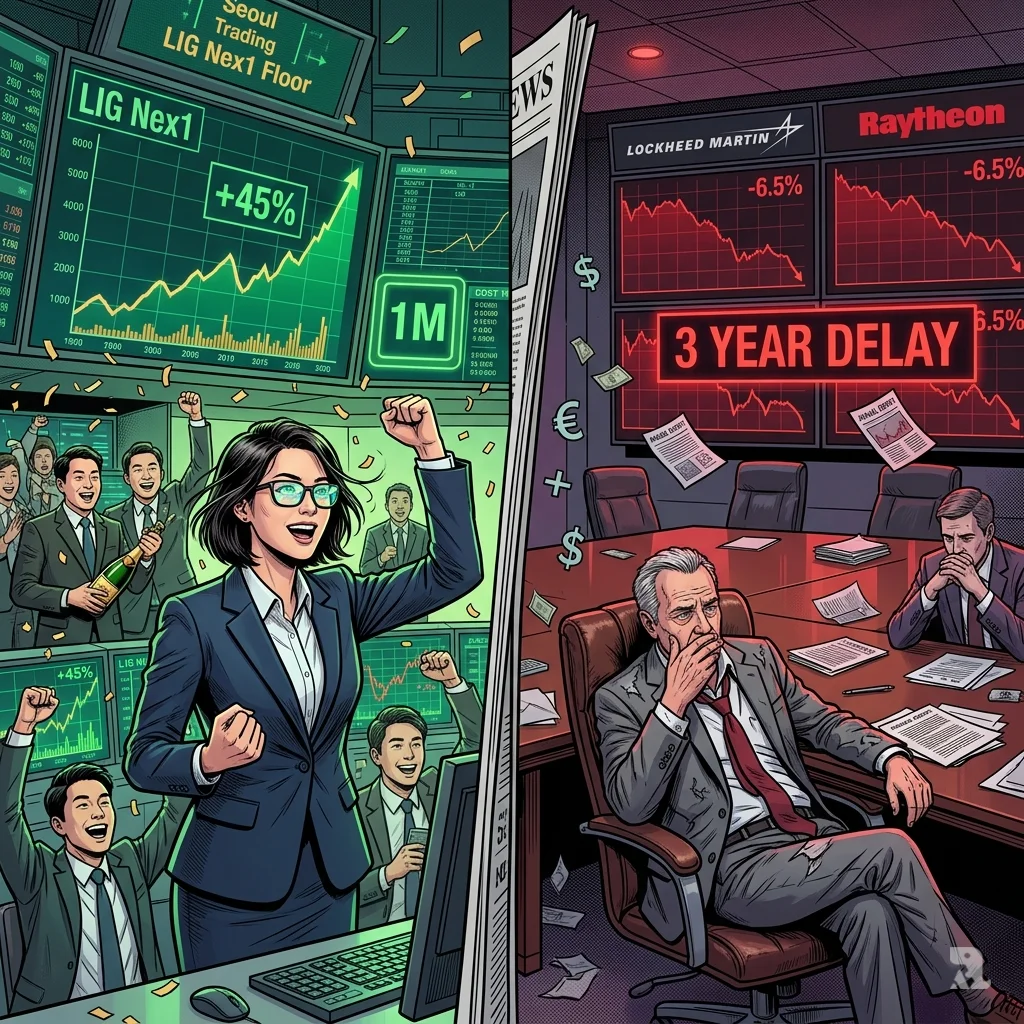
A Cheongung-II interceptor costs just $1 million versus $4 million for America’s Patriot PAC-3. Investors reacted — LIG Nex1 shares surged 45%, while Lockheed and Raytheon dropped 6.5%. US makers also face 3-year component supply delays.
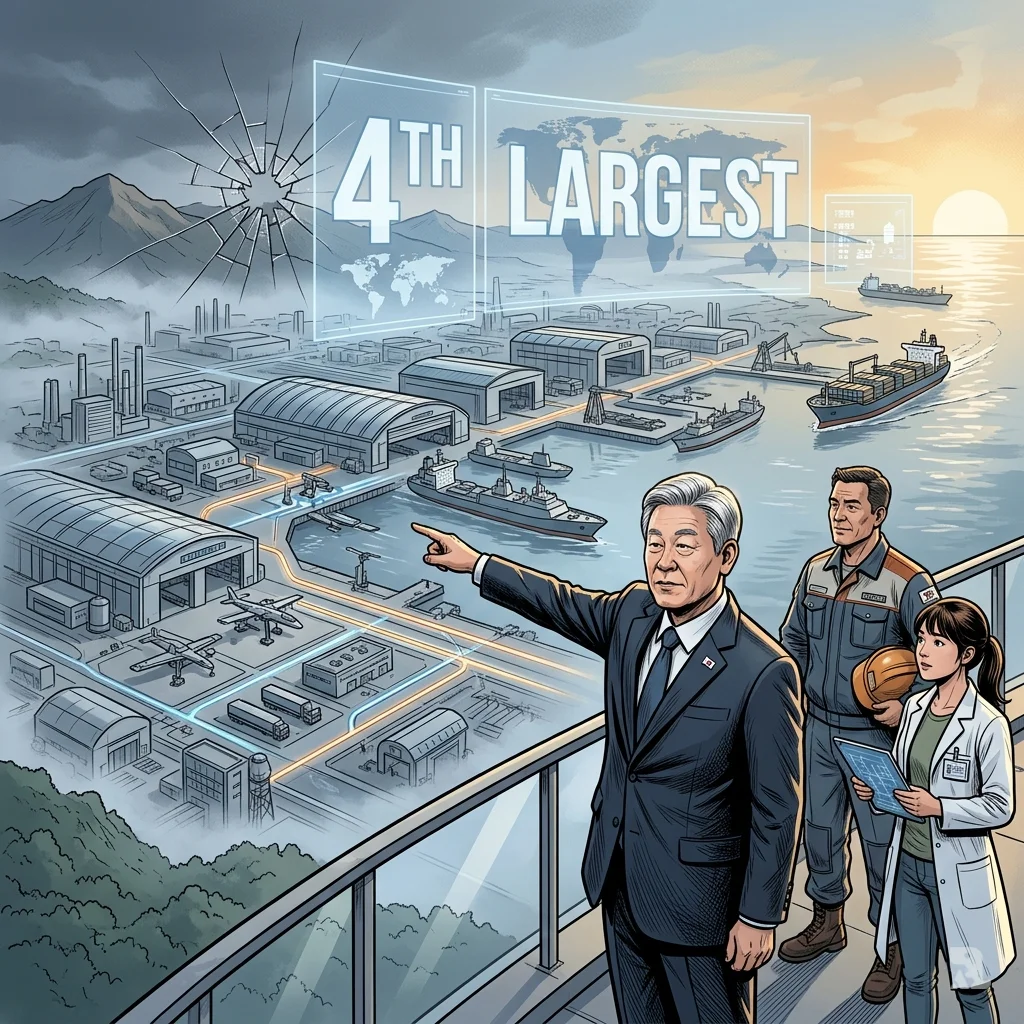
South Korea’s president Lee Jae Myung aims to build the world’s 4th-largest defense industry by 2030. Analysts compare this to Japan’s industrial rise — warning America’s decades-long monopoly on global air defense may finally be shattering.