South Korea PM Cancels China Trip As Iran War Triggers Dangerous Energy Crisis
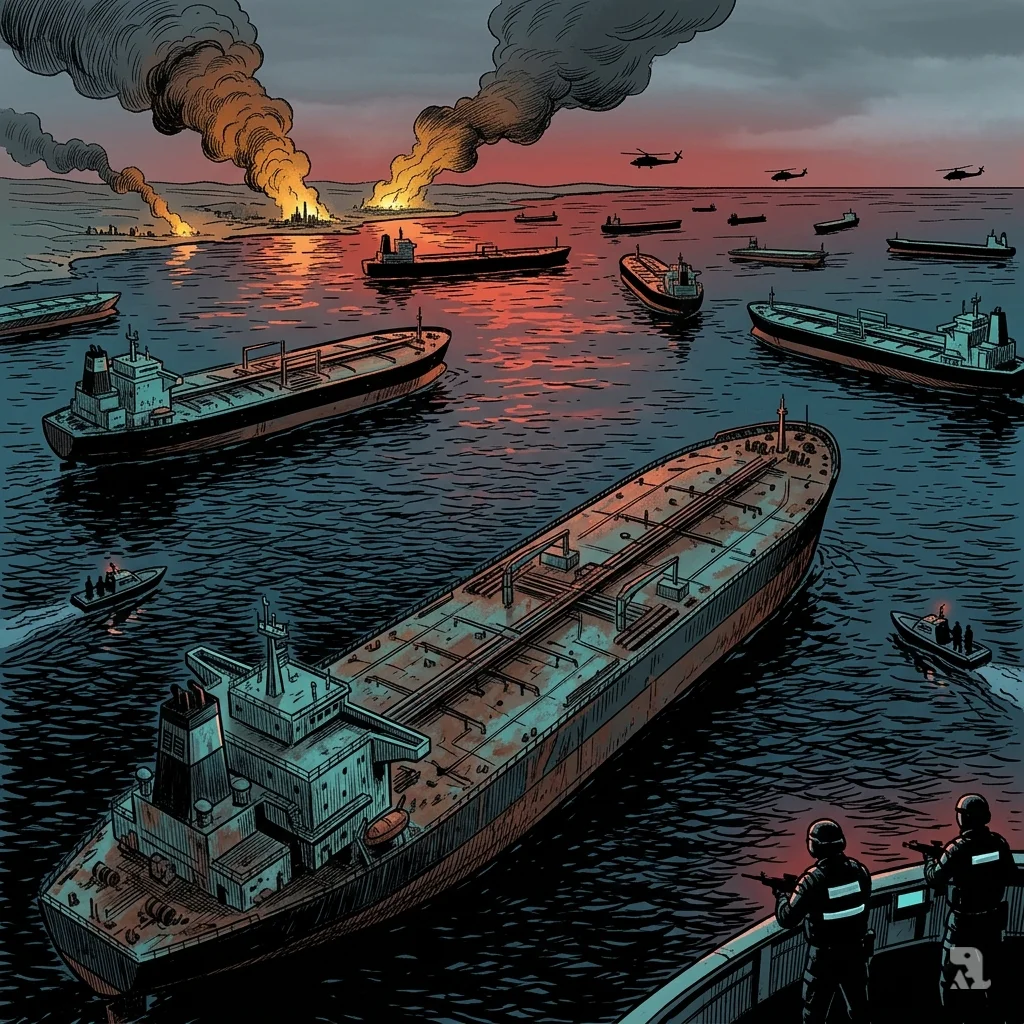
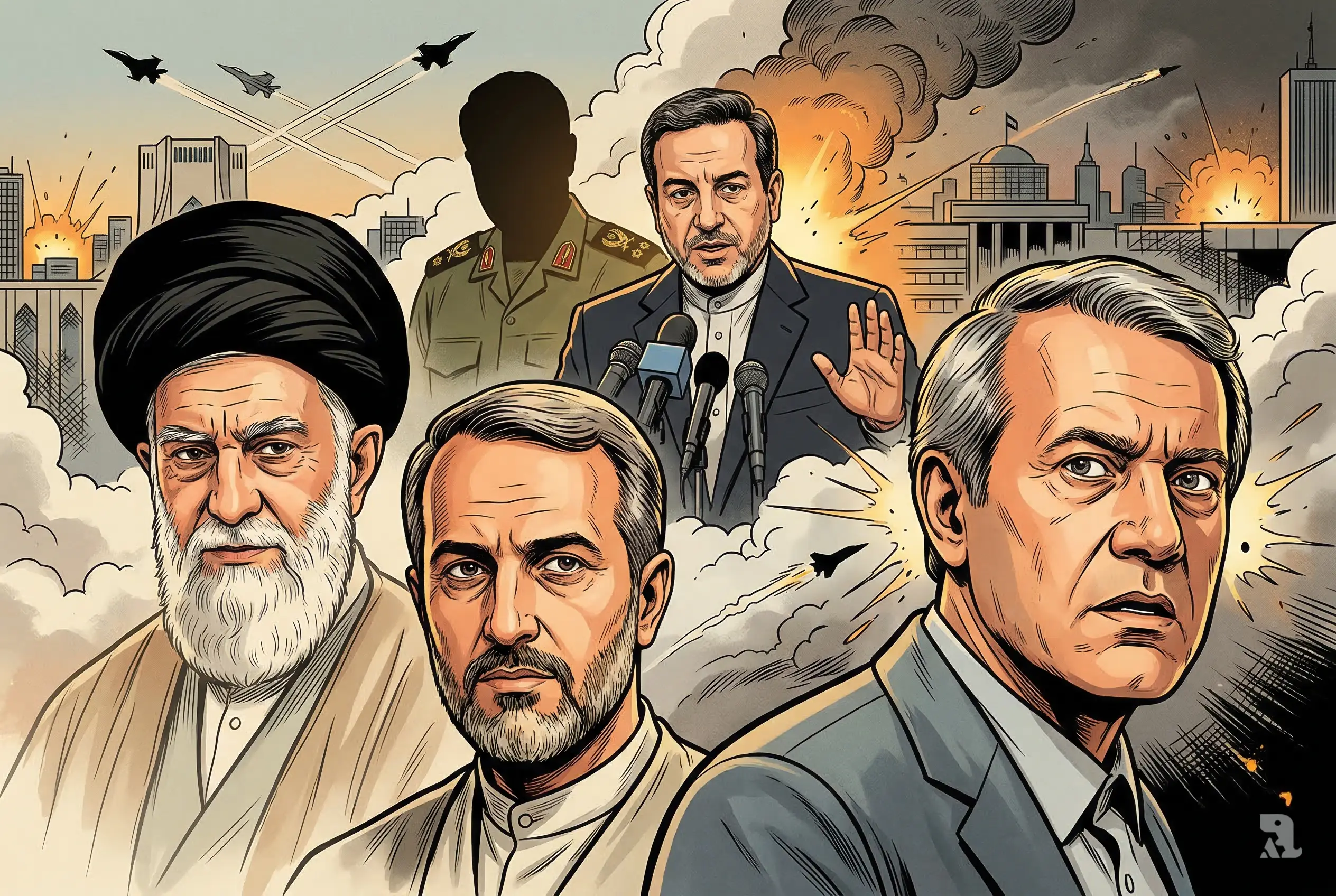
The Iran war enters its 4th week. The Strait of Hormuz is effectively closed, choking global oil and gas routes — piling massive pressure on major energy importers worldwide, including South Korea.
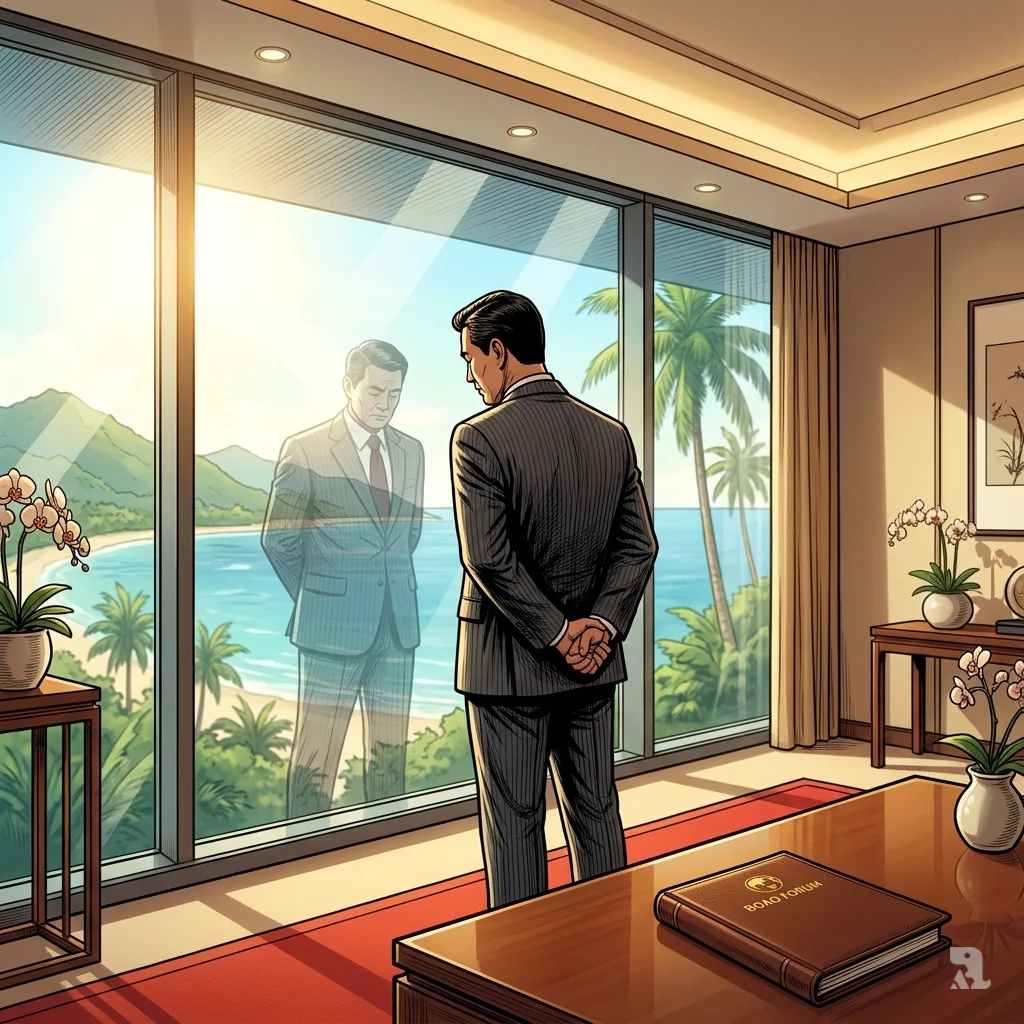
Prime Minister Kim Min-seok was originally scheduled to attend the Boao Forum for Asia in Hainan, China this week — a key diplomatic move to strengthen ties under President Lee Jae Myung.
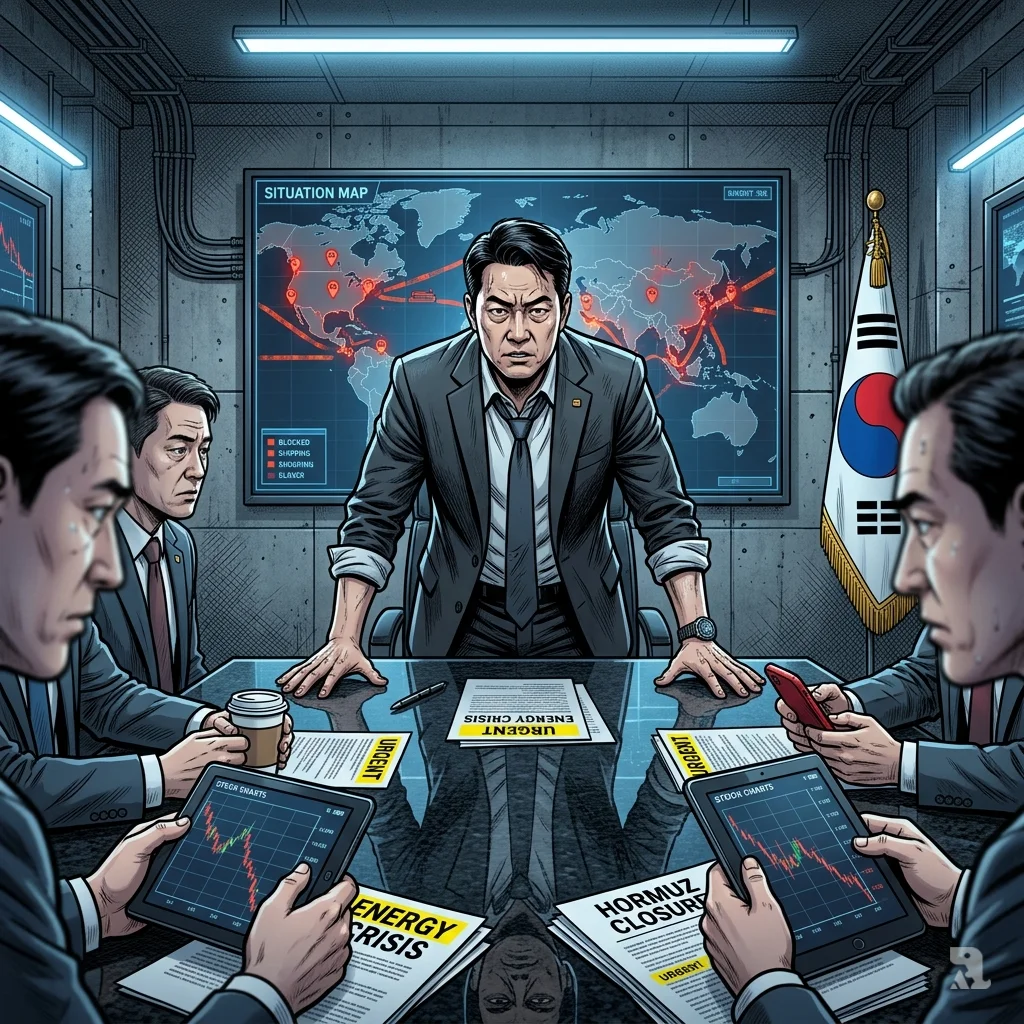
Kim abruptly cancels his China trip to directly oversee emergency economic response at home. South Korea provided prior explanation through diplomatic channels and sought understanding for this sudden last-minute cancellation.

Foreign Minister Cho Hyun urgently calls his Iranian counterpart Abbas Araghchi, demanding efforts to reduce tensions and ensure navigation safety — as numerous vessels remain dangerously anchored near the Strait of Hormuz.
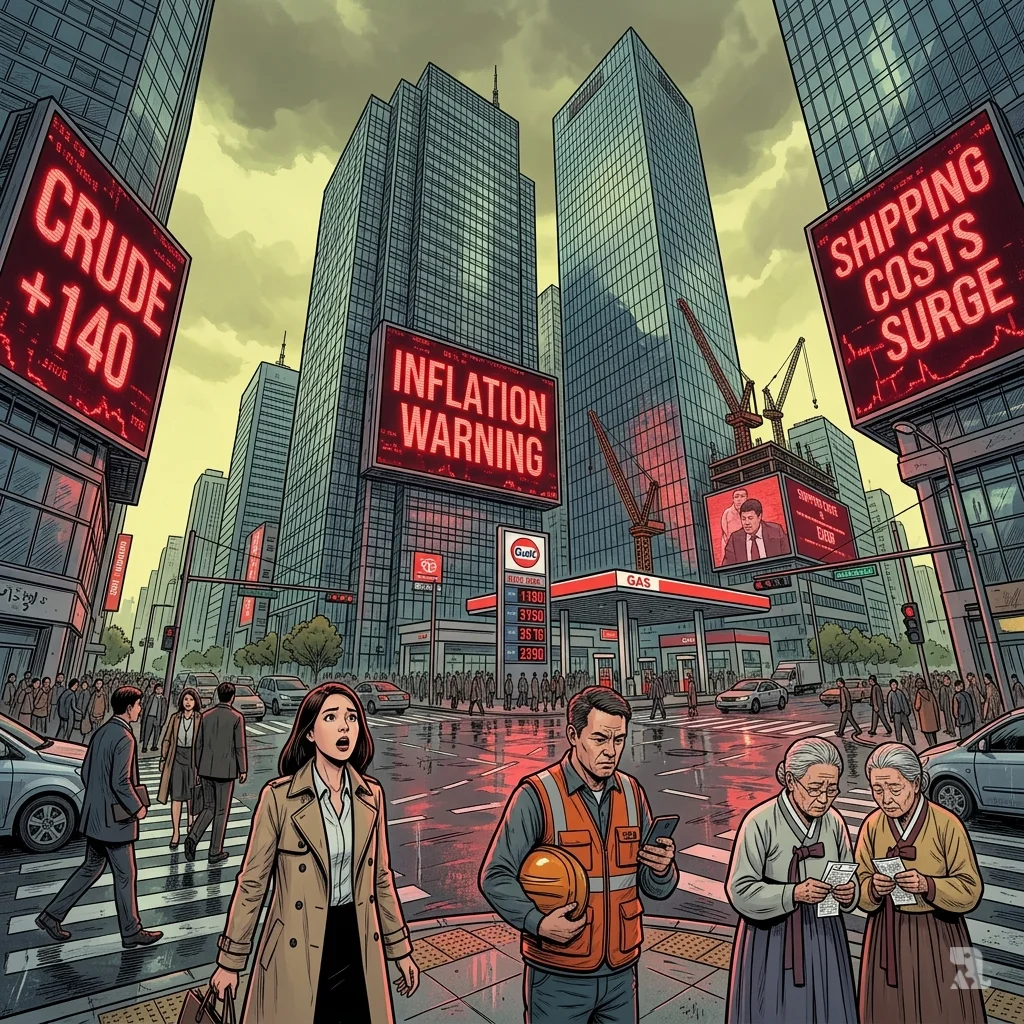
Despite South Korea’s export growth holding steady in early March, surging global crude oil prices, worsening shipping conditions, and broader supply disruptions now threaten rising inflation and drag down economic growth severely.
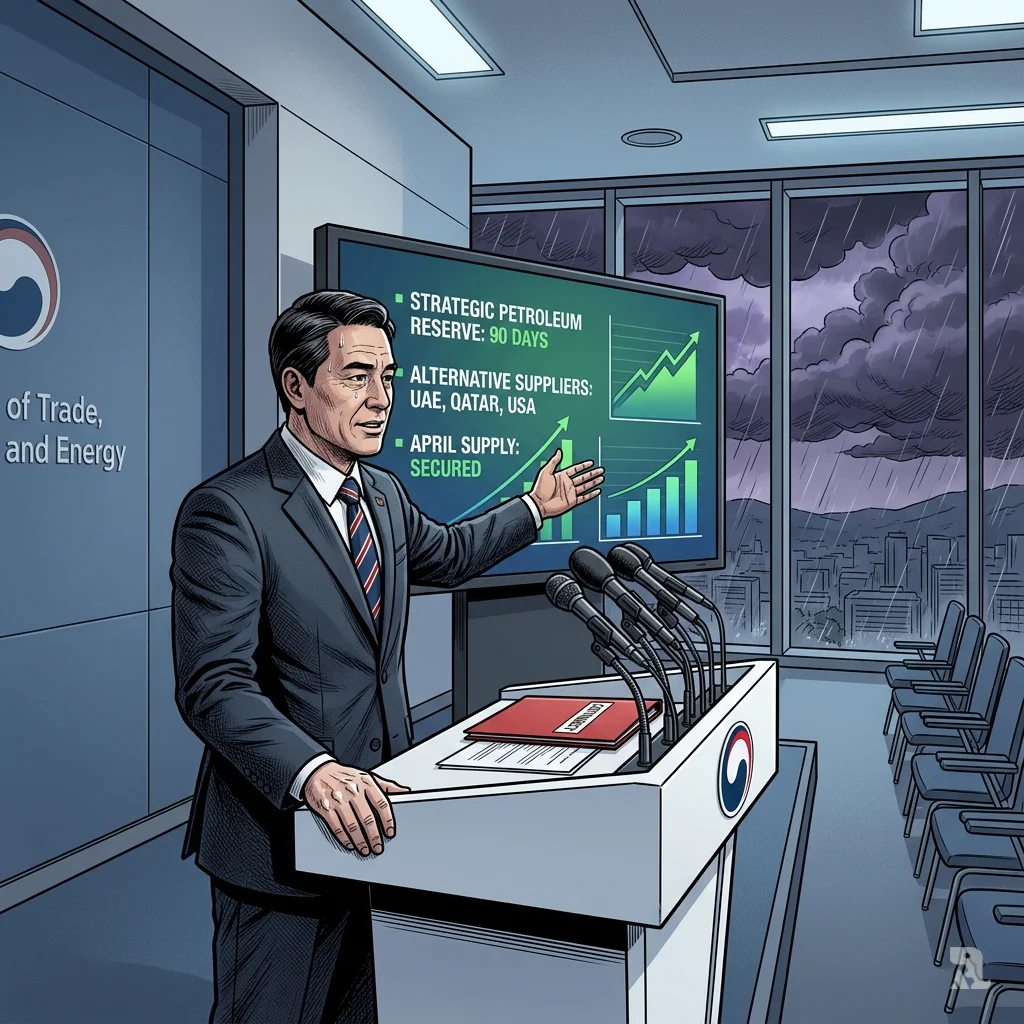
The Industry Ministry reassures that securing alternative shipments and releasing strategic reserves will prevent major supply problems in April. But with the Iran war still raging, deep uncertainty looms ahead.