24 States Sue After Trump’s Tariffs Spark Massive Legal and Economic Chaos
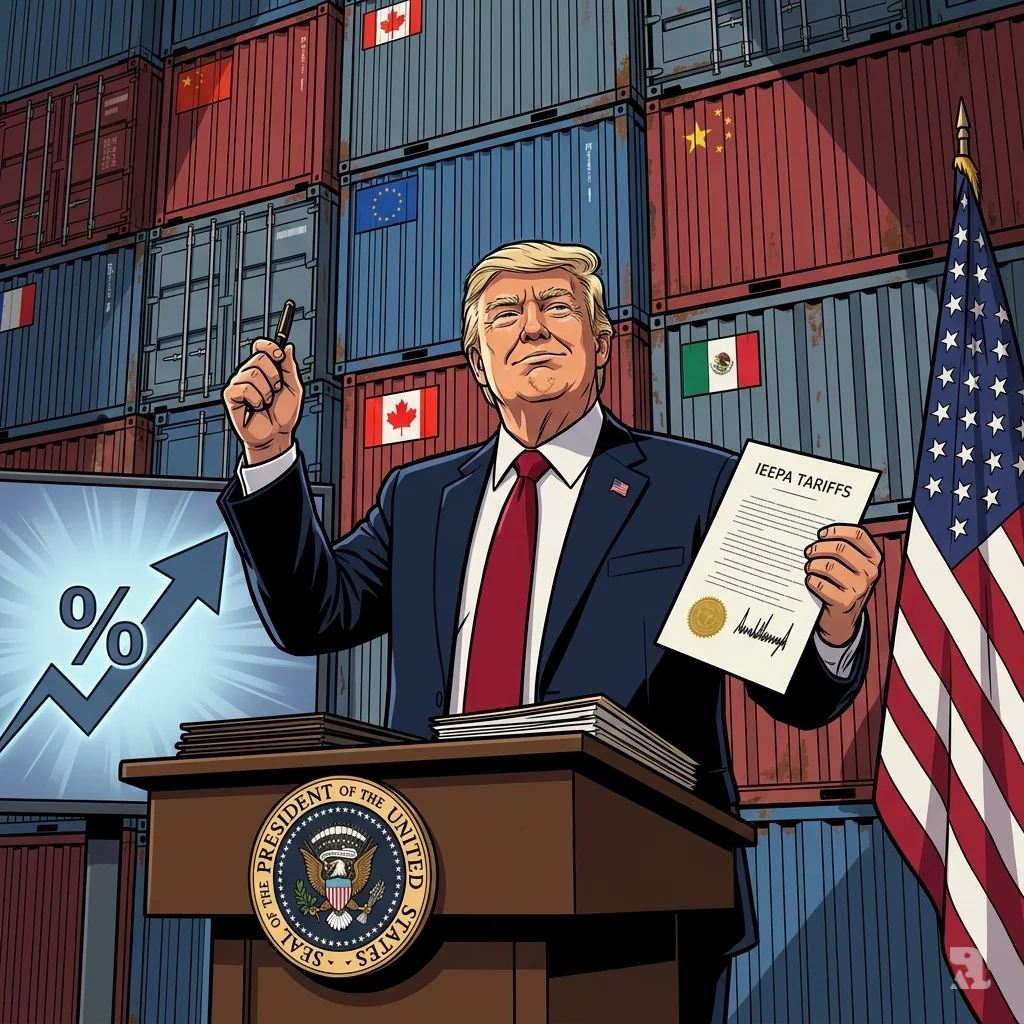
President Donald Trump made tariffs the core of his second-term policy, claiming broad power without Congress. Using the IEEPA, he imposed wide import tariffs — a legal authority never previously used to create trade duties.
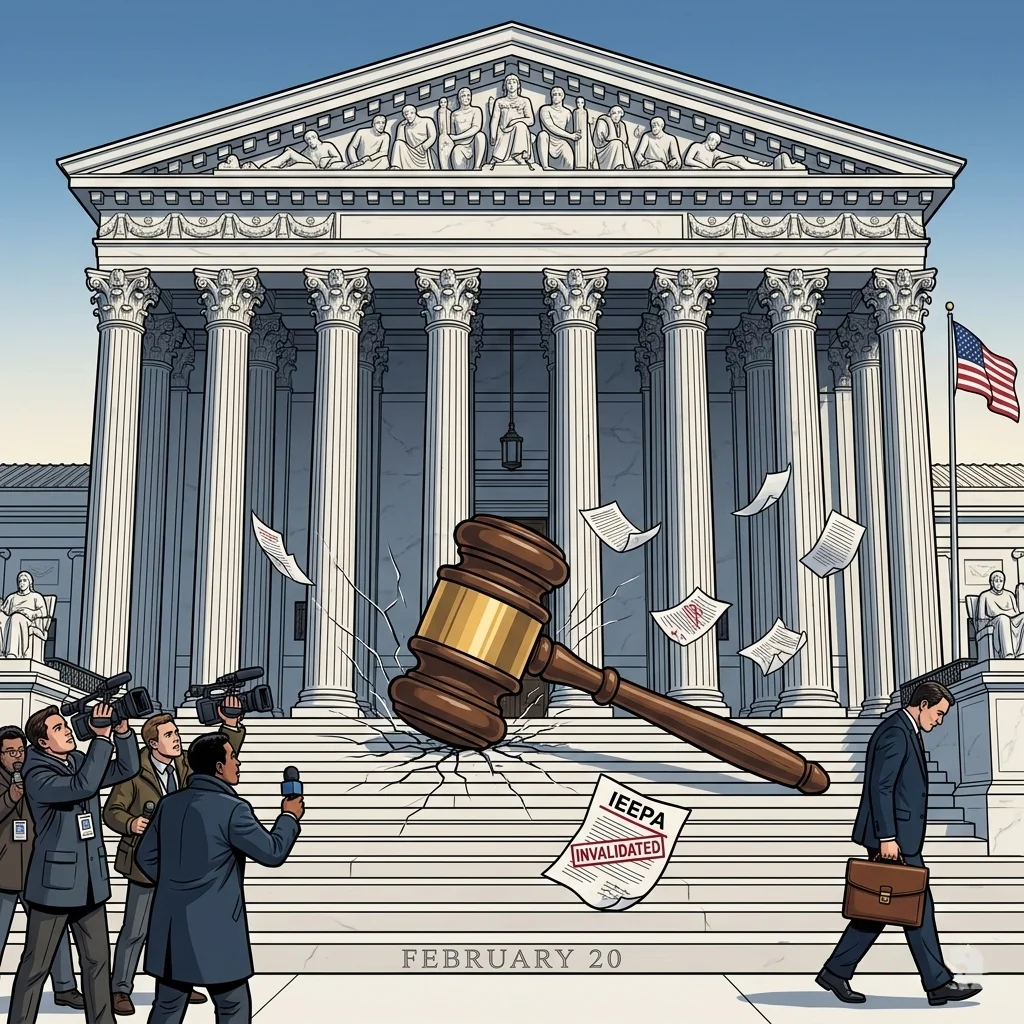
On February 20, the U.S. Supreme Court ruled IEEPA did not give tariff powers, striking down most tariffs. Around 2,000 businesses then sued, seeking refunds of over $130 billion already paid under those orders.
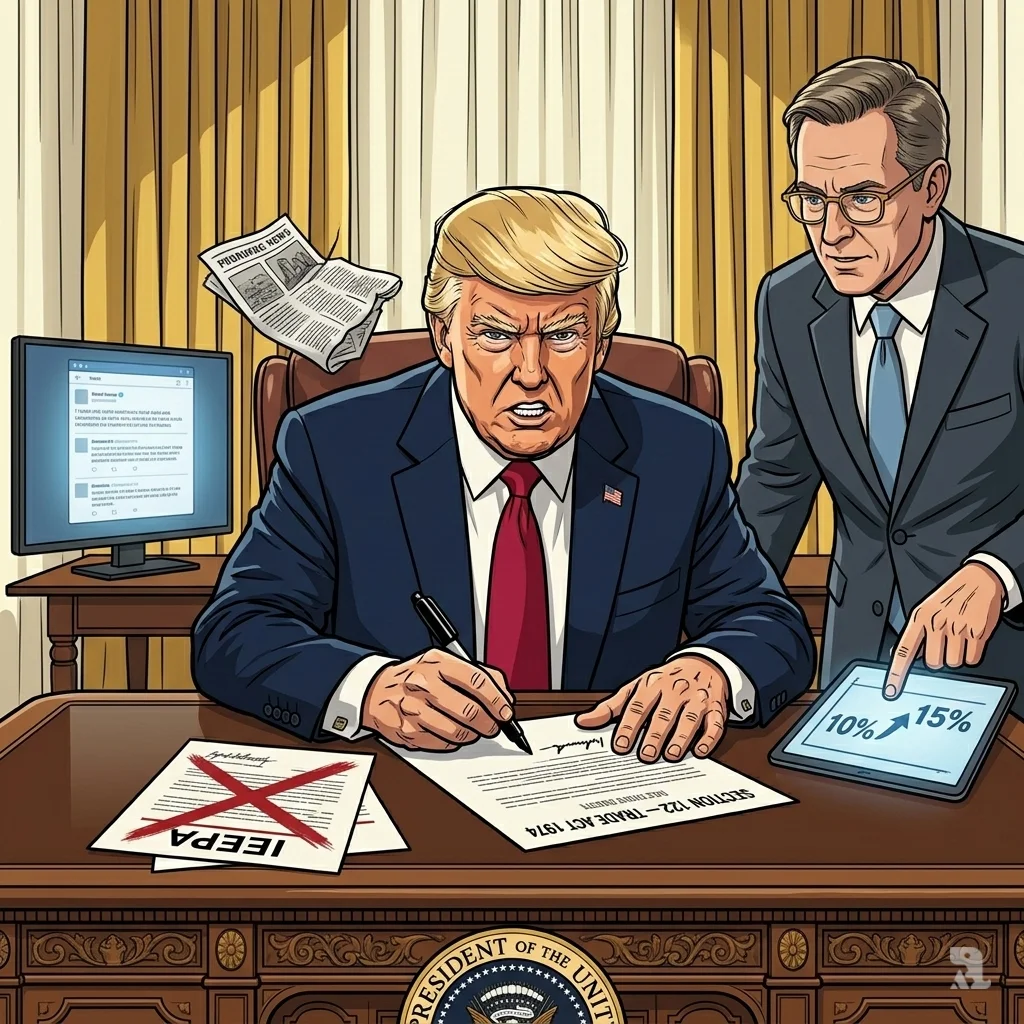
Trump responded immediately, criticizing the justices and imposing new 10% global tariffs under Section 122, Trade Act of 1974. Treasury Secretary Scott Bessent warned rates could reach 15%. The law allows tariffs for only 150 days without Congress.
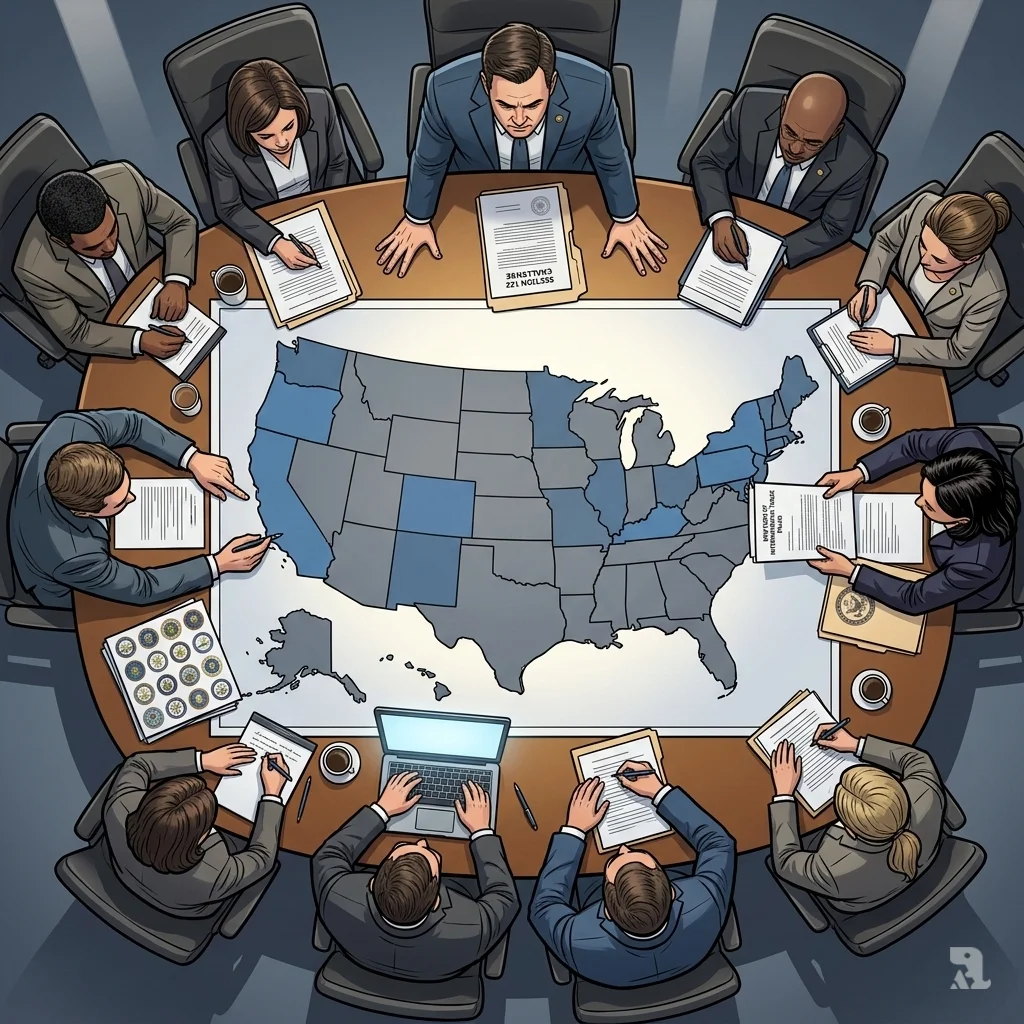
On March 5, 24 states — including California, New York, Oregon, Pennsylvania, Kentucky — filed the first case in the U.S. Court of International Trade. They argued Section 122 targets outdated monetary crises, not normal trade deficits.
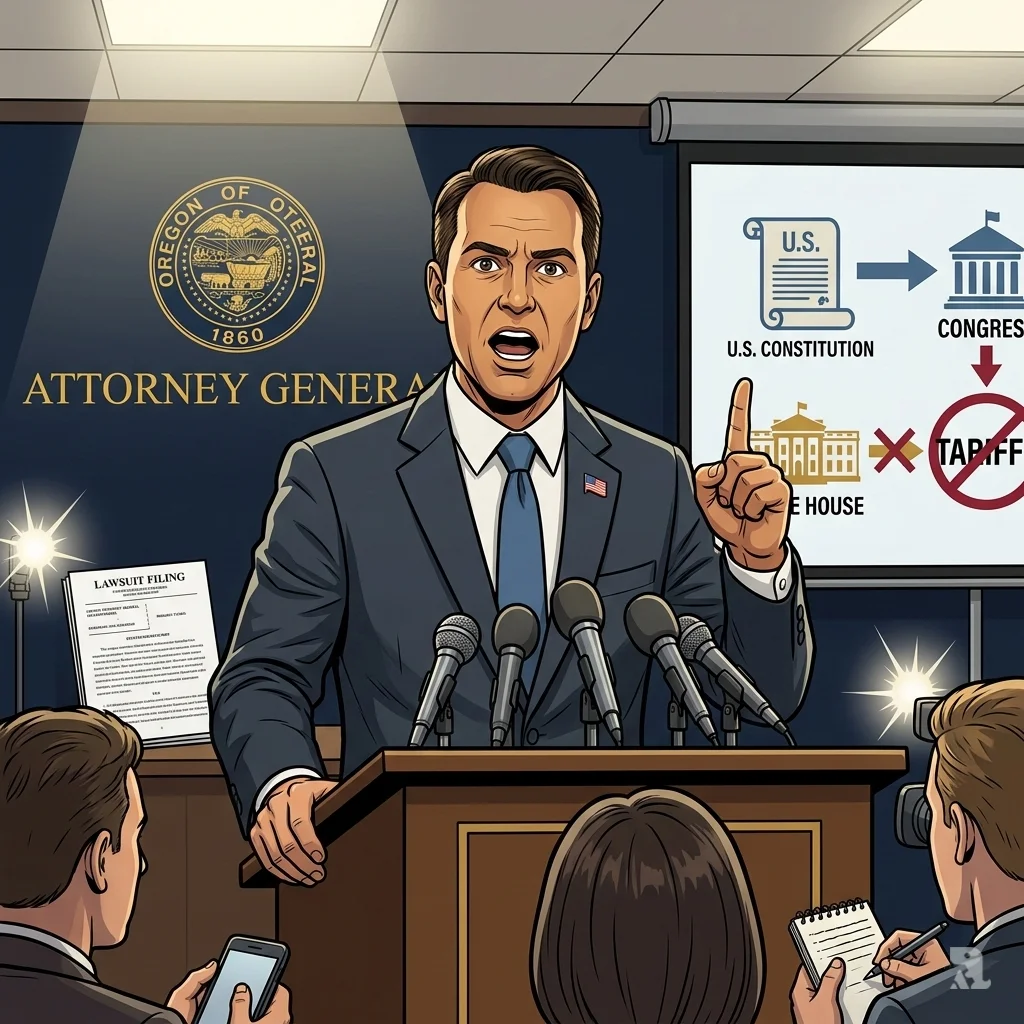
Oregon AG Dan Rayfield called the tariffs an unconstitutional “end run” around Congress, saying they were “historically unpopular” and cost Americans hundreds of billions. States argued the law addressed old gold-standard risks, not modern trade gaps.
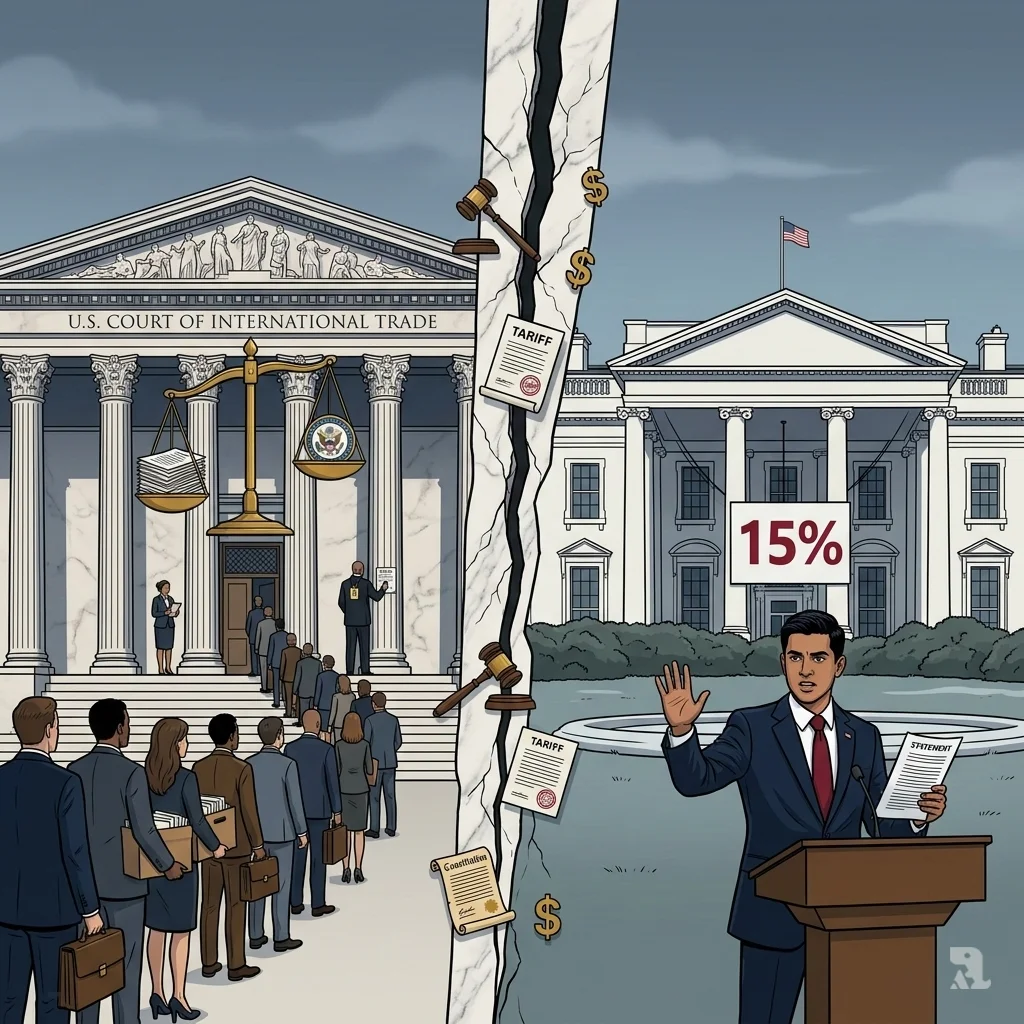
The White House pledged to “vigorously defend” the tariffs, while states sought to block them and refund payments. The court began processing claims from 2,000 lawsuits totaling over $130 billion, as a long constitutional fight loomed.