Iran’s New War Plan Following the 12-Day War of June 2025
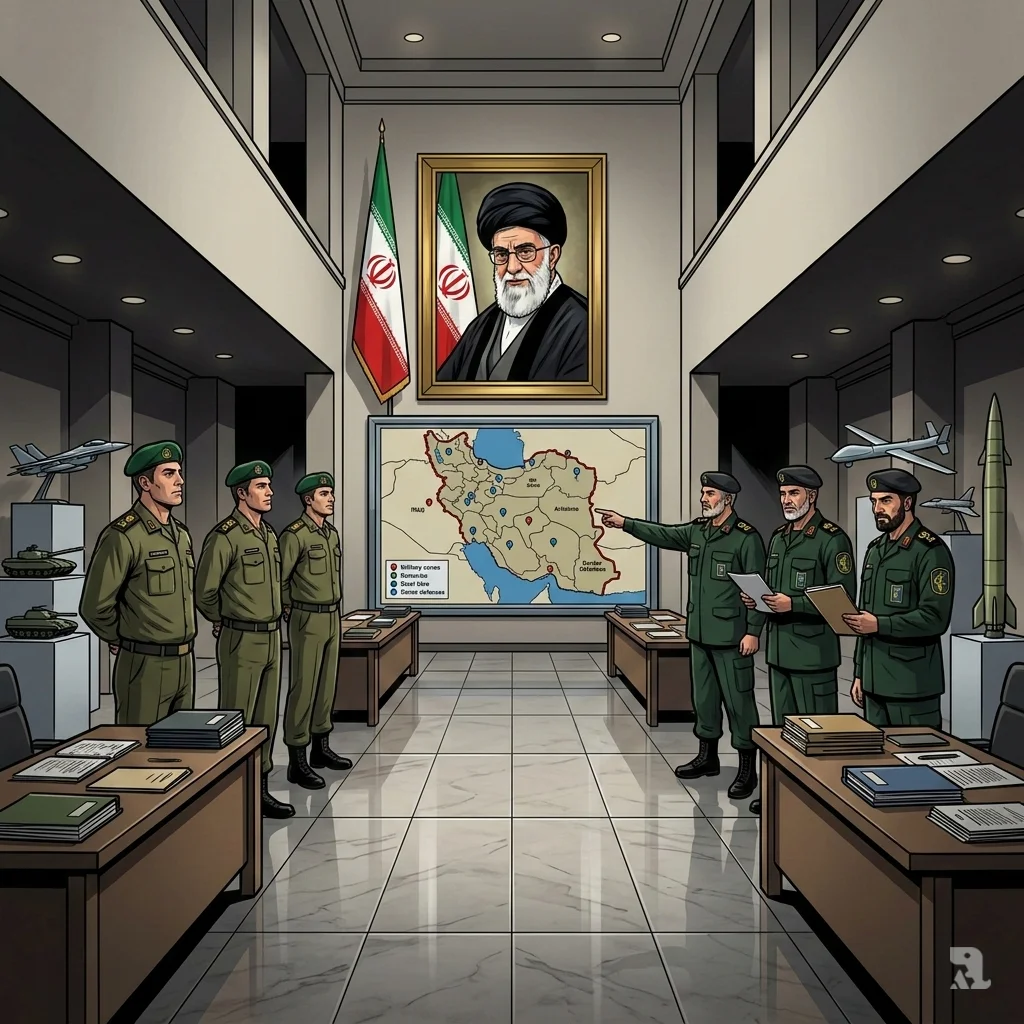
Iran runs 2 parallel armies — the Artesh for territorial defense and the IRGC for protecting the political system and controlling drones and missiles. Both report directly to the Supreme Leader as commander-in-chief.
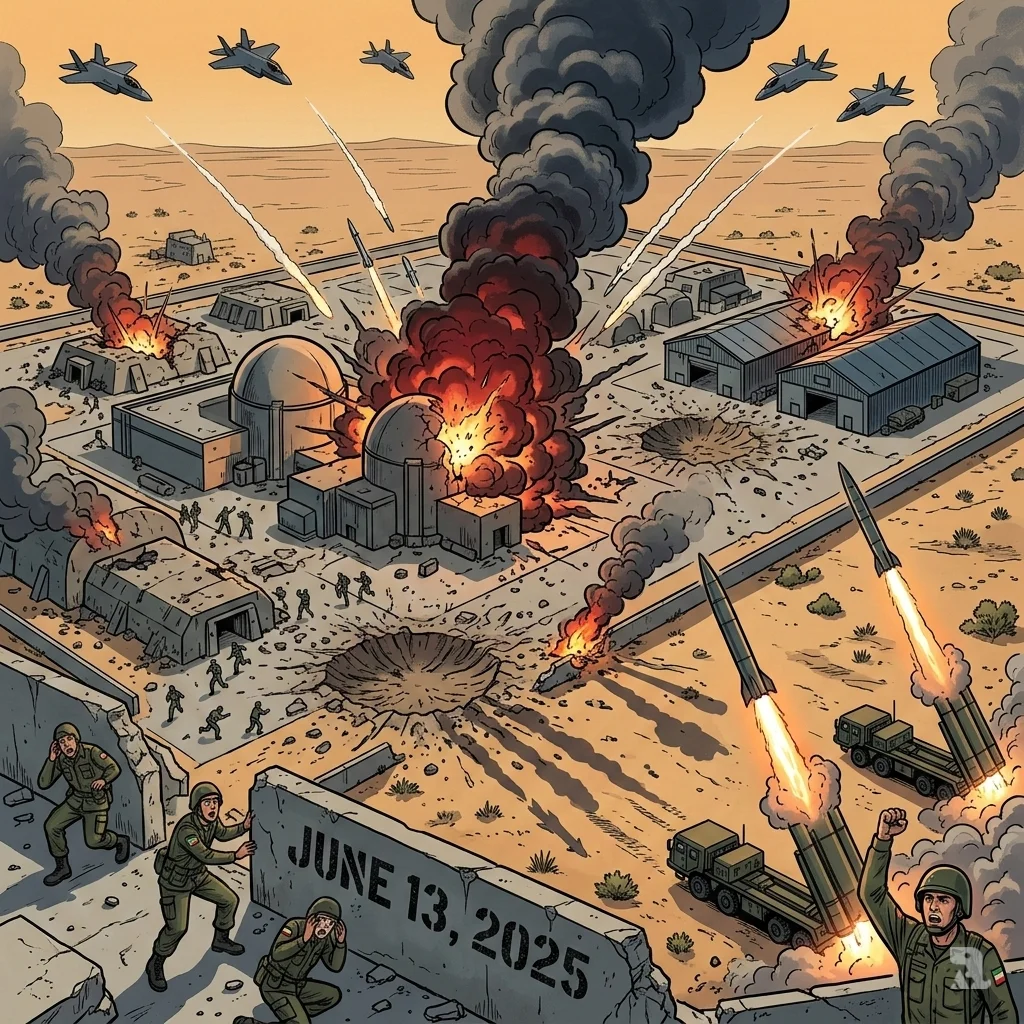
On June 13, 2025, Israel launched major airstrikes on Iran’s nuclear and military sites, killing key scientists and commanders and starting a 12-day war. Iran fired hundreds of missiles at Israeli cities; casualties were higher in Iran.
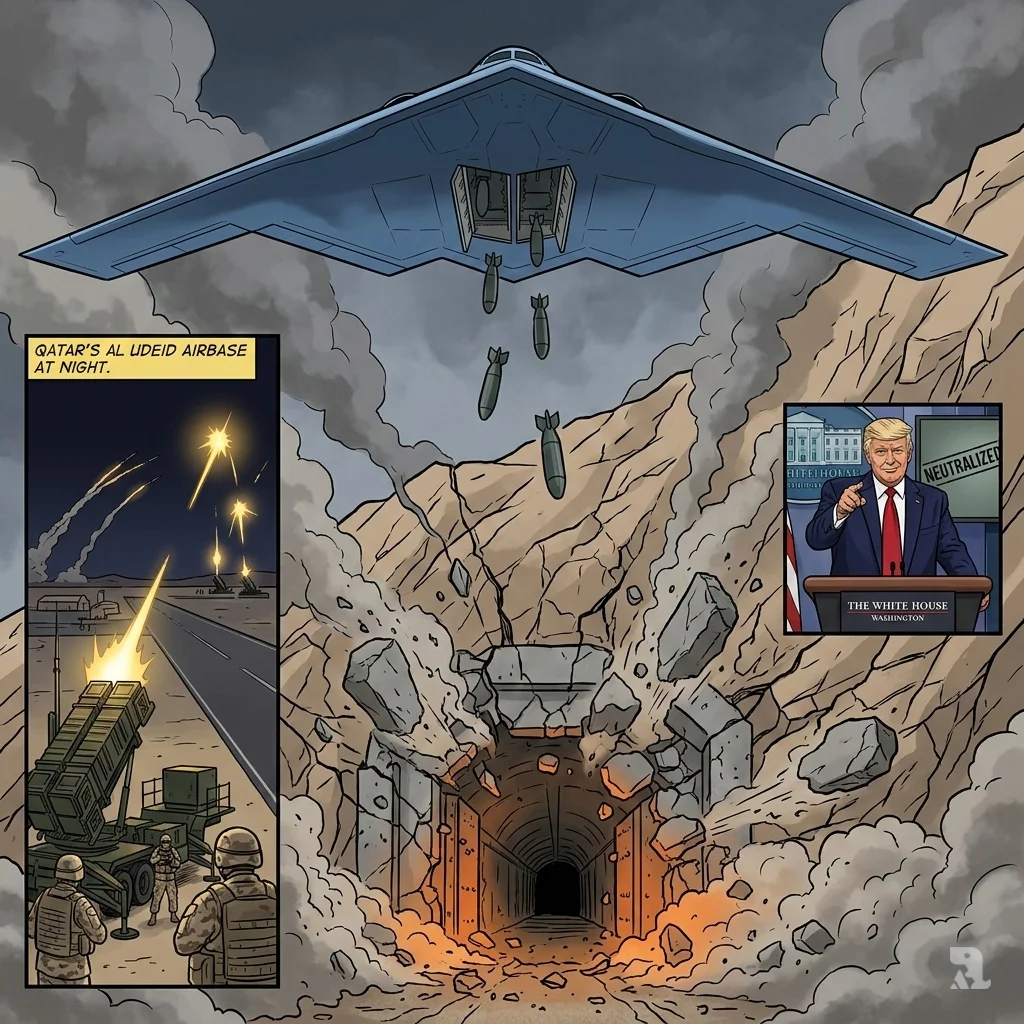
On June 22, the US bombed Natanz, Fordow, and Isfahan with bunker-busters. Trump said Iran’s nuclear program was neutralized. Iran struck Al Udeid Airbase, but most missiles were intercepted. A ceasefire began on June 24.
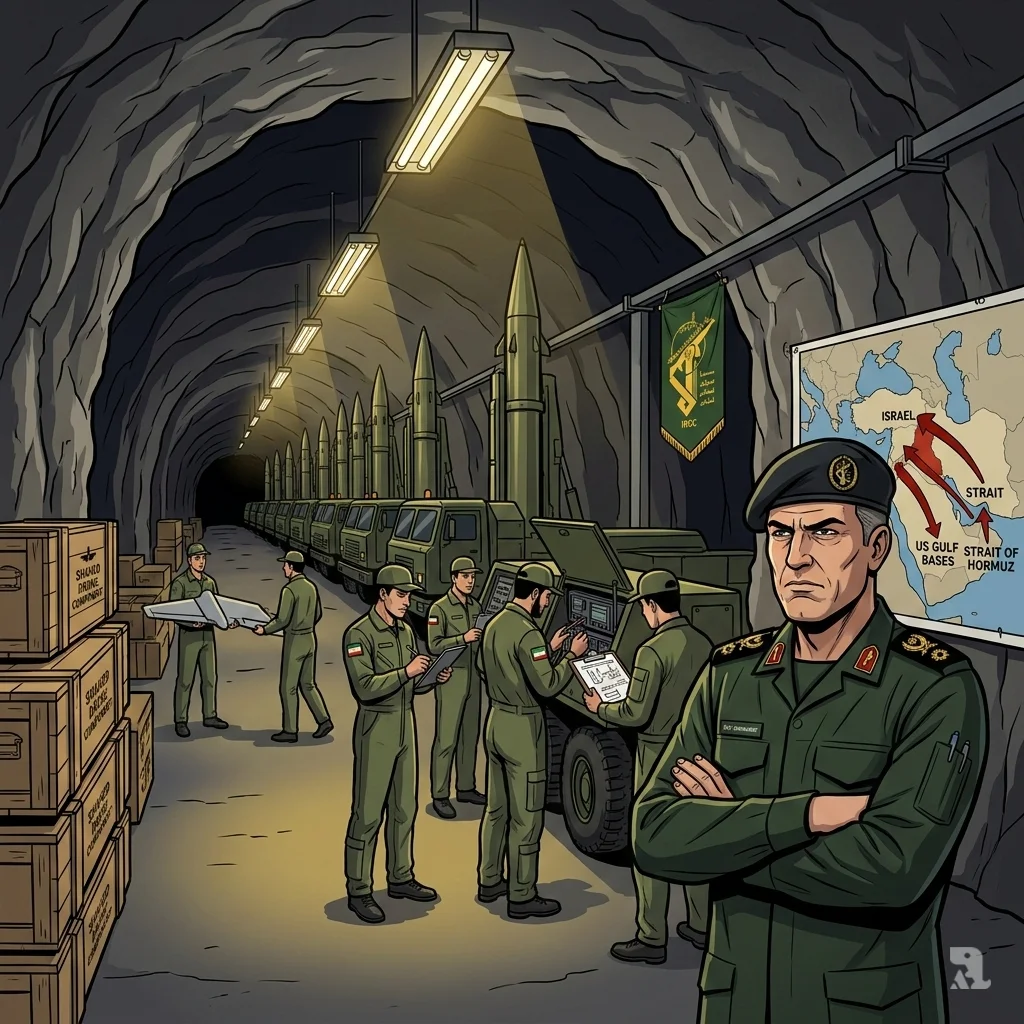
After the June 2025 war, Iran shifted from defense to an offensive strategy. It strengthened underground missile sites, spread command centers, increased Shahed drone production, and accepted earlier use of missiles, cyberattacks, proxies, and energy pressure.
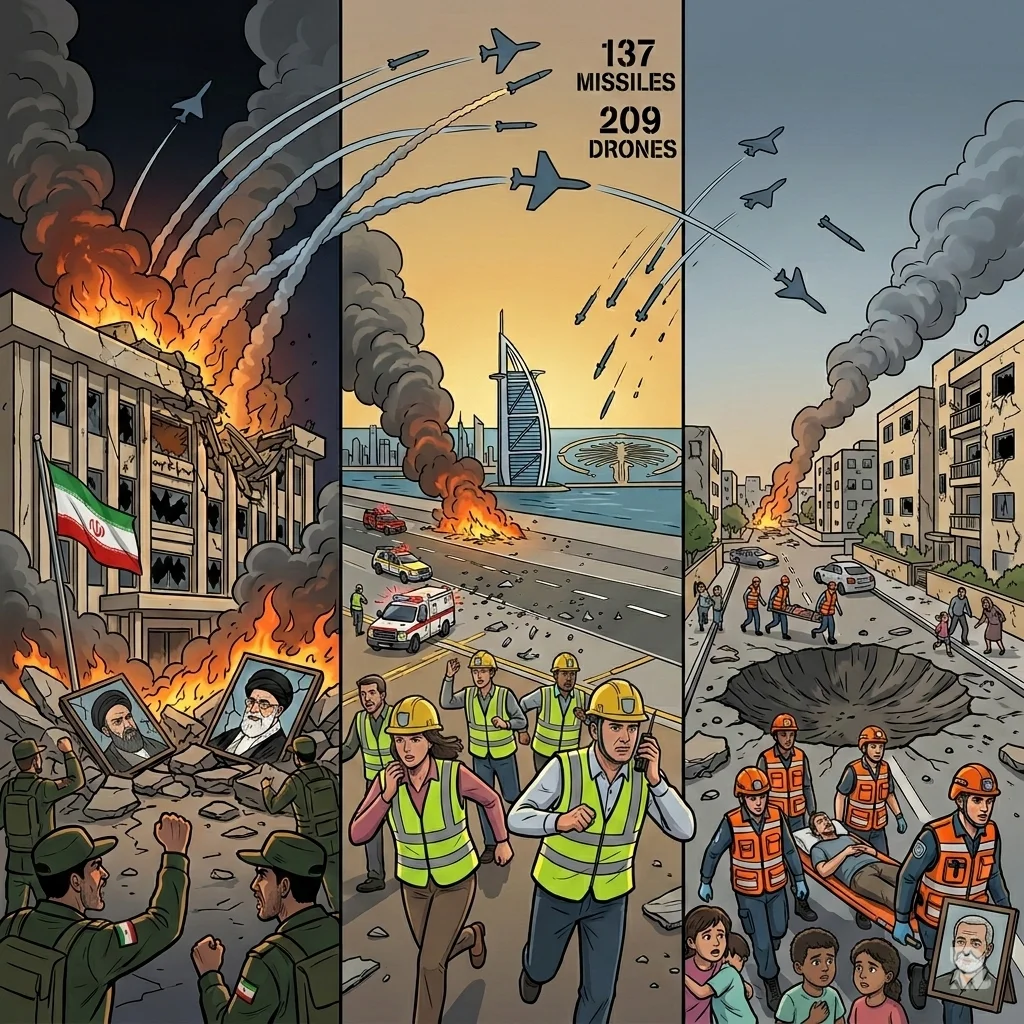
US-Israeli strikes killed Ayatollah Khamenei. The IRGC launched 137 missiles and 209 drones at UAE bases and Dubai sites. 9 people died in Beit Shemesh. Hezbollah fired rockets into northern Israel.
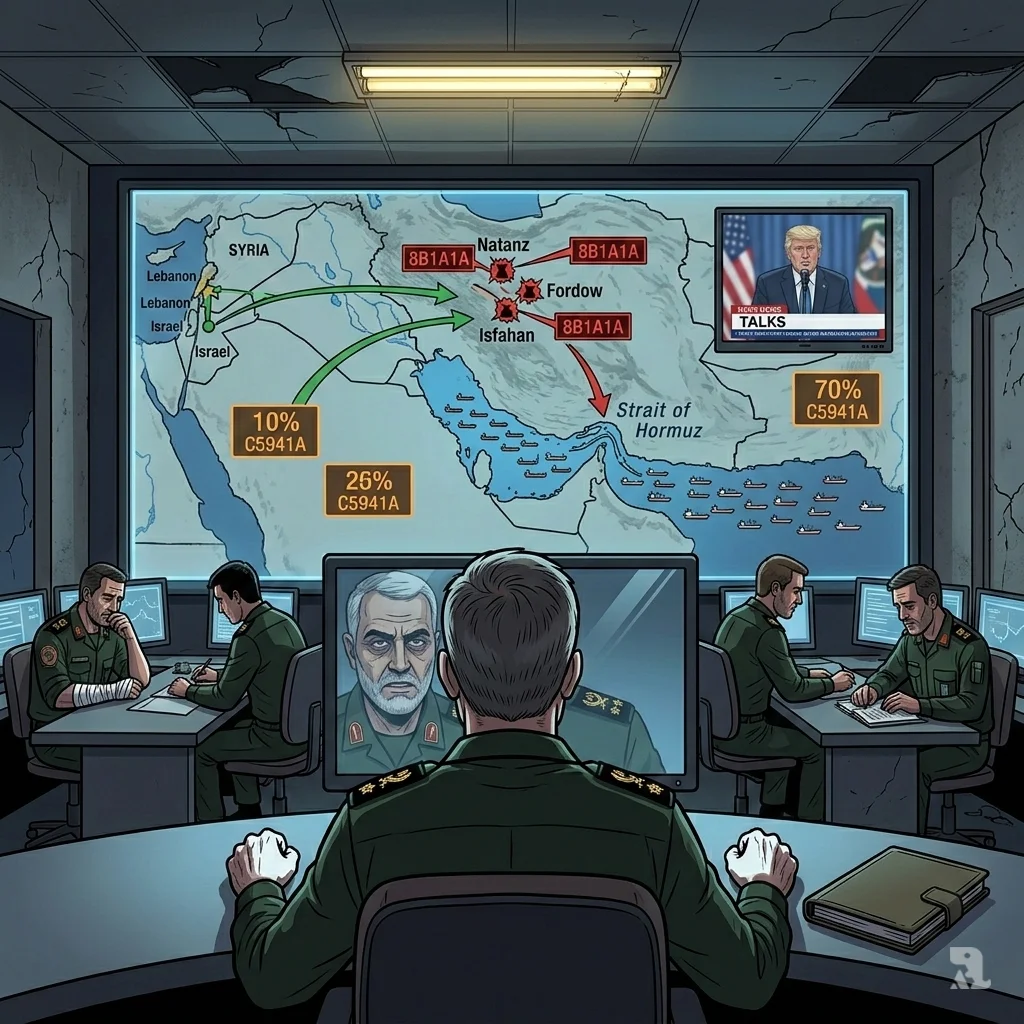
Analysts call Iran a “wounded animal” — still able to launch missiles, drones, proxies, and cyberattacks, but weakened by war damage, sanctions, and Khamenei’s death. Over 150 tankers stalled near Hormuz as Trump signaled possible talks.