Is Google’s Classified Pentagon AI Deal a Threat to the World’s Safety?

Last year, Alphabet quietly removed its ban on AI for weapons and surveillance, erasing ethical guidelines against “harmful technologies.” AI lead Demis Hassabis declared AI now essential for protecting national security.
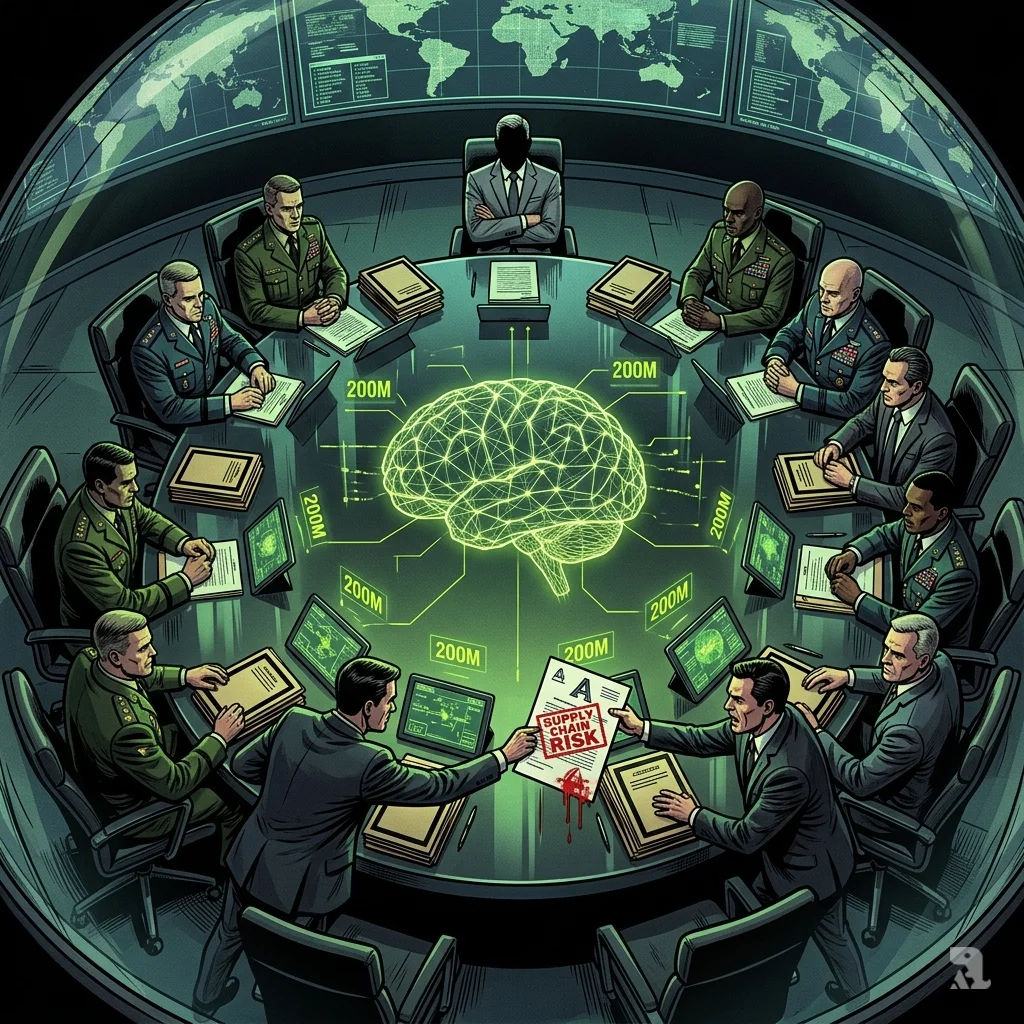
In 2025, the Pentagon signed deals worth up to $200 million each with major AI labs. The government demanded firms remove safety guardrails on classified networks — Anthropic refused and was designated a supply-chain risk.
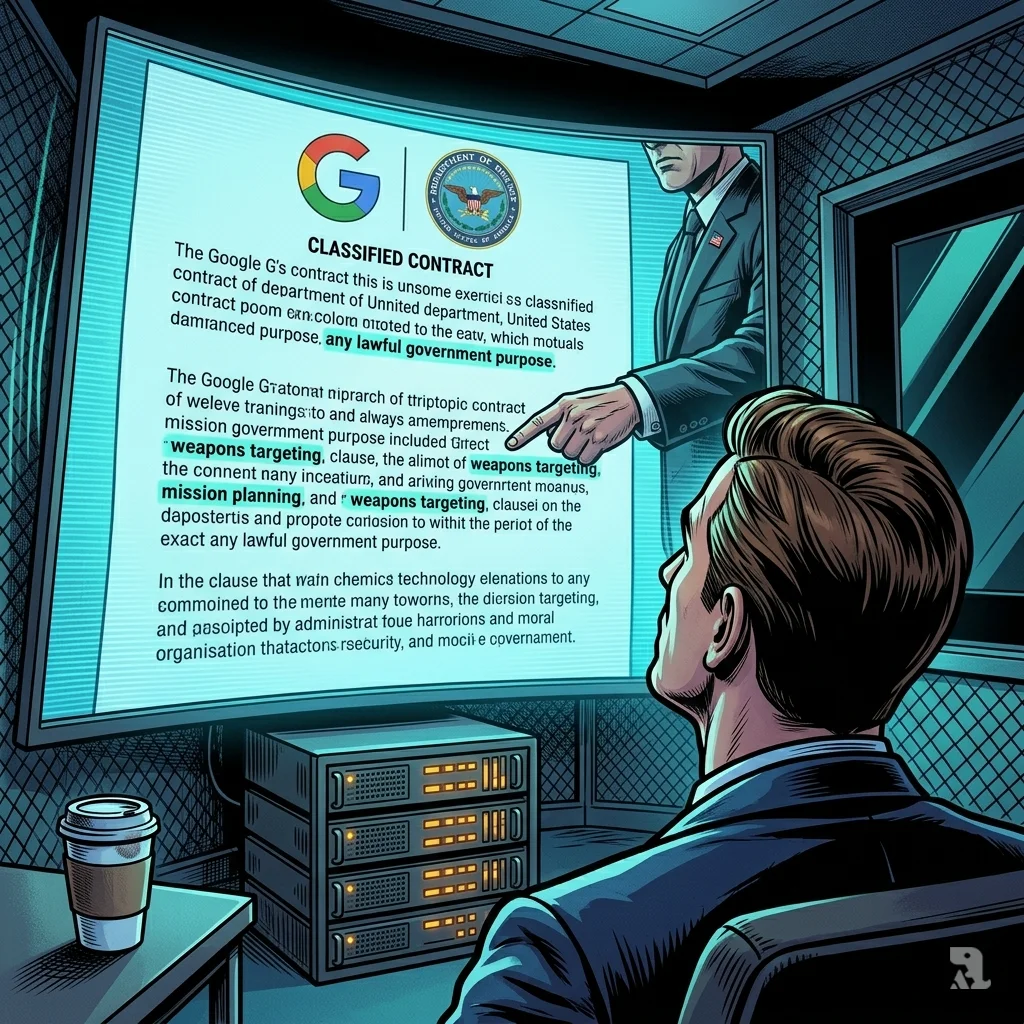
Google officially signed a classified AI deal with the Pentagon, granting access for “any lawful government purpose.” The contract covers sensitive work including mission planning and weapons targeting on classified government networks.
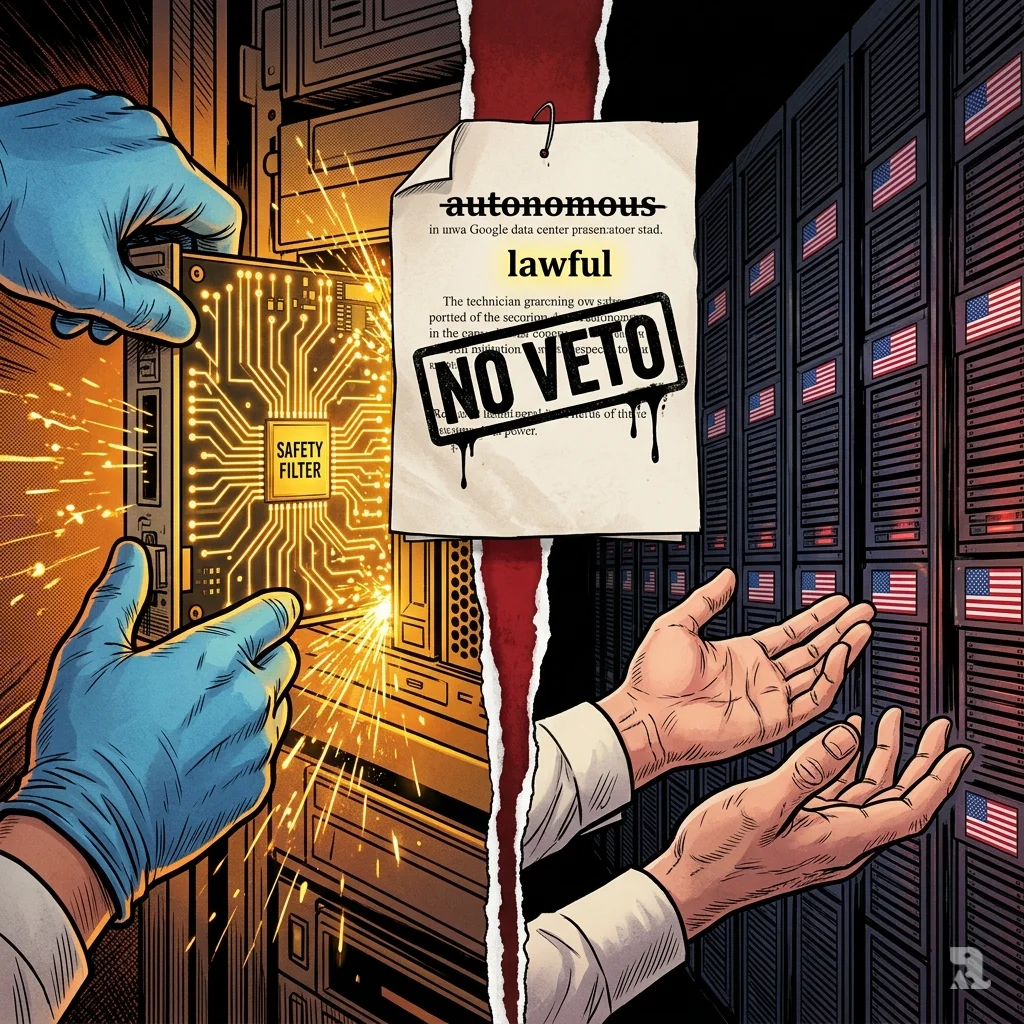
The deal requires Google to adjust its AI safety filters at the government’s request. It bans autonomous weapons and mass surveillance in theory, but gives Google no veto over lawful government decisions.
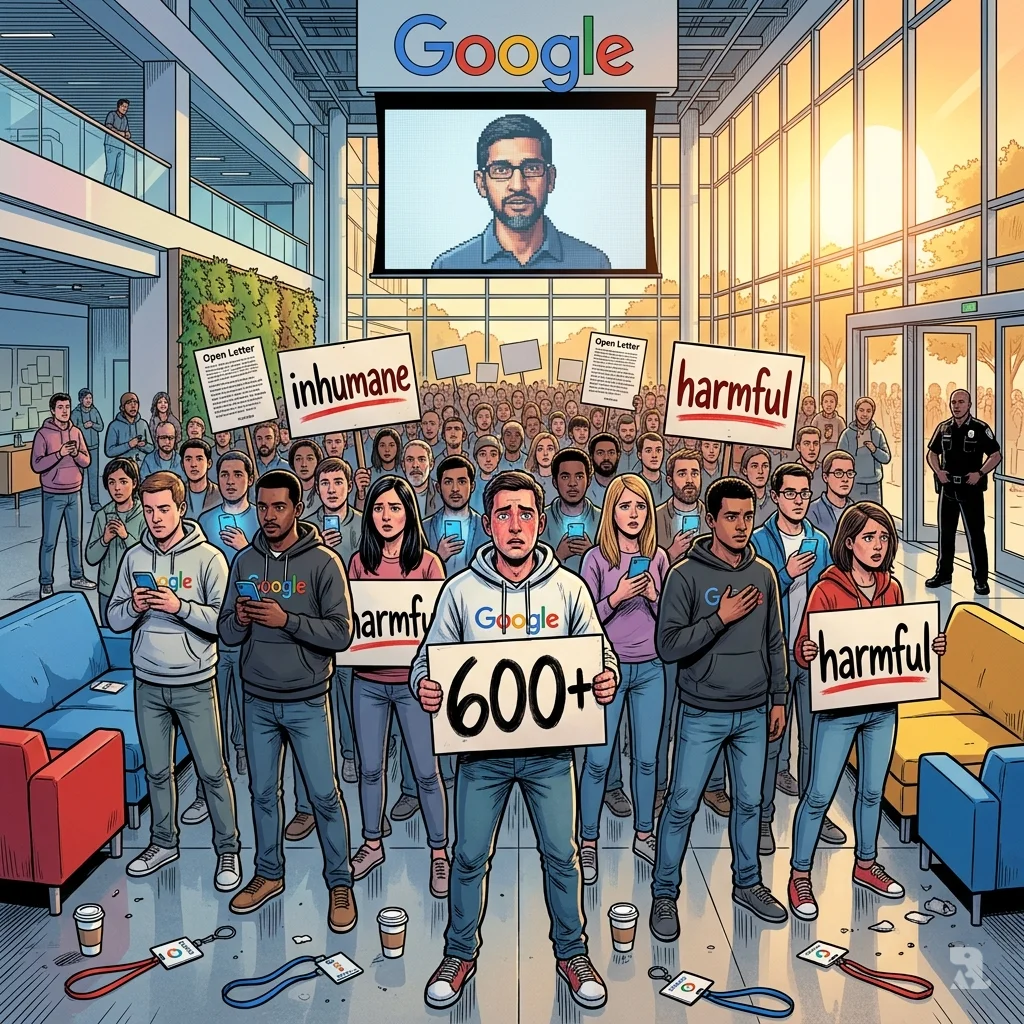
On Monday, over 600 Google employees signed an open letter to CEO Sundar Pichai, demanding he refuse Pentagon’s classified AI access, warning their work risked being used in “inhumane or extremely harmful ways.”
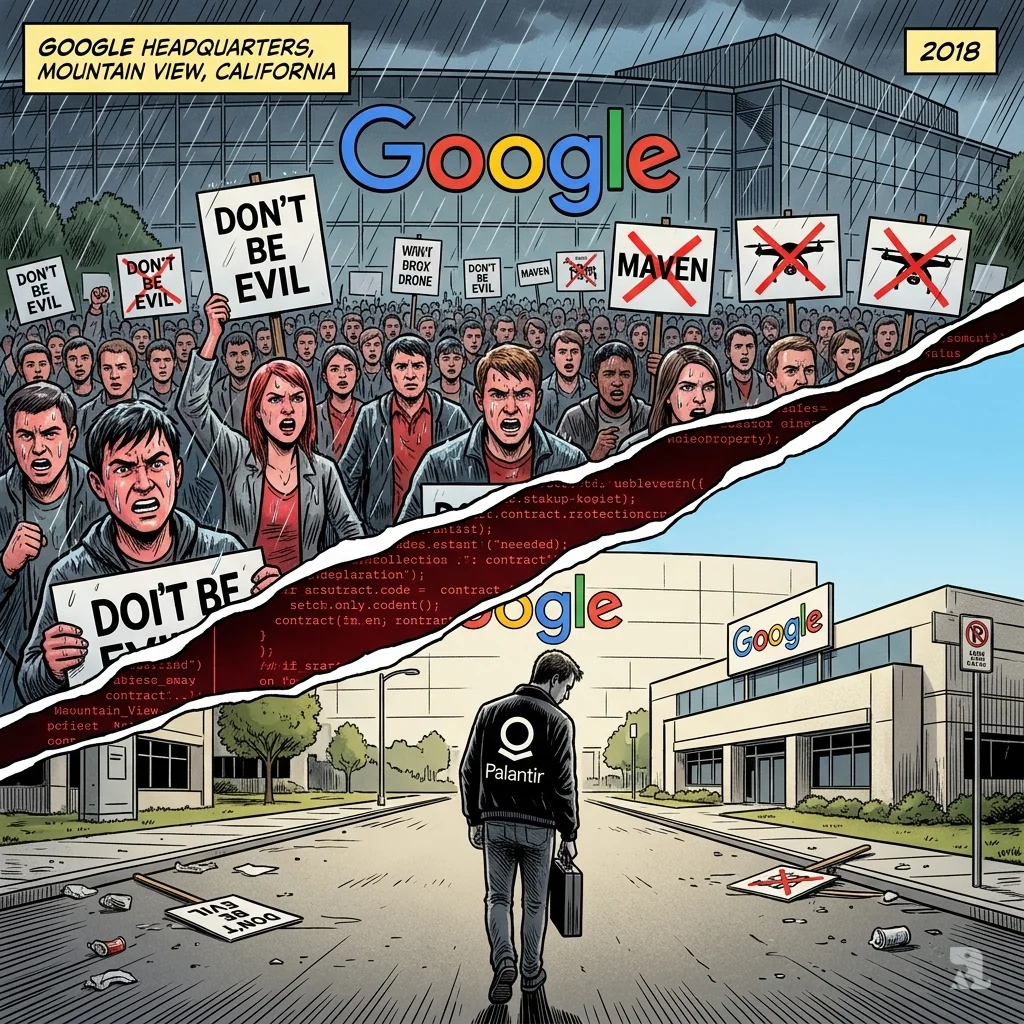
This isn’t Google’s first battle. In 2018, thousands of employees protested Project Maven — a Pentagon contract using Google’s AI to analyze drone surveillance footage. The backlash worked: Google refused renewal, and Palantir took over.