
Can America’s Military Really Break Iran’s Dangerous Grip On The Strait Of Hormuz?
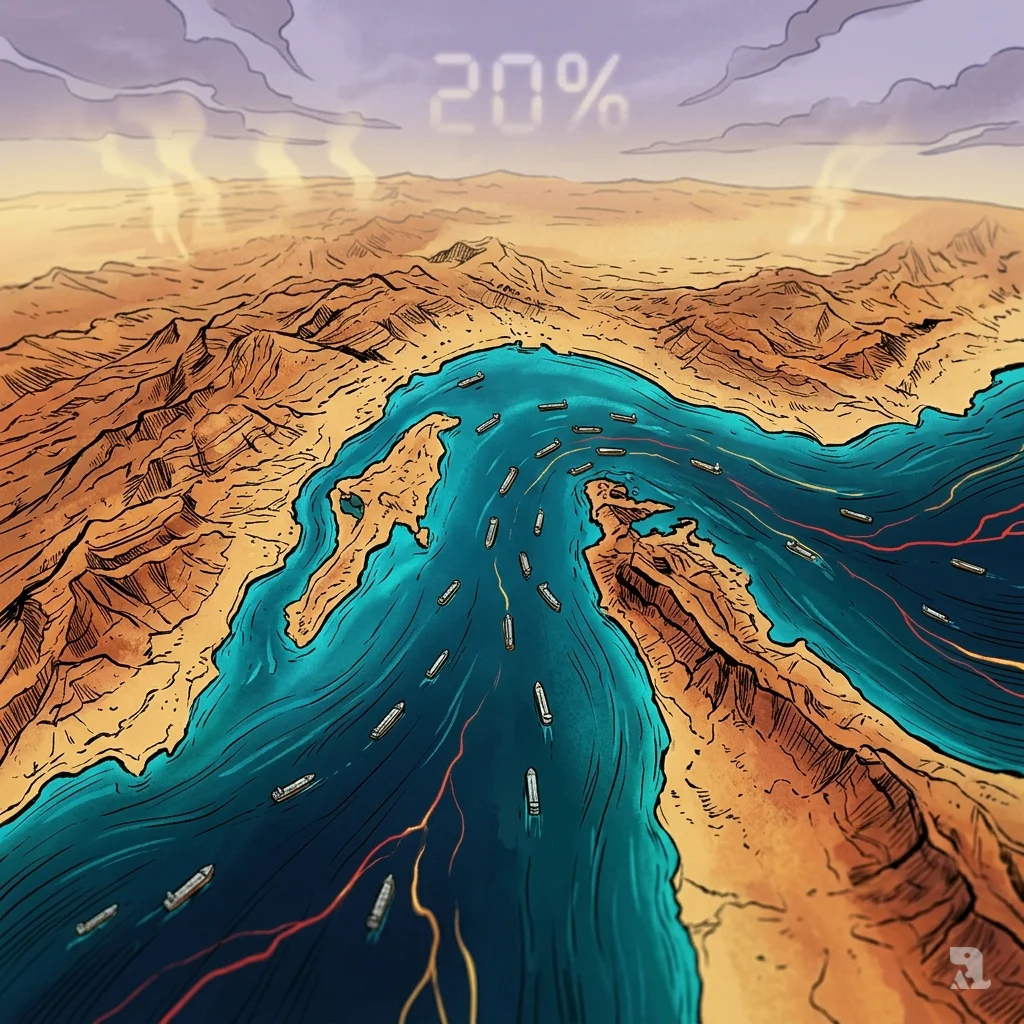
The Strait of Hormuz has been effectively closed for almost 4 weeks, throwing global oil markets into chaos. This narrow waterway carries about 20% of the world’s oil, natural gas, and critical fertilizers.
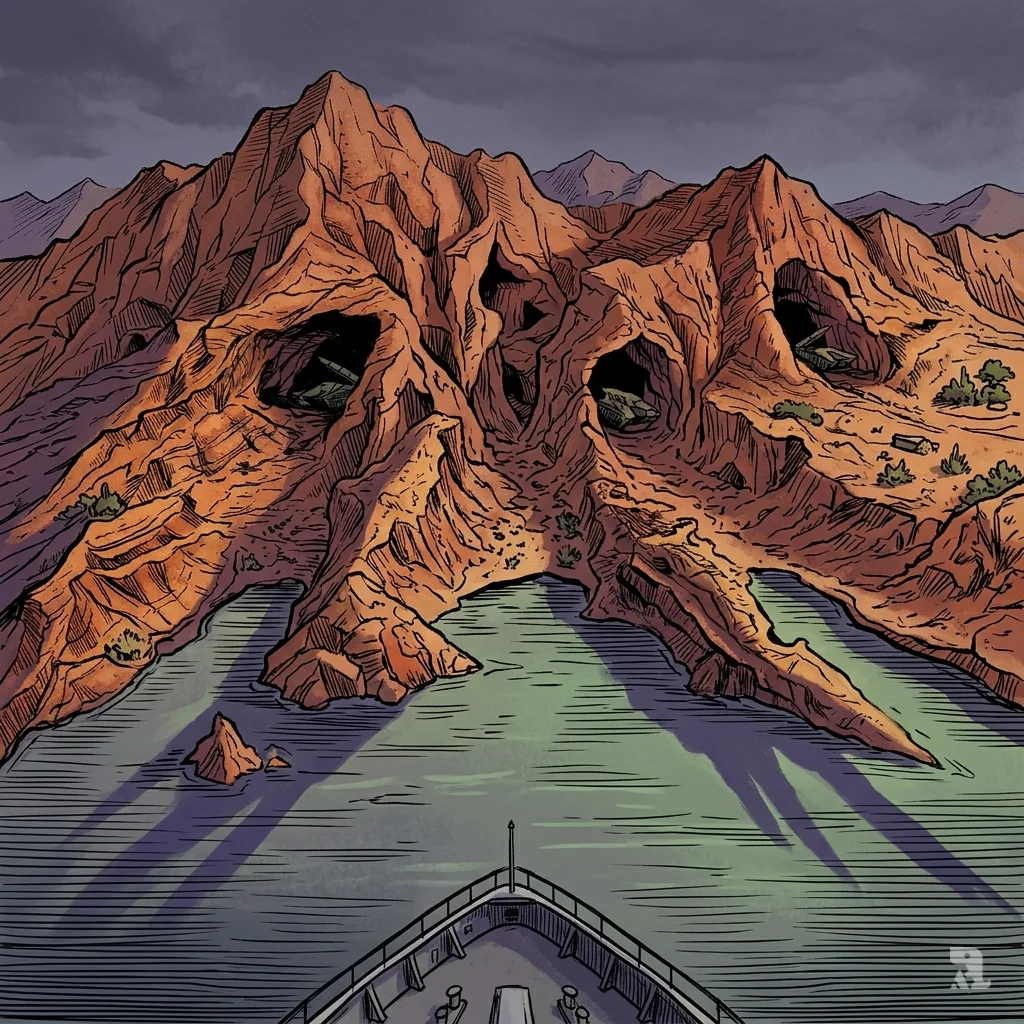
The strait is just 24 miles wide at its narrowest point. Iran has nearly 1,000 miles of coastline with mountains, valleys, and islands — perfect terrain to hide mobile missile systems, creating a deadly “kill zone.”
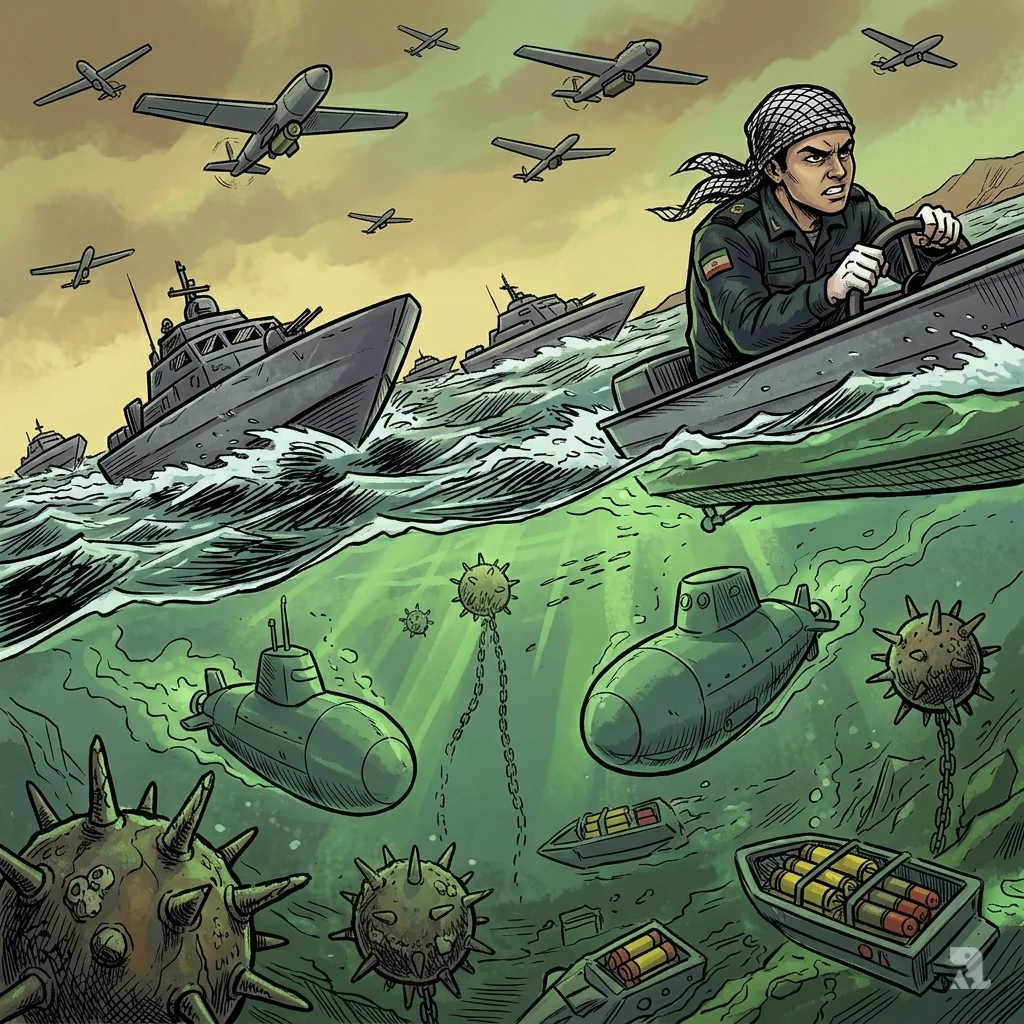
Iran’s unconventional arsenal includes cheap drones, sea mines, fast-attack boats, and unmanned explosive vessels. Even midget submarines operate in shallow waters. Experts say reducing this threat to zero is nearly impossible.
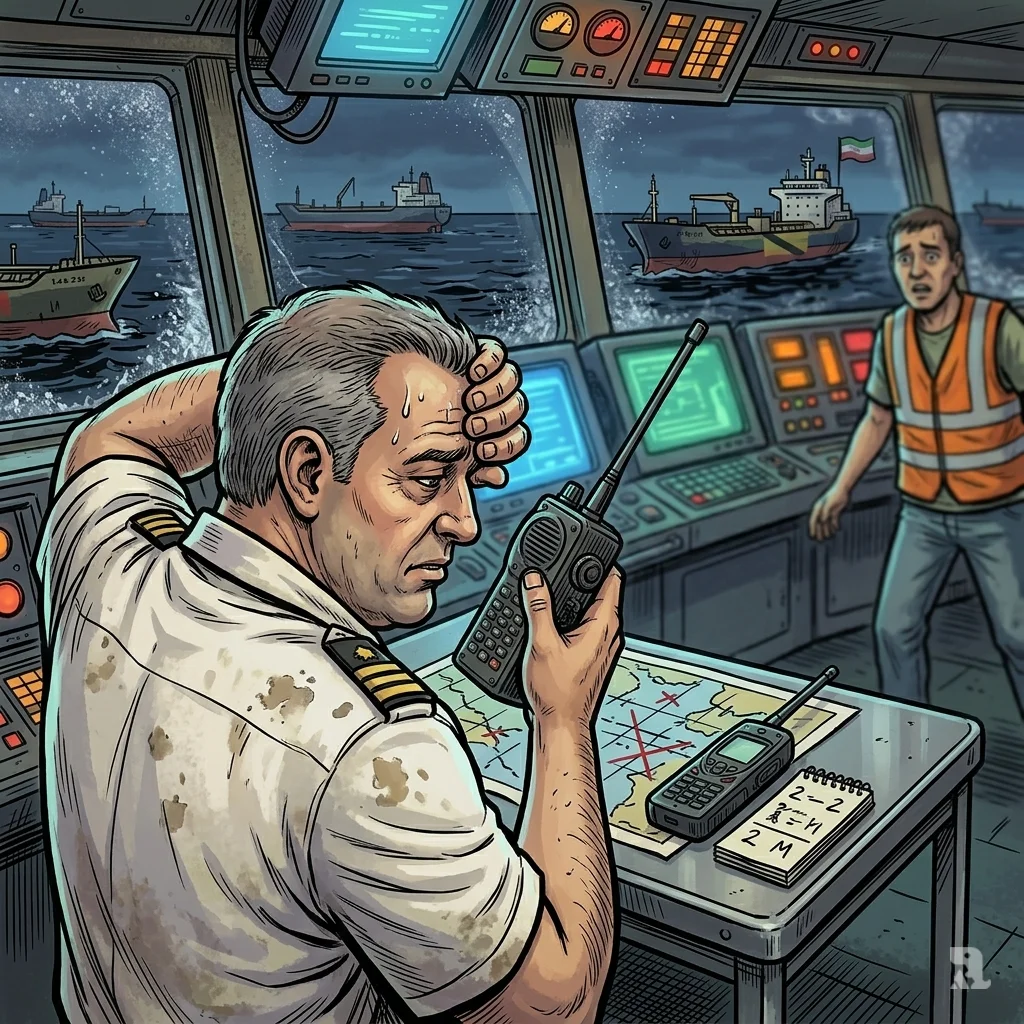
Iran attacked at least 19 vessels near the strait and began charging fees for safe passage. One vessel reportedly paid $2 million. At least 16 ships crossed, including “zombie” tankers using false identities.

Nearly 2,000 vessels remain trapped inside the Persian Gulf. Trump claims diplomatic progress, but Iran denies direct negotiations — only acknowledging message exchanges through mediators. UK, France, and Bahrain also work on safeguard plans.
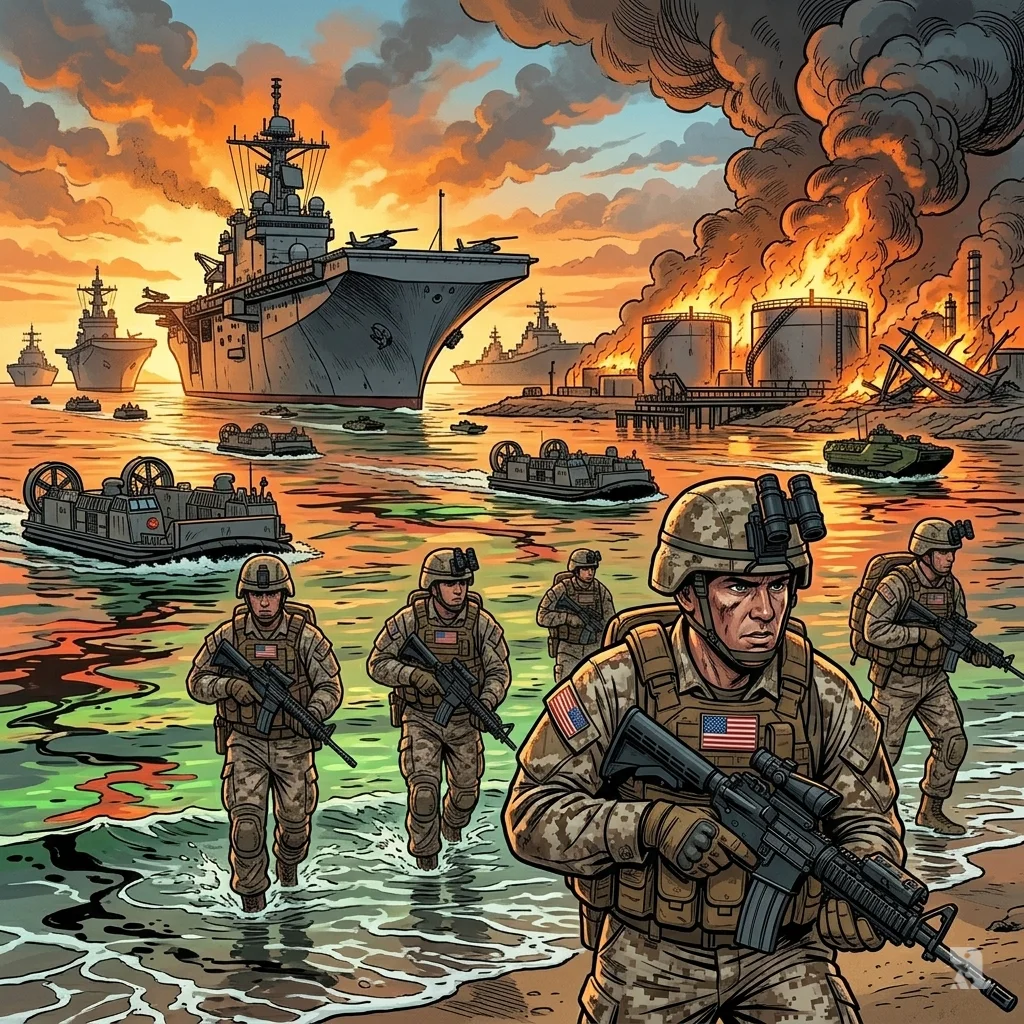
The US deployed the 11th Marine Expeditionary Unit and Boxer Amphibious Ready Group toward the Middle East. Military strikes hit Kharg Island, handling 90% of Iran’s crude exports. Trump warns more strikes could follow.