
IS-Linked Australian Women Arrested at Airport After Years Living in Syrian Refugee Camp
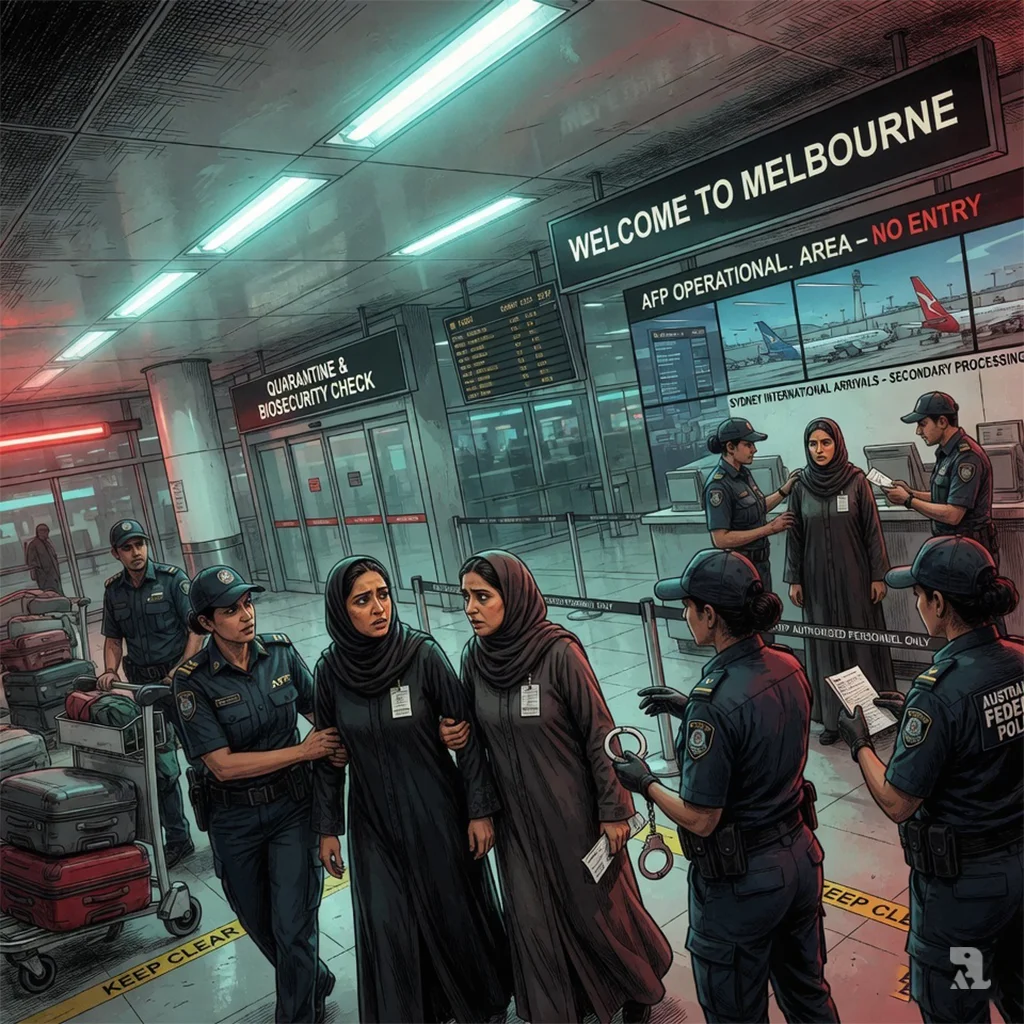
Three Australian women with Islamic State links were arrested upon returning from Syria — Kawsar Ahmad and Zeinab Ahmad at Melbourne airport, Janai Safar in Sydney — all charged within hours of landing.
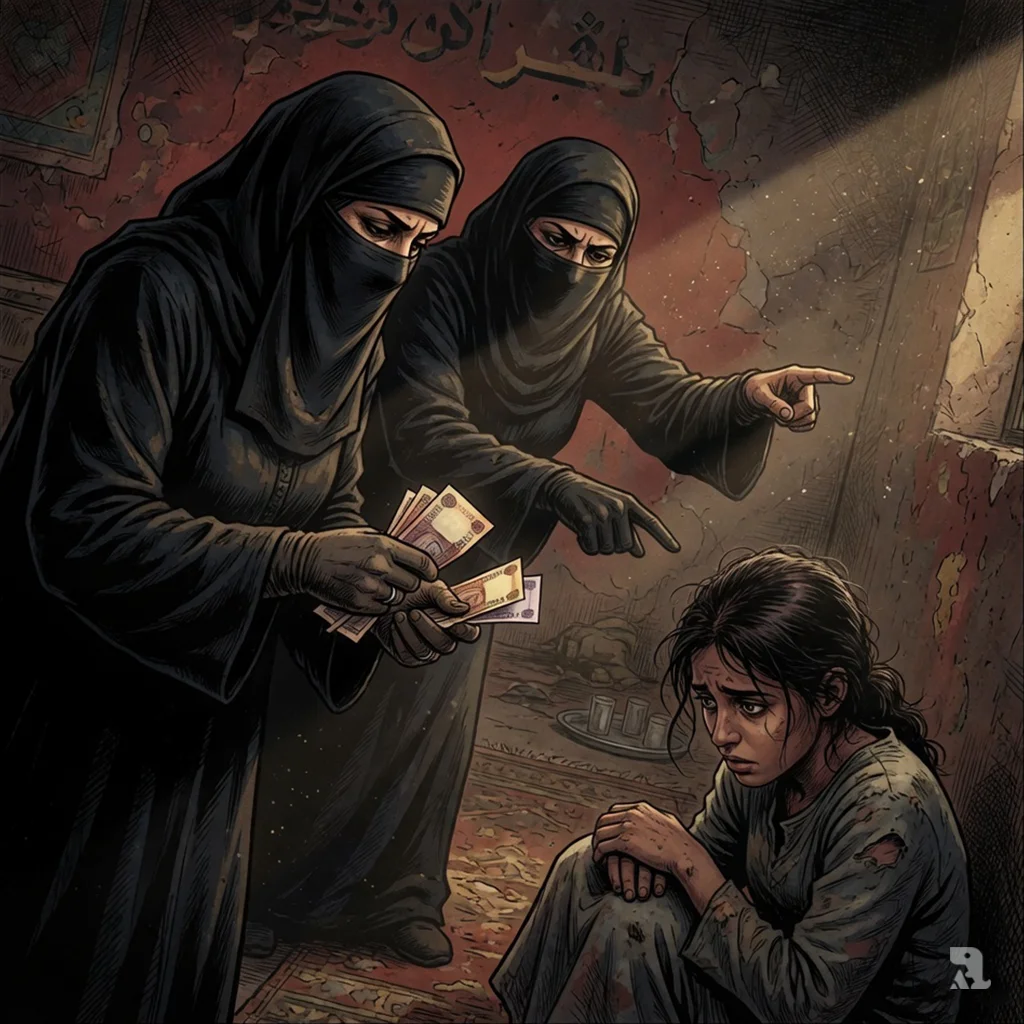
AFP allege Kawsar Ahmad and Zeinab Ahmad both travelled to Syria in 2014, were complicit in purchasing a female slave for US$10,000, and knowingly kept her captive inside their home.

Janai Safar, 32, allegedly travelled to Syria in 2015 to join her IS-affiliated husband. She faces charges of entering a declared conflict zone, joining IS, and being a member of a terrorist organisation.

Crimes against humanity charges carry a maximum 25 years in prison; IS membership up to 10 years. AFP Assistant Commissioner Stephen Nutt confirmed all Australians who travelled to conflict zones remain under active investigation.
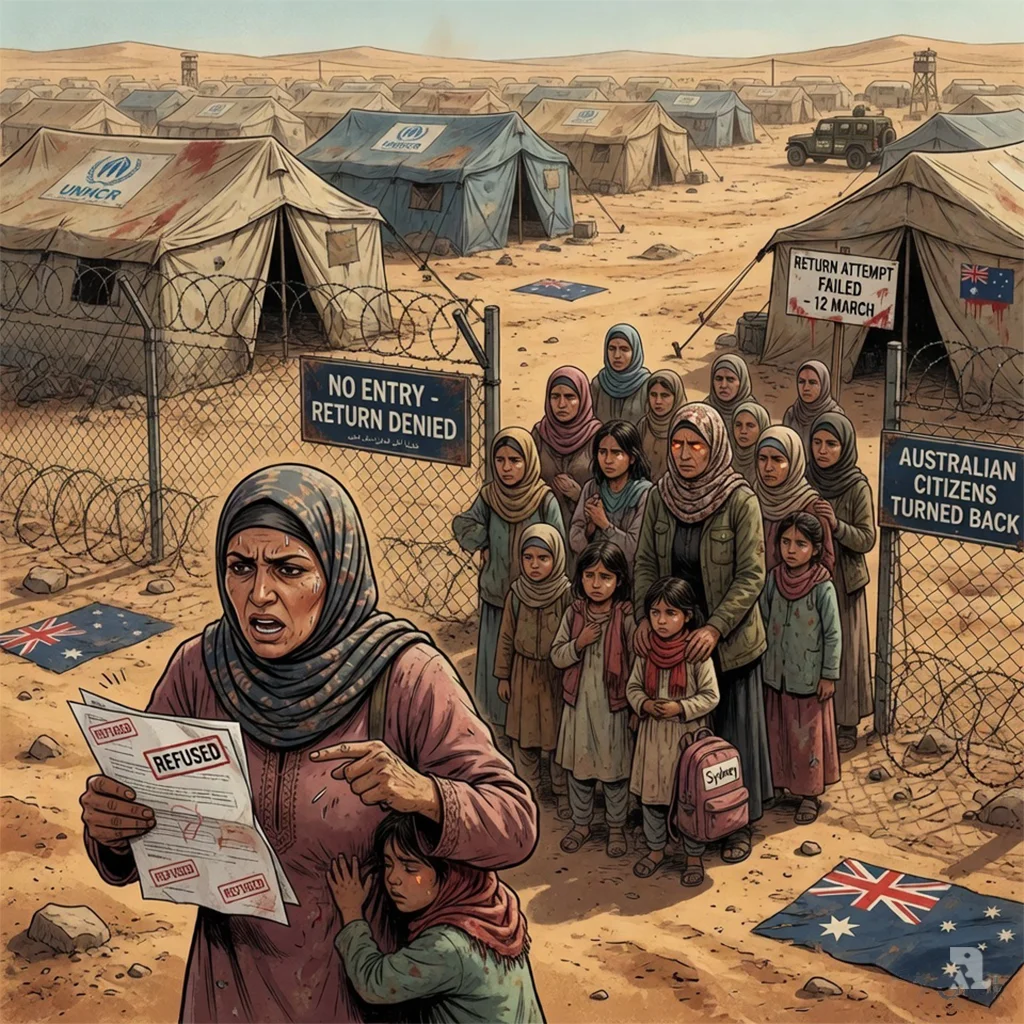
Part of 34 Australian women and children from al-Roj camp, Syria, they attempted return in February but were sent back. 1 member was even banned under a “temporary exclusion order” for 2 years.
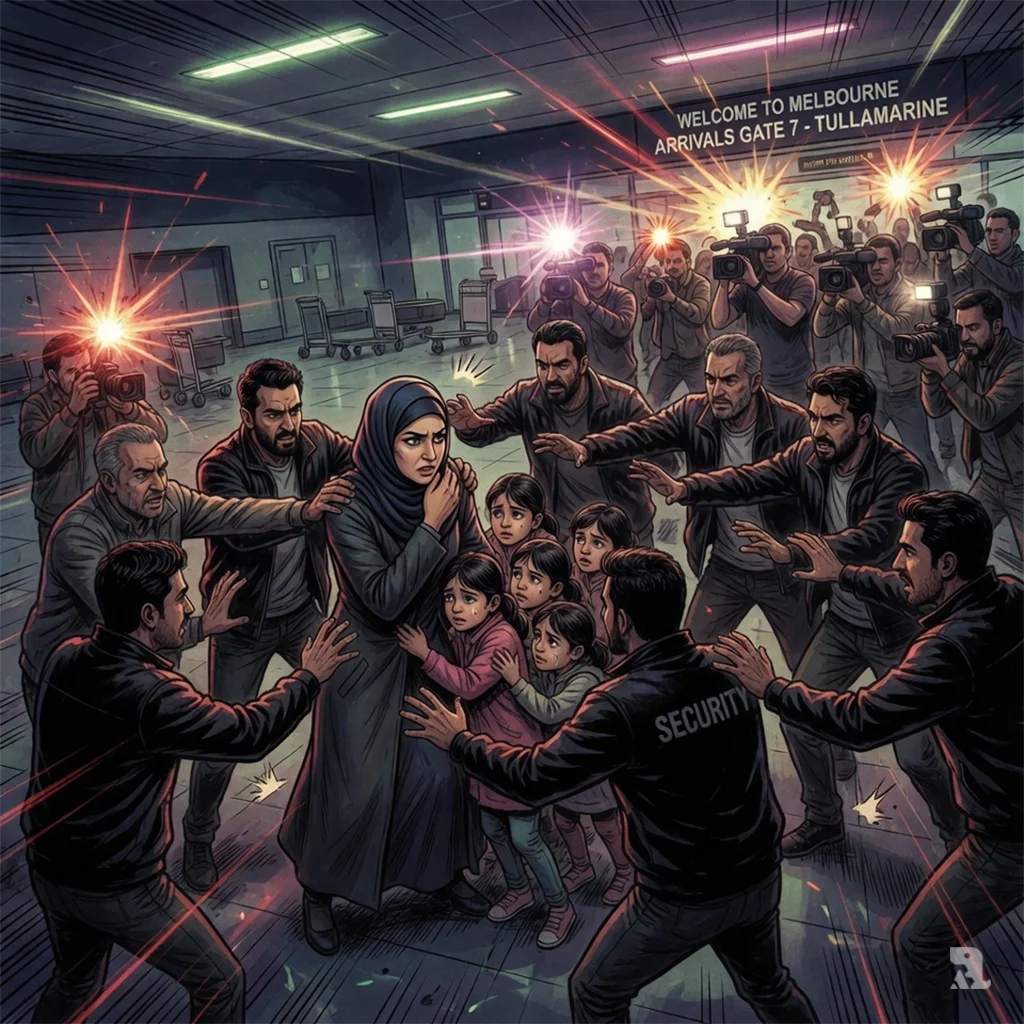
At Melbourne airport, chaotic scenes erupted as Zahra Ahmad — the 1 woman not arrested — emerged from arrivals. About 15 men in black swarmed to cover her and the children’s faces from waiting media.